
 Budi Mulyono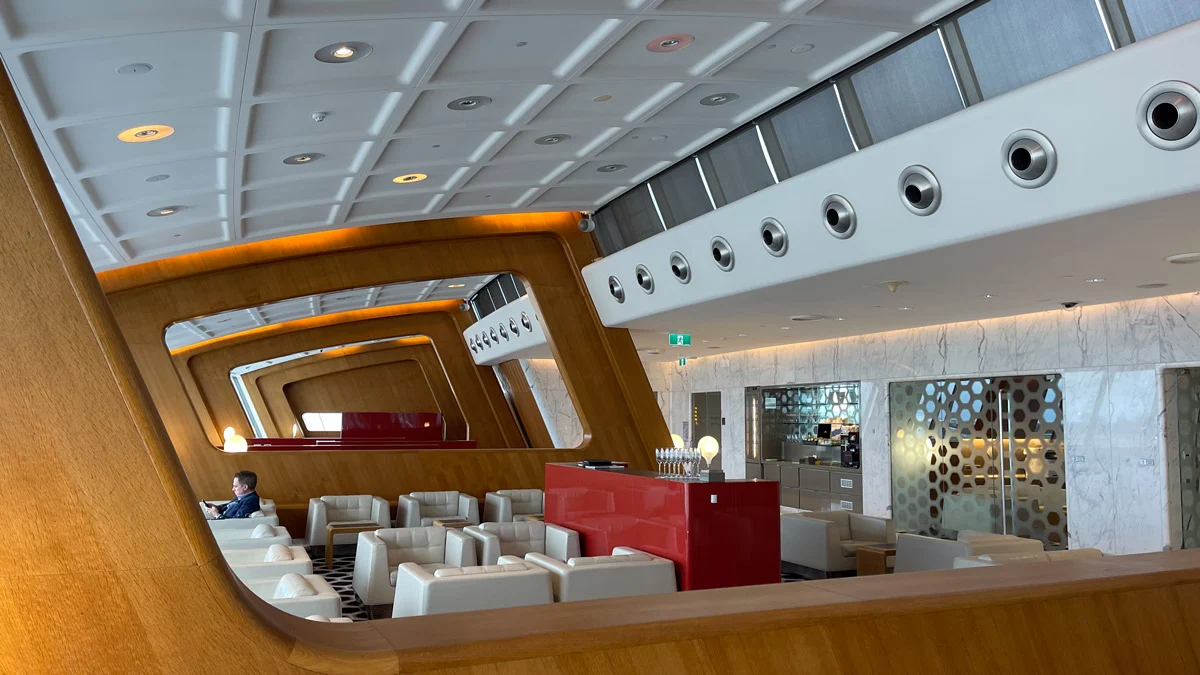
Qantas Airways has announced a sweeping overhaul of its lounge access policies, targeting a significant reduction in the number of passengers eligible to enter its premium facilities and effectively dismantling the informal secondary market for complimentary lounge invitations. Scheduled to take effect on July 1, 2026, these changes represent one of the most substantial shifts in the airline’s loyalty strategy in recent years. The adjustments focus on two primary areas: the eligibility of Jetstar international passengers and the transferability of digital lounge passes. Under the new framework, the airline aims to address persistent issues regarding lounge overcrowding while simultaneously protecting the exclusivity of its premium brand.
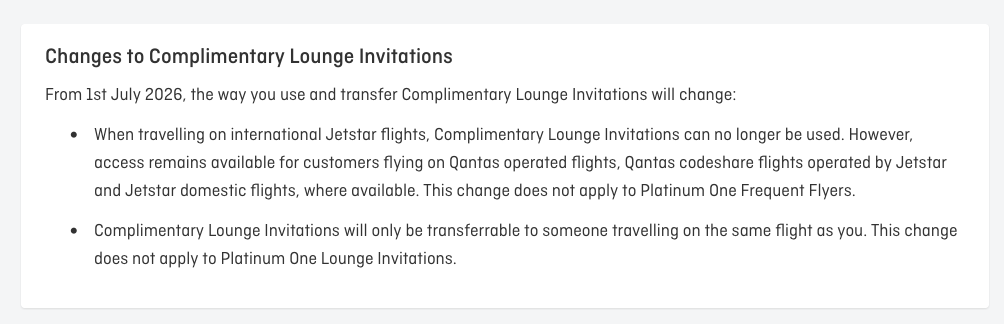
The first major component of the policy shift involves Jetstar, Qantas’s low-cost subsidiary. For years, savvy travelers have utilized complimentary lounge passes—often earned through Qantas Frequent Flyer Silver status or via premium credit card rewards—to access Qantas lounges while flying on Jetstar’s international network. This allowed passengers on budget-friendly fares to Bali, Japan, and Vietnam to enjoy pre-flight meals, showers, and bar service. However, from July 2026, this "loophole" will be closed. Access for international Jetstar passengers using lounge passes will be terminated, unless the passenger holds Platinum One status or is traveling on a Qantas codeshare flight (carrying a QF flight number).
The second pillar of the announcement targets the "sharing economy" of lounge invitations. Currently, Qantas Frequent Flyers can transfer digital lounge passes to any other member of the program. This has fostered a thriving underground market on social media platforms and auction sites, where passes are frequently sold for prices ranging from $50 to $100 or swapped for other perks like wine vouchers. Starting in mid-2026, these passes can only be transferred to individuals traveling on the same flight as the person who earned the invitation. This change effectively eliminates the ability to gift or sell passes to strangers, ensuring that the perk remains within the immediate traveling party of the loyal customer.
A Strategic Response to Lounge Overcrowding
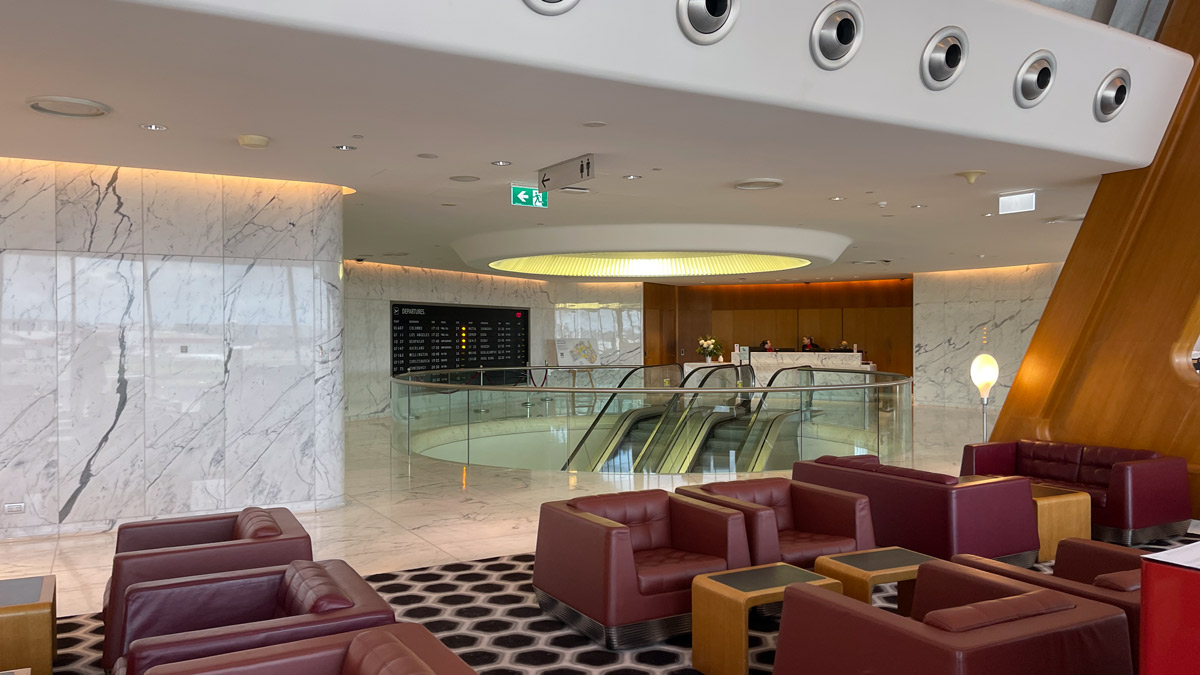
The primary driver behind these restrictive measures is the escalating issue of lounge congestion. Since the resumption of full-scale international travel following the COVID-19 pandemic, Qantas has faced criticism from its highest-tier frequent flyers regarding the lack of available seating and the decline in the "premium feel" of its lounges, particularly at major hubs like Sydney, Melbourne, and Singapore.
By removing a significant portion of the Jetstar international demographic and curbing the influx of passengers who have purchased passes via third-party channels, Qantas expects to see a measurable reduction in peak-hour foot traffic. This strategy aligns with the airline’s broader multi-million dollar lounge investment program, which includes the construction of a new lounge in Hobart slated for 2027 and major renovations to international lounges in Sydney and London. The airline appears determined to ensure that when these new facilities open, they are reserved for passengers who have "earned" their way in through high-value fares or long-term loyalty status.
Economic Pressures and the RBA Factor
Beyond operational logistics, the timing of these changes is linked to broader economic shifts within the Australian financial sector. The Reserve Bank of Australia (RBA) has been actively reviewing interchange fees—the fees banks pay to each other for processing card transactions. A reduction in these fees, which is widely anticipated, directly impacts the revenue Qantas earns from its co-branded credit card partners.
Qantas-linked credit cards currently account for approximately 35% of all credit card spend in Australia. When interchange fees are lowered, the "points margin" for banks decreases, meaning they have less capital to purchase frequent flyer points and lounge passes from Qantas. By tightening the rules around these passes, Qantas is proactively devaluing the cost of the perks it provides to banks, ensuring the sustainability of the Qantas Loyalty division, which remains one of the most profitable arms of the Qantas Group.
Impact on Jetstar’s International Value Proposition
The exclusion of Jetstar international flyers from the lounge pass ecosystem significantly alters the value proposition for the low-cost carrier’s long-haul routes. Jetstar has historically competed with full-service carriers by offering a "build-your-own" experience. For many travelers, the ability to use a Qantas lounge pass was the "missing link" that made a Jetstar flight feel comparable to a full-service Qantas flight.
From July 2026, the distinction between the two brands will become much sharper. Travelers flying Jetstar to destinations like Honolulu or Seoul will find themselves confined to the general terminal regardless of their credit card perks or Silver status. This move reinforces Qantas’s dual-brand strategy, where Jetstar serves the price-sensitive market and Qantas remains the sole custodian of the premium experience. Industry analysts suggest this may drive a segment of corporate and "premium leisure" travelers back toward Qantas-operated flights, despite the higher ticket prices.
The End of the Secondary Market for Lounge Passes
The crackdown on pass transfers is perhaps the most disruptive change for the broader frequent flyer community. Digital lounge passes have become a form of "loyalty currency" in Australia. Facebook groups dedicated to Qantas Frequent Flyers often see dozens of posts daily from members looking to buy, sell, or trade passes that are nearing their expiration date.
Qantas’s new "same flight" rule is a sophisticated technical solution to this problem. By linking the digital pass to a specific flight manifest, the airline’s IT systems can automatically invalidate transfers that do not meet the criteria. This not only stops the sale of passes but also prevents well-meaning members from gifting passes to friends or family members traveling on different dates. The move ensures that the "lounge invitation" remains a personal reward for the member’s own travel experience rather than a tradable commodity.
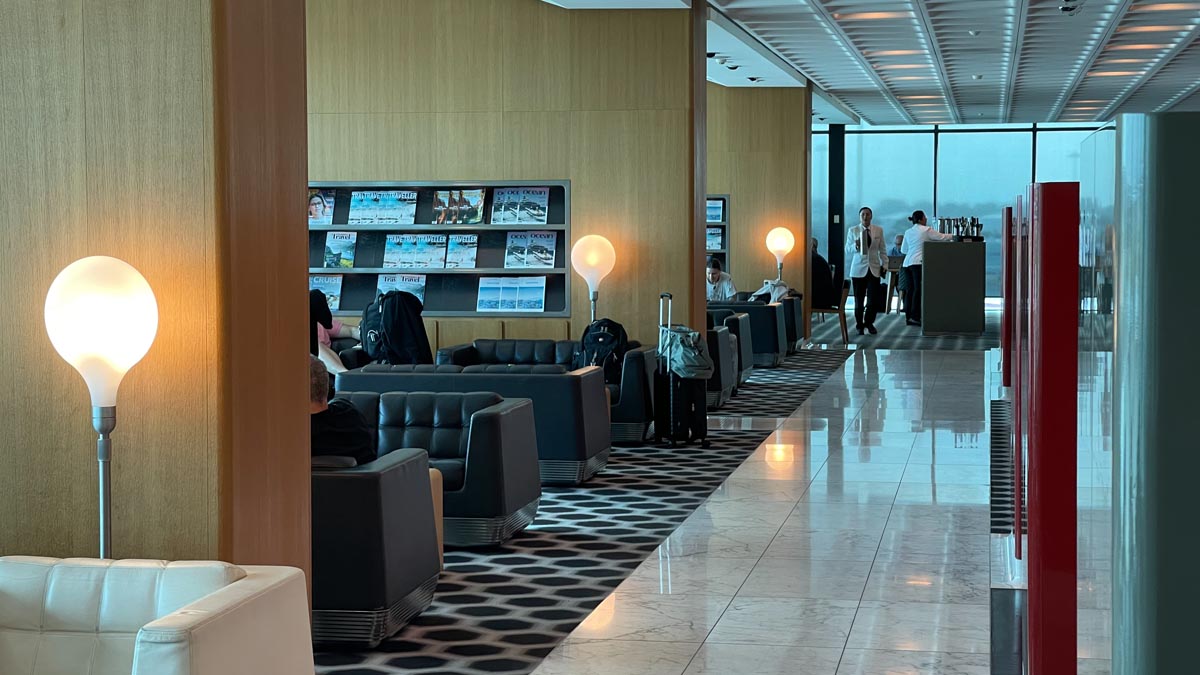
Chronology of Qantas Lounge Access Evolution
To understand the significance of the 2026 changes, it is helpful to look at the timeline of how Qantas has managed its lounge access over the last decade:
- 2014–2018: Qantas transitions from physical paper lounge invitations to digital passes stored within the Qantas Frequent Flyer app. This transition was designed to reduce fraud and streamline the entry process.
- 2020–2022: During the pandemic, many lounge passes were extended multiple times as lounges remained closed. This led to a "glut" of passes in the market once travel resumed.
- 2023: Qantas implements stricter guest policies for domestic lounges, limiting the number of guests even high-status members could bring in during peak times.
- 2024: Qantas announces a $100 million investment in lounge upgrades, including the "ultra-premium" Project Sunrise lounges for non-stop flights to London and New York.
- July 1, 2026: The new restrictions on Jetstar international access and pass transfers officially commence.
Reactions and Market Implications
While Qantas has not issued a formal press release detailing the specific number of passengers affected, the airline has communicated the changes to its credit card partners and loyalty members via updated terms and conditions.
Inferred reactions from the frequent flyer community suggest a divide. Top-tier members (Gold, Platinum, and Platinum One) generally welcome the news, viewing it as a necessary step to restore the exclusivity and comfort of the lounges. Conversely, Silver members and those who rely on credit card perks have expressed frustration, viewing the move as a "stealth devaluation" of their benefits.

Travel industry consultants note that this move could create an opening for competitors. Virgin Australia and Rex (Regional Express) have historically had less crowded lounges, though their networks are more limited. If Qantas continues to restrict access, it risks alienating the "aspirational" traveler—the person who is not yet a high-flyer but is tempted by the taste of luxury provided by a lounge pass.
Analysis: The Future of Airline Loyalty
The 2026 policy change signals a broader trend in the global aviation industry: the shift from "volume-based" loyalty to "value-based" loyalty. Airlines are increasingly realizing that giving away premium perks to too many people devalues the experience for those who pay the most.
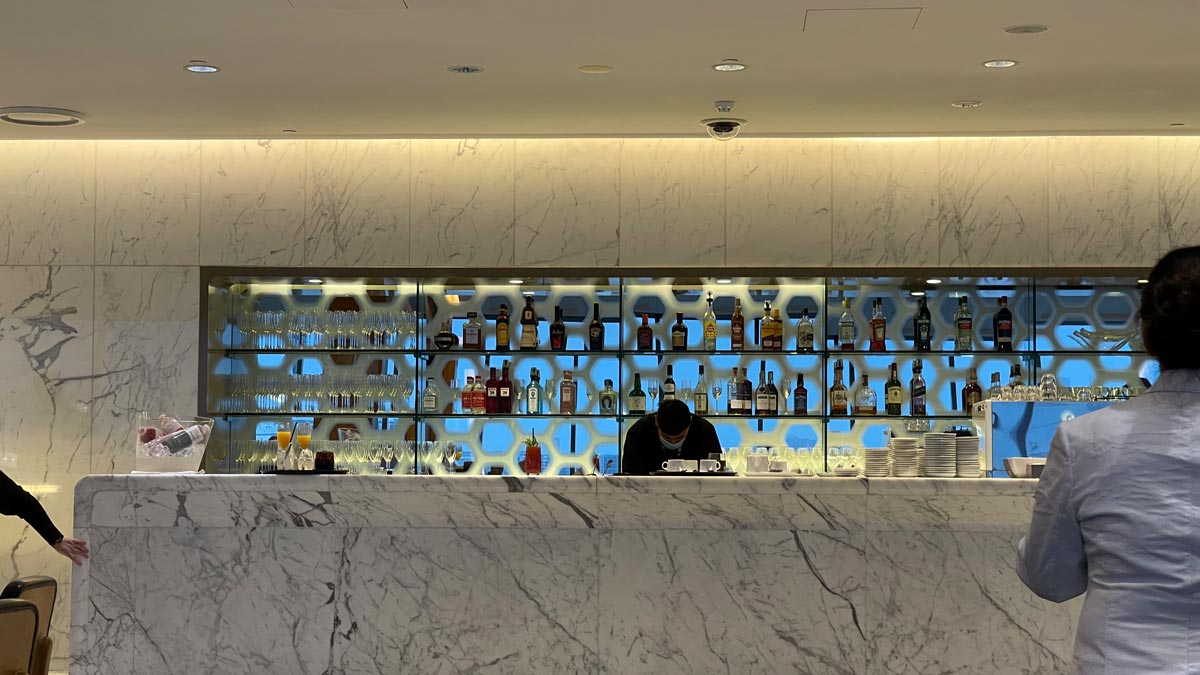
By 2026, Qantas will have a more segmented lounge environment. The lounges will be quieter, the food and beverage service will likely be under less strain, and the airline will have regained total control over its inventory of "invitations." For the traveler, the message is clear: the days of "hacking" your way into a Qantas lounge are coming to an end. To get through the frosted glass doors, passengers will need to either pay for a Qantas ticket, earn a high-tier status through frequent flying, or travel alongside a generous friend who happens to be on the same flight.




 Anjar Salim
 Chandra Hamzah
 Gabriela Annisa
 Susilo Edi Turonggo
 Tatiana Tantri Indah Sari
 Hendra Ismail