
 Anjar Salim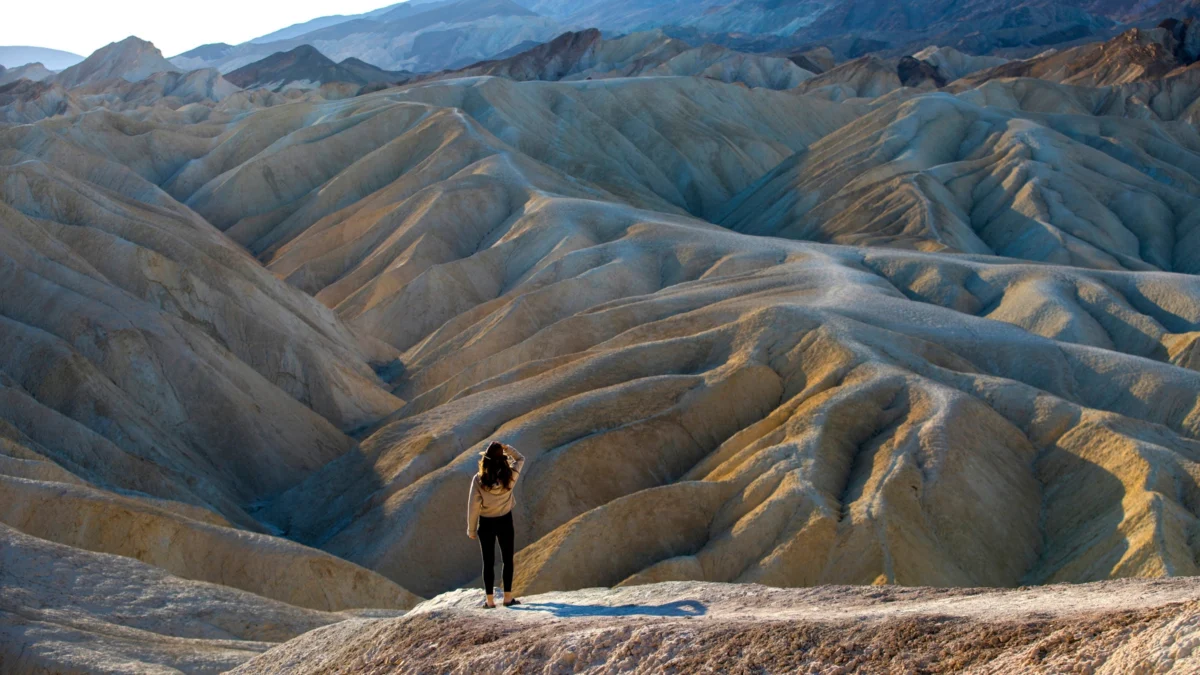
The Southwestern United States is currently grappling with an unprecedented early-season heat wave that has shattered historical temperature records and prompted emergency interventions across Arizona and California. Although the spring equinox has not yet arrived, meteorological conditions typically reserved for the peak of summer have descended upon the region, leading to a surge in heat-related medical emergencies and the proactive closure of several high-traffic outdoor recreation areas. In Phoenix, the municipal fire department has been forced to conduct multiple technical rescues of stranded hikers, while Death Valley National Park has officially recorded its first 100-degree day of 2026, marking a significant departure from seasonal norms.
Emergency Rescues and Immediate Public Safety Concerns
The Phoenix Fire Department reported a period of intense activity over a 24-hour window ending March 17, 2026, as the "urban heat island" effect amplified rising regional temperatures. Emergency crews responded to at least six separate incidents involving hikers suffering from varying degrees of heat exhaustion and dehydration. These incidents occurred primarily on the city’s most prominent geological landmarks, which attract thousands of visitors even during periods of elevated risk.
On Monday, March 16, rescue teams were dispatched to Camelback Mountain, the highest peak in the Phoenix metropolitan area at 2,706 feet. Three individuals were found in distress on the exposed, rocky slopes as temperatures reached a daily high of 93 degrees Fahrenheit. While 93 degrees may seem manageable to seasoned desert residents in July, the lack of acclimatization in mid-March poses a severe physiological threat. The following day, as the heat intensified, three additional hikers required emergency assistance in various outdoor preserves around the metro area.
Local health officials have noted that early-season heat is particularly dangerous because the human body has not yet adjusted to the thermal stress. "The primary concern during these first-of-the-year spikes is that hikers often set out with a winter mindset," stated a representative from the local emergency medical services. "They carry insufficient water and underestimate the intensity of the sun, which remains potent even if the calendar suggests early spring."
Strategic Trail Closures in the Phoenix Metropolitan Area
In a direct response to the spike in rescue calls and the forecast for even higher temperatures, Phoenix city officials have announced a series of strategic trail closures. These measures are designed to prevent further strain on emergency resources and to protect the public from the life-threatening risks of heatstroke.
Beginning Thursday, March 19, and extending through at least Sunday, March 22, the following popular routes will be closed to the public:
- Camelback Mountain: Both the Echo Canyon Trail and the Cholla Trail.
- Piestewa Peak: The Summit Trail, which leads to the 2,610-foot crest.
- South Mountain Park and Preserve: Specific high-risk routes including the Holbert Trail, Mormon Trail, and the Hau’Pal Loop Trail.
These closures are part of an established safety protocol that triggers when the National Weather Service issues an Excessive Heat Warning or when temperatures are forecast to exceed 105 degrees. While the current forecast sits slightly below that official threshold for some areas, the "early season" factor has prompted authorities to act with an abundance of caution. Officials have indicated that the closures may be extended if the high-pressure ridge currently hovering over the Southwest does not dissipate as expected by the beginning of the following week.
Historical Temperature Anomalies in Death Valley
While Phoenix manages its public safety crisis, Death Valley National Park—a region spanning the California-Nevada border and known as one of the most extreme environments on Earth—reached a symbolic and meteorological milestone. On Tuesday, March 17, the park’s official weather station at Furnace Creek recorded a high of 100 degrees Fahrenheit.

This reading is highly anomalous for the second week of March. According to National Park Service (NPS) data, the average high temperature for Death Valley in March is approximately 82 degrees. The previous record high for this time of year was 103 degrees, a figure that meteorologists suggest could be eclipsed by the end of the current week. Forecasts from The Weather Channel indicate that Death Valley could see temperatures as high as 105 degrees by March 18, with triple-digit heat expected to persist for at least seven consecutive days.
Death Valley currently holds the world record for the highest land temperature ever reliably documented—134 degrees Fahrenheit, recorded in July 1913. However, the arrival of 100-degree weather in mid-March signals a shifting climatic baseline. For park rangers, this early heat necessitates an immediate shift in visitor management, including the posting of "extreme heat" warnings at trailheads and the increased monitoring of popular low-elevation sites like Badwater Basin and Mesquite Flat Sand Dunes.
Chronology of the 2026 March Heat Wave
The progression of this heat event has been rapid, catching many residents and tourists off guard. The following timeline outlines the development of the crisis:
- March 14-15: A high-pressure ridge begins to build over the Desert Southwest, suppressing cloud cover and allowing for intense solar heating of the valley floors.
- March 16: Temperatures in Phoenix hit 93 degrees. Three hikers are rescued from Camelback Mountain. Officials begin internal discussions regarding trail closures.
- March 17: Death Valley hits 100 degrees for the first time in 2026. Phoenix records three more hiker rescues. Arizona’s Family news outlet reports that these are the warmest temperatures ever recorded this early in the year for the region.
- March 18: Forecasts indicate a potential 105-degree high for Death Valley. Phoenix officials finalize the closure schedule for major hiking trails.
- March 19-22: Scheduled closure of Echo Canyon, Cholla, and Piestewa Peak trails during the hottest hours of the day (typically 11:00 AM to 5:00 PM) to mitigate rescue risks.
Meteorological Drivers and Scientific Context
The current weather pattern is being driven by what meteorologists describe as a "heat dome." This occurs when a persistent region of high pressure traps heat over a specific area, preventing cooler air masses from moving in. This phenomenon is becoming increasingly common in the Southwest, though its appearance in mid-March is a cause for concern among climatologists.
Data from the National Oceanic and Atmospheric Administration (NOAA) suggests that the frequency of early-season heat waves has been on an upward trajectory over the past three decades. This trend is often attributed to a combination of long-term climate change and specific decadal oscillations in Pacific Ocean temperatures. When these factors align, the "transition seasons"—spring and autumn—can be truncated, leading to an abrupt shift from winter conditions to summer-like extremes.
The "Urban Heat Island" (UHI) effect also plays a critical role in the Phoenix data. As a sprawling metropolis characterized by vast expanses of asphalt and concrete, Phoenix retains heat long after the sun sets. This prevents nighttime cooling, which in turn leads to higher starting temperatures the following morning, creating a compounding cycle of heat that is particularly dangerous during multi-day events.
Implications for Public Health and the Regional Economy
The implications of this early heat wave extend beyond immediate physical danger to hikers. There are broader concerns regarding public health, infrastructure, and the regional economy.
- Public Health: Vulnerable populations, including the elderly and those experiencing homelessness, are at heightened risk when temperatures spike before the traditional "cooling season" ends. Many low-income residents may not have prepared their air conditioning systems for such early use, leading to potential indoor heat emergencies.
- Emergency Services: Every mountain rescue requires significant manpower, often involving dozens of firefighters, technical rescue teams, and occasionally helicopter support. These operations are not only costly but also put the rescuers themselves at risk of heat-related illness.
- Tourism and Recreation: The Southwest relies heavily on outdoor tourism during the spring months. The closure of iconic trails like those at Camelback Mountain can have a secondary impact on local hospitality and outdoor gear sectors. If "hiking season" continues to shrink due to early-onset heat, the economic model of desert tourism may require significant adjustment.
- Energy Demand: Utility providers in Arizona and Nevada are seeing an unseasonable spike in energy demand as residents activate cooling systems weeks ahead of schedule. While the grid is generally robust enough to handle March loads, the early start to the cooling season puts additional wear on infrastructure.
Conclusion and Outlook
As the Southwest enters the latter half of March, the focus remains on public safety and the monitoring of meteorological trends. While the current closures in Phoenix are slated to end by March 22, the decision to reopen will depend entirely on the behavior of the current high-pressure system.
Authorities continue to urge the public to exercise extreme caution. The "rule of thumb" provided by the National Park Service remains more relevant than ever: if you have consumed half of your water, you must turn back immediately, regardless of how close you are to the summit. As summer conditions arrive three months ahead of the calendar, the residents of the Southwest are being forced to adapt to a new reality where the traditional boundaries of the seasons are increasingly blurred by extreme weather events.




 Chandra Hamzah
 Gabriela Annisa
 Susilo Edi Turonggo
 Tatiana Tantri Indah Sari
 Hendra Ismail