
 Walid Sujud Trenggono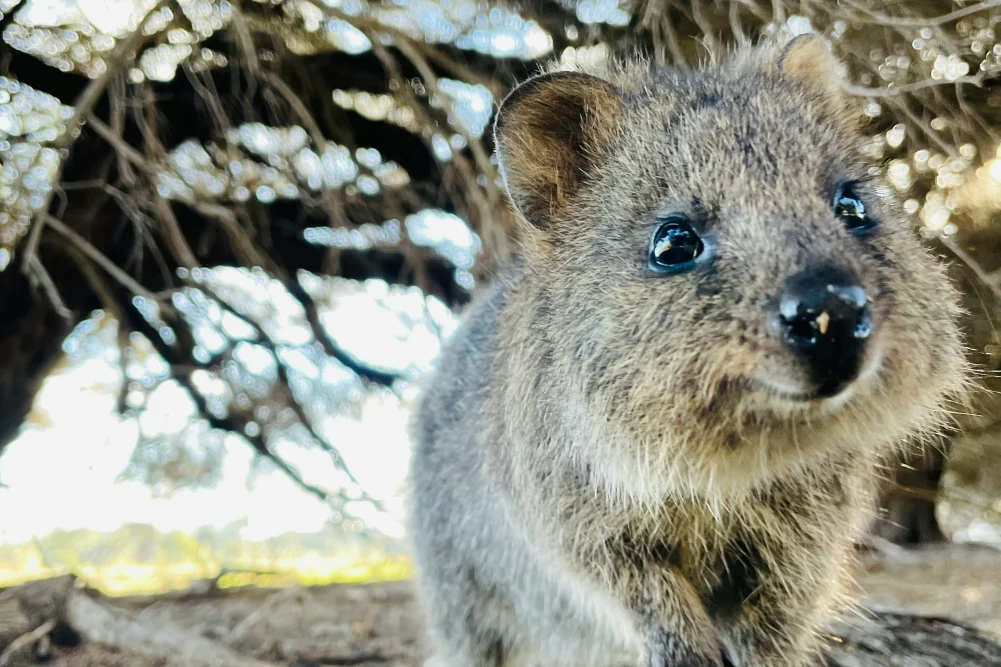
Western Australia’s tourism sector continues to be anchored by the dual appeal of Rottnest Island, known traditionally as Wadjemup, and the port city of Fremantle, or Walyalup. These locations, separated by a 19-kilometer stretch of the Indian Ocean, represent a complex intersection of ecological sensitivity, colonial history, and modern economic development. While Rottnest Island has evolved into an international destination synonymous with the quokka (Setonix brachyurus), its administrative body, the Rottnest Island Authority (RIA), faces the ongoing challenge of managing record visitor numbers while preserving the island’s fragile ecosystem and acknowledging its somber history as a site of Indigenous incarceration.
The Ecological Significance of the Quokka and Island Biodiversity
Rottnest Island serves as a critical sanctuary for the quokka, a small macropod that has seen its mainland population decimated by habitat loss and invasive predators such as foxes and cats. The island currently supports approximately 10,000 to 12,000 quokkas, representing nearly 80% of the world’s remaining population. Classified as "vulnerable" on the International Union for Conservation of Nature (IUCN) Red List, the species has become the central pillar of the island’s branding.
The "quokka selfie" phenomenon, which gained global momentum in 2017 after tennis professional Roger Federer published an image with the animal, has fundamentally altered the island’s visitor demographics. According to data from Tourism Western Australia, the reach of such celebrity endorsements has been instrumental in driving international arrivals. However, environmental scientists have raised concerns regarding the long-term impact of human interaction. While quokkas on Rottnest appear habituated to humans, the RIA strictly enforces regulations against feeding or touching the animals, with fines exceeding $300 to prevent nutritional imbalances and behavioral changes.
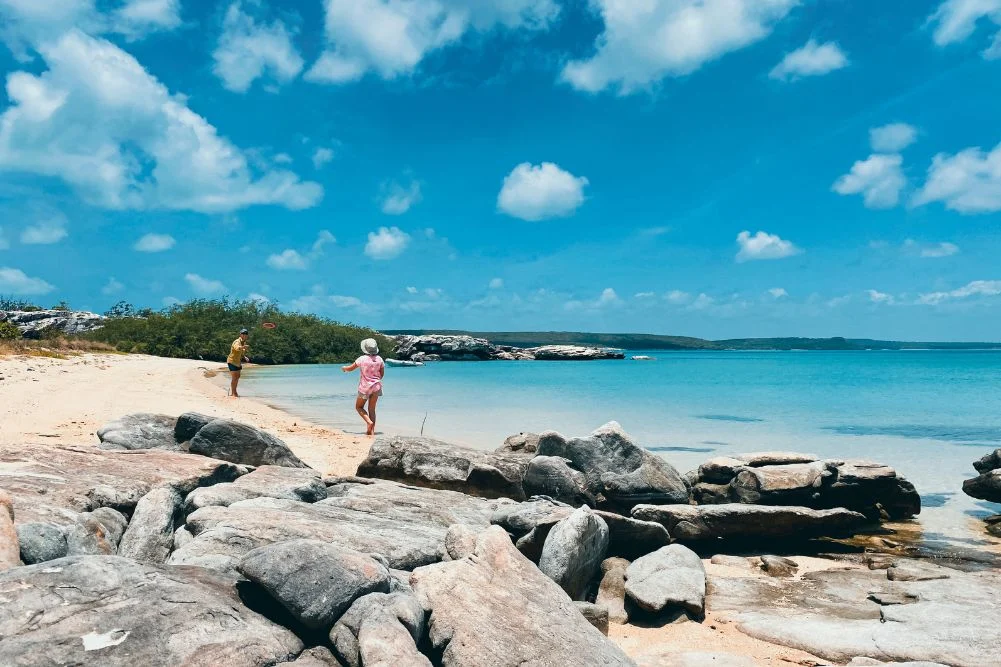
Beyond the quokka, the island’s marine environment is a biodiversity hotspot. The Leeuwin Current brings warm tropical waters southward, allowing for the growth of coral reefs at latitudes where they would typically not exist. This creates a unique habitat for over 400 species of fish and various marine mammals, including bottlenose dolphins and migrating humpback whales. The island’s interior is equally significant, featuring a series of permanent salt lakes that are recognized under the Underwood Convention as vital habitats for migratory shorebirds.
A Chronology of Wadjemup: From Ceremony to Incarceration
The historical narrative of Rottnest Island is divided into three distinct eras: its time as a Whadjuk Noongar ceremonial ground, its period as a brutal penal colony, and its current status as a premier tourist destination.
- Pre-Isolation (Prior to 6,500 years ago): Geological evidence indicates that Rottnest was connected to the mainland. During this period, the Noongar people utilized the land for spiritual ceremonies and resource gathering.
- European Discovery (1696): Dutch explorer Willem de Vlamingh landed on the island and, mistaking the quokkas for large rats, named the area "Rotte Nest" (Rat’s Nest).
- The Penal Era (1838–1904): Following British colonization, the island was repurposed as a prison for Aboriginal men and boys. Over 4,000 Indigenous people from across Western Australia were sent to the island, often for minor offenses or for resisting colonial expansion.
- Transition to Tourism (1917–Present): The island was declared a Class A Reserve in 1917, marking the beginning of its development as a recreational site. However, it was not until the late 20th and early 21st centuries that a concerted effort began to reconcile the island’s "playground" image with its history as a place of suffering.
The legacy of the penal era is physically manifest in the island’s architecture. The "Quod," originally built as a prison to house Aboriginal inmates in cramped, unsanitary conditions, was later used as tourist accommodation for decades—a practice that drew significant criticism from Indigenous advocates. In recent years, the Wadjemup Project has been established to lead the "Truth Telling" process, focusing on the appropriate memorialization of the burial ground near the Quod, which is the largest unmarked mass grave of Aboriginal people in Australia.
Infrastructure and Economic Impact
The economic vitality of Rottnest Island is maintained through a structured tourism model. Access is primarily controlled via ferry services departing from Fremantle, Hillarys Boat Harbour, and Perth City. Current pricing structures indicate a premium for the 25-to-90-minute transit, with adult return fares ranging from $84 to $124.
The island’s infrastructure is designed to discourage motorized private transport, favoring a "pedal-and-paddle" economy. Bike rentals are the primary mode of transit for the island’s 700,000+ annual visitors. This model supports a range of local businesses, from high-end hospitality venues like Samphire Rottnest, where room rates can exceed $300 per night, to budget-friendly campsites and the historical Quod (now closed for redevelopment into a museum and commemorative space).
The revenue generated from visitor entry fees (collected as part of the ferry ticket price) is reinvested into conservation and infrastructure. In the 2022-2023 fiscal period, these funds were critical in upgrading the island’s renewable energy grid. Rottnest currently generates approximately 45% of its power from a combination of wind and solar energy, with a long-term goal of reaching 90% to ensure sustainable operations in the face of climate change and rising fuel costs.
Fremantle: The Gateway and Cultural Counterpart
The city of Fremantle, situated at the mouth of the Swan River, serves as the primary gateway to Rottnest. Known as Walyalup to the Noongar people, Fremantle’s history is inextricably linked to that of the island. The same forced labor that built the infrastructure on Rottnest was used to construct many of Fremantle’s most iconic limestone buildings.
Fremantle’s modern economy has shifted from a heavy reliance on its industrial port to a diverse landscape of culture, education, and tourism. The city is home to the Western Australian Shipwreck Museum, which houses the remains of the Batavia, a Dutch East India Company ship wrecked in 1629. This facility, along with the Fremantle Prison (a UNESCO World Heritage site), provides a comprehensive look at the maritime and social history of the region.
The "Fremantle Doctor," a cooling afternoon sea breeze, is a defining climatic feature that makes the city a popular destination during the peak summer months. Local authorities have focused on "adaptive reuse" of historical assets to drive tourism. For instance, the Fremantle Prison now offers hostel accommodation, while 19th-century warehouses have been converted into microbreweries and boutique hotels like the Hougoumont, which utilizes repurposed shipping containers in its construction.
Official Responses and Future Strategic Planning
The Rottnest Island Authority’s "Wadjemup Management Plan 2023–28" outlines several key priorities aimed at balancing the island’s dual roles. Official statements from the RIA emphasize a commitment to "cultural healing" and "environmental resilience."
Key strategic objectives include:
- Decarbonization: Increasing the capacity of the wind turbine and solar farm to reduce reliance on desalinated water and diesel generators.
- Cultural Recognition: Finalizing the Wadjemup Burial Ground project to ensure the thousands of men and boys interred on the island are formally recognized and honored.
- Water Security: Addressing the impact of declining rainfall on the island’s freshwater lenses, which are vital for the quokka population during the dry summer months.
The state government has also signaled a move toward more inclusive tourism. In recent press briefings, Western Australian tourism officials noted that "modern travelers seek depth and authenticity," suggesting that the future of Rottnest Island lies not just in its beaches and wildlife, but in a transparent presentation of its entire history.
Broader Implications for Western Australian Tourism
The management of Rottnest and Fremantle serves as a microcosm for broader trends in global tourism. The tension between the "Instagrammable" appeal of the quokka and the somber reality of the island’s history reflects a growing demand for ethical travel.
As climate change leads to rising sea levels and more frequent heatwaves, the sustainability of island ecosystems becomes a matter of international concern. The RIA’s investment in renewable energy and water management provides a blueprint for other isolated tourist destinations. Furthermore, the integration of Indigenous history into the visitor experience in both Fremantle and Rottnest aligns with national efforts toward reconciliation in Australia.
In conclusion, while Rottnest Island remains a premier destination for leisure and natural beauty, its future success is predicated on its ability to manage its environmental "vulnerability" and its historical "truth." The synergy between the island’s natural assets and Fremantle’s cultural depth continues to position this region as a critical driver of Western Australia’s tourism economy, provided that growth does not come at the expense of the site’s profound cultural and ecological integrity.

 Anjar Salim
 Chandra Hamzah
 Gabriela Annisa
 Susilo Edi Turonggo
 Tatiana Tantri Indah Sari
 Hendra Ismail