Chandra Hamzah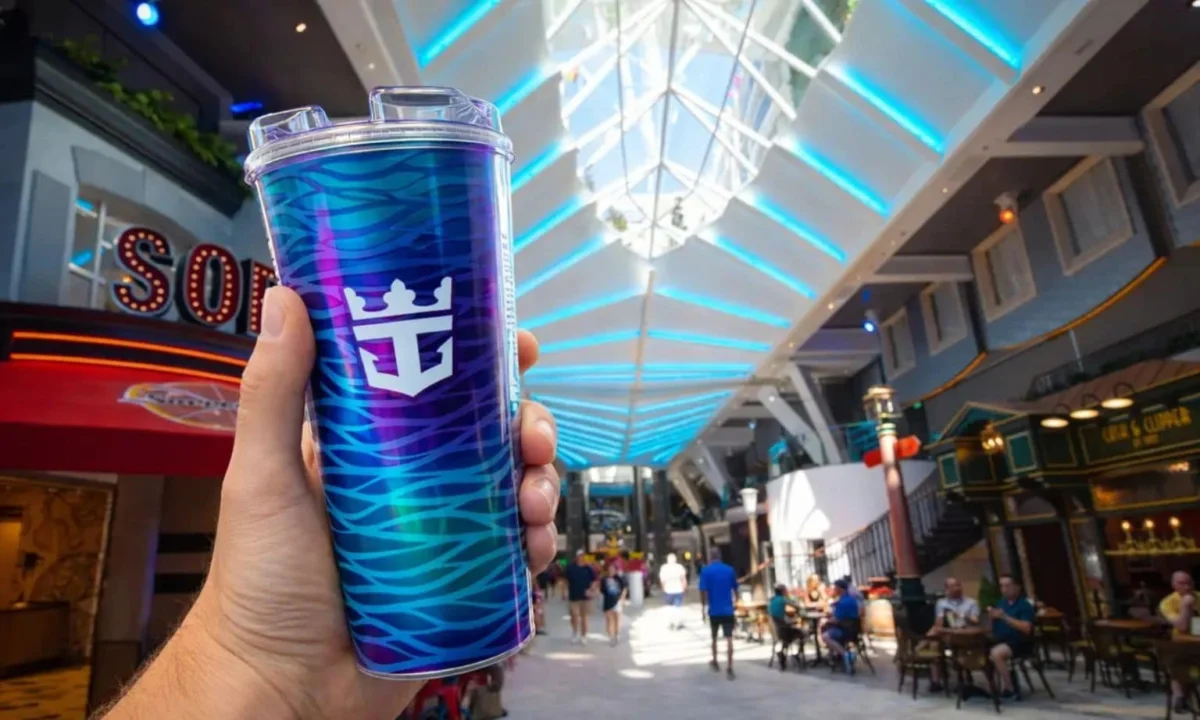
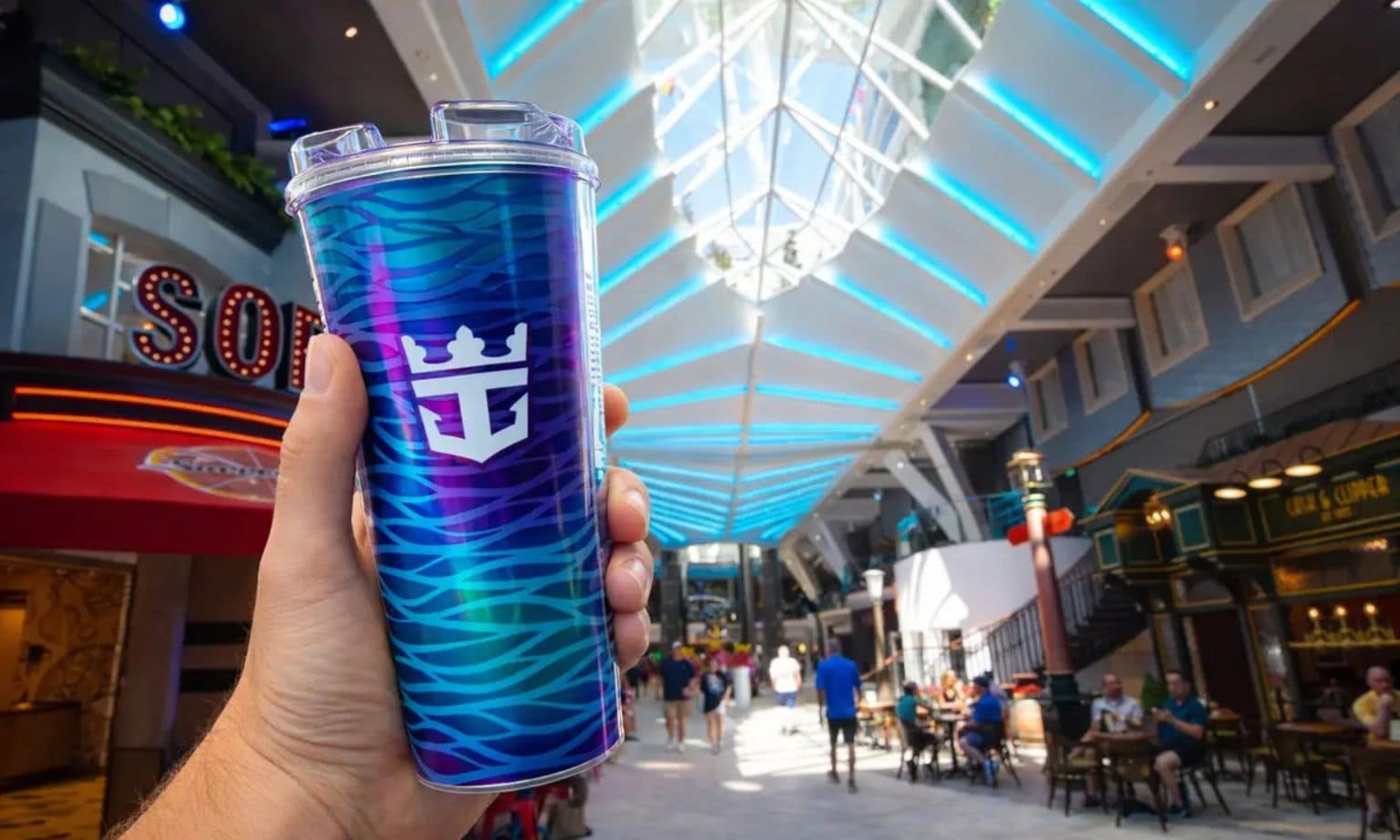
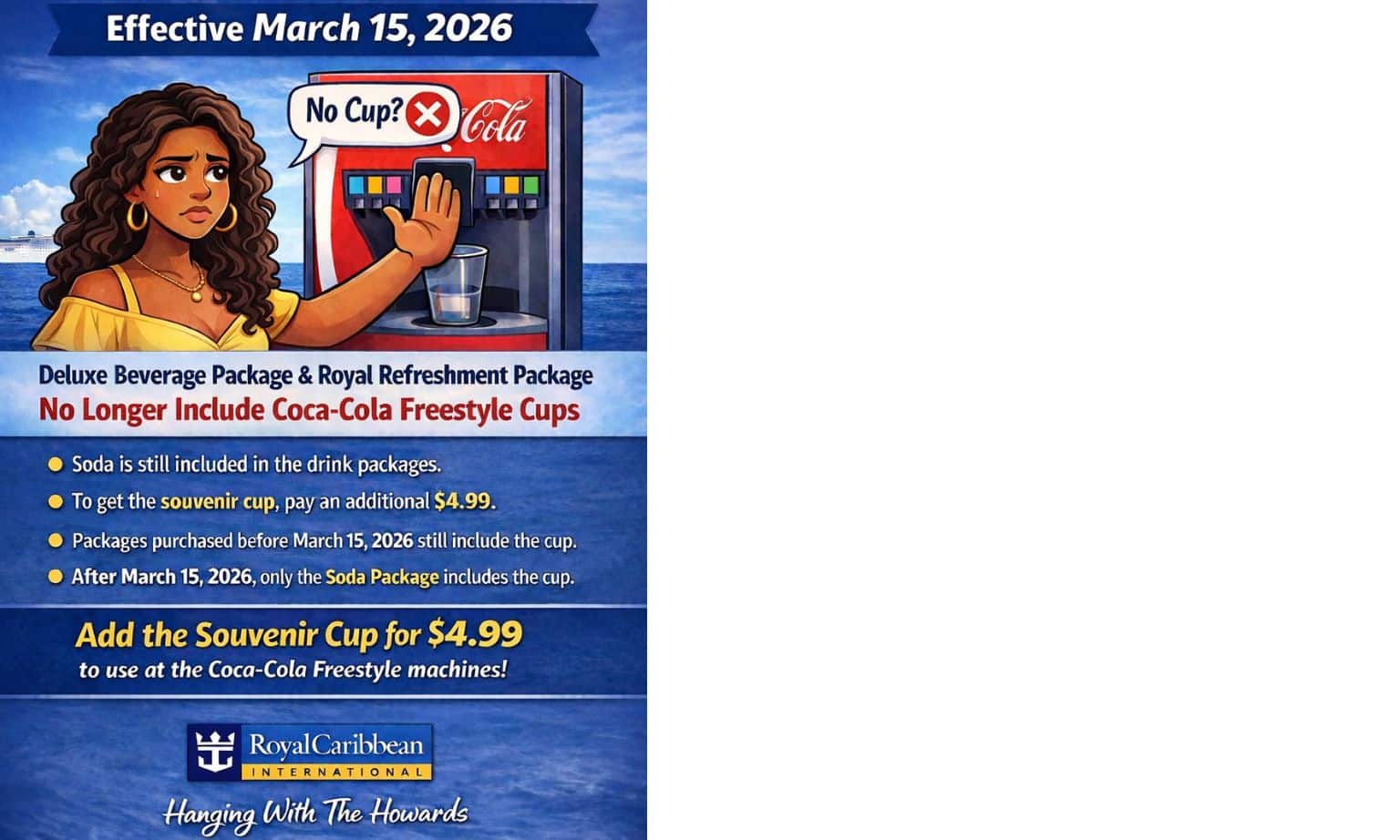
The decision by Royal Caribbean International to discontinue the inclusion of the Coca-Cola Freestyle cup with its deluxe beverage package marks a significant shift for the cruise line and has ignited a broader conversation among passengers about the perceived erosion of onboard perks and the evolving nature of the cruise experience. Previously, the premium beverage package, a popular add-on for many cruisers seeking unlimited access to a variety of drinks, encompassed the use of these technologically advanced soda fountains. The Coca-Cola Freestyle machines, which offer a vast array of customizable beverage options, were a novel and appealing feature, and the accompanying reusable cup was seen as an integral part of this offering. Now, passengers who wish to utilize these machines must purchase a cup separately for $5 USD onboard. While seemingly a minor adjustment, many passengers view this change as a symbolic indicator of a larger trend: a gradual reduction in value and a "nickel-and-diming" approach to onboard amenities, potentially diminishing the special allure of a cruise vacation.
The Coca-Cola Freestyle Cup: A Symbol of Evolving Cruise Value
The Coca-Cola Freestyle machines were introduced to cruise ships as a modern amenity, offering passengers a wider selection of beverages than traditional soda dispensers. These machines utilize a proprietary technology that allows for the mixing of over 100 different brands and flavor combinations, a stark contrast to the limited options previously available. The inclusion of the Freestyle cup within the deluxe beverage package amplified its value proposition. It allowed guests to seamlessly enjoy unlimited refills of their chosen beverages throughout their sailing, reinforcing the all-inclusive nature of the package.
The removal of this perk, however, has resonated deeply with a segment of the cruising public. For many, the perceived value of a cruise is not solely based on the itinerary or the destination, but also on the comprehensive experience offered onboard. This experience has historically been characterized by a certain level of luxury and an abundance of included amenities that differentiate it from other forms of travel. The Coca-Cola Freestyle cup, while a relatively small item, had become intertwined with the perception of this premium experience. Its removal, therefore, is interpreted by some as a deliberate step by the cruise line to unbundle services and generate additional revenue, even from seemingly minor components of a premium package.
A Post-Pandemic Trend: Examining the Broader Landscape of Cruise Perk Erosion
The removal of the Coca-Cola Freestyle cup from Royal Caribbean’s deluxe beverage package is not an isolated incident but rather appears to be part of a more extensive post-pandemic recalibration of onboard offerings across the cruise industry. While specific examples of cutbacks are often highlighted, the sentiment among a significant portion of cruisers suggests a more pervasive shift in service quality and value since the global health crisis. This shift is frequently characterized by a move away from what was once considered an "all-inclusive" or at least a very generous model, towards a more à la carte approach to onboard services.
Melissa Newman, a prominent cruise blogger, articulated this sentiment, stating, "They’ve been moving away from the all-inclusive model at exactly the wrong moment. My audience talks about this constantly. Cruising used to feel special and premium almost by default, but that perception is genuinely eroding." This observation reflects a widespread online discussion among travelers who feel that the overall cruising experience has become less special and more transactional.
Passenger Perspectives: Online Forums Reflect Growing Discontent
Online platforms, particularly Reddit, have become a hub for passengers to share their experiences and voice concerns about the perceived decline in cruise line services. Threads asking whether any cruise lines have managed to maintain their service quality in recent times often yield responses that highlight widespread dissatisfaction.
One Reddit user poignantly captured the prevailing sentiment: "I’ll answer your question with a question. Is there any segment of the hospitality and travel industry that hasn’t gone downhill lately? Covid gave a lot of companies the excuse to make changes in favor of profits over consumers and in a lot of places we’re now seeing ‘how much can we cut but still maintain profits?’” This perspective suggests that the pandemic provided a convenient justification for cruise lines to implement cost-saving measures that ultimately benefit their bottom line, often at the expense of the passenger experience.
Another user pointed out the economic realities driving these changes: "Given that cruises remain fully booked, it turns out we’ll put up with a lot before we stop buying the product. Cruises have historically been a rare touch of luxury available to the middle class. There really is no other alternative in that price range, so they can cut a lot before people give up on it. They might be nearing a tipping point though." This comment highlights the unique position of the cruise industry, which offers a relatively accessible form of luxury travel. The high demand, even with perceived service reductions, allows cruise lines to absorb some level of passenger dissatisfaction. However, there is a recognition that this tolerance may not be infinite, and a "tipping point" could be reached where passengers begin to seek alternatives or reduce their cruise frequency.
The issue of staffing levels has also emerged as a critical concern. A user stated, "It’s well past time for the cruise industry to rebuild its staffing levels. With fares and add-on costs far from minimal, these companies are more than capable of hiring the personnel needed to elevate the customer experience. What we’re seeing instead is corporate and CEO greed and as consumers, we must stop excusing and rationalizing it. When we’re paying premium rates, we should expect and demand premium service." This sentiment underscores the belief that the current service levels are a direct result of corporate decisions prioritizing profit over customer satisfaction, rather than genuine operational constraints.
Cross-Line Observations: Reports of Diminished Quality
These concerns are not confined to a single cruise line but appear to be a recurring theme across various operators. Passengers have reported similar experiences on different lines, indicating a systemic issue within the industry.
One traveler shared their recent experience on the Norwegian Star: "We just got off the Norwegian Star yesterday and had the same experience that you did. The food was not good, we never saw our room steward, and the staff all seemed apathetic. They were very likely stretched thin and exhausted. We will be trying Holland America in May and hope to have a better experience." This account illustrates a decline in food quality, reduced staff visibility and attentiveness, and an overall sense of fatigue among the crew, suggesting that understaffing and increased workloads are impacting service delivery.
Another passenger detailed their observations on Carnival and NCL, highlighting a significant drop in food quality: "The food quality with Carnival and NCL has gone down significantly. Lobster night is gone. The up charge for a better steak is ridiculous. The steak you get for free is one step above grizzle. The desserts are meh as are the buffets. Service in the MDR is beyond slow and the food, once you finally get it, is cold." This user further elaborated on the operational changes affecting service: "There used to be bar servers that worked the dining room. Now, it’s a food server’s responsibility in addition to their other responsibilities. It’s quicker to get up, go to the closest bar and bring your drink with you. The poor room stewards who used to have assistants now have double the rooms and no help. They also have other responsibilities when they’re not cleaning. All the stewards we’ve had have been very sweet and polite but you can tell they’re tired.” These specific examples point to the elimination of formerly standard premium offerings like lobster night, increased surcharges for what were once complimentary upgrades, and a noticeable degradation in the quality of standard fare. The redistribution of responsibilities among staff, such as bar service being absorbed by food servers, and the increased workload for room stewards, are cited as direct contributors to slower service and a less attentive experience.
Analyzing the Implications: The Shifting Value Proposition of Cruising
The trend of removing perceived perks and the subsequent passenger dissatisfaction raise important questions about the future of the cruise industry’s value proposition. Historically, cruising has offered a compelling blend of affordability, convenience, and a touch of luxury, making it an attractive vacation option for a broad demographic. However, as cruise lines increasingly unbundle services and introduce additional charges, the perceived value may begin to diminish.
From an industry perspective, the drive for increased profitability is understandable, especially in the wake of significant financial challenges faced during the pandemic. However, the strategy of reducing perceived value while maintaining or increasing prices can be a precarious one. While demand may remain high in the short term due to limited alternatives, sustained erosion of the "specialness" associated with cruising could lead to long-term consequences. This could include a decline in customer loyalty, a shift in consumer perception towards cruises being less of a premium experience and more of a budget-conscious option, or a greater emphasis on value-for-money from competitors in the travel sector.
The increasing reliance on add-on packages and the unbundling of services can create a complex pricing structure that may alienate some travelers, particularly those who are not frequent cruisers or who do not fully understand the intricacies of these packages. The removal of an item like the Coca-Cola Freestyle cup, while seemingly minor, can serve as a tangible reminder to passengers that their investment in a premium package does not necessarily guarantee the comprehensive experience they might have anticipated.
The Path Forward: Balancing Profitability with Passenger Expectations
The current discourse surrounding cruise perks suggests a critical juncture for the industry. Cruise lines face the challenge of balancing their financial objectives with the imperative of maintaining passenger satisfaction and loyalty. This may involve a strategic re-evaluation of how value is communicated and delivered to guests.
Several potential strategies could be considered:
- Enhanced Transparency: Clearer communication about what is included in various packages and what incurs additional costs could help manage passenger expectations and reduce potential disappointment.
- Strategic Reintroduction of Perks: Cruise lines could consider selectively reintroducing popular perks or creating new, innovative amenities that enhance the overall experience without significantly impacting profitability.
- Focus on Service Excellence: Investing in staff training and ensuring adequate staffing levels are crucial for delivering the high-quality service that many passengers expect, especially when paying premium prices.
- Data-Driven Decision Making: Utilizing passenger feedback and data analytics to understand which perks are most valued and how their removal impacts satisfaction can inform future decisions.
Ultimately, the longevity and success of the cruise industry will depend on its ability to adapt to evolving consumer expectations while remaining financially viable. The conversation sparked by the removal of the Coca-Cola Freestyle cup from Royal Caribbean’s deluxe beverage package is a clear indication that passengers are paying attention to the details, and the perceived value of their cruise vacation is a crucial factor in their decision-making. The industry must find a way to navigate this landscape, ensuring that the "wonder of cruising" is not diminished by a continuous stream of cutbacks and additional charges.
The question remains: how will cruise lines respond to this growing sentiment? Will they continue on the current trajectory, or will they heed the calls for a return to a more generous and value-driven onboard experience? The coming years will likely reveal the answer, shaping the future of luxury travel at sea.



 Walid Sujud Trenggono
 Budi Mulyono
 Anjar Salim