
 Budi Mulyono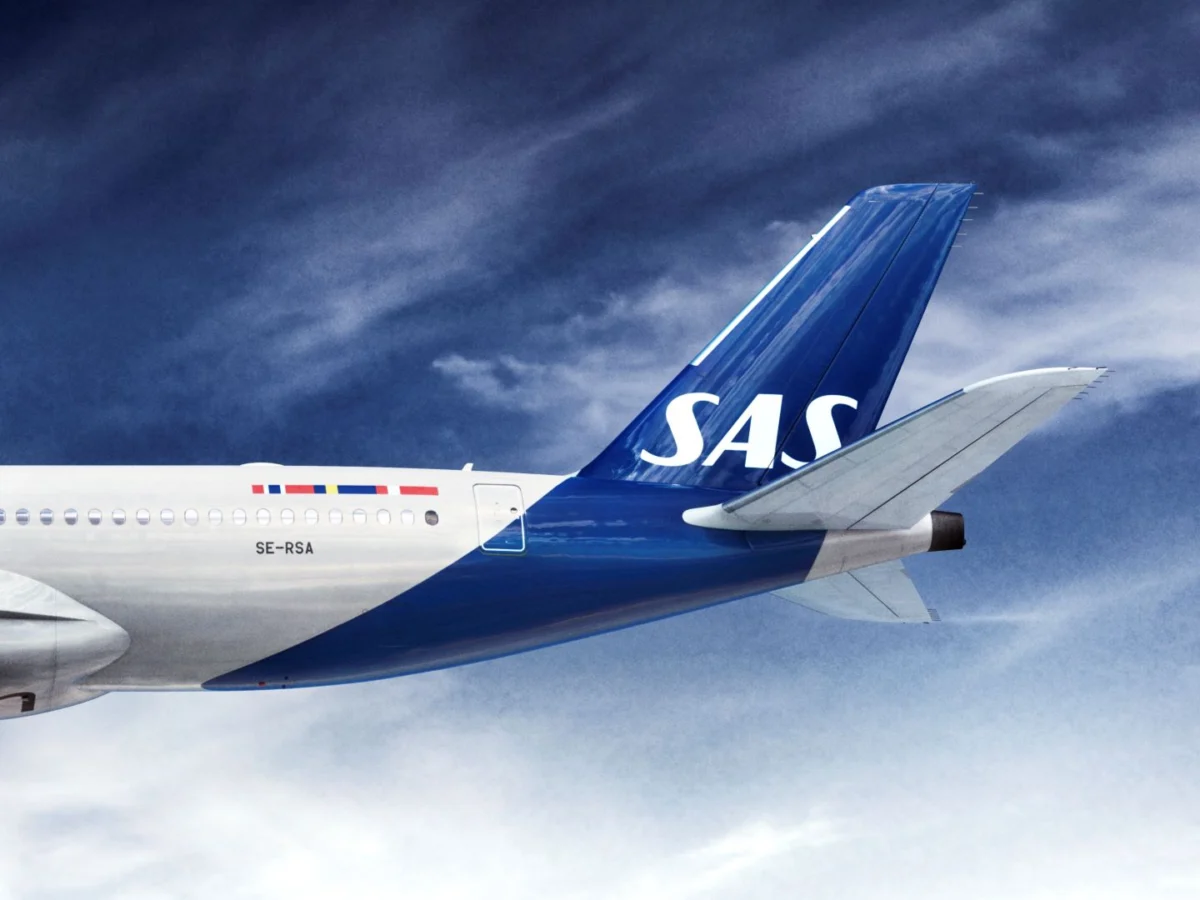
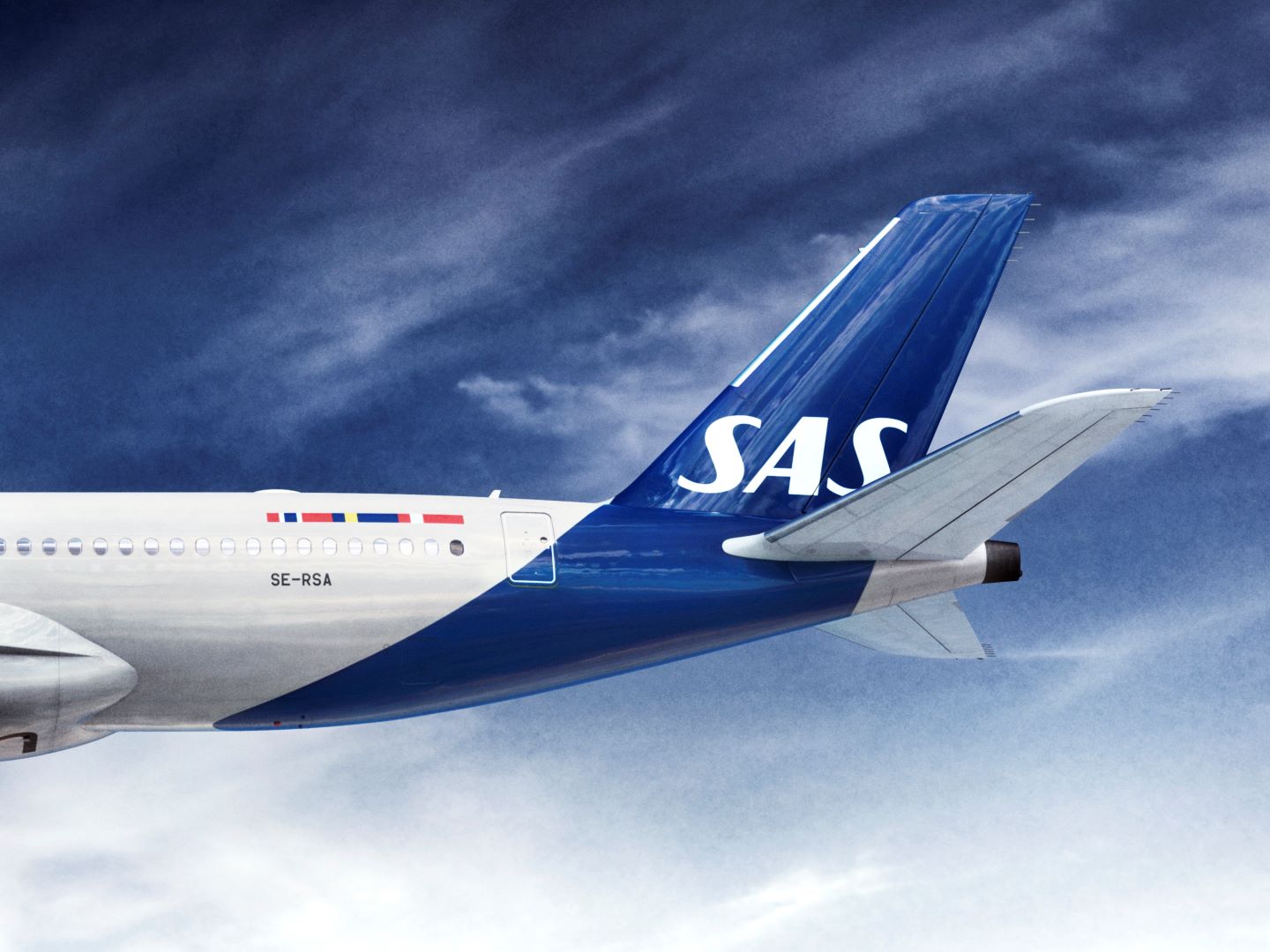
Scandinavian Airlines (SAS) has officially commenced the rollout of Starlink’s high-speed, low-latency satellite internet across its fleet, marking a transformative moment for the European aviation industry. The initiative, which began its live implementation on March 24, 2026, aims to provide passengers with "gate-to-gate" connectivity that mirrors the speed and reliability of ground-based fiber-optic networks. This deployment follows a multi-year strategic overhaul of the airline’s digital infrastructure and represents a core pillar of its broader competitive strategy within the SkyTeam alliance.
By integrating SpaceX’s Starlink technology, SAS becomes the first major European carrier to offer this specific LEO (Low-Earth Orbit) satellite solution on the Airbus A320 family, the workhorse of its short- and medium-haul operations. The move is designed to eliminate the traditional frustrations of in-flight connectivity, such as high latency, frequent disconnections, and insufficient bandwidth for data-intensive tasks.
Technical Specifications and Performance Benchmarks
The transition to Starlink represents a significant leap in technical capability compared to traditional geostationary (GEO) satellite systems. Traditional in-flight Wi-Fi often relies on satellites positioned approximately 35,000 kilometers above the Earth, resulting in high latency—often exceeding 600 milliseconds—due to the distance the signal must travel. In contrast, Starlink’s constellation operates in Low-Earth Orbit at an altitude of approximately 550 kilometers.
This proximity allows for latency as low as 20 to 40 milliseconds, providing a user experience indistinguishable from home or office broadband. According to SAS technical data, the new system delivers download speeds of up to 500+ Mbps per aircraft. This shared bandwidth is sufficient to allow hundreds of passengers to simultaneously stream high-definition video, participate in live video conferences, play online games, or access large cloud-based work files without performance degradation.
The Starlink hardware utilized by SAS includes an electronically steered antenna (ESA) mounted on the fuselage. Unlike older mechanical antennas that required physical movement to track satellites, the ESA uses software-defined beams to maintain a constant connection with multiple satellites simultaneously. This ensures seamless handovers as the aircraft moves across different satellite coverage cells, a feature particularly critical for SAS given its extensive network over the high latitudes of Northern Europe.
Strategic Partnership with Telecom Provider 3
Coinciding with the technical launch, SAS has entered into a commercial partnership with the telecommunications provider 3 (Tre). This collaboration is designed to integrate cellular loyalty with aviation services. Starting March 24, EuroBonus members—SAS’s frequent flyer community—gain complimentary access to the Starlink service, provided they are also customers of 3 or meet specific membership tier requirements.
This partnership serves a dual purpose: it incentivizes enrollment in the EuroBonus program while providing 3 with a high-value platform for customer retention. For SAS, the collaboration offsets the operational costs of providing high-speed internet by leveraging the marketing and commercial reach of a major telecom player. Executives from both companies have indicated that this is the first phase of a broader agreement, with future iterations expected to include roaming benefits and integrated digital services that extend beyond the cabin.
Chronology of the Starlink Integration
The journey toward fleet-wide high-speed connectivity has been a multi-stage process for SAS, beginning with a strategic pivot in early 2025.
- January 2025: SAS officially announces its intention to partner with SpaceX to bring Starlink to its fleet. The announcement comes during a period of corporate restructuring as the airline prepares to exit Chapter 11 proceedings and transition from the Star Alliance to SkyTeam.
- January 2026: A critical milestone is reached with a demonstration flight conducted at northern latitudes. The test flight serves to prove the system’s reliability in the Arctic regions, where traditional satellite coverage has historically been spotty or non-existent. The test demonstrates that Starlink’s polar-orbiting satellites provide uninterrupted 500 Mbps service even near the North Pole.
- March 24, 2026: The official commercial rollout begins. The first wave of Starlink-equipped Airbus A320 aircraft enters scheduled service, primarily on high-traffic Scandinavian and European routes.
- Summer 2026 (Projected): SAS expects a significant portion of its narrow-body fleet to be equipped with the necessary hardware before the peak summer travel season, ensuring that a majority of holiday travelers can utilize the service.
- Late 2026/Early 2027: The airline plans to expand installations to its long-haul wide-body fleet and regional jets, pending further regulatory certifications for those specific airframes.
Operational and Commercial Implications
The decision to prioritize the Airbus A320 fleet for the initial rollout is a calculated move. The A320 is the backbone of SAS’s short-haul network, serving business travelers who demand high productivity. By offering high-speed Wi-Fi on these routes, SAS aims to capture a larger share of the corporate travel market, where the ability to work effectively in the air is a primary factor in carrier selection.
From an operational standpoint, the "gate-to-gate" capability is a major differentiator. While many legacy systems only function above 10,000 feet, Starlink is designed to operate throughout the entire duration of the flight, including taxiing, takeoff, and landing. This provides a continuous digital experience for the passenger and opens new avenues for SAS to digitize its own cabin operations.
The airline views this connectivity as the foundation for a "new generation" of onboard services. This includes real-time updates for connecting flights, digital concierge services, and more sophisticated inflight entertainment (IFE) options that move away from stored content toward live streaming and interactive media.
Official Statements and Industry Context
Paul Verhagen, Executive Vice President and Chief Commercial Officer at SAS, emphasized the necessity of high-speed internet in the modern travel landscape. "Connectivity has become a natural part of everyday life, including when traveling," Verhagen stated. "With this launch, we are taking a major step toward offering our customers a more flexible, productive, and enjoyable time on board. Whether they want to work, create, play, or stay in touch, this solution brings the onboard experience closer to how people live today."
The aviation industry is currently witnessing a "connectivity arms race." Major global carriers like United Airlines, Qatar Airways, and Delta Air Lines have all made significant investments in next-generation Wi-Fi. United recently announced a massive deal with Starlink to equip its entire fleet, while Delta has successfully implemented free Viasat-powered Wi-Fi across much of its domestic network.
In Europe, the market has been more fragmented. Low-cost carriers like Ryanair have historically avoided the weight and cost of Wi-Fi hardware, while full-service carriers like Lufthansa and Air France have offered tiered, often expensive, satellite services. By moving toward a free-to-member, high-speed model powered by Starlink, SAS is positioning itself as a technology leader in the European sector.
Broader Impact on the Passenger Experience
The enrichment of the passenger experience through LEO satellite technology extends beyond mere speed. The high bandwidth allows for "device-agnostic" connectivity, meaning passengers can use smartphones, tablets, and laptops simultaneously without the "choke points" common in older systems.
For business travelers, the low latency enables the use of Virtual Private Networks (VPNs) and cloud-based collaboration tools like Microsoft Teams, Slack, and Zoom, which were previously unreliable or unusable on most flights. For leisure travelers, the ability to access personal streaming accounts (such as Netflix, Disney+, or YouTube) reduces the airline’s need to invest in expensive and heavy seatback entertainment hardware on shorter routes.
Furthermore, the consistency of the Starlink network across remote regions is a game-changer for SAS’s specific geography. Flights over the North Sea, the Norwegian mountains, and the northernmost reaches of Sweden and Finland have traditionally suffered from "dead zones." Starlink’s dense satellite constellation ensures that these geographical barriers no longer impede digital access.
Future Outlook and Regulatory Landscape
As SAS continues the rollout, the focus will shift toward securing supplemental type certificates (STCs) for its other aircraft types, including the Airbus A350 and the Embraer and CRJ regional jets operated by SAS Link and SAS Connect. While the A320 rollout is the immediate priority, the airline’s goal is a unified connectivity experience across every seat in its network.
Regulatory approvals remain a critical component of the timeline. While the European Union Aviation Safety Agency (EASA) has been proactive in certifying LEO hardware, each aircraft type requires specific engineering validation to ensure the antenna installation does not interfere with flight systems or aerodynamics.
The long-term success of this initiative will likely be measured by its impact on SAS’s passenger load factors and its ability to compete with both low-cost rivals and other premium European carriers. As digital expectations continue to rise, SAS’s early adoption of Starlink technology provides a robust foundation for its post-restructuring era, signaling a commitment to innovation and customer-centric service in a rapidly evolving industry.




 Anjar Salim
 Chandra Hamzah

 Tatiana Tantri Indah Sari