
 Walid Sujud Trenggono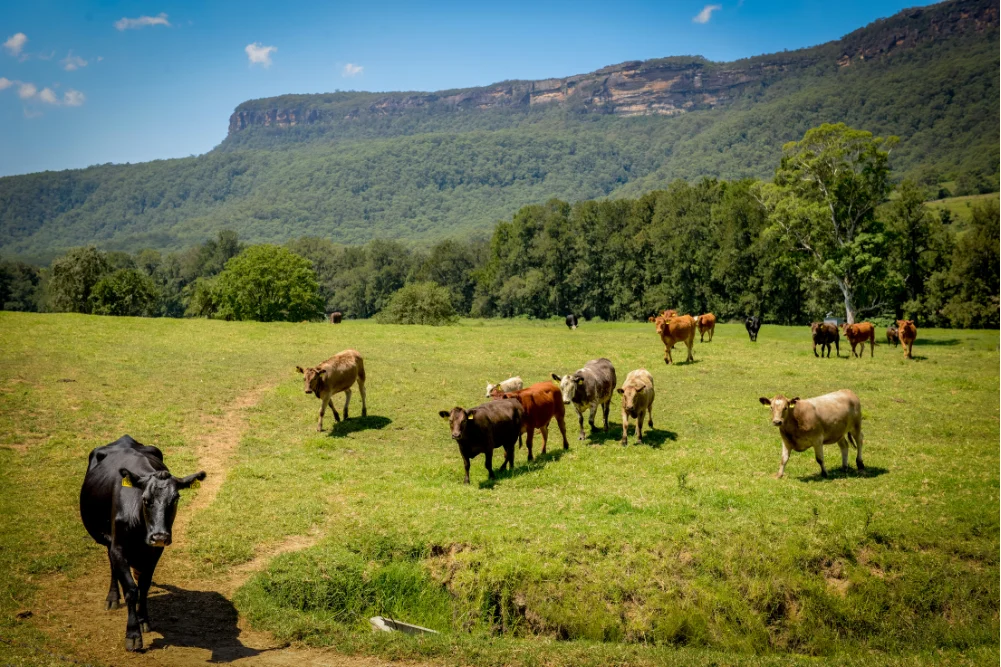
The Shoalhaven region of New South Wales has solidified its position as a premier destination for wellness-focused travel, leveraging its unique geography of 100 beaches and a landscape comprised of 70 percent national parks and forests. Located approximately two hours south of Sydney and two-and-a-half hours from Canberra, the region is witnessing a strategic shift toward "slow tourism," an industry trend emphasizing deep connection, physical restoration, and environmental appreciation. Recent developments in the townships of Milton and Kangaroo Valley, alongside the cultural evolution of the Bundanon estate, underscore a broader regional movement to integrate health, sustainability, and Indigenous heritage into the visitor economy.
A Strategic Hub for Holistic Health: The Milton Corridor
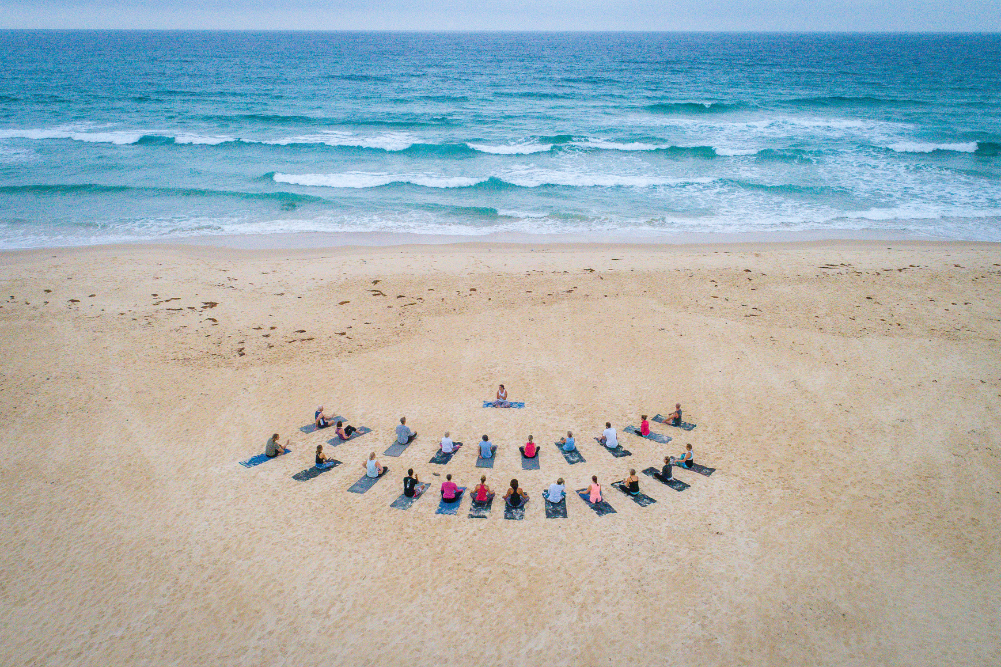
The township of Milton has emerged as a critical entry point for the Shoalhaven’s wellness sector, blending historical country charm with modern therapeutic facilities. A significant addition to this landscape is The Heal Zone, which opened in December 2024. Situated overlooking Conjola National Park, the facility represents a growing trend in "recovery tourism," where visitors seek professional guidance in movement, mobility, and nervous system regulation.
The Heal Zone’s operational model, led by founders Madi and Nic, integrates diverse modalities including yoga-informed mobility, breathwork, and thermal therapy. According to industry observations, the inclusion of cold plunges and saunas reflects a global surge in interest regarding contrast therapy for inflammation and stress management. The facility’s focus on grounding exercises and fluidity of movement is designed to address the physical tolls of urban sedentary lifestyles, positioning the Shoalhaven as a functional retreat for the Sydney and Canberra metropolitan workforces.
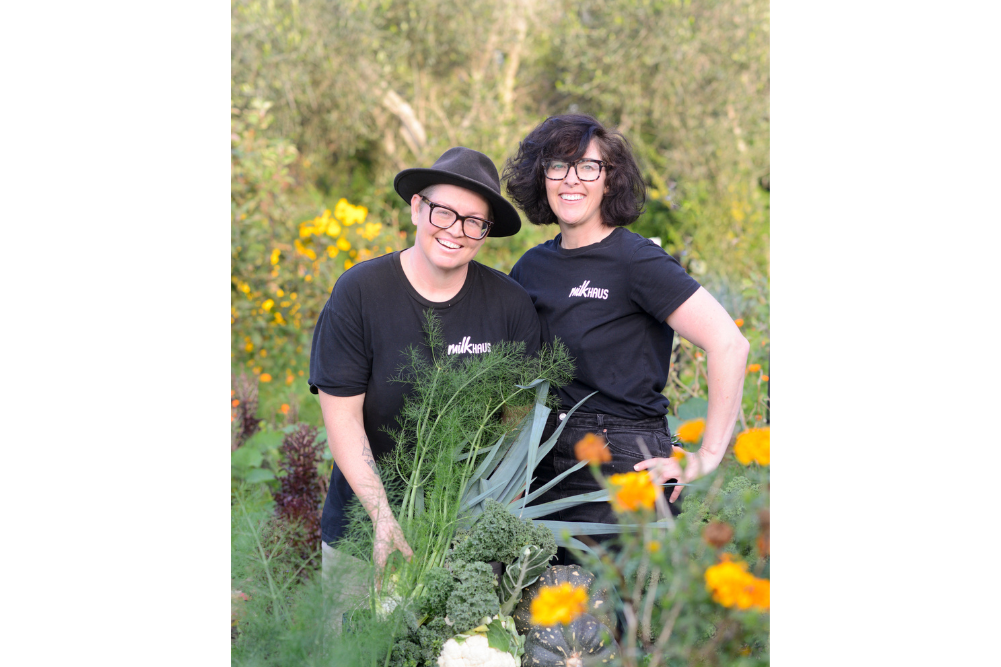
Complementing the physical recovery sector is the region’s robust farm-to-table culinary industry. Milkhaus, a destination cafe in Milton, exemplifies the circular economy model. The establishment operates on a rigorous nine-month planning cycle that aligns menu development with on-site agricultural cycles. Currently, 80 percent of the produce served at Milkhaus is grown on-site, with the remainder sourced from local suppliers. This commitment to hyper-local sourcing not only reduces the carbon footprint of the hospitality sector but also ensures high nutrient density in the offerings, a key requirement for the wellness-conscious demographic.
Ecological Stewardship and Mindful Recreation in Kangaroo Valley
The tourism trajectory continues westward into Kangaroo Valley, where the focus shifts toward low-impact, mindful recreation. The Tallowa Dam, nestled within the Morton National Park, serves as a sanctuary for non-motorized water activities. This exclusion of motorboats preserves the acoustic environment, allowing for what ecological experts term "sensory restoration."
Local operators, such as Valley Outdoors, have integrated mindfulness into traditional outdoor pursuits. The "mindful canoeing" experience focuses on sensory engagement—tuning into avian life and local flora—rather than physical exertion or distance. This approach aligns with "Forest Bathing" (Shinrin-yoku) principles, which have been scientifically linked to reduced cortisol levels and improved immune function.
The inclusion of Indigenous perspectives is a vital component of this ecological engagement. Guides provide insights into the area’s birdlife and the thousands of years of Indigenous stewardship, fostering a deeper historical consciousness among visitors. This integration of Traditional Owner knowledge is increasingly recognized as a cornerstone of sustainable tourism in Australia, providing visitors with a sense of place that transcends mere aesthetic appreciation.
The Artisanal Economy and Boutique Hospitality
The Shoalhaven’s economic diversification is further evidenced by the flourishing of artisanal workshops and boutique accommodations. Wildes Boutique Hotel in Kangaroo Valley represents the premiumization of regional stays, offering self-contained studio spaces that encourage longer durations of stay—a key metric for regional economic growth.
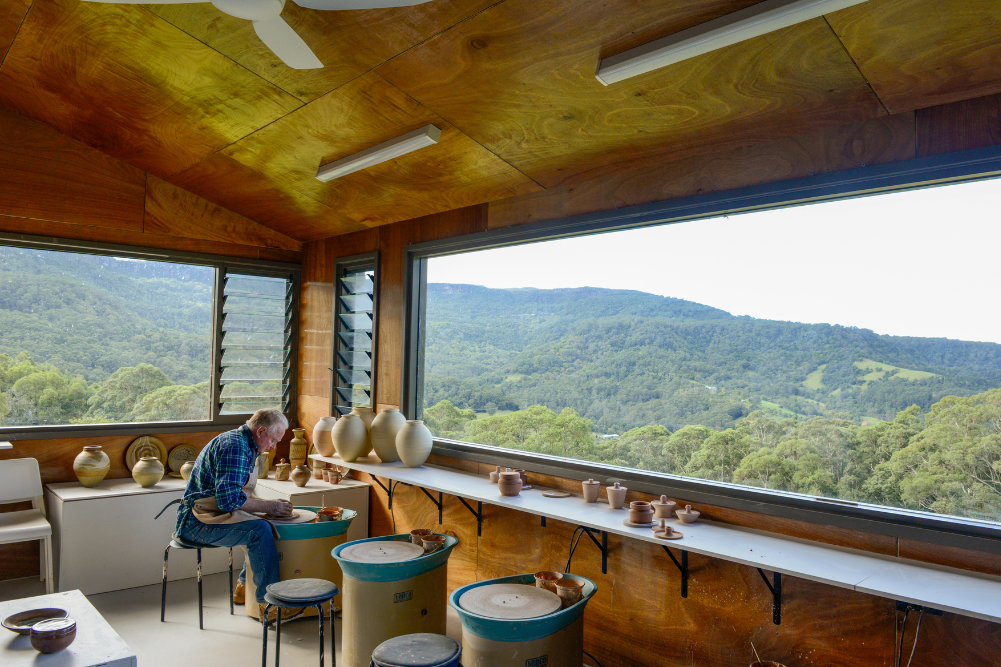
The creative economy is anchored by figures such as David Collins, whose purpose-built pottery studio offers immersive workshops. These sessions emphasize the "flow state"—a psychological condition of deep focus and creativity. The popularity of such tactile, hands-on experiences reflects a post-digital desire for physical craft and mementos that hold personal narrative value.
Additionally, the local food economy is supported by entities like The General Cafe, which focuses on house-fermented provisions and traditional sourdough production. These businesses serve as essential infrastructure for the "picnic economy," allowing visitors to engage with local produce in a decentralized manner across the region’s many natural parks.
Bundanon: The Convergence of Art, History, and Country
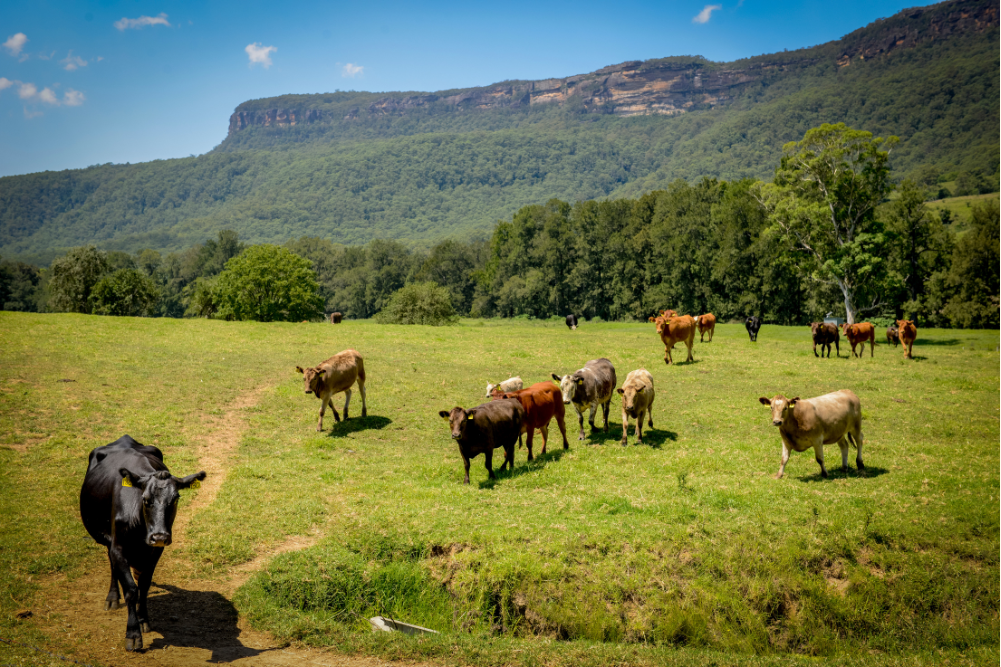
The cultural pinnacle of the Shoalhaven wellness circuit is Bundanon, the former home and studio of renowned artist Arthur Boyd and his wife Yvonne. Gifted to the Australian people in 1993, the 1,000-hectare property has been transformed into a world-class cultural retreat. The recent opening of the Art Museum and Bridge for Creative Learning—a multi-million dollar climate-resilient structure—has elevated Bundanon’s status as a national landmark.
Bundanon’s programming increasingly emphasizes the intersection of art and Indigenous culture. The "Culture and Creation" series, featuring artists such as Aunty Cheryl Davison (a Walbunja/Ngarigo woman), provides a platform for storytelling, printmaking, and weaving. These programs are not merely educational; they are designed to connect the audience to Country through the lens of continuous tradition. The presence of the Ramox Cafe on-site ensures that the cultural experience is paired with high-quality regional gastronomy, creating a holistic environment for reflection and education.
Data and Regional Impact Analysis
The growth of wellness tourism in the Shoalhaven is supported by broader tourism trends within New South Wales. According to data from Tourism Research Australia (TRA), the South Coast region has seen a steady recovery in domestic overnight travel. Key performance indicators suggest that visitors are increasingly prioritizing "nature-based" and "wellness" activities, with the Shoalhaven City Council actively promoting the "Wellness Way" initiative to capitalize on this demand.
Economic Impact Summary:
- Employment: The expansion of wellness facilities like The Heal Zone and cultural centers like Bundanon has increased demand for skilled labor in the health, hospitality, and arts sectors.
- Length of Stay: The shift from day-tripping to multi-day "immersion" stays in Kangaroo Valley and Milton has led to higher average spend per visitor.
- Sustainability: The focus on 70 percent national park coverage ensures that the tourism product remains protected from over-development, maintaining the region’s "pristine" market positioning.
The Shoalhaven’s ability to offer a diverse range of restorative activities—from high-intensity contrast therapy to silent canoeing and artistic creation—creates a resilient tourism ecosystem. By catering to the psychological and physical needs of the modern traveler, the region has moved beyond the traditional "sun and sand" model to become a sophisticated hub for holistic health.
Broader Implications for Regional Tourism
The Shoalhaven model provides a blueprint for other regional Australian hubs seeking to transition toward high-value, low-impact tourism. The integration of the following four pillars is central to its success:
- Natural Asset Protection: Utilizing national parks as "wellness infrastructure."
- Cultural Authenticity: Elevating Indigenous voices and artistic legacies as primary attractions.
- Local Supply Chains: Ensuring the "farm-to-table" philosophy supports local growers and reduces environmental impact.
- Specialized Expertise: Supporting small business owners who provide niche health and craft services.
As life’s demands continue to increase in urban centers, the necessity of carving out time for rest and reconnection becomes a health imperative rather than a luxury. The Shoalhaven region, with its rolling hills, lush forests, and commitment to stillness, provides the essential backdrop for this restoration. The ongoing investment in both infrastructure and programming suggests that the Shoalhaven will remain a vital component of the Australian wellness landscape for the foreseeable future, inviting visitors to return not just for the scenery, but for the profound sense of calm that the region facilitates.
For further information on regional offerings and wellness itineraries, the official Shoalhaven wellness portal provides comprehensive resources for planning sustainable and restorative travel.



 Anjar Salim
 Chandra Hamzah
 Gabriela Annisa
 Tatiana Tantri Indah Sari
 Hendra Ismail