
 Lukman Taruna Persada Ramadan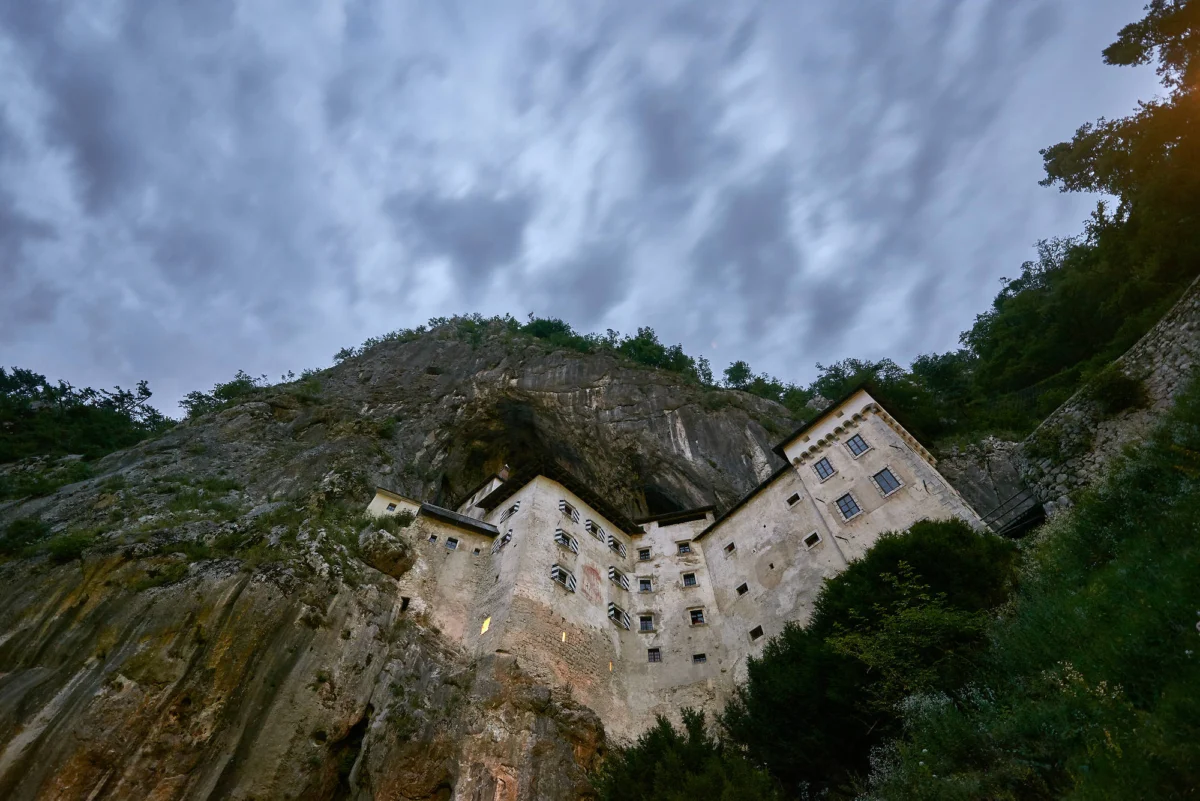
Slovenia, a nation celebrated for its remarkable diversity and commitment to sustainable tourism, offers an array of experiences that stand out globally. From the dramatic vistas of its Julian Alps to the hidden wonders of its extensive underground networks, the country presents journeys that are, in many respects, unique on the world stage. This compact European gem seamlessly blends natural beauty with rich cultural and historical heritage, allowing visitors to traverse distinct geographical and experiential zones within remarkably short distances. The emphasis on preserving both its natural landscapes and centuries-old traditions ensures that each encounter is not just memorable, but often singular.
Europe’s Largest Shepherds’ Settlement: Velika Planina
Perched high in the Kamnik-Savinja Alps, Velika Planina stands as Europe’s largest surviving shepherds’ settlement, a living museum of traditional Alpine pastoralism. This sprawling mountain plateau, accessible by cable car from Kamniška Bistrica or via scenic hiking trails, transforms into a vibrant hub each spring. At the end of May or early June, the ancient ritual of transhumance comes alive as herdsmen, or "pastirji," guide their cattle to the lush pastures. The air fills with the melodic clang of cowbells, signaling the start of the summer grazing season, a tradition meticulously maintained for centuries.
The plateau is dotted with distinct, oval-shaped wooden huts, known as "Preskar huts," characterized by their low, shingle-covered roofs that nearly touch the ground. These unique architectural marvels are designed to withstand harsh mountain winters and serve as both shelter for the shepherds and dairies for cheese production. Visitors can explore these ethnographic treasures, sample traditional dairy products like "trnič" cheese – a pear-shaped cheese often adorned with intricate patterns – and witness the daily life of the shepherds. The area is not only a cultural heritage site but also a natural sanctuary, boasting diverse flora, including various Alpine wildflowers. Hiking and walking trails crisscross the plateau, offering panoramic views of the surrounding peaks, including Mount Grintovec, the highest peak in the Kamnik-Savinja Alps, creating an immersive experience in Slovenia’s rich ethnological and natural heritage. The Velika Planina project is a testament to Slovenia’s dedication to preserving its cultural landscapes and offering authentic, sustainable tourism experiences.
Predjama Castle: The World’s Largest Cave Castle
Nestled dramatically within the mouth of a towering cliff in Inner Carniola, Predjama Castle presents an architectural marvel unlike any other medieval fortress globally. Its integration into a natural cave system, high above the Lokva River, earned it the Guinness World Record for the largest cave castle. First mentioned in historical records in 1274, the castle’s current Renaissance appearance dates back to the 16th century, built after its predecessor was destroyed.

The castle’s most famous resident was Erazem of Predjama (Erasmus of Lueg), a 15th-century knight and robber baron whose legend is deeply interwoven with the fortress. Erazem, known for his defiance against the Habsburgs, used the castle’s seemingly impregnable position and a secret network of tunnels through the cave system to evade a year-long siege. These hidden passages allowed him to resupply the castle and even conduct raids, baffling his besiegers. The castle’s design is a testament to medieval ingenuity, utilizing the natural cave for defense, storage, and even a stable. Today, visitors can explore the castle’s various chambers, including the living quarters, chapel, and torture chamber, and venture into a portion of the cave system beneath it, experiencing firsthand the strategic brilliance of its construction. Its proximity to the Postojna Cave further solidifies the region as a hub for subterranean exploration and historical intrigue.
Witnessing Brown Bears in Europe’s Ancient Forests
Slovenia is home to one of Europe’s largest and most robust brown bear populations, primarily concentrated in the vast, ancient forests of the Notranjska and Kočevje regions. Unlike many parts of Europe where brown bear sightings are rare and elusive, Slovenia offers unique, guided ecotourism experiences that allow for safe and ethical observation of these magnificent creatures in their natural habitat. Guided tours, often led by experienced local naturalists and wildlife experts, provide access to specially constructed, discreet observation hides.
These experiences are meticulously organized to minimize disturbance to the bears, focusing on education and conservation. Participants learn about bear ecology, behavior, and the ongoing conservation efforts that have allowed the Slovenian bear population to thrive. The Dinaric-Pindos bear population, which extends into Slovenia, is a vital part of the European biodiversity corridor. The accessibility and safety protocols of these tours make them distinctive, offering an unparalleled opportunity to connect with European megafauna. This initiative not only supports local communities through ecotourism but also fosters a deeper appreciation for wildlife conservation and the preservation of Slovenia’s expansive, biodiverse forests, which are among the oldest in Europe.
Experiencing the Alps, Mediterranean, and Karst in a Single Day
One of Slovenia’s most astonishing features is its compact geographical diversity, allowing visitors to transition from towering Alpine peaks to the sun-drenched Mediterranean coast and across the unique Karst plateau, all within a single day. This extraordinary accessibility highlights the country’s varied geological and climatic zones. A morning might begin with the crisp mountain air and breathtaking vistas of the Julian Alps, specifically within Triglav National Park, home to Slovenia’s highest peak, Mount Triglav. Here, one could hike through alpine meadows, past glacial lakes like Bled or Bohinj, or explore deep river gorges.
By midday, a relatively short drive could transport travelers to the charming coastal town of Piran, often dubbed "Slovenia’s Venice." This picturesque town, with its Venetian architecture, narrow streets, and bustling Tartini Square, offers a taste of the Mediterranean, complete with fresh seafood and a refreshing sea breeze. The afternoon could then be spent exploring the mysterious Karst region, a limestone landscape famous for its subterranean caves, sinkholes, and disappearing rivers. Sites like the Škocjan Caves or Postojna Cave, with their dramatic formations and unique ecosystems, exemplify the Karst topography. This remarkable ability to traverse such distinct landscapes – from the high-altitude, continental climate of the Alps to the sub-Mediterranean warmth of the coast and the geologically distinct Karst – underscores Slovenia’s unparalleled geographical richness and the efficiency of its infrastructure, making it a dream destination for travelers seeking varied experiences without extensive travel times.

Walking Through an Underground Canyon: Škocjan Caves
The Škocjan Caves, a UNESCO World Heritage site since 1986, offer an awe-inspiring experience: walking through one of the largest known underground canyons in the world. This monumental cave system in the Karst region is carved by the Reka River, which plunges underground at the Great Collapse Doline and flows through a series of massive chambers and canyons before re-emerging some 34 kilometers away as the Timavo River in Italy.
The sheer scale of the Škocjan Caves is breathtaking. The "Silent Cave" (Tiha jama) leads to the "Murmuring Cave" (Šumeča jama), where visitors encounter the thunderous Reka River. The highlight is the Cerkvenik Bridge, suspended more than 50 meters above the roaring river, offering a dizzying perspective into the vastness of the underground chasm. The Martel Chamber, the largest discovered chamber in the system, measures an impressive 300 meters long, 120 meters wide, and 140 meters high. The geological significance of the Škocjan Caves lies in their representation of Karst phenomena, including numerous stalactites, stalagmites, and other speleothems, alongside a unique subterranean ecosystem. The site is a global benchmark for the study of Karst topography and subterranean biology, offering both an educational and profoundly humbling experience of nature’s raw power and artistry. The opportunity to walk within such a grand, active underground river canyon is indeed a rare privilege.
Lipica: The World’s Largest Lipizzaner Stud Farm
Lipica, situated in the heart of the Slovenian Karst, is not merely a stud farm but the historical cradle of the Lipizzaner horse, making it the largest and oldest continually operating Lipizzaner stud farm in the world. Established in 1580 by Archduke Charles II of Austria, it was founded on the Karst’s specific limestone bedrock and climate, which was deemed ideal for breeding these elegant horses. The Lipizzaner breed, famed for its grace, intelligence, and characteristic white coat (though born dark and gradually turning white), became synonymous with the Spanish Riding School in Vienna.
The Lipica Stud Farm is a UNESCO World Heritage site, recognizing its outstanding universal value as a cultural landscape deeply intertwined with the history and breeding of the Lipizzaner horse. Over centuries, the farm has meticulously preserved the breed’s genetic purity and training traditions. Visitors to Lipica can immerse themselves in this rich equestrian heritage. The estate offers daily classical riding shows, where the horses demonstrate their exquisite training and natural elegance, as well as opportunities to observe training sessions. Beyond the arenas, guests can explore the expansive stud farm grounds, which include lush pastures, tree-lined avenues, and historical buildings, either on foot, by traditional carriage ride, or even on horseback, gaining an intimate understanding of the enduring legacy of these magnificent animals and the dedicated people who care for them.
Rowing to Lake Bled’s Island and Ringing the Wishing Bell
Lake Bled, with its iconic island church and medieval castle perched on a cliff, is arguably Slovenia’s most recognized natural landmark. The experience of reaching Bled Island and its Church of the Assumption of Mary is steeped in tradition and local folklore. The most authentic way to cross the emerald-green waters is aboard a traditional "pletna boat." These unique wooden boats, resembling large gondolas, are operated by standing oarsmen known as "pletnarji," a profession passed down through generations within specific local families, maintaining a centuries-old heritage.

Upon reaching the island, visitors ascend 99 stone steps to the church. Inside, the highlight for many is the opportunity to ring the "wishing bell." Legend dictates that if you ring the bell three times and make a wish, it will come true, particularly if you do so with a pure heart. The current church, dating from the 17th century, stands on the foundations of earlier structures, reflecting a long spiritual history on the island. The panoramic views from the island, encompassing the lake, the surrounding Julian Alps, and Bled Castle, are spectacular. The entire experience – from the serene boat ride across the pristine lake to the ascent to the island church and the ringing of the ancient bell – is a quintessential Slovenian encounter, blending natural beauty with rich cultural narratives and a touch of magical charm.
Tasting Sparkling Wine Crafted in Complete Darkness
Slovenia’s viticultural landscape is diverse, but a truly unique experience awaits those seeking something extraordinary: tasting sparkling wine that has been crafted and aged entirely in complete darkness, deep within subterranean cellars. This innovative approach to winemaking is practiced in certain regions, notably in the Karst or Vipava Valley, where natural cave systems or purpose-built underground cellars provide ideal, consistent conditions for fermentation and maturation.
The absence of light during the entire production process, from secondary fermentation in the bottle (Méthode Traditionnelle) to disgorgement, is believed by some winemakers to preserve delicate aromas and flavors that might otherwise be degraded by light exposure. This method can result in sparkling wines with exceptional freshness, nuanced complexity, and a distinct minerality derived from the limestone-rich soils. The tasting experience itself is often conducted within these atmospheric, dimly lit or completely dark cellars, enhancing the sensory perception and adding an element of mystique. This unique viticultural practice highlights Slovenia’s innovative spirit in preserving traditional methods while exploring new dimensions of quality, offering a sensory journey that is both educational and exquisitely refined for wine connoisseurs.
Whitewater Rafting on the Emerald Soča River
The Soča River, often referred to as "The Emerald Beauty," is a natural wonder flowing through the Trenta Valley in the Julian Alps. Its distinctive, vibrant emerald and turquoise hues, stemming from its high mineral content and the limestone bedrock, make it one of Europe’s most visually stunning rivers. When the snow melts in spring, the Soča transforms into a powerful, exhilarating waterway, attracting adventure seekers from around the globe.
The river carves its way through wild, pristine gorges, glides over smooth, polished rocks, and flows beneath the majestic peaks of the Julian Alps, creating an ideal playground for whitewater rafting, kayaking, and canyoning. The sections suitable for rafting range from relatively calm stretches, perfect for families and beginners, to challenging rapids that thrill experienced paddlers. Beyond its recreational appeal, the Soča Valley also holds significant historical weight, having been a major front during World War I (the Isonzo Front), a history that is explored in numerous museums and memorials along its banks. The combination of unparalleled natural beauty, thrilling adventure sports, and profound historical context makes a journey down the Soča River an unforgettable, multi-faceted Slovenian experience.

Riding the World’s Only Double-Track Underground Cave Train in Postojna Cave
Postojna Cave, one of Slovenia’s most magnificent natural attractions, offers a truly singular experience: a ride on the world’s only historic double-track underground cave train. This electric railway, first introduced in 1872, transports visitors deep into a vast subterranean realm, making it accessible to a wide audience and allowing exploration of an immense portion of the cave system that would otherwise be arduous to traverse.
The train journey covers approximately 3.7 kilometers, winding through spectacular chambers adorned with an astonishing array of stalactites, stalagmites, and other speleothems, which have formed over millions of years. Passengers witness towering pillars, delicate curtains, and crystal-clear pools, all illuminated to highlight their natural artistry. The Postojna Cave system is one of the longest in the world, stretching over 24 kilometers, and is also home to the Proteus anguinus, or "olm," a unique blind salamander often referred to as the "human fish." The innovative use of the underground train revolutionized cave tourism, allowing millions of visitors to witness this geological masterpiece. The seamless blend of historical ingenuity and natural wonder solidifies Postojna Cave as a must-visit destination, offering an immersive journey into the heart of the Earth.
Standing Before the World’s Oldest Living Grapevine in Maribor
In the historic city of Maribor, the second-largest city in Slovenia, stands an extraordinary botanical marvel: the world’s oldest living grapevine, known as the "Stara trta" (Old Vine). Planted over 400 years ago, this remarkable Žametovka (also known as Modra Kavčina) vine still produces grapes, making it the oldest noble vine in the world that continues to bear fruit. Its resilience and longevity are a testament to the region’s rich viticultural heritage.
The Old Vine is officially recognized by the Guinness Book of Records and holds immense cultural significance for Maribor and Slovenia. It grows on the façade of the Old Vine House, a charming building on Lent, the oldest part of Maribor, along the Drava River. The vine has its own dedicated museum within the Old Vine House, where visitors can learn about its history, the local wine traditions, and the care it receives. Each year, a ceremonial harvest festival, "Stara trta Fest," is held in autumn, attracting locals and tourists alike to celebrate this living legend and the new vintage. Cuttings from the Old Vine have been shared globally as symbols of peace and friendship, further solidifying its status as a unique cultural ambassador and a powerful symbol of enduring life and tradition.
Kayaking Underground in Europe’s Largest Lead and Zinc Mine
Beneath the surface of Mount Peca, in the Koroška region of northern Slovenia, lies an adventure unlike any other: underground kayaking through the flooded galleries of a former lead and zinc mine. This unique experience transforms an industrial heritage site into an extraordinary subterranean exploration, offering a profound insight into both geological processes and human endeavor. The Mežica Mine, operational for over 300 years until its closure in 1994, now serves as a fascinating tourist attraction.

Visitors don helmets and headlamps and are led by former miners, whose firsthand accounts and intimate knowledge of the labyrinthine tunnels enrich the journey. The kayaking route navigates through vast excavation areas, dark tunnels, and expansive chambers, where the subterranean waters reflect the eerie glow of headlamps, creating a surreal environment. The silence of the underground is punctuated only by the drip of water and the paddle strokes, emphasizing the scale and isolation of the former mine. This transformation of an industrial relic into a unique adventure tourism product showcases Slovenia’s ingenuity in repurposing its heritage. It offers an educational journey into geology and mining history, coupled with the thrill of navigating an otherworldly subterranean landscape, providing an unparalleled perspective on the Earth’s hidden depths and the legacy of human industry.
Cycling the Same Roads as World Champion Tadej Pogačar and Olympic Champion Primož Roglič
Slovenia has emerged as a global cycling powerhouse, producing two of the world’s most dominant cyclists: multiple Tour de France winner Tadej Pogačar and Olympic champion Primož Roglič. For cycling enthusiasts, Slovenia offers the unique opportunity to cycle the very roads and training routes that have honed the skills of these champions. The country’s diverse topography, ranging from challenging Alpine climbs to rolling hills and flat valleys, provides an ideal training ground for professional cyclists and an inspiring challenge for amateurs.
The Julian Alps and the Karst region, with their winding roads and stunning vistas, offer demanding ascents and exhilarating descents. The picturesque routes around Lake Bled, the Soca Valley, and the Vipava Valley combine breathtaking scenery with varied terrain suitable for all levels. Cyclists can follow marked routes or explore independently, encountering the same climbs, descents, and scenic stretches that Pogačar and Roglič have famously conquered. The presence of these world-class athletes has fueled a national passion for cycling and led to the development of excellent cycling infrastructure and services. This connection to elite sports, combined with Slovenia’s commitment to outdoor activities and sustainable tourism, provides an unparalleled opportunity for cyclists to experience the country’s natural beauty and sporting heritage firsthand, literally following in the tire tracks of greatness.
Slovenia, a nation where natural wonders and cultural legacies intertwine, consistently delivers experiences that are truly unparalleled. From the high-altitude shepherd settlements to the depths of its subterranean canyons, from ancient equine traditions to cutting-edge viticulture, and from unique wildlife encounters to world-class cycling, the country offers a concentrated blend of distinctive adventures. Its commitment to preserving its natural environment and rich heritage ensures that these singular journeys remain accessible and authentic for generations to come, firmly establishing Slovenia as a premier destination for those seeking the extraordinary.

 Anjar Salim
 Chandra Hamzah
 Budi Mulyono

 Tatiana Tantri Indah Sari