
 Anjar Salim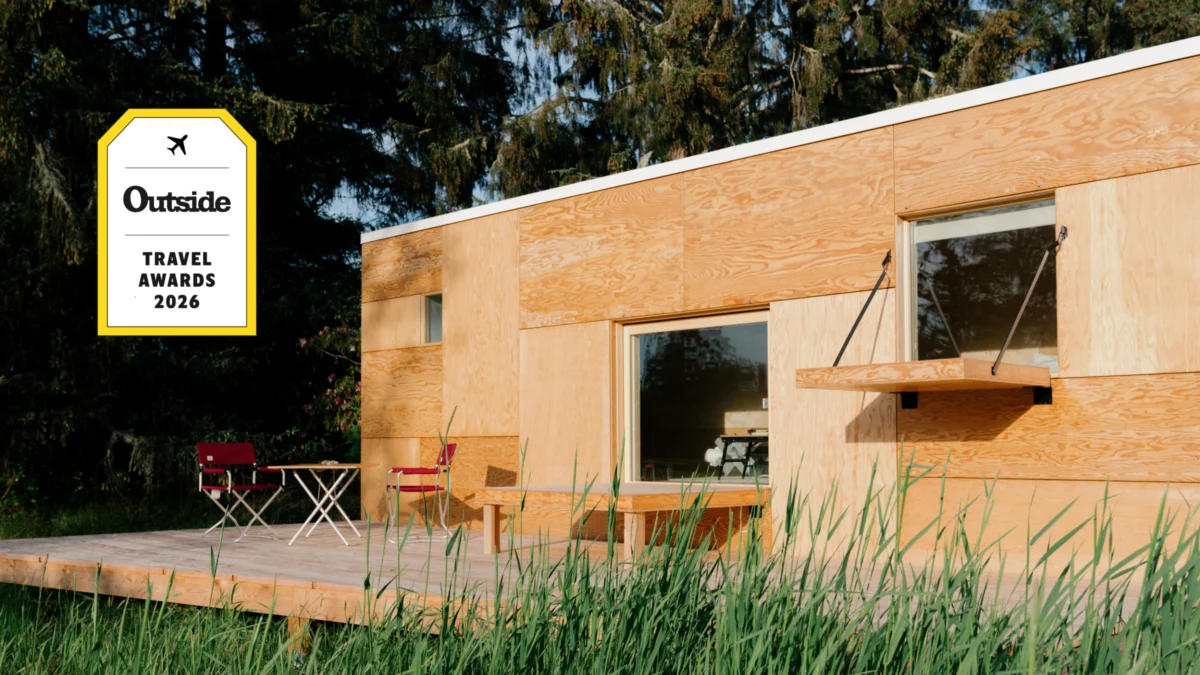
The emergence of Snow Peak Campfield in Long Beach, Washington, represents a significant shift in the intersection of high-end retail and outdoor hospitality, functioning as a 25-acre "live-in catalog" that allows consumers to experience premium Japanese-engineered gear in a real-world setting. Since its debut in 2024, the resort has transformed a refurbished RV park into a meticulously curated environment where the barrier to entry for the rugged Pacific Northwest outdoors is lowered through a "gear-as-a-service" model. For a starting price of $129 per night, guests are granted access to an ecosystem of equipment that would otherwise require thousands of dollars in capital investment, including the brand’s flagship $1,900 Land Lock tent systems. This strategic development by the Niigata-based company, Snow Peak, addresses a growing demand for "turnkey" outdoor experiences, where the logistical burdens of traditional camping—packing, tent assembly, and equipment maintenance—are replaced by a hospitality-driven framework featuring Japanese-style spas, heated minimalist cabins, and communal fire pits.
Bridging the Gap Between Retail and Recreation
The Campfield project is not merely a hospitality venture but a sophisticated extension of Snow Peak’s "Noasobi" philosophy—a Japanese term translating to "playing in the field." By situating its product line within the challenging climate of the Washington coast, the brand provides a functional proof-of-concept for its designs. The facility serves as an interactive concept store where the transition from consumer to camper is seamless. Guests who might be intimidated by the technical requirements of camping in a region known for its persistent moisture and unpredictable winds can occupy pre-assembled "Tent Suites." These sites are outfitted with a comprehensive inventory of Snow Peak products, including cots, tables, chairs, coolers, lanterns, and specialized kitchen equipment.
This model serves two primary demographic segments: the novice camper who lacks the expertise to select and manage high-end gear, and the "gear-curious" enthusiast who wishes to test products before committing to a purchase. By lowering the entry cost to $129, Snow Peak effectively creates a high-conversion marketing funnel. The experience of using a titanium mug or a modular stainless steel fire pit in its intended environment builds a brand affinity that traditional retail showrooms struggle to replicate.
Architectural Innovation: The Jyubako and Land Lock Concepts
Central to the Campfield’s appeal is its diverse range of accommodations, which blend industrial design with traditional Japanese aesthetics. For those seeking an alternative to ground-level camping, the resort offers "Jyubako" suites. These minimalist, shipping-container-sized micro-cabins were designed in collaboration with renowned Japanese architect Kengo Kuma. The Jyubako—which translates to "living box"—features a queen-size bed, climate control, and a sophisticated use of interior space. A notable design element includes wall panels that fold down to create a private veranda, allowing guests to engage with the coastal landscape while maintaining the comforts of a boutique hotel.

For guests opting for the "Tent Suites," the focus remains on the Land Lock system. This large-scale shelter is engineered to withstand the rigorous conditions of the Long Beach Peninsula, providing a dry, communal living space that separates sleeping quarters from the vestibule. The inclusion of the "Takibi" (bonfire) equipment at each site underscores the brand’s focus on social connectivity. The Takibi fire pit, a folding stainless steel structure, is designed to leave no trace on the ground, reflecting a commitment to environmental stewardship that aligns with contemporary glamping standards.
The Cultural Core: Ofuro Spa and the Takibi Tradition
A distinguishing feature of the Snow Peak Campfield is the Ofuro Spa, a facility that distinguishes the resort from standard North American campgrounds. Rooted in Japanese bathing culture, the spa includes a Hinoki cypress sauna and a cold plunge pool. The use of Hinoki wood is significant; the cypress is prized in Japan for its resistance to humidity and its natural aromatic properties, which are said to promote relaxation.
The spa experience is integrated into the nightly rate for guests, positioning wellness as a core component of the outdoor experience. This integration reflects a broader trend in the travel industry where "soft adventure"—activities that combine outdoor exposure with luxury amenities—is outpacing traditional rugged tourism. By offering a warm pool and a sauna to guests who have spent the day hiking at Cape Disappointment or digging for razor clams on the beach, the Campfield mitigates the physical "wear and tear" often associated with camping, thereby extending the appeal of the outdoors to a wider, more diverse demographic.
Historical Context and the Rise of the Japanese Outdoor Aesthetic
To understand the significance of the Long Beach Campfield, one must look at the trajectory of Snow Peak as a global brand. Founded in 1958 by Yukio Yamai, an accomplished mountaineer, the company began as a response to the lack of quality climbing gear available in Japan. Over the decades, under the leadership of Tohru Yamai and currently Lisa Yamai, the brand evolved from a technical climbing company into a lifestyle brand that emphasizes the "healing power of nature."
The opening of the Washington site in 2024 marked a major milestone in the brand’s North American expansion. While Snow Peak has maintained a presence in the United States via its Portland, Oregon, headquarters and various retail partnerships, the Campfield represents its most ambitious physical footprint to date. The choice of Long Beach is strategic; the area has a long history as a destination for outdoor recreation but has lacked the high-end, design-forward infrastructure found in other coastal enclaves. By refurbishing a 25-acre former RV park, Snow Peak has revitalized a piece of local history while introducing a global design aesthetic to the region.
Economic and Regional Impact on the Washington Coast
The establishment of the Campfield has had a measurable impact on the local economy of the Long Beach Peninsula. Traditionally, the area has relied on seasonal tourism driven by fishing and family beach vacations. The introduction of a high-end international brand has brought a new demographic of travelers to the region—often younger, urban-dwelling professionals from Seattle and Portland who are willing to pay a premium for curated experiences.
Local businesses have seen a corollary benefit from the "Snow Peak effect." While the resort provides many amenities, guests frequently frequent local seafood markets, breweries, and recreational outfitters. Furthermore, the Campfield’s programming, which includes guided bird walks and live music, often utilizes local experts and artists, fostering a sense of community integration. According to regional tourism data, the "experience economy" on the Washington coast has seen a 15% increase in high-spend visitors since the resort’s opening, suggesting that luxury glamping can serve as an anchor for regional economic development.
Market Analysis: The Democratization of High-End Outdoor Gear
The Campfield’s model addresses a critical barrier in the outdoor industry: the "gear gap." High-quality equipment is often prohibitively expensive, creating a class divide in outdoor participation. By providing a "rent-to-experience" platform, Snow Peak democratizes access to professional-grade gear. A family of four can enjoy a fully equipped campsite for a fraction of the cost of purchasing the equivalent gear at retail prices.
This approach also aligns with the "minimalist" and "nomadic" lifestyle trends seen in the mid-2020s. As more consumers prioritize experiences over ownership, the ability to arrive at a campsite with nothing more than a suitcase and find a fully realized outdoor home is highly attractive. This "plug-and-play" camping model is likely to be replicated by other major outdoor brands looking to capture the millennial and Gen Z markets, who value convenience and aesthetic "Instagrammability" alongside functional performance.
Future Implications for the Hospitality and Outdoor Industries
The success of the Snow Peak Campfield suggests a permanent shift in how the hospitality industry views the outdoors. The traditional binary between "roughing it" in a tent and staying in a luxury hotel is dissolving. In its place is a hybrid model that prioritizes design, community, and sensory experience.
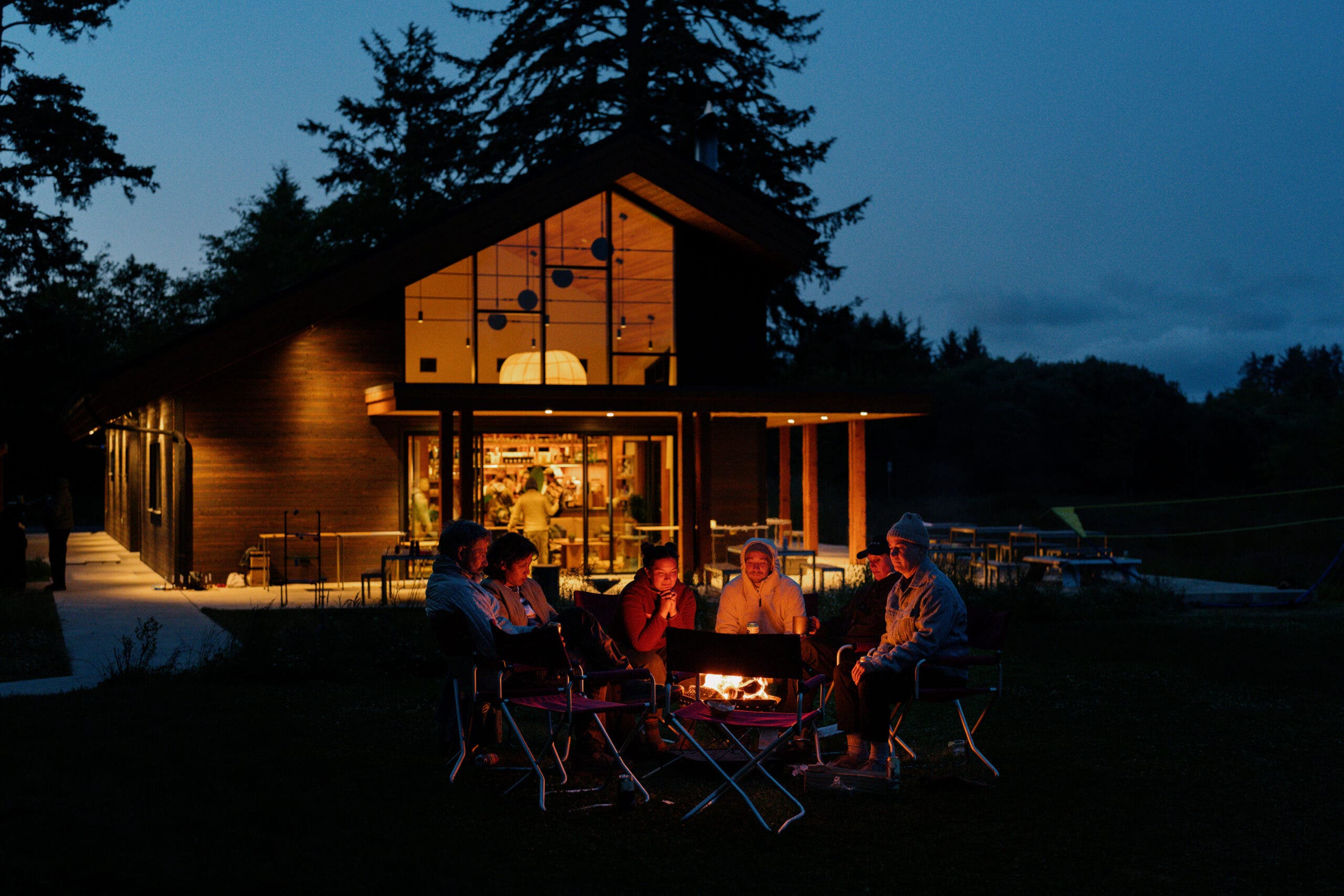
Industry analysts predict that the global glamping market will continue to grow at a compound annual growth rate (CAGR) of approximately 10% through 2030. The Snow Peak model—combining retail, hospitality, and cultural heritage—provides a blueprint for this growth. By focusing on the "after-dark" experience—the Takibi fire, the communal spa, and the shared meal—Snow Peak has identified that the most valuable part of camping is not the activity itself, but the social bonds formed in the presence of nature.
As the resort enters its third year of operation in 2026, it remains a focal point for discussions on sustainable tourism and brand-driven hospitality. It serves as a reminder that in an increasingly digital world, there is a profound market for physical experiences that are "as great as they look in pictures," provided they are backed by quality engineering and a clear cultural vision. For the visitors at Long Beach, the "gauzy filtered aesthetic" of the Snow Peak catalog is no longer a marketing dream, but a tangible, if premium-priced, reality.

 Chandra Hamzah
 Gabriela Annisa
 Susilo Edi Turonggo
 Tatiana Tantri Indah Sari
 Hendra Ismail