
 Lukman Taruna Persada Ramadan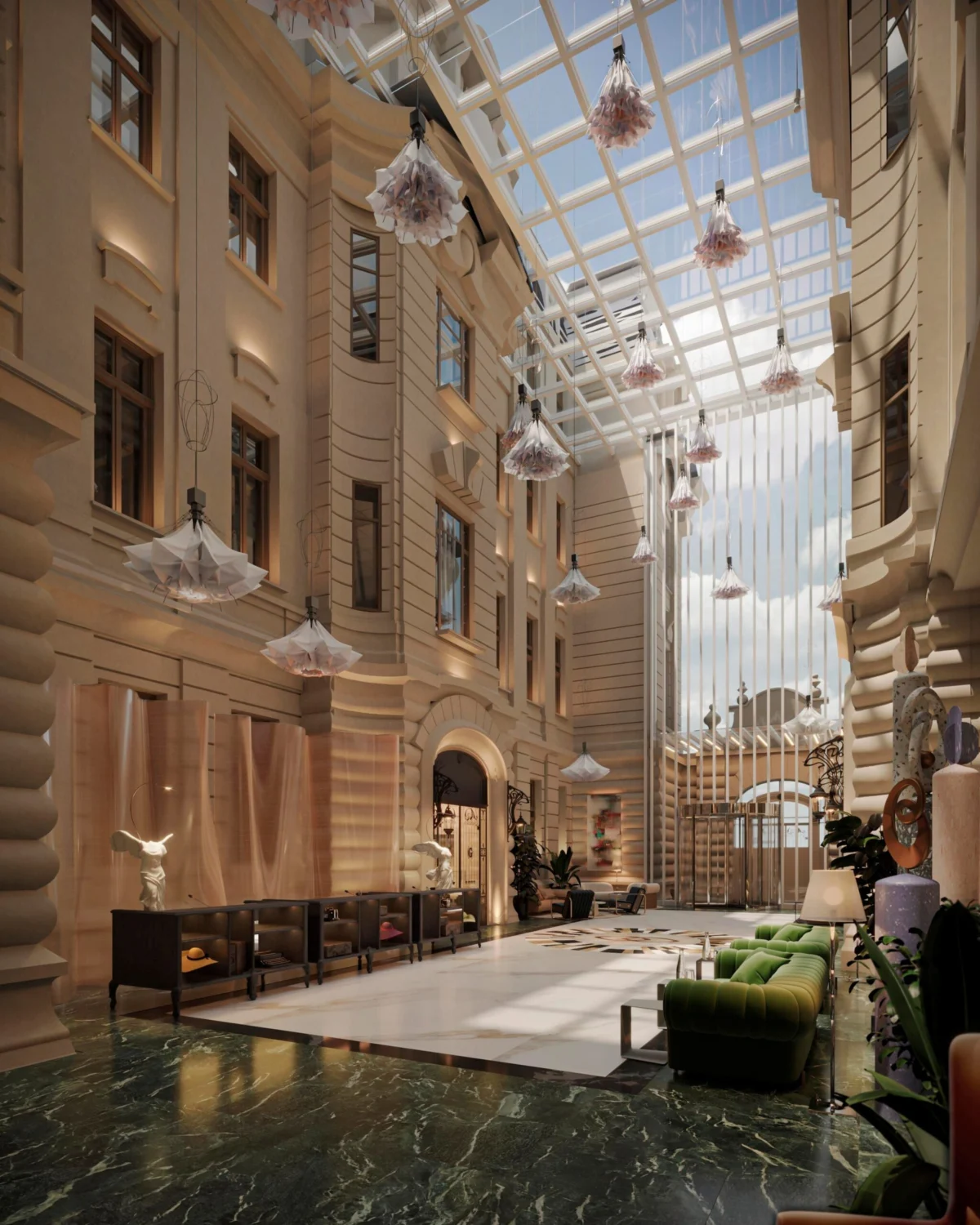
Luxury hospitality brand Sofitel, a distinguished member of the Accor hotel group, is poised to make a grand re-entry into the Romanian market, establishing its new flagship property within the historic confines of the Oscar Maugsch Palace, prominently situated in Bucharest’s iconic University Square. This ambitious project, which involves the meticulous renovation and conversion of the former Banca Comercială Română (BCR) Palace, received crucial authorization from the Bucharest City Hall under the administration of Mayor Nicușor Dan, signaling a significant investment in the city’s burgeoning luxury tourism sector and a commitment to heritage preservation. The development is set to redefine upscale accommodation in the Romanian capital, blending French l’Art de Vivre with Bucharest’s rich architectural legacy.
A Historic Landmark Reimagined: The Oscar Maugsch Palace
The Oscar Maugsch Palace, a majestic edifice built between the late 19th and early 20th centuries, stands as a testament to Bucharest’s golden age, when the city earned its affectionate moniker, Micul Paris (Little Paris), due to its striking resemblance to the French capital in terms of architecture, culture, and social ethos. Spanning an impressive four acres and comprising two distinct wings, the palace has long been a pivotal architectural feature of University Square, a central hub steeped in historical and cultural significance. Its transformation into a Sofitel hotel marks a new chapter for the building, promising to revitalize its grandeur while adapting it to the demands of modern luxury hospitality. The careful integration of the palace’s original fabric with contemporary design and amenities is a cornerstone of this project, ensuring that the historical narrative of the building is not only preserved but also celebrated.
Originally commissioned by Oscar Maugsch, a prominent figure in Romanian banking, and later becoming the headquarters for Banca Comercială Română (BCR), the palace has witnessed pivotal moments in Romania’s history. Its architectural style is characteristic of the Belle Époque era, combining neoclassical grandeur with intricate Art Nouveau details, reflecting the cosmopolitan aspirations of Bucharest at the turn of the 20th century. The building’s strategic location in University Square, at the intersection of several major boulevards and cultural institutions, further underscores its importance as an urban landmark. The renovation project respects this heritage, aiming to restore and enhance the palace’s architectural integrity while introducing the modern infrastructure required for a five-star hotel. This approach not only preserves a significant piece of Bucharest’s past but also ensures its economic viability for future generations, contributing to the ongoing revitalization of the city’s historic core.
Sofitel’s Strategic Re-entry and Brand Philosophy

Sofitel’s return to Bucharest is a strategic move by Accor, one of the world’s leading hospitality groups, to strengthen its presence in Central and Eastern Europe. While Sofitel previously operated a hotel in Bucharest within the World Trade Center complex – a distinct location further north of the city center – this new venture at the Oscar Maugsch Palace represents a significant upgrade in terms of historical prestige, central location, and brand positioning. This move signifies Accor’s deep confidence in Romania’s growing tourism market, which has seen a consistent increase in both leisure and business travelers seeking premium experiences. Data from the National Institute of Statistics indicates a steady rise in international tourist arrivals to Romania, with Bucharest being the primary gateway, reinforcing the demand for high-end accommodation.
The brand’s philosophy of l’Art de Vivre – the art of living – resonates deeply with Bucharest’s historical connection to French culture. This concept, which emphasizes sophisticated design, exquisite culinary experiences, and a profound sense of place, is expected to find a natural home in a city that once consciously emulated Parisian elegance. The re-establishment of a Sofitel property, particularly one of such historical significance, is a clear signal of the group’s commitment to offering unparalleled luxury experiences. It positions Bucharest not just as a business hub but as a destination for discerning travelers who appreciate heritage, culture, and high-end service. This return is not merely about opening a new hotel; it is about re-establishing a benchmark for luxury hospitality that integrates deeply with the local context, offering an authentic yet globally refined experience.
An Ambitious Architectural and Design Vision
The transformation of the Oscar Maugsch Palace is a monumental undertaking, meticulously planned by interior design practice Ran & Morris in collaboration with Cumulus, a renowned Romanian architectural firm. Their combined expertise aims to weave together the palace’s rich history with Sofitel’s signature French elegance. The project entails joining the two existing wings of the palace, which were originally constructed at different periods, into a cohesive and integrated luxury hotel. A particularly striking feature of the renovation will be the enclosure of a rear servicing courtyard, transforming it into the hotel’s main entry point, and a passageway between the two buildings, which will be covered by a spectacular 150-foot-high glass skylight. This architectural marvel will bathe the new, expansive lobby area in natural light, creating an awe-inspiring central space that serves as the hotel’s vibrant heart. This innovative use of glass and light will not only enhance the aesthetic appeal but also improve the functionality and flow within the historic structure.
The design philosophy, rooted in Ran & Morris’s "story-catching methodology," focuses on drawing inspiration from multiple layers of Bucharest’s history and its "Little Paris" identity. This involves selecting design elements that reflect both the city’s past French architectural and cultural influences and its unique Romanian character, all while maintaining the refined luxury synonymous with the Sofitel brand. The interiors are envisioned to feature soft curves, sculptural silhouettes, and warm classical tones, creating an ambiance that is both elegant and inviting. Culturally rooted elements, such as specific patterns, textures, and local artistry, will be infused with the polish of contemporary luxury and French sophistication, ensuring that guests feel a profound connection to the locale without compromising on comfort or style. An exterior patio will also be seamlessly integrated into the interior design, enclosed to serve as an elegant extension of the hotel’s main restaurant, further blurring the lines between indoor and outdoor spaces and enhancing the sense of a grand, yet intimate, urban retreat. This careful blend of the old and the new, the local and the international, promises a unique and memorable aesthetic.
The Quintessential Guest Experience and Amenities

Upon its anticipated opening in late 2027, the new Sofitel Bucharest will offer 203 exquisitely designed rooms and 15 luxurious suites, spread across the first, second, third, and attic floors of the meticulously renovated palace. Each guestroom will be a sanctuary of comfort and elegance, featuring vaulted, 12-foot ceilings that evoke the grandeur of the original architecture. The choice of materials will reflect the hotel’s commitment to luxury, with some rooms boasting opulent marble flooring, while others will feature classic parquet, blending historical authenticity with modern sophistication. French furniture, renowned for its timeless design and superior craftsmanship, will adorn each space, providing both luxurious comfort and a tangible connection to Sofitel’s French heritage. This attention to detail ensures a 5-star rating experience, where every element contributes to an atmosphere of refined indulgence.
The culinary offerings at the Sofitel Bucharest are set to be a highlight, featuring two distinct restaurants. Guests can anticipate a journey through fine French dining, showcasing the brand’s origins and classic techniques, alongside a diverse array of Mediterranean specialties, drawing on the rich culinary traditions of the region. Complementing these gastronomic experiences will be an extensive wine list, carefully curated to include both exceptional Romanian wines, celebrating the country’s rich viticultural heritage, and renowned Mediterranean selections. The ground floor will be a dynamic hub, housing not only the dining spaces but also a sophisticated events hall, making the hotel an ideal venue for both intimate gatherings and grand celebrations. Embracing Sofitel’s dedication to l’Art de Vivre, the hotel aims to recreate the charming atmosphere of a Parisian street within its premises. This includes a traditional French-style café, designed to offer a comfortable and inviting space where guests can relax, socialize, and immerse themselves in a lively, neighborhood-like vibe. This concept extends to every aspect of the guest experience, from personalized service to carefully curated cultural programming, ensuring a stay that is both luxurious and authentically local.
For both business and leisure travelers, the hotel will boast a comprehensive range of facilities. Its prime location in the historic center, within easy reach of Bucharest’s business community and cultural attractions, makes it an attractive choice. The hotel will feature 13 versatile meeting rooms, capable of accommodating events for up to 300 people, equipped with state-of-the-art technology to host conferences, seminars, and corporate functions. Beyond professional amenities, the Sofitel Bucharest will cater to wellness needs with a fully equipped spa and wellness space in the basement, complete with a sauna, steam room, and even facilities for tennis and squash. This holistic approach to luxury ensures that guests have access to everything they need for relaxation, rejuvenation, and productive engagement, all under one roof.
Broader Impact and Implications for Bucharest
The re-entry of Sofitel into Bucharest, particularly with a project of this scale and historical sensitivity, carries significant implications for the city’s luxury hospitality landscape and urban development. Firstly, it elevates Bucharest’s profile as a premier European destination capable of attracting high-end tourism and international business. The conversion of the Oscar Maugsch Palace is a prime example of successful urban regeneration, demonstrating how historical assets can be preserved and repurposed to meet contemporary demands, thereby contributing to the city’s cultural vibrancy and economic growth. This project sets a new benchmark for luxury accommodation, potentially spurring other developers to invest in similar high-quality, heritage-focused projects.
Economically, the Sofitel Bucharest is expected to generate a substantial number of jobs, both during the extensive construction and renovation phases and upon its operational opening. These jobs will span various sectors, from construction and skilled trades to hospitality management, culinary arts, and wellness services, providing a significant boost to the local economy. Furthermore, the hotel’s presence will enhance Bucharest’s appeal for international conferences and events, drawing in more business travelers and contributing to the local service industry. The influx of affluent travelers is also likely to benefit surrounding businesses, including high-end boutiques, restaurants, and cultural attractions, creating a ripple effect across the city’s economy. Statements from Accor representatives have emphasized the company’s commitment to local employment and sustainable tourism practices, aiming to integrate the hotel seamlessly into the fabric of the community.

The project also highlights a growing trend in Bucharest’s real estate market, where premium properties in historically significant locations are increasingly sought after for luxury developments. This reflects a maturation of the market and a recognition of the inherent value in the city’s architectural heritage. The collaboration between international design firms like Ran & Morris and local architectural experts such as Cumulus underscores a global-local synergy that is vital for projects of this magnitude, ensuring that the development meets international standards while respecting local regulations and cultural nuances. Officials from Bucharest City Hall have expressed support for such initiatives, noting their positive impact on urban aesthetics and the preservation of historical landmarks.
Timeline and Future Outlook
With authorization secured and detailed plans in place, the renovation of the Oscar Maugsch Palace is expected to proceed with an ambitious timeline. The new Sofitel Bucharest is currently slated for an opening in late 2027. This timeline allows for the extensive structural work, meticulous interior fit-out, and the integration of advanced hotel systems required for a luxury property of this caliber, all while adhering to strict heritage preservation guidelines. The period leading up to the opening will likely involve further public engagement, showcasing progress and building anticipation for what is set to become one of Bucharest’s most prestigious addresses.
Looking ahead, the success of the Sofitel Bucharest could pave the way for further luxury hotel investments in Romania by Accor and other international brands. As Romania continues to integrate more deeply into the European economic fabric and its capital gains recognition as a dynamic cultural and business center, the demand for high-quality hospitality options will only grow. The Oscar Maugsch Palace project stands as a beacon of this evolution, blending the grandeur of the past with the promise of a luxurious future for Bucharest’s tourism landscape. The meticulous attention to detail, the fusion of French and Romanian aesthetics, and the strategic location are all poised to make the Sofitel Bucharest a landmark destination, embodying the very essence of l’Art de Vivre in the heart of "Little Paris."


 Anjar Salim
 Chandra Hamzah
 Budi Mulyono

 Tatiana Tantri Indah Sari