
 Anjar Salim
The conclusion of the 2025/2026 winter sports calendar has been defined by a stark contrast between high consumer expectations and the meteorological reality of a warming climate. As of March 31, 2026, the outdoor retail sector is witnessing a significant pivot, as brands and distributors move to liquidate inventory following a winter season that many industry analysts have categorized as "grim." This period of seasonal transition offers a critical window for enthusiasts to acquire high-performance equipment, such as all-mountain skis and technical outerwear, at prices significantly below MSRP. The convergence of excess inventory and the digital integration of tools like the Outside Online Deals Finder has created a unique buyer’s market, even as the industry grapples with the long-term implications of shorter, more volatile winters.
The Meteorological Context: A Season of High Volatility
The 2025/2026 ski season will likely be remembered for its inconsistency. Across the North American Rocky Mountains, the Sierras, and the Northeast, the traditional "powder days" that drive both resort traffic and equipment sales were replaced by unseasonably warm spikes. Meteorological data from the first quarter of 2026 indicates that average temperatures in high-altitude regions were 3.5 degrees Fahrenheit above the ten-year mean. This warming trend resulted in persistent high-pressure ridges that blocked major storm fronts for weeks at a time, particularly during the crucial mid-season months of January and February.
Instead of the deep snowpacks required for advanced off-piste skiing, many resorts were forced to rely on artificial snowmaking and "thin-cover" management. Skiers frequently encountered sun-baked slush and exposed terrain, conditions more typical of late April than mid-winter. This "best of times, worst of times" scenario—where sunny skies provided pleasant social conditions but poor technical skiing—had a direct impact on the retail market. Consumers who might have purchased new equipment in December or January delayed those investments, leading to a surplus of premium gear currently sitting in warehouses and on showroom floors.
Chronology of the 2025/2026 Retail Cycle
The progression of the current retail landscape can be traced back to the early manufacturing orders placed in late 2024. The following timeline illustrates the shift from optimistic projections to the current liquidation phase:
- May – August 2025: Manufacturers and retailers place large orders for the 2026 product lines, anticipating a return to "normal" winter patterns following the previous year’s moderate success.
- November 2025: The season opens with early-season snowfall in the Pacific Northwest, driving strong initial sales for hardgoods, specifically carving and all-mountain skis.
- December 2025 – January 2026: A "snow drought" begins across the Intermountain West. Retail traffic at brick-and-mortar stores near major resorts drops by an estimated 12% compared to the previous year.
- February 2026: Record-breaking temperatures in Colorado and Utah lead to early snowmelt on south-facing slopes. Retailers begin to express concern over "carryover" stock—inventory that will not sell before the spring thaw.
- March 1–15, 2026: Major brands initiate the first wave of seasonal markdowns, typically ranging from 15% to 25%.
- March 31, 2026: The current phase. Discounts have deepened to 40% or more as retailers prepare to transition their floor space to summer activities, such as mountain biking and hiking.
Supporting Data: The Economics of the Spring Clearance
The drive toward deep discounts is not merely a courtesy to consumers but a logistical necessity for the $50 billion outdoor recreation industry. Inventory carrying costs—the expense associated with storing, insuring, and managing unsold goods—can erode a retailer’s profit margins by as much as 20% to 30% per year. Consequently, clearing the 2026 inventory is essential to make room for the 2027 models, which are already in production.

According to retail analytics, the "all-mountain ski" category remains the most sought-after segment during these sales. These skis, designed to handle a variety of conditions from groomed runs to variable slush, are viewed by consumers as a "safe" investment in an era of unpredictable weather. Data from digital marketplaces suggests that search volume for "end-of-season ski sales" increased by 22% in March 2026 compared to March 2025, indicating a more price-sensitive and strategic consumer base.
Furthermore, the rise of e-commerce has shifted the power dynamic. In previous decades, a consumer was limited to the stock available at their local ski shop. Today, the integration of digital tools allows for real-time price comparisons across hundreds of vendors. The Outside Online Deals Finder serves as a primary example of this technological evolution, aggregating discounts from major retailers and specialized brands into a single, searchable interface.
Industry Responses and Retail Strategy
Industry leaders have been forced to adapt to this "new normal" of winter sports. Representatives from major equipment manufacturers have noted that while the 2025/2026 season was difficult, it has accelerated the adoption of omnichannel retail strategies. By utilizing "Deals Finder" platforms, brands can reach a national audience to move specific sizes or models that may be overstocked in certain regions but in demand in others.
"The goal is no longer just to sell a product at full price in November," says one senior executive from a leading European ski manufacturer. "The goal is to manage the entire lifecycle of the product. If we can get a high-quality 2026 ski into a customer’s hands in March at a 40% discount, we have still secured a brand loyalist who will buy our boots or apparel next season."
Retailers are also leaning into the "pre-season" mentality. By encouraging skiers to "gear up for next season" now, they are effectively smoothing out their revenue curves. This strategy mitigates the financial risk of a poor snow year by securing sales before the first flake of the 2026/2027 season even falls.
Analysis of the "Deals Finder" Utility
The Outside Online Deals Finder represents a significant shift in how outdoor enthusiasts interact with the market. By clicking the "Deals" tab in the navigation menu, users can bypass the noise of traditional search engines. The tool’s functionality allows for a granular approach to shopping:
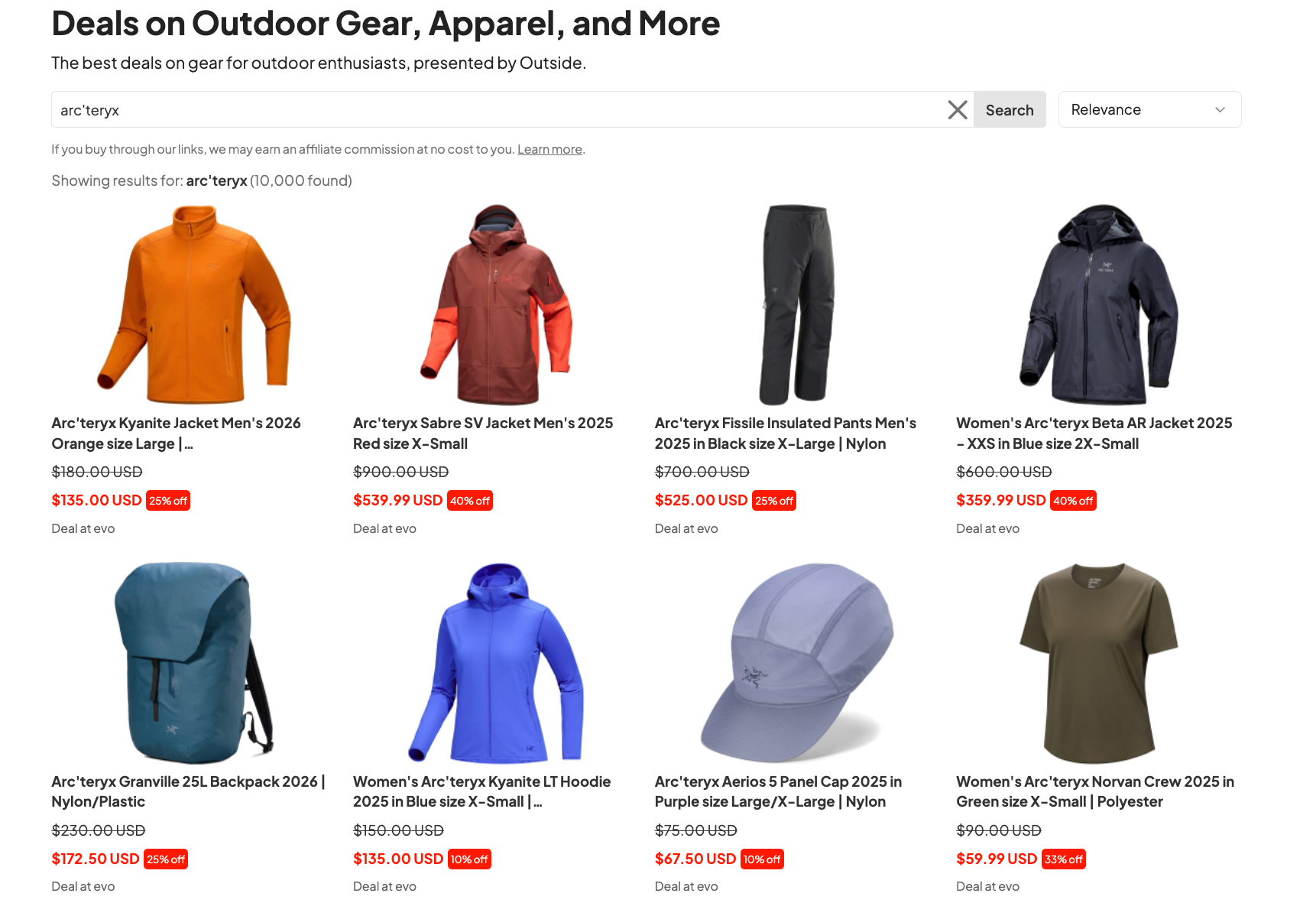
- Brand Specificity: Users can filter for high-end manufacturers that rarely offer deep discounts outside of this specific March-April window.
- Category Filtering: Whether a user is looking for technical shells, backcountry safety equipment, or all-mountain skis, the tool categorizes inventory to prevent "scroll fatigue."
- Real-Time Updates: As retailers adjust prices to compete with one another, digital finders reflect these changes instantly, ensuring the consumer is seeing the most current "bottom-line" price.
This level of transparency has forced retailers to be more aggressive with their pricing, often resulting in a "race to the bottom" that benefits the end-user. For the consumer, the value proposition is clear: the technology on a 2026 ski is virtually identical to what will be released in 2027, but the price point is vastly different.
Broader Impact and Implications for the 2026/2027 Season
The implications of the 2025/2026 "grim" season extend beyond retail. There is a growing conversation regarding the sustainability of the winter sports industry in the face of climate change. The reliance on end-of-season sales to balance the books is a temporary fix for a structural problem. As weather patterns become more erratic, the industry may see a shift toward more "quiver-of-one" equipment—gear designed to be versatile enough to handle anything from ice to mud.
However, for the immediate future, the focus remains on the 2026/2027 outlook. While the Farmer’s Almanac and other long-range forecasting tools are being consulted with hopeful eyes, the economic reality is that many skiers are choosing to hedge their bets. By purchasing discounted gear now, they reduce the "cost-per-day" of their hobby, making the potential of another low-snow year easier to swallow financially.
The current market state is a reminder that in the outdoor industry, the weather dictates the economy. As the slush of 2026 melts away, the savvy consumer is not looking at the bare patches on the mountain, but at the digital catalogs of retailers clearing their shelves. The "grim" season has, ironically, created the most favorable conditions for gear acquisition in nearly a decade.
Conclusion
The 2025/2026 ski season has served as a masterclass in resilience for both resorts and retailers. While the lack of consistent powder was a disappointment for many, the resulting market correction has opened doors for a broader demographic of skiers to access premium equipment. Through the use of advanced digital tools like the Deals Finder, the barrier to entry for high-quality gear continues to lower. As the industry looks toward the 2026/2027 season, the lessons of this "grim" winter will undoubtedly influence everything from inventory management to the way consumers prepare for the mountains. For now, the message to the outdoor community is clear: the best time to prepare for the next winter is during the final days of the current one.




 Chandra Hamzah
 Budi Mulyono

 Tatiana Tantri Indah Sari