
 Budi Mulyono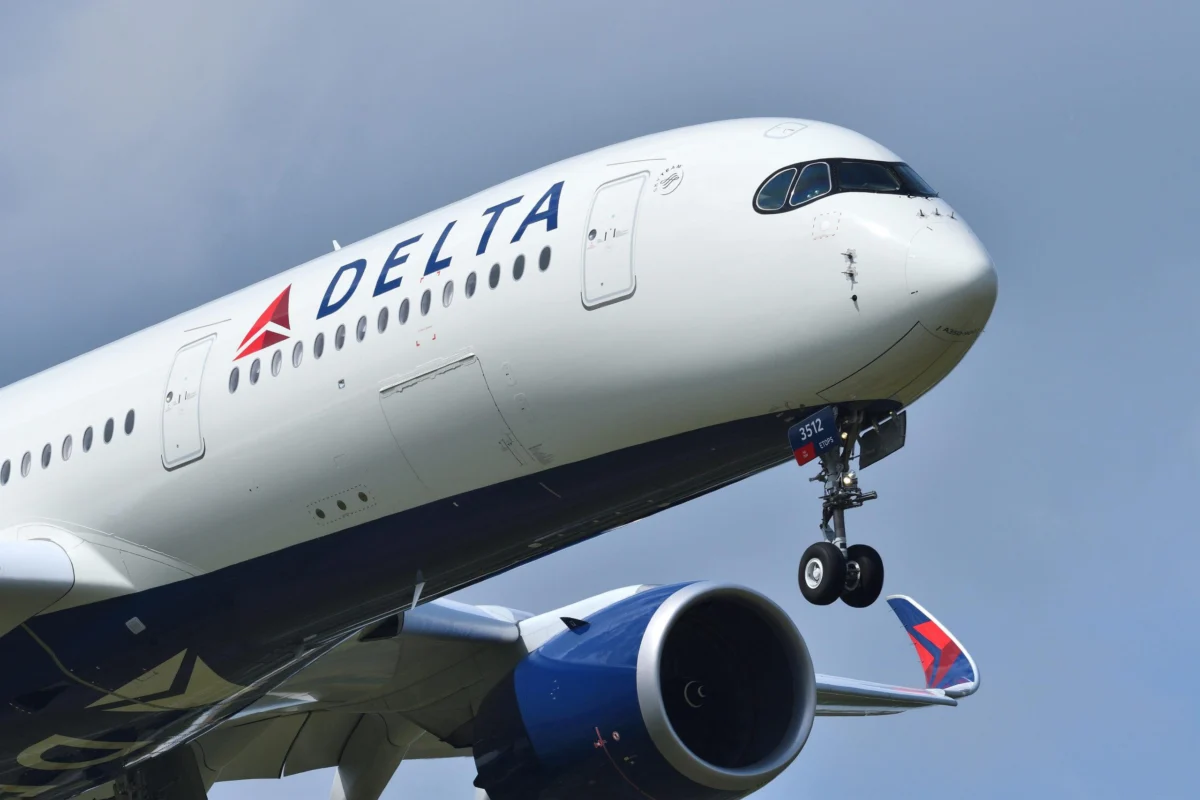
The global travel landscape in the first quarter of 2026 is being defined by a complex intersection of physiological research, aggressive credit card reward competition, and fluctuating operational costs within the maritime sector. Recent industry developments highlight a shift toward more sophisticated travel strategies as consumers navigate a post-inflationary environment where every aspect of a journey—from cabin pressure to retail spending—is being optimized for maximum efficiency and value. This evolution comes amid a backdrop of increased regulatory scrutiny and a series of high-profile incidents that have forced airlines and cruise lines to reassess their codes of conduct and security protocols.
The Science of Jet Lag Mitigation and Aviation Engineering
As international long-haul travel continues to reach record volumes, the focus on passenger wellness has transitioned from luxury amenities to biological optimization. Recent studies and traveler data suggest that the ability to "reset" the internal circadian clock is no longer viewed as a matter of willpower but as a result of strategic booking. The aviation industry has responded by highlighting the role of aircraft engineering in physiological recovery.
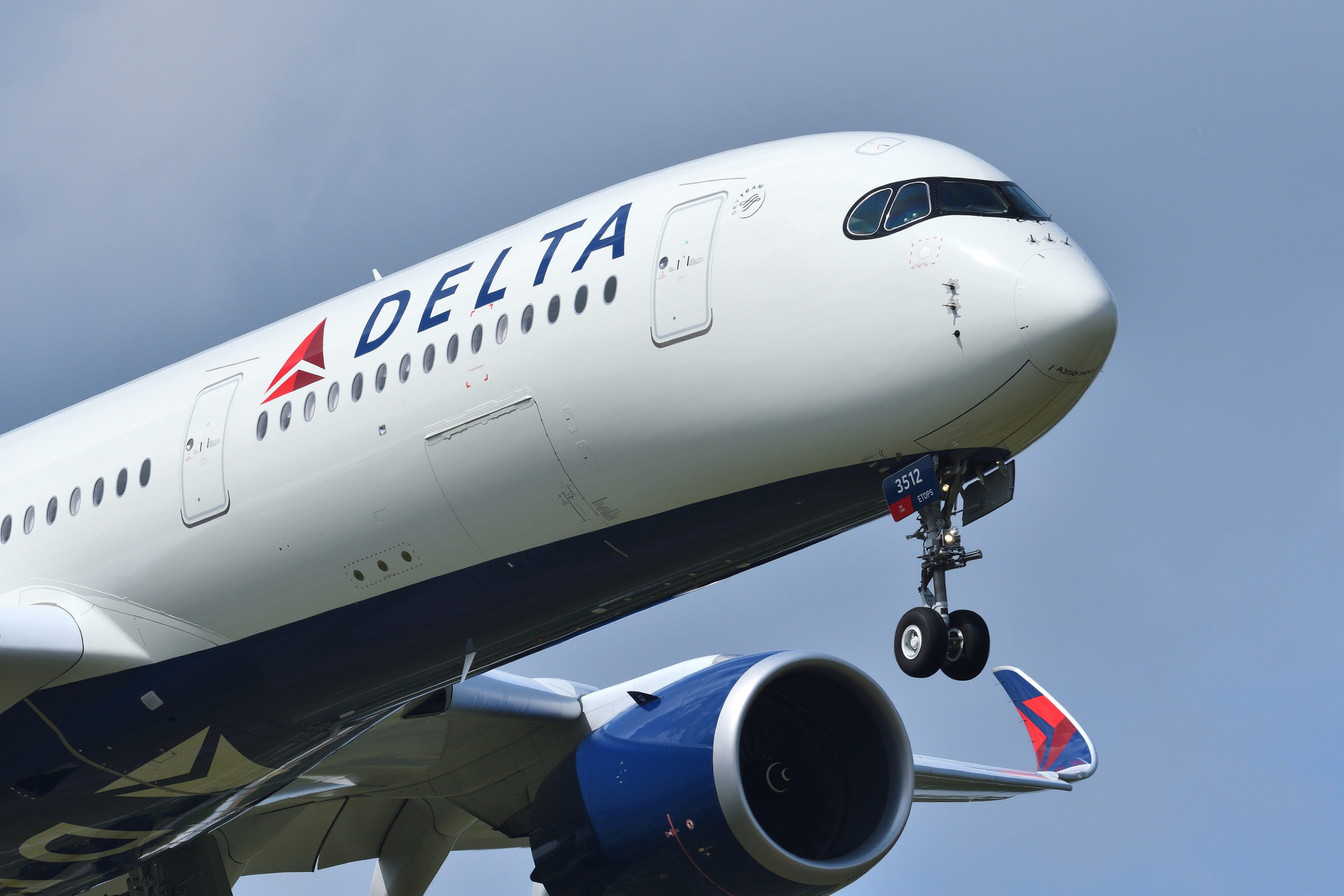
Modern wide-body aircraft, such as the Boeing 787 Dreamliner and the Airbus A350, are designed with lower cabin altitudes—typically 6,000 feet compared to the traditional 8,000 feet—and higher humidity levels. These engineering choices are proven to reduce the symptoms of jet lag, such as dehydration and fatigue. Furthermore, the correlation between seat type and recovery speed has become a focal point for corporate travel departments. Data indicates that lie-flat seating in business class allows for more consistent REM sleep, which facilitates faster neurological adjustment to new time zones.
However, travel analysts point out that arrival time remains the most critical variable. Experts recommend "eastbound" travelers arrive in the late afternoon to maximize exposure to evening light, which helps delay the production of melatonin and aligns the body with the local clock. Conversely, "westbound" travelers benefit from early morning arrivals. The integration of these variables into booking platforms suggests a future where travel search engines may prioritize "wellness scores" alongside price and duration.
Financial Optimization and the Loyalty Points Ecosystem
The financial sector continues to leverage the travel industry as a primary driver for consumer engagement, particularly through high-yield reward structures. In March 2026, a significant shift in the loyalty landscape occurred as major credit card issuers launched limited-time promotions offering 5X travel points on Amazon purchases. This move reflects a broader trend of "everyday spend" integration, where consumers can accumulate significant travel capital through non-travel expenditures.
Market analysis suggests that these 5X multipliers are a response to increased competition between top-tier travel cards. By targeting a retail giant like Amazon, issuers are capturing a larger share of the household "wallet," effectively subsidizing future travel through routine consumption. For the average traveler, these opportunities represent a low-friction method to offset the rising costs of airfare and lodging. Financial analysts note that the valuation of travel points remains a volatile but essential component of the modern traveler’s budget, with savvy consumers increasingly using automated tools to track and maximize these earning windows.
Maritime Cost Volatility: The Return of Fuel Surcharges
While travelers are finding new ways to earn points, the cruise industry is facing renewed pressure from global energy markets. A recent spike in Brent Crude and West Texas Intermediate (WTI) prices has triggered a little-known clause in many cruise contracts: the fuel supplement. Most major cruise lines, including Carnival Corporation, Royal Caribbean Group, and Norwegian Cruise Line Holdings, maintain the right to reinstate fuel surcharges if oil prices exceed a certain threshold, often cited between $65 and $70 per barrel.
This development has caused concern among travelers who have already paid for their voyages in full. Legally, the fine print in passenger ticket contracts allows cruise lines to assess these fees—which can range from $9 to $15 per person, per day—retroactively. For a family of four on a seven-night cruise, this can add nearly $400 to the total cost of the vacation. Industry analysts suggest that these surcharges are a necessary hedge for cruise lines to protect their margins against the extreme volatility of bunker fuel prices, though they often result in significant consumer dissatisfaction.
The Strategic Importance of Private Island Destinations
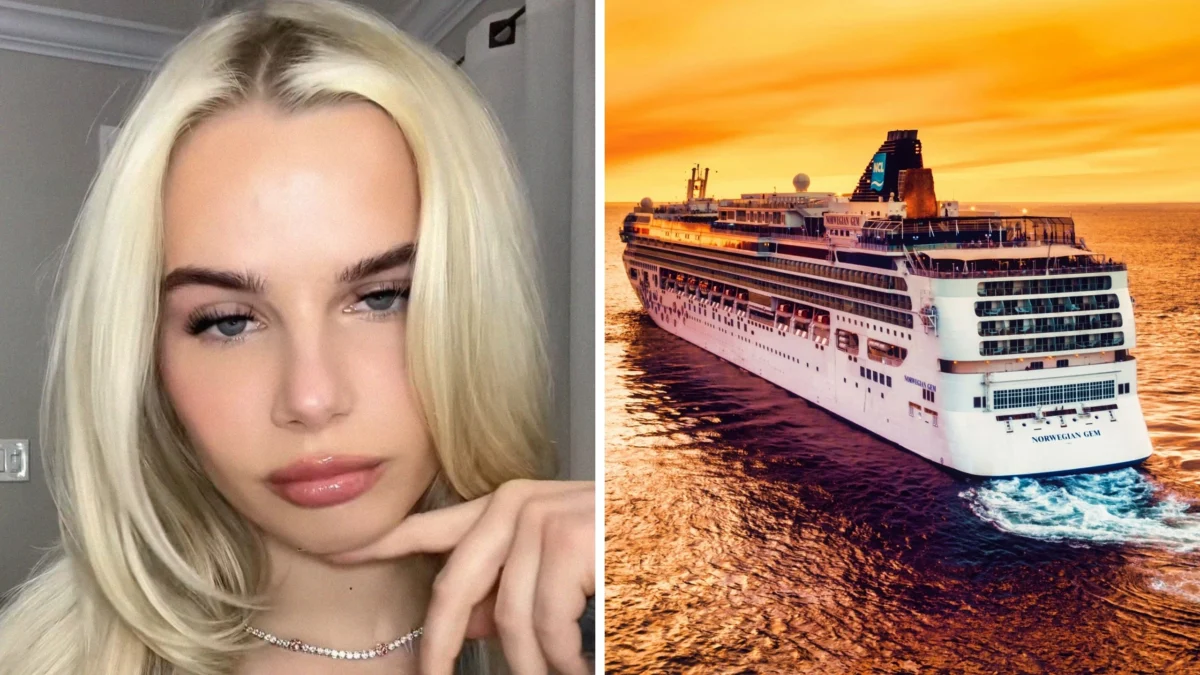
In response to rising operational costs and the need for controlled environments, cruise lines are increasingly prioritizing "private island" days in their itineraries. Locations such as Perfect Day at CocoCay (Royal Caribbean), Ocean Cay (MSC Cruises), and Labadee have become the highest-rated ports of call for many travelers.
The economic model of the private island is highly beneficial for cruise operators. Unlike traditional ports of call where passengers spend money at local businesses, every dollar spent on a private island—from shore excursions to premium beverage packages—remains within the cruise line’s ecosystem. From a traveler’s perspective, these destinations offer a curated, safe, and highly predictable experience. Analysts predict that the next five years will see a "private port arms race," with lines investing billions in infrastructure to ensure their exclusive destinations can accommodate the newest, largest classes of ships.
Security Protocols and Passenger Conduct Incidents
The travel industry continues to grapple with a rise in disruptive passenger behavior, leading to stricter enforcement of codes of conduct. In a recent high-profile incident, a Delta Air Lines flight was forced to divert following an onboard confrontation involving a racist slur. This diversion underscores the airline industry’s "zero-tolerance" policy regarding harassment and verbal abuse. Such incidents carry heavy financial consequences for the offenders, who may face permanent bans, federal fines, and even civil litigation from the airline to recover the costs of fuel and landing fees associated with the diversion.
Simultaneously, security regulations are evolving in response to emerging threats. New policies regarding electronic devices now require that all "valuable items" and laptops be powered on during security screenings at certain international hubs. Failure to demonstrate that a device is functional can result in it being confiscated or the passenger being denied boarding.
The cruise industry is also tightening its internal regulations. Several lines have recently updated their policies regarding tattoos and body art, prohibiting the display of "offensive or controversial" ink in public areas of the ship. While enforcement remains a challenge, these rules reflect a broader effort by travel providers to maintain a "family-friendly" environment and mitigate potential conflicts between passengers.
Chronology of Recent Travel Industry Events: March 2026
- March 12: Global oil prices hit a six-month high, prompting cruise industry analysts to issue warnings regarding potential fuel surcharge activations.
- March 14: The Federal Aviation Administration (FAA) releases a report showing a 12% year-over-year increase in unruly passenger reports, leading to calls for a national "no-fly" list.
- March 16: Scientific journals publish new data on the efficacy of lower cabin altitudes in the Boeing 787 for reducing long-term jet lag symptoms.
- March 17: Major credit card issuers announce the 5X points promotion for Amazon purchases, sparking a surge in retail-driven loyalty accumulation.
- March 19: A Delta Air Lines flight from the U.S. to Europe is diverted due to a passenger incident, highlighting the high cost of behavioral misconduct.
- March 20: MSC Cruises announces a $400 million expansion of its private island, signaling the continued dominance of exclusive-access destinations.
Broader Impact and Industry Implications
The trends observed in early 2026 suggest a bifurcation of the travel experience. On one hand, the "informed traveler" is using data and financial tools to secure a more comfortable and cost-effective journey. On the other hand, the "unprepared traveler" is increasingly vulnerable to the hidden costs of the industry, such as retroactive fuel fees and strict behavioral regulations.
The aviation sector’s shift toward health-centric engineering suggests that "travel wellness" will become a major marketing pillar in the coming decade. As passengers become more aware of how flight conditions affect their recovery, airlines that operate older, less efficient fleets may find themselves at a competitive disadvantage, regardless of their price point.
In the maritime sector, the reliance on private islands and the implementation of fuel surcharges indicate a move toward a "controlled environment" model. This model allows cruise lines to mitigate external economic shocks while providing a consistent product, but it risks alienating travelers who seek authentic cultural interactions in traditional ports of call.
Ultimately, the travel industry in 2026 is one of high stakes. The margin for error—whether it is a booking mistake that leads to severe jet lag or a behavioral lapse that leads to a flight diversion—has never been smaller. As the industry continues to modernize, the burden of "strategic travel" will increasingly fall on the consumer, requiring a deeper understanding of both the science of travel and the fine print of the contracts they sign.



 Anjar Salim
 Chandra Hamzah

 Tatiana Tantri Indah Sari