
 Budi Mulyono
The landscape of travel to the Hawaiian Islands has undergone significant transformation as of 2026, driven by airline consolidations, the evolution of dynamic pricing models, and a shift in how transferable credit card currencies interact with global airline alliances. While the allure of Hawaii’s tropical climate remains a constant draw for travelers from the mainland United States, the methodology for securing affordable passage has become increasingly complex. Major domestic carriers, including Alaska Airlines, American Airlines, Delta Air Lines, Hawaiian Airlines, Southwest Airlines, and United Airlines, maintain robust flight schedules to the islands. However, industry data suggests that the most efficient use of loyalty points often bypasses these domestic programs in favor of foreign airline partnerships, where one-way redemptions from East Coast hubs like New York or Boston can still be found for as few as 10,000 miles.
The Current State of Hawaii Air Travel and Award Availability
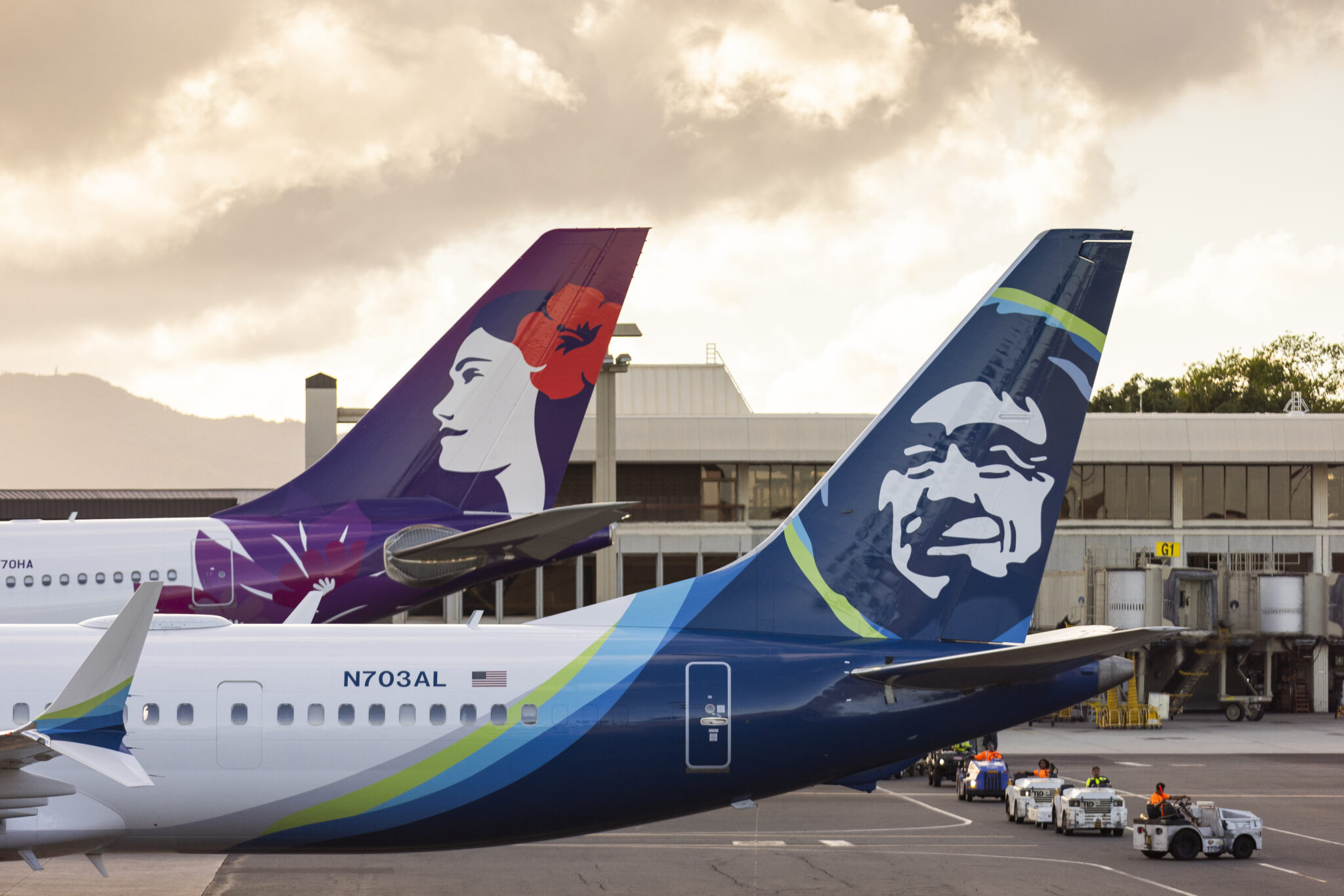
As the 2026 travel season approaches, market analysts observe that award availability to Hawaii remains a primary challenge for consumers, particularly during peak periods such as the winter holidays and summer school breaks. The integration of Alaska Airlines and Hawaiian Airlines, following their high-profile merger, has created a dominant force in the Pacific corridor, altering the competitive dynamics of the West Coast-to-Hawaii market.
To mitigate the scarcity of standard award seats, savvy travelers are increasingly looking toward "sweet spots" within international frequent flyer programs. These programs often utilize distance-based or fixed-zone award charts that have not yet fully transitioned to the dynamic pricing models favored by US-based carriers like Delta or United. By leveraging these international partnerships, travelers can often book the exact same seats on domestic aircraft for a fraction of the points required by the operating airline’s own loyalty program.

Strategic Use of Transferable Currencies
The cornerstone of modern award travel remains the transferable point ecosystem. In 2026, six major financial institutions dominate this space: American Express Membership Rewards, Chase Ultimate Rewards, Citi ThankYou Rewards, Capital One Miles, Bilt Rewards, and Wells Fargo Rewards. These programs allow cardholders to move points to various airline partners, providing the flexibility needed to capitalize on whichever program offers the best value at a given moment.
For example, Air France-KLM’s Flying Blue program remains a vital partner for all six major transferable currencies, typically offering instant transfers. This program is frequently cited by travel consultants as the most cost-effective way to book Delta Air Lines flights to Hawaii, provided that "Saver" level space is released to partners. Similarly, the Avios ecosystem—encompassing British Airways, Qatar Airways, and Finnair—has become a unified powerhouse for booking American Airlines and Alaska Airlines flights, often at lower rates than those programs charge their own members.
Chronology of Recent Loyalty Program Shifts (2023–2026)
The path to the current 2026 environment was marked by several pivotal industry events:
- Late 2023: Alaska Airlines announced its intent to acquire Hawaiian Airlines, sparking concerns regarding a potential monopoly on inter-island and West Coast routes.
- 2024: The Department of Transportation and the Department of Justice provided regulatory clearance for the merger, contingent on the preservation of certain loyalty benefits and the maintenance of key routes.
- 2025: The technical integration of the Alaska Mileage Plan and HawaiianMiles began, creating a unified currency. During this period, Atmos Rewards emerged as a niche but powerful player, offering unique companion benefits for those holding specific Visa Signature and Business credit cards.
- 2026: Most major carriers have moved toward "revenue-based" award pricing, where the cost in miles is directly tied to the cash price of the ticket. This has made the remaining fixed-price award charts of foreign partners even more valuable by comparison.
Maximizing Value Through Foreign Partner Programs
Data from recent award searches indicates that Turkish Airlines’ Miles & Smiles program continues to offer one of the most lucrative "hidden" values in the industry. As a member of the Star Alliance, Turkish Airlines allows travelers to book United Airlines flights to Hawaii for 10,000 to 15,000 miles one-way in economy, regardless of the departure city in the mainland US. However, this requires "X" class award availability on United, which analysts note has become more restricted as United prioritizes its own "Premier" members.

For West Coast travelers, the Avios programs managed by Qatar Airways and Finnair provide a distinct advantage. Using a distance-based formula, flights from cities like Los Angeles, San Francisco, or Seattle to Honolulu can often be secured for significantly fewer points than a traditional transcontinental award. Finnair, in particular, has seen a surge in domestic US bookings following its adoption of Avios as its primary currency in early 2024.
Innovations in Paid Flight Savings: The Companion Advantage
When award seats are unavailable, travelers often turn to proprietary companion benefits to reduce the "out-of-pocket" cost of travel. The Alaska Airlines Companion Fare remains a benchmark in this category. In 2026, this benefit is primarily accessible through Atmos Rewards credit cards, such as the Atmos Ascent Visa Signature and the Atmos Rewards Visa Business.
Under the current terms, cardholders who meet a $6,000 annual spend threshold receive a discount code allowing a companion to fly for a base fare of $99 plus taxes and fees (starting at approximately $22). Given the merger with Hawaiian Airlines, this benefit has seen its utility expand, allowing for broader coverage across the islands.
Parallel to this, the Southwest Airlines Companion Pass continues to be a high-value target for domestic travelers. Unlike traditional discount codes, the Southwest pass allows a designated companion to fly for only the cost of taxes and fees on every flight the primary traveler books, whether paid with cash or points. This effectively doubles the value of a traveler’s points balance for the duration of the pass’s validity.
The Emergence of Bundled Vacation Packages
A notable trend in 2026 is the resurgence of the "unbundled bundle." Travel agencies and airline vacation wings, such as Delta Vacations or United Packages, often receive bulk-fare inventory that is not visible on standard search engines. In many instances, the total cost of a flight combined with a hotel or car rental is lower than the cost of the airfare alone.
Travel industry analyst Mark Stevenson notes, "We are seeing a strategic shift where airlines use vacation packages to move distressed inventory without devaluing their primary brand pricing. For a traveler, booking a ‘throwaway’ hotel room for one night as part of a package can sometimes trigger a 30% to 40% discount on the flight portion of the trip."
Analysis of Implications for the Travel Market
The 2026 Hawaii travel market reflects a broader tension in the aviation industry: the push for higher yields versus the need to maintain loyalty program engagement. As US carriers move toward more restrictive award models, the "arbitrage" opportunity provided by foreign partners creates a tiered system of travelers. Those with the technical knowledge to navigate partner transfers and alliance rules can travel for significantly less than the general public.
Furthermore, the environmental and social impact of increased tourism to Hawaii has led to the implementation of new "green fees" and tourist taxes, which are often bundled into the final price of a ticket or award redemption. Travelers must now account for these additional surcharges, which can range from $25 to $50 per person, when calculating the total value of their points redemptions.
Official Responses and Industry Outlook
Spokespersons for the major alliances—Star Alliance, Oneworld, and SkyTeam—have consistently emphasized the value of "seamless connectivity." However, off-the-record, industry insiders acknowledge that the "sweet spot" redemptions are a double-edged sword. While they drive engagement with transferable point credit cards, they also represent a liability for the operating airlines that receive lower reimbursement rates from their partners.
Looking toward the remainder of 2026 and into 2027, experts predict further consolidation of loyalty currencies. The success of the Avios "multi-airline" currency model is expected to be emulated by other groups, potentially simplifying the transfer process but also making it easier for airlines to identify and devalue over-performing award routes.
For the consumer, the 2026 strategy for Hawaii is clear: diversify point holdings across multiple transferable ecosystems, maintain a keen eye on partner award availability through third-party search tools, and remain flexible with travel dates. While the "10,000-mile flight to paradise" still exists, it requires more precision and foresight than ever before.




 Anjar Salim
 Chandra Hamzah
 Gabriela Annisa
 Susilo Edi Turonggo
 Tatiana Tantri Indah Sari
 Hendra Ismail