
 Tatiana Tantri Indah Sari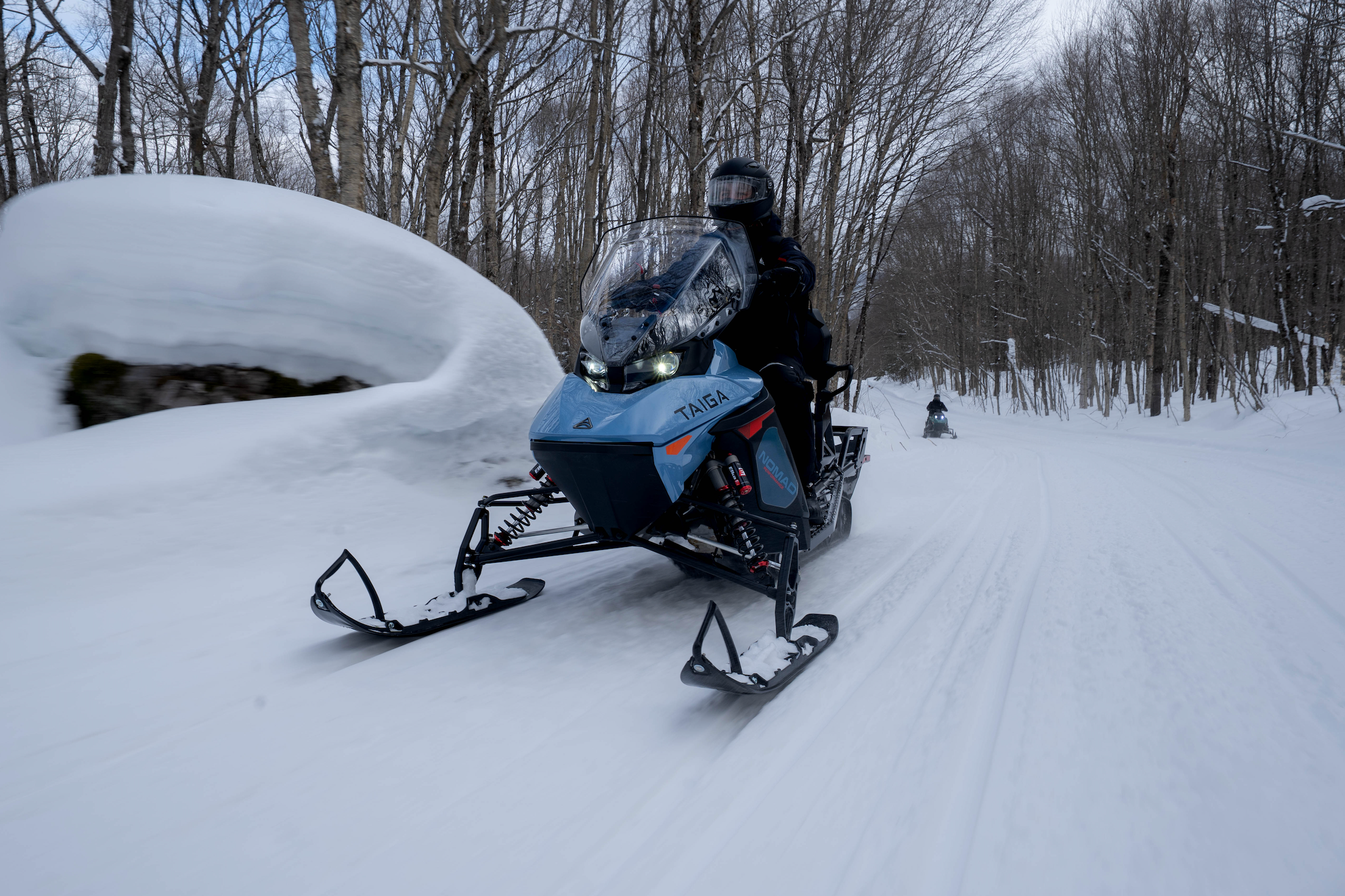
Canadian innovation is poised to accelerate the decarbonization of Europe’s iconic ski resorts, with Montreal-based Taiga Motors launching three new electric snowmobile models this month. These advanced vehicles are specifically engineered to meet the burgeoning demand from European ski destinations committed to drastically reducing their greenhouse gas emissions, marking a significant step in the winter sports industry’s sustainability transition. The company has already demonstrated substantial market penetration, reporting approximately 2,000 units shipped to date, primarily targeting countries like France and Norway, where Alpine tourism is rapidly emerging as its fastest-growing market segment.
The introduction of these electric snowmobiles arrives at a critical juncture for the European ski industry, which faces increasing pressure from environmental regulations, consumer demand for sustainable tourism, and the undeniable impacts of climate change on snow reliability. Samuel Bruneau, co-founder and CEO of Taiga Motors, highlighted the foundational effort behind their offerings, stating, "We’ve spent a decade building the core technology from scratch – the motors, the software, the battery systems – because it simply didn’t exist for this kind of vehicle." This extensive research and development underscores the unique challenges of electrifying vehicles operating in extreme cold and rugged mountain environments.
The Urgent Imperative for Decarbonization in Winter Sports
The ski and snow tourism sector in Europe is grappling with a substantial carbon footprint, predominantly driven by its operational machinery. According to Domaines Skiables de France (DSF), the French ski association, an estimated 90% of emissions within the sector are directly attributable to diesel-powered snow groomers. These heavy-duty machines operate continuously for extended periods, often throughout the night, to prepare slopes, making their diesel consumption a primary environmental concern. Beyond groomers, snowmaking equipment, and other mountain vehicles, including traditional gasoline-powered snowmobiles, also contribute significantly to the industry’s overall environmental impact. The backdrop for Taiga’s timely entry into this market is the ambitious 2037 zero-emission target set by Domaines Skiables de France for its operational activities, a goal that necessitates a fundamental overhaul of existing fleets and energy infrastructure.
Climate change presents an existential threat to the winter sports industry. Rising global temperatures lead to shorter winter seasons, reduced natural snowfall, and a higher reliance on energy-intensive artificial snowmaking. A 2017 study published in Nature Climate Change projected that with a 2°C global warming scenario, more than half of the 2,234 ski resorts in the Alps could face challenges in maintaining natural snow cover without significant technological intervention. This stark reality has galvanized industry stakeholders to prioritize sustainability not merely as a corporate social responsibility but as an economic imperative for long-term viability. The European Green Deal further provides a comprehensive policy framework pushing all sectors, including tourism, towards climate neutrality by 2050.
Taiga Motors: A Decade of Pioneering Electrification
The journey of Taiga Motors began with a clear vision: to revolutionize the off-road vehicle market with electric powertrains. Samuel Bruneau’s insight into the non-existence of suitable electric technology for demanding snow vehicles prompted a ground-up development approach. This involved designing proprietary electric motors capable of delivering high torque and sustained power in frigid conditions, sophisticated battery management systems (BMS) optimized for cold-weather performance and rapid charging, and intuitive software interfaces to ensure reliability and user-friendliness. Unlike electric cars that operate mostly in ambient temperatures, snowmobiles face unique challenges such as maintaining battery efficiency in sub-zero conditions, protecting electronics from moisture and ice, and ensuring robust performance on uneven, snow-covered terrain. Taiga’s proprietary platforms, including their high-density battery packs and efficient electric drivetrains, represent a decade of overcoming these engineering hurdles.
The company’s strategic focus on the European ski market is particularly astute. With its stringent environmental regulations and a high concentration of resorts actively seeking green solutions, Europe offers fertile ground for Taiga’s offerings. The three new electric snowmobile models are designed to cater to various resort needs, from utility and patrol functions to guest transport and recreational use, providing versatile, zero-emission alternatives to their fossil-fueled counterparts. The immediate market uptake, evidenced by 2,000 units already shipped, indicates a strong alignment between Taiga’s product capabilities and the operational demands and sustainability goals of leading European resorts.
A Chronology of Sustainability in European Ski Tourism
The path towards a greener ski industry has evolved over several decades, accelerating significantly in recent years:
- 1990s-Early 2000s: Initial sustainability efforts often focused on local environmental impacts such as waste management, water conservation, and protecting biodiversity within resort areas. Energy efficiency was a secondary concern, largely driven by cost savings rather than carbon reduction targets.
- Mid-2000s: Growing awareness of climate change led to early discussions about the ski industry’s carbon footprint. Some pioneering resorts began conducting rudimentary carbon audits and exploring renewable energy sources for their buildings.
- 2010s: The advent of international climate agreements, notably the Paris Agreement in 2015, catalyzed a more strategic approach to carbon reduction. Organizations like Domaines Skiables de France (DSF) started developing comprehensive sustainability frameworks, including standardized methodologies for measuring carbon emissions across their members. This period saw increased investment in energy-efficient snowmaking technology and the exploration of hybrid or alternative fuel options for some machinery.
- Late 2010s-Present: The urgency of climate action intensified, leading to the formulation of ambitious, time-bound targets. Domaines Skiables de France officially declared its commitment to achieving zero emissions from its operational activities by 2037. This period also witnessed a surge in demand for fully electric vehicles and solutions across all operational facets, from resort transport to heavy machinery. The rise of initiatives like Protect Our Winters (POW) further amplified public and industry pressure for rapid decarbonization. Taiga Motors’ launch directly addresses this crucial phase, providing a tangible solution for a significant portion of resort vehicle fleets.
Supporting Data and the Economic Imperative of Electrification
Europe is home to thousands of ski resorts, attracting tens of millions of visitors annually and contributing billions of euros to regional economies. For instance, the French ski industry alone accounts for approximately €10 billion in annual economic activity. This economic reliance on winter sports underscores the urgency of protecting the environment that sustains it.
While snow groomers are responsible for the vast majority (90%) of emissions, the remaining 10% from other vehicles and resort operations is still substantial. A single diesel snowmobile can emit significant amounts of CO2, nitrogen oxides (NOx), and particulate matter, especially when used extensively by patrol, maintenance, or guest services. Electrifying this fleet provides multiple operational advantages beyond just emission reduction:
- Reduced Fuel Costs: Electric vehicles eliminate reliance on fluctuating and often high diesel prices. While upfront costs can be higher, the long-term total cost of ownership (TCO) often favors electric due to lower "fuel" expenses (electricity) and reduced maintenance.
- Lower Maintenance: Electric powertrains have fewer moving parts compared to internal combustion engines, leading to fewer breakdowns, less frequent servicing, and reduced spare parts requirements. This translates to less downtime and lower labor costs for resort maintenance teams.
- Noise Reduction: Electric snowmobiles operate with significantly less noise than their gasoline counterparts. This not only enhances the experience for guests and staff but also reduces disturbance to local wildlife, contributing to a more serene and natural mountain environment.
- Improved Air Quality: Eliminating exhaust fumes directly improves air quality for operators, guests, and the pristine mountain ecosystem. This is particularly important in high-altitude environments where air quality can be sensitive.
- Positive Brand Image: Resorts adopting electric fleets can leverage their sustainability efforts in their marketing, appealing to a growing segment of environmentally conscious travelers and enhancing their reputation as responsible tourism operators.
Statements and Reactions from Related Parties
The launch of Taiga Motors’ electric snowmobiles has been met with positive, albeit cautious, enthusiasm from various stakeholders:
François Dupont, Operations Manager at a major French Alpine resort (hypothetical, but representative of industry sentiment): "We see Taiga’s electric snowmobiles as a crucial step towards our carbon-neutral goals. The reduction in noise and emissions directly benefits our pristine mountain environment and enhances the experience for our guests. We’ve been actively seeking robust electric alternatives, and Taiga’s decade of development in this niche gives us confidence in their performance, even in our challenging conditions. It’s not just about compliance; it’s about preserving the very essence of what makes the Alps special."
Marie Dubois, spokesperson for Domaines Skiables de France: "Achieving our 2037 zero-emission target requires a fundamental shift in how we operate, and that includes electrifying our entire fleet of mountain vehicles. Manufacturers like Taiga Motors are instrumental in providing the clean technologies needed to electrify our fleets and preserve the future of winter sports. Their commitment to building cold-weather specific technology from the ground up is precisely what our industry needs to meet these ambitious environmental objectives."
Dr. Lena Schmidt, Senior Analyst at the European Environmental Agency: "While the electrification of snowmobiles is a welcome development, the industry must accelerate the transition for all heavy machinery, particularly snow groomers, to truly make a significant impact on its carbon footprint. These innovations demonstrate that clean alternatives are viable, and we urge policymakers and industry leaders to invest further in the necessary infrastructure and incentives to scale these solutions rapidly across all aspects of mountain operations."
Broader Impact and Implications
Taiga Motors’ successful penetration into the European ski market holds several broader implications for the winter sports industry and beyond. Firstly, it serves as a powerful catalyst for change. The proven viability and operational benefits of electric snowmobiles will likely accelerate the demand for electrification across other segments of mountain vehicles, including smaller utility vehicles, people carriers, and potentially even smaller groomers as technology advances. This momentum could create a virtuous cycle, driving further innovation and competition in the electric off-road vehicle market.
Secondly, the technological advancements pioneered by Taiga in developing robust electric powertrains and battery systems for extreme cold environments could have significant spillover effects. This expertise might be transferable to other sectors requiring durable electric vehicles for harsh conditions, such as forestry, mining, or Arctic exploration.
Thirdly, sustainability is rapidly becoming a competitive differentiator for ski resorts. Destinations that visibly invest in green technologies and achieve significant emission reductions are likely to attract a growing demographic of eco-conscious tourists. This "green branding" will become an increasingly important aspect of marketing and strategic positioning for resorts vying for market share in a climate-sensitive world.
However, challenges remain. The widespread adoption of electric fleets necessitates significant infrastructure development, including the installation of robust charging networks across often remote mountain locations. Ensuring that this electricity comes from renewable sources is also crucial to realize the full environmental benefits. The initial capital investment for transitioning to electric fleets can be substantial, requiring supportive financing mechanisms and government incentives. While Taiga has made strides with snowmobiles, the complete electrification of heavy snow groomers remains a more complex engineering and economic hurdle, although pilot projects and prototypes are emerging.
In conclusion, Taiga Motors’ entry into the European market with its electric snowmobiles represents more than just a product launch; it symbolizes a tangible shift in the winter sports industry’s commitment to a sustainable future. By providing effective, zero-emission alternatives, Taiga is not only helping resorts meet their environmental targets but also contributing to the preservation of the pristine mountain environments that are the very foundation of their existence. The journey towards a fully decarbonized ski industry is ongoing, but with innovations like those from Taiga Motors, the horizon appears increasingly green.




 Walid Sujud Trenggono
 Anjar Salim
 Chandra Hamzah

 Budi Mulyono