
 Anjar Salim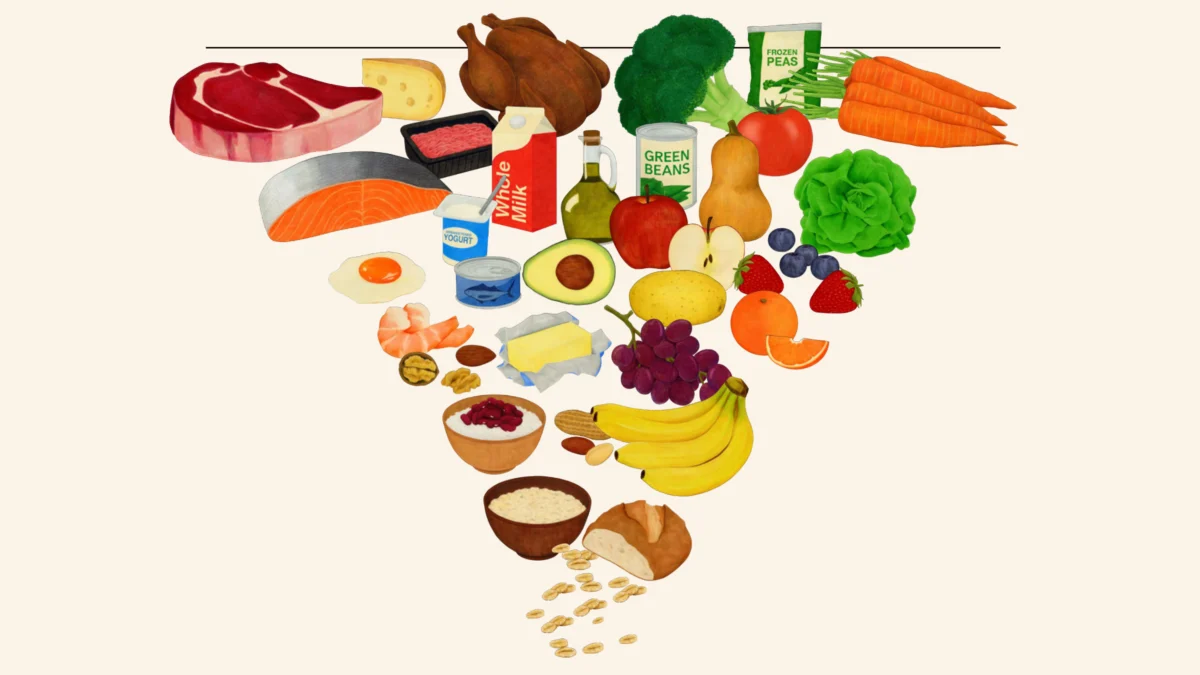
The United States Department of Agriculture (USDA) and the Department of Health and Human Services (HHS) have officially released the 2026-2031 Dietary Guidelines for Americans (DGA), marking one of the most significant shifts in federal nutrition policy since the inception of the food pyramid in 1992. Updated every five years by congressional mandate, the DGA serves as the foundational blueprint for federal nutrition programs, including school lunches, the Special Supplemental Nutrition Program for Women, Infants, and Children (WIC), and military rations. The 2026 edition, however, has sparked intense debate within the scientific and athletic communities due to its "MAHA-influenced" (Make America Healthy Again) architecture, which prioritizes animal proteins and whole foods while significantly demoting grains and processed carbohydrates.
In a departure from the "MyPlate" visual used over the last decade, the new guidelines reintroduce a pyramid structure, but with a radical inversion. Protein-dense animal products, including beef, poultry, and fish, now occupy the top tier alongside whole fruits and vegetables. Conversely, grains—both whole and refined—have been relegated to the bottom, signifying a reduced emphasis on carbohydrates as the primary caloric driver for the general population. This structural change is designed to address rising rates of metabolic syndrome and insulin resistance, yet it presents a complex set of challenges for endurance athletes and highly active individuals who rely on glycogen stores for performance.
The Evolution of Federal Nutrition Policy: A Brief Chronology
To understand the magnitude of the 2026 update, it is necessary to examine the history of federal dietary advice. The first set of guidelines was published in 1980, focusing primarily on avoiding excessive fat and sugar. In 1992, the USDA introduced the Food Guide Pyramid, which famously placed bread, cereal, rice, and pasta at the base, suggesting 6–11 servings per day. By 2005, the pyramid was updated to "MyPyramid," which added a physical activity component but remained grain-heavy.
In 2011, the Obama administration replaced the pyramid with "MyPlate," a simplified graphic intended to show the proportions of food groups on a dinner plate. The 2020–2025 guidelines were notable for being the first to include nutritional advice for infants and toddlers. The 2026 iteration, however, represents a pivot toward a nutrient-density model influenced by the MAHA movement, which gained political traction in 2024 and 2025. This movement emphasizes the elimination of seed oils, the reduction of ultra-processed foods (UPFs), and a return to "ancestral" eating patterns.
Key Changes in Nutrient Recommendations
The 2026 DGA introduces several specific quantitative shifts that differ from previous cycles. One of the most prominent changes is the adjustment of the Recommended Dietary Allowance (RDA) for protein. While the previous guidelines suggested a modest 0.8 grams of protein per kilogram of body weight for the average adult, the new guidelines raise this target to a range of 1.2 to 1.6 grams per kilogram.
This increase is supported by a growing body of clinical evidence suggesting that higher protein intake is essential for maintaining lean muscle mass, particularly in aging populations and those engaging in regular resistance training. For a 180-pound (81.6 kg) individual, this represents a shift from approximately 65 grams of protein per day to between 98 and 130 grams.
Furthermore, the guidelines take an aggressive stance against ultra-processed foods. Defined as industrial formulations containing additives such as emulsifiers, artificial flavorings, and high-fructose corn syrup, UPFs currently account for nearly 60% of the average American’s caloric intake. The 2026 DGA explicitly recommends that these products be limited to less than 10% of total daily calories, citing links to chronic inflammation and obesity.
The Athlete’s Dilemma: Carbohydrate Demotion and Glycogen Management
While the general population may benefit from a reduction in refined carbohydrates, sports dietitians are expressing concern regarding the demotion of grains for the athletic community. Carbohydrates are the primary fuel source for high-intensity and endurance exercise. When the body undergoes strenuous activity, it relies on glycogen stored in the muscles and liver.
Kim Schwabenbauer, a sports dietitian and former professional triathlete, notes that a rigid adherence to the new inverted pyramid could lead to "under-fueling" among runners and cyclists. "The metabolic demands of a marathoner are fundamentally different from those of a sedentary office worker," Schwabenbauer explains. "By pushing grains to the bottom and prioritizing protein, we risk a scenario where athletes suffer from premature fatigue, impaired recovery, and increased cortisol levels due to insufficient glucose availability."
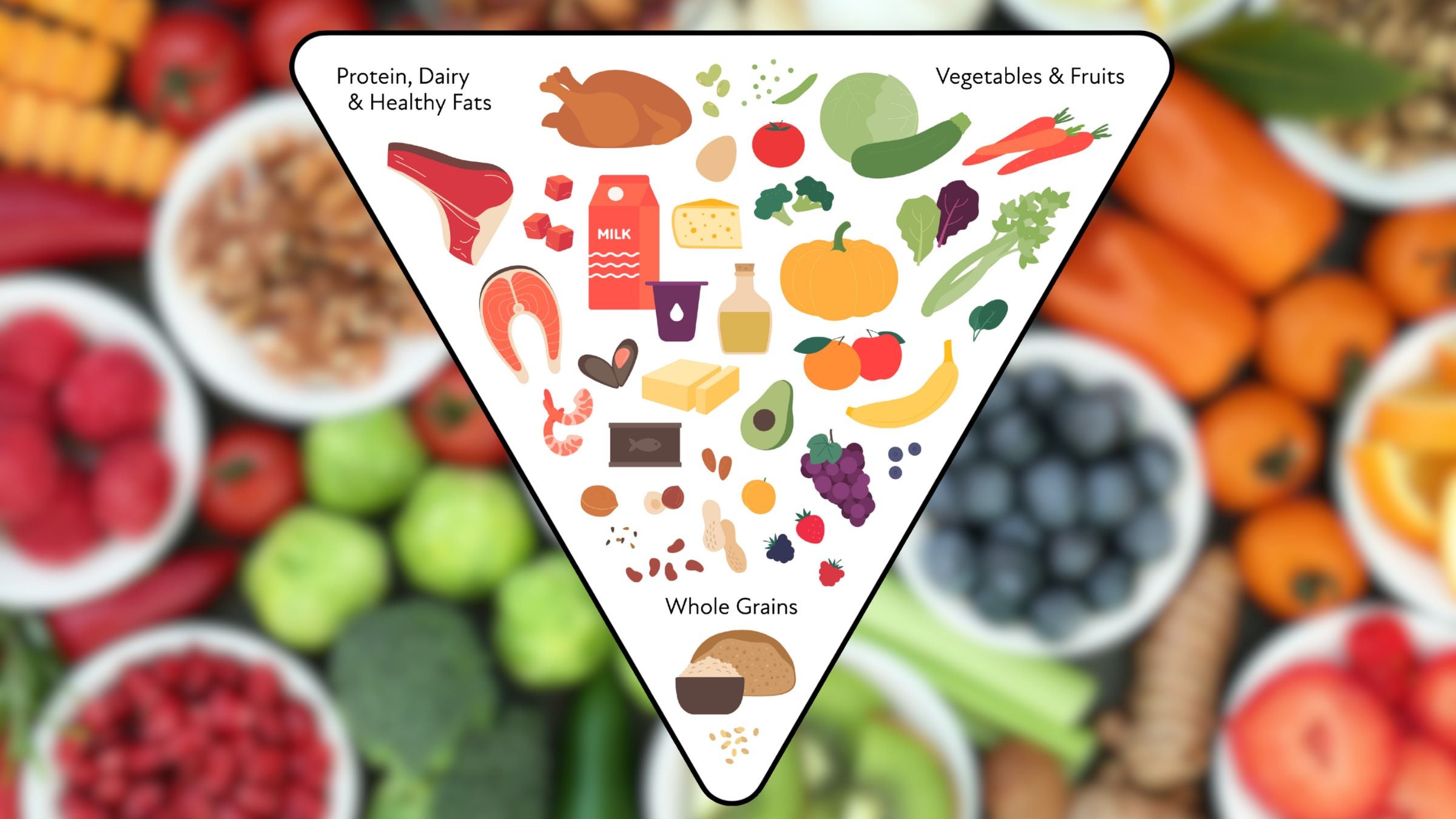
The 2026 guidelines suggest 2–4 servings of whole grains per day for the average person, but they include a footnote stating that "highly active individuals" may require significantly more. However, critics argue that the visual representation of the pyramid—which focuses on steak and salmon over oats and pasta—may lead to a "carb-phobic" culture that hinders performance. Research consistently shows that for exercise lasting longer than 90 minutes, carbohydrate ingestion at a rate of 30–90 grams per hour is critical for maintaining blood glucose levels.
Saturated Fat and the Seed Oil Debate
Perhaps the most controversial aspect of the 2026 DGA is its handling of dietary fats. For decades, federal guidelines have urged Americans to replace saturated fats (found in butter and beef) with polyunsaturated fats (found in vegetable and seed oils). The 2026 guidelines maintain a 10% cap on saturated fat intake but simultaneously encourage the consumption of full-fat dairy and grass-fed meats.
This creates a statistical paradox for the consumer. A single serving of ribeye steak and a glass of whole milk can easily push an individual toward the 10% saturated fat limit. The guidelines attempt to resolve this by suggesting that "naturally occurring" fats in whole foods are preferable to "chemically extracted" oils. However, the American Heart Association (AHA) has voiced caution, maintaining that the link between saturated fat and LDL cholesterol remains a significant public health concern.
The guidelines also include a shaky "fact-check" regarding olive oil. While the DGA praises olive oil for its cardiovascular benefits, it erroneously labels it as a primary source of essential fatty acids. In reality, essential fatty acids (Omega-3 and Omega-6) are found in higher concentrations in fatty fish, walnuts, and certain seed oils—many of the very oils the MAHA-influenced guidelines seek to minimize.
Industry and Institutional Reactions
The release of the 2026 DGA has prompted a flurry of reactions from various stakeholders. The North American Meat Institute (NAMI) lauded the guidelines, calling them "a long-overdue recognition of the essential role of high-quality animal protein in the American diet." Conversely, the Grain Foods Foundation expressed disappointment, stating that the demotion of grains ignores the role of fortified cereals in preventing nutrient deficiencies, such as folic acid and iron.
Public health advocates have also weighed in on the alcohol recommendations. The 2026 update offers a softer tone than the 2020 version, which had flirted with recommending a "zero-drink" policy. The new text suggests consuming "less alcohol for better health," a phrasing that some experts argue is too vague to combat the rising rates of alcohol-related liver disease. From an athletic perspective, alcohol remains a significant detractor from performance, as it impairs muscle protein synthesis and disrupts sleep cycles.
Broader Impact and Long-Term Implications
The 2026 Dietary Guidelines for Americans will have a profound ripple effect across the U.S. economy and healthcare system. As school lunch programs begin to transition away from bread-heavy menus toward protein-centric meals, the agricultural sector may see a shift in demand from grain commodities to livestock and dairy.
From a clinical standpoint, the focus on whole foods and the reduction of UPFs could potentially slow the trajectory of Type 2 diabetes and non-alcoholic fatty acid liver disease (NAFLD). However, the success of these guidelines depends on accessibility. Whole foods, particularly fresh meat and produce, are often more expensive and less shelf-stable than the processed grains they are intended to replace. Without corresponding policy changes to make whole foods more affordable for low-income populations, the 2026 DGA may inadvertently widen the health disparity gap.
For the American athlete, the message is clear: while the national "blueprint" has changed, individual needs remain paramount. The 2026 guidelines provide a useful framework for metabolic health and recovery through increased protein, but the "inverted pyramid" must be adapted to include the specific carbohydrate requirements necessary to fuel a body in motion. As the nation embarks on this new nutritional experiment, the results will be measured in the coming years through national health statistics and, for the athletic community, on the finish lines of race tracks across the country.




 Chandra Hamzah
 Tatiana Tantri Indah Sari
 Walid Sujud Trenggono
 Budi Mulyono