Anjar Salim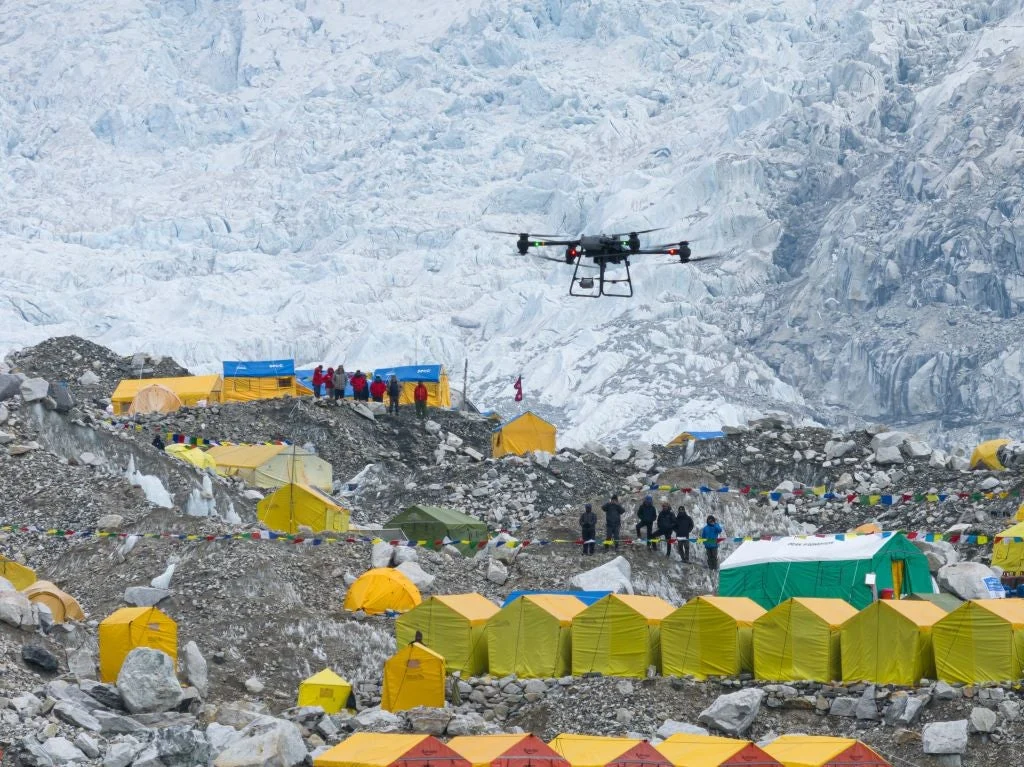
The annual spring pilgrimage to the world’s highest peak has officially commenced as hundreds of international climbers descend upon Kathmandu this week. As the April sun begins to warm the Himalayas, these mountaineers are finalizing logistics for their acclimatization treks and the grueling 40-mile journey from the Lukla airstrip to Everest Base Camp. However, the 2026 season is shaping up to be one of the most complex in the mountain’s history, defined by a massive $19 million insurance scandal, a revolutionary shift toward drone-based logistics, and a new populist government in Nepal that is signaling a radical departure from decades of mountaineering policy.
At the foot of Mount Everest, the specialized team of Sherpas known as the "Icefall Doctors" is already confronting the physical challenges of the season. Early reports from the Khumbu Glacier indicate unseasonably deep snowpacks, making the task of fixing ropes and ladders through the treacherous Khumbu Icefall particularly difficult. This section, a shifting labyrinth of crevasses and towering ice seracs, remains the most dangerous portion of the South Col route. The Icefall Doctors must secure a path to Camp I (approximately 19,685 feet) before the main body of climbers can begin their high-altitude rotations.
The $19 Million Insurance Fraud Scandal and Its Impact
The dominant storyline of the pre-season is not a feat of climbing, but a massive 1,200-page government report detailing a sophisticated insurance fraud racket. The investigation, spearheaded by the Nepali government and first reported by the Kathmandu Post, alleges that between 2022 and 2025, a syndicate of trekking agencies, helicopter operators, and hospitals defrauded international insurers of over $19 million.
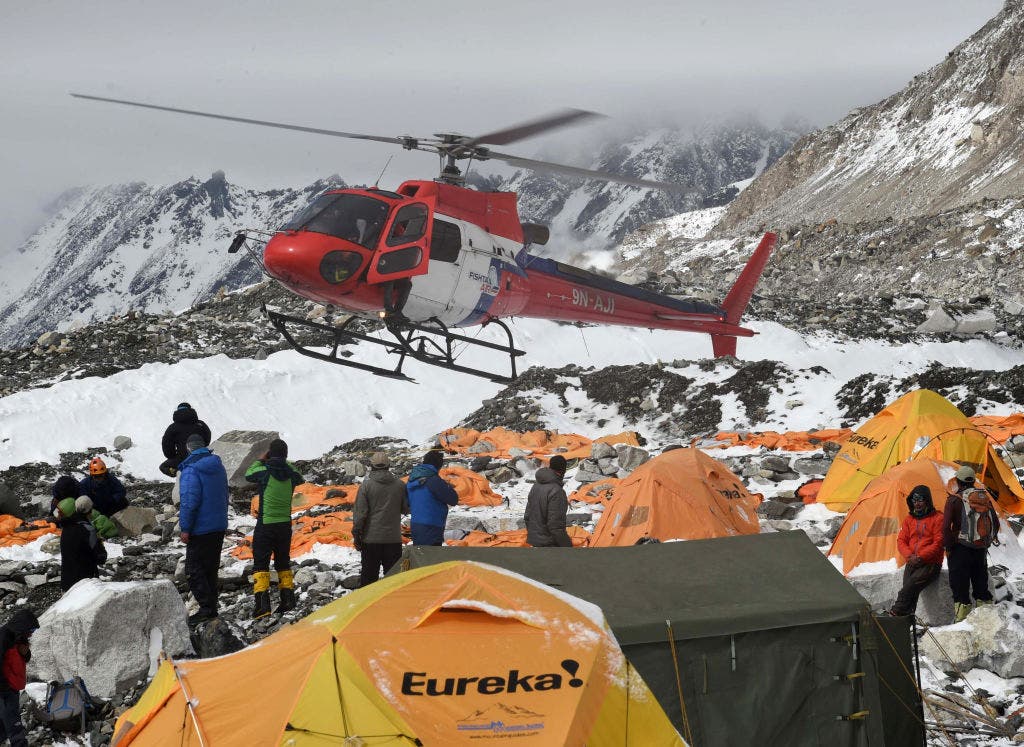
The scheme primarily targeted the trekking industry rather than high-altitude mountaineering. According to the report, unscrupulous guides would intentionally induce illness in their clients—sometimes by adding baking soda to their food to simulate symptoms of altitude sickness—to justify expensive emergency helicopter evacuations. These evacuations, which can cost between $5,000 and $15,000 per flight, were often billed multiple times or inflated through kickback agreements with private hospitals in Kathmandu.
To date, ten individuals have been arrested, though 22 others named in the report remain at large. This scandal has sent shockwaves through the global travel insurance industry, with several major firms threatening to hike premiums for Nepal-bound travelers or cease coverage for helicopter rescues entirely. For the 2026 season, the government has implemented stricter verification protocols for emergency flights, though expedition leaders worry these bureaucratic hurdles could delay life-saving rescues during the chaotic summit windows in May.
Technological Transformation: Drones in the Khumbu Icefall
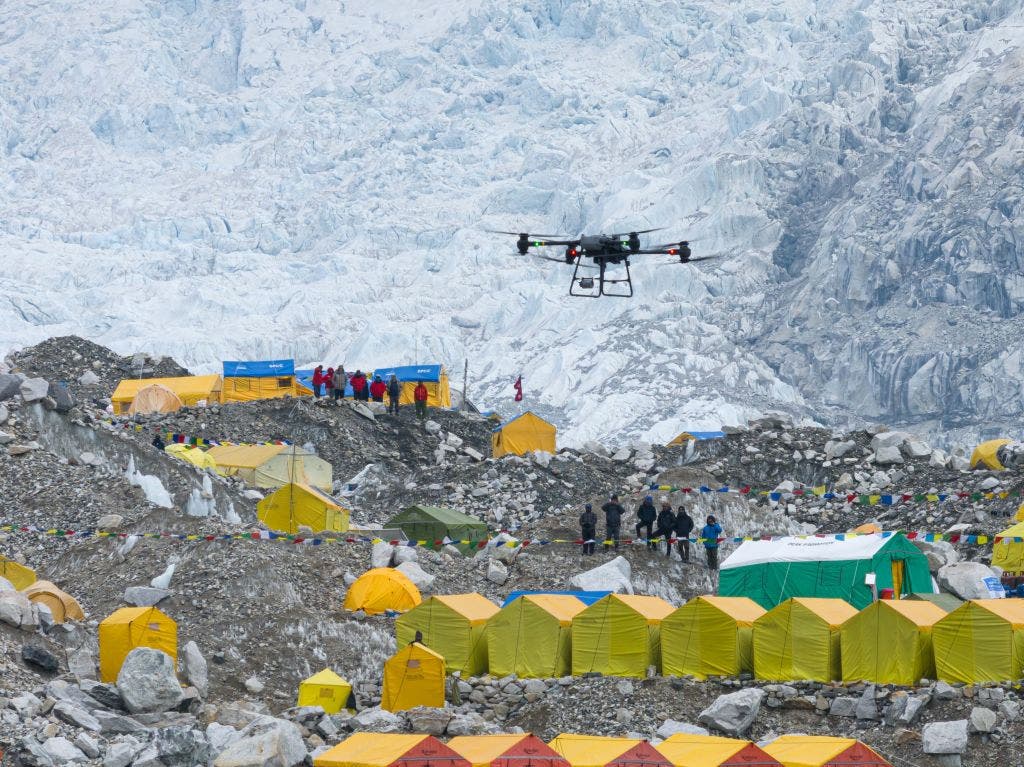
While the helicopter industry faces scrutiny, the 2026 season marks a definitive turning point for high-altitude logistics through the introduction of heavy-lift drones. Following a successful pilot program in 2025, local operators are now deploying industrial-grade unmanned aerial vehicles (UAVs) to ferry supplies between Base Camp (17,500 feet) and Camp I (20,000 feet).
The primary drone in use is the DJI FlyCart 30, a Chinese-manufactured model capable of lifting upwards of 110 pounds even in the thin air of the Himalayas. American-made heavy-lift drones are also scheduled for testing this spring. These drones can complete the transit over the Khumbu Icefall in approximately 12 minutes—a journey that typically takes a Sherpa porter several hours of high-risk labor.
The environmental and safety implications of this technology are profound. By using drones to deliver oxygen cylinders, ropes, and food, and subsequently using them to fly human waste and garbage back down to Base Camp, operators hope to significantly reduce the number of "Icefall laps" required by Sherpa staff. This shift is expected to decrease the casualty rate among local workers, who have historically borne the brunt of the risks associated with the Icefall’s unpredictable collapses.
A New Political Era: The Rise of Balendra Shah
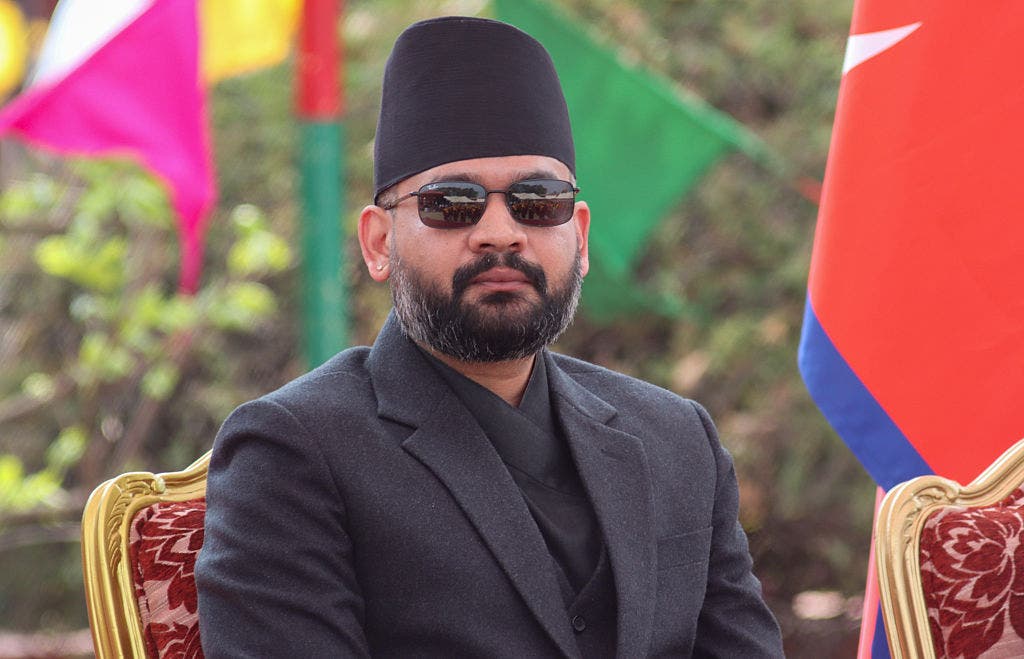
The management of Mount Everest is also under the lens of a new political administration in Kathmandu. In March 2026, Nepal underwent a seismic political shift with the election of Balendra Shah as Prime Minister. A 35-year-old former rapper and structural engineer, Shah leads the Rastriya Swatantra Party (RSP), which secured a near super-majority by tapping into public frustration with the "old guard" parties that have dominated Nepal for two decades.
Shah’s administration has expressed a clear intent to professionalize the mountaineering industry. One of the most significant proposed reforms is a new permit requirement: climbers would be mandated to summit a 7,000-meter peak within Nepal before being granted an Everest permit. This move aims to curb the influx of "novice" climbers who often rely heavily on Sherpa support and supplemental oxygen but lack the fundamental skills to navigate high-altitude emergencies.
Supporting these reforms is Mingma David Sherpa, a world-record-holding climber who was recently elected to Parliament under the RSP banner. Mingma David, who has reached the summit of Everest nine times, has advocated for even stricter rules, including a mandatory 8,000-meter ascent elsewhere before attempting Everest. "We need to reduce the number of people dying on our mountains," Mingma David told reporters. "Everest should be a pinnacle of a career, not a trophy for the wealthy with no experience."
2026 Permit Trends and Global Disruptions
Despite the domestic political changes and the fraud scandal, international interest in Everest remains robust, though slightly tempered compared to previous record-breaking years. According to official documents, the Nepali government is expected to issue approximately 400 climbing permits for the 2026 spring season. This represents a decrease from the 517 permits issued in 2025.
The decline is attributed in part to extensive travel disruptions caused by ongoing conflict in the Middle East, which has complicated flight routes and increased insurance costs for European and American expeditions. Furthermore, the Chinese government has maintained strict and often unpredictable regulations for the North Side (Tibet) route, continuing the trend of the South Side (Nepal) bearing the vast majority of the world’s Everest traffic.
Celebrity Climbers and Record-Chasing Athletes
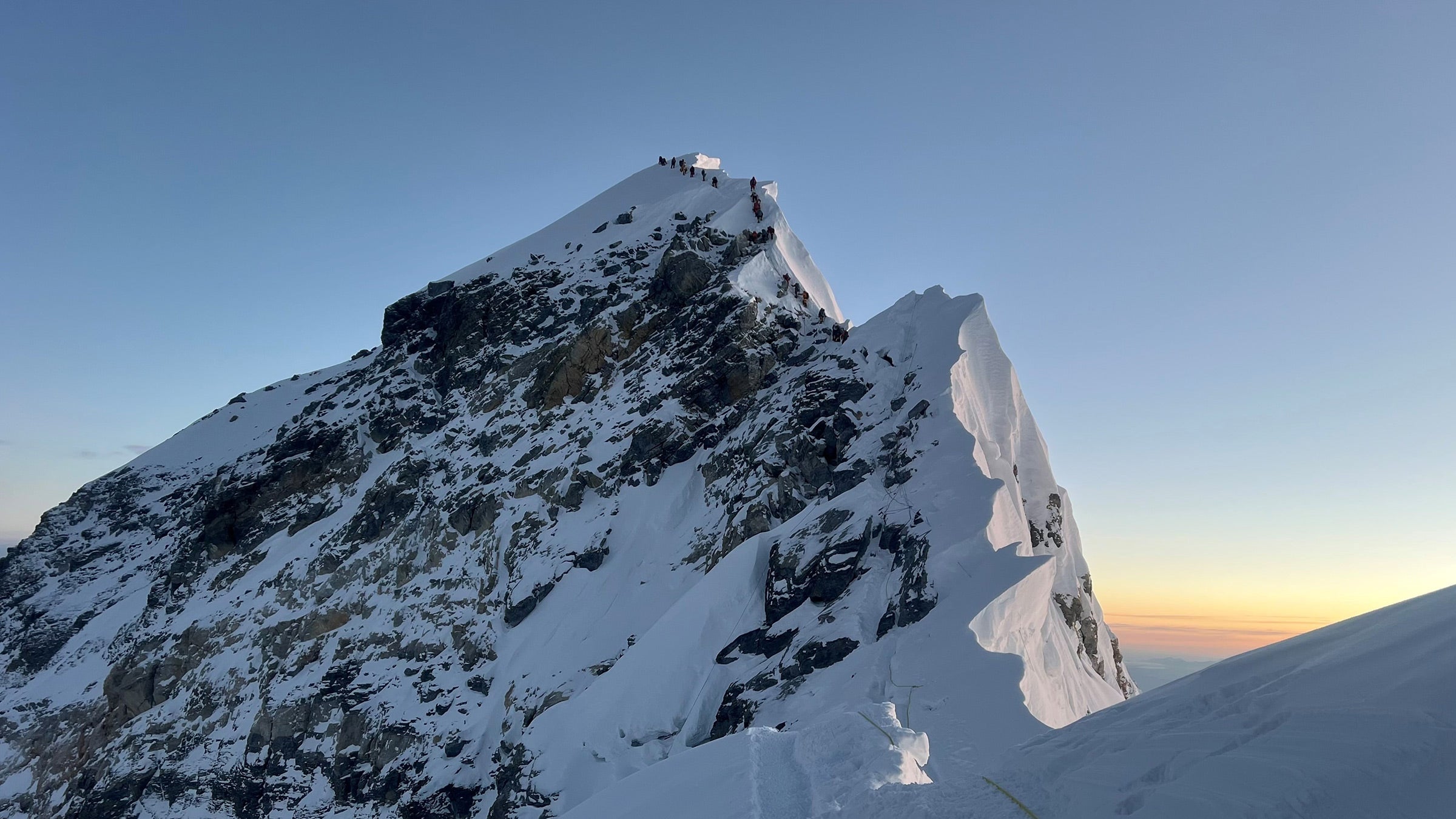
The 2026 season features a high-profile roster of elite athletes and influencers. Among the most watched is Norwegian climber Kristin Harila, who currently holds the record for the fastest ascent of all 14 of the world’s 8,000-meter peaks. Harila has returned to attempt the "Everest Triple Crown"—summiting Everest (29,032 ft), Lhotse (27,940 ft), and Nuptse (25,791 ft) in a single continuous push without the use of supplemental oxygen.
In the realm of speed records, American ultrarunner Tyler Andrews and Swiss-Ecuadorian Karl Egloff are both back at Base Camp. Both athletes are vying for the Fastest Known Time (FKT) for an oxygen-free ascent from Base Camp to the summit. Andrews made four attempts in 2025 but was thwarted by weather and deep snow; his return signifies the growing intersection of mountain running and high-altitude mountaineering.
Cultural figures are also present, including Ryan Mitchell, a 20-year-old American YouTuber and professional gamer. Mitchell, who gained fame for his video "How Climbing Mount Everest Ruined My Life" following his 2025 ascent, is attempting to summit this year without supplemental oxygen alongside veteran guide Justin Sackett. Meanwhile, Lhakpa Sherpa is seeking her 11th summit to extend her record for the most ascents by a woman, and Kami Rita Sherpa is aiming for his 32nd summit, further cementing his status as the most frequent Everest summiteer in history.
Human-Powered Expeditions: From Sea to Summit
A notable trend in 2026 is the "Sea to Summit" movement, where climbers eschew the traditional flight to Lukla in favor of human-powered approaches starting at sea level. Romanian adventurer Cris Cristea is currently walking from Digha, India, a journey of nearly 1,300 miles that will culminate in an Everest attempt. Similarly, Australian Oliver Foran is cycling from the Indian coast to the Himalayas before trekking the final 100 miles to Base Camp, aiming to break the 60-day record for a sea-to-summit journey.
Perhaps the most ambitious project is "Summit to Sea," led by Nepali climbers Chandra B Ale, Ang Tshering Lama, and Nishan Adhikari. The trio plans to summit Everest and then travel by foot to the foothills, where they will kayak down the Ganges river system to the Bay of Bengal. This 1,800-mile expedition is designed to raise awareness about the impact of climate change on the Himalayan watershed.
"The climb is only the beginning," Ang Tshering Lama noted. "The real challenge will be navigating the river systems and the environmental degradation we see as the glaciers melt."

Conclusion: A Season of Transition
As the 2026 season unfolds, Mount Everest remains a microcosm of global trends—where cutting-edge technology meets ancient geography, and where populist politics attempts to clean up commercial exploitation. The success of the drone program and the outcome of the fraud investigations will likely dictate the mountain’s management for the next decade. For the 400 climbers currently acclimatizing in the thin air, the focus remains on the weather windows of May, but for the nation of Nepal, the stakes of this season extend far beyond the summit.


 Chandra Hamzah
 Tatiana Tantri Indah Sari
 Budi Mulyono