Chandra Hamzah
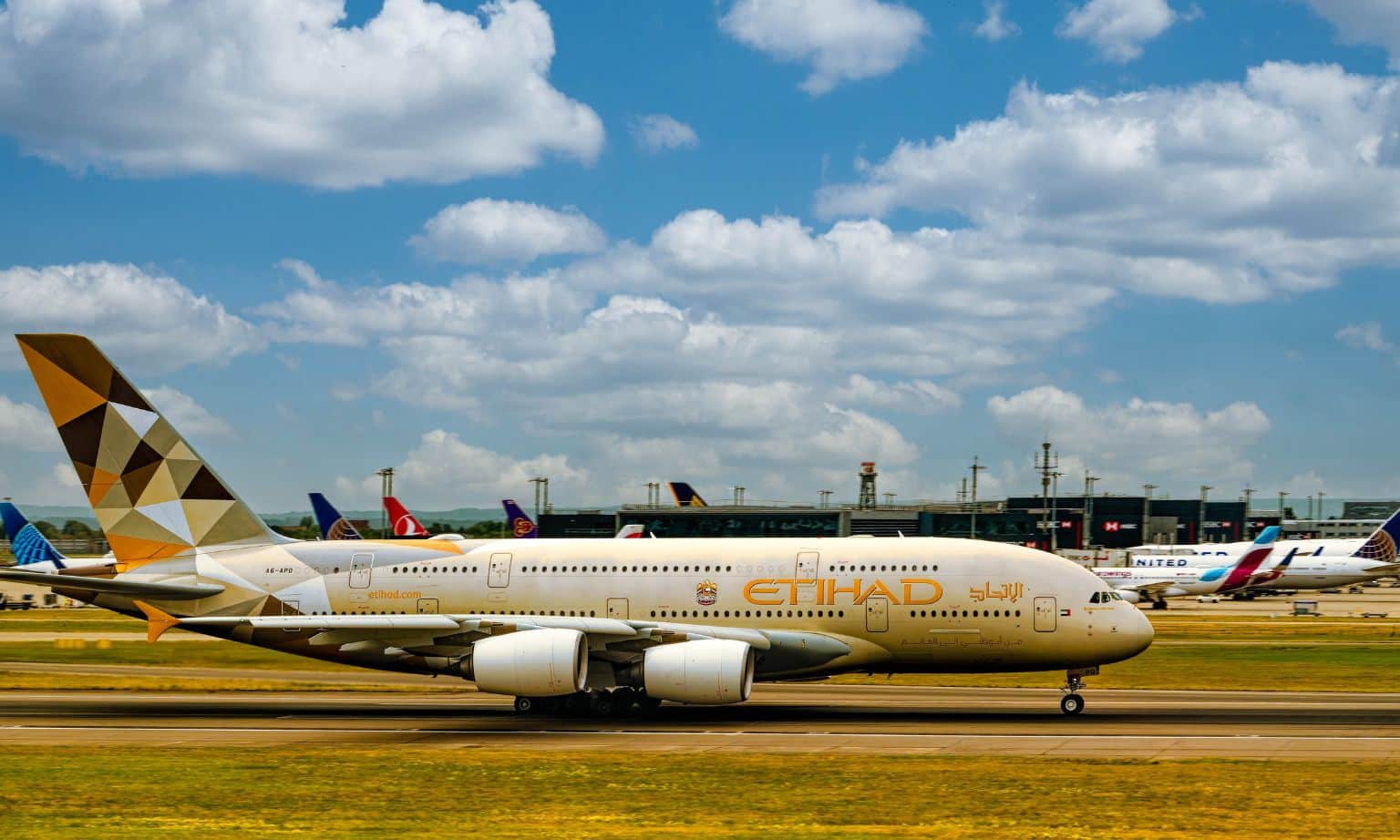
Australian holidaymakers dreaming of a European summer cruise are facing a significant dilemma, tempted by unprecedentedly low airfares offered by prominent Middle Eastern airlines such as Etihad and Qatar Airways. These attractive prices, particularly for flights originating from Australia to European destinations, present a seemingly golden opportunity for budget-conscious travellers. However, beneath the surface of these compelling deals lies a complex web of geopolitical uncertainty and travel advisories that could render them a high-risk gamble.
The current geopolitical landscape, marked by ongoing conflict in the Middle East, has significantly impacted air travel dynamics. Major airlines, in an effort to stimulate demand amidst traveller apprehension, have drastically reduced fares for routes transiting through key Middle Eastern hubs. For instance, return flights from Sydney to London are being advertised for as little as $1570 in economy class, with business class fares dropping to around $3500, prices substantially lower than historical pre-conflict benchmarks. These promotional fares are not isolated incidents; they are available across a spectrum of travel dates throughout the European summer, presenting what, on the surface, appears to be an ideal scenario for last-minute European travel planning.
However, the adage "if it sounds too good to be true, it probably is" holds particular weight in this situation. The primary concern for prospective travellers is the very viability of these flights. The volatile situation in the region raises serious questions about the continuity of flight operations. Should these flights proceed, another significant hurdle emerges: travel insurance coverage. Australian government travel advisories, notably the "Do Not Travel" status for countries like the UAE and Qatar, have a direct implication on insurance policies, potentially leaving passengers uninsured in the event of unforeseen disruptions.
Geopolitical Undercurrents and the Price Drop
The current wave of discounted flights is a direct consequence of the escalating tensions in the Middle East. The conflict, which has seen various regional actors engaged in hostilities, has created an environment of fear and uncertainty, deterring many from booking travel that transits through or near affected areas. Airlines, keen to maintain passenger loads and revenue streams, are employing aggressive pricing strategies to counteract this hesitancy. The reduction in fares for flights from Australia to Europe via hubs like Dubai and Doha is a clear indicator of this strategy.
This pricing strategy is not without precedent. Historically, during periods of regional instability, airlines have often resorted to fare reductions to stimulate demand. However, the current situation is particularly nuanced due to the protracted nature of the conflict and the significant geopolitical implications. The unpredictability of the conflict means that any escalation could lead to immediate and widespread airspace closures, leaving travellers stranded.
The "Do Not Travel" Advisory: A Crucial Insurance Barrier
A critical aspect that Australian travellers must consider is the Australian Government’s Smartraveller advisory system. Currently, the United Arab Emirates (UAE) and Qatar are under a "Do Not Travel" advisory. This designation carries significant weight, particularly concerning travel insurance. Most comprehensive travel insurance policies will not provide coverage for claims arising from travel to countries or regions with a "Do Not Travel" advisory. This means that if a traveller books a flight through these regions and encounters disruptions, cancellations, or any other issues that result in financial loss, they may find themselves without any recourse through their insurance provider.
For example, if a flight is cancelled due to airspace closures, or if a traveller is unable to complete their journey as planned due to unforeseen events related to the conflict, any expenses incurred – such as rebooking fees, accommodation, or lost cruise deposits – would likely be borne entirely by the traveller. This starkly contrasts with the peace of mind that travel insurance typically provides.
Uncertainty of Airspace and Flight Operations
The fundamental issue remains the unpredictability of the situation. While flights may currently be operating through major Middle Eastern hubs like Dubai, they are often on a reduced schedule and at limited capacity. This is a direct reflection of the ongoing security concerns and the potential for airspace restrictions. The Gulf region, a vital artery for international air travel, is particularly sensitive to any shifts in the geopolitical climate. New aggressions or military actions in the Gulf states could swiftly lead to the closure of airspace over these crucial transit points.
The implications of such closures are far-reaching. For travellers booked on flights transiting through these hubs, it could mean immediate cancellations, lengthy delays, and the potential for being stranded in a foreign country. The lack of insurance coverage, as previously mentioned, exacerbates this risk, turning a potentially dream holiday into a logistical and financial nightmare.
The Risk-Reward Calculation for Australian Cruisers
For Australian holidaymakers intending to join European cruises, the decision to book these heavily discounted Middle Eastern flights involves a significant risk-reward calculation. The allure of substantial savings is undeniable, especially when juxtaposed with the prospect of a coveted European summer cruise. Many travellers may harbour a hopeful outlook, believing that the geopolitical situation will de-escalate before their travel dates, thus allowing them to secure a remarkable deal and enjoy their holiday without incident.
However, this optimism must be tempered with a realistic assessment of the current realities. Analysts and geopolitical experts have offered no definitive timeline for the resolution of the conflict. The situation is described as complex and uncertain, with the potential for unforeseen developments. This ambiguity makes it exceptionally difficult to predict the safety and reliability of travel through the region in the coming months.
Exploring Alternative Travel Strategies
Given the inherent risks, travellers seeking to reach Europe for their cruises might consider alternative strategies:
- Direct Flights or Alternative Hubs: While often more expensive, direct flights to Europe from Australia, or flights connecting through less volatile regions like Southeast Asia or North America, offer greater certainty and are typically covered by standard travel insurance. While the price point will be higher, the peace of mind and security gained can be invaluable.
- Flexible Booking Options: Some airlines might offer flexible fare options that allow for changes or cancellations with fewer penalties. However, it is crucial to scrutinise the terms and conditions of these fares, as they may still be subject to the overarching travel advisories and insurance limitations.
- "Wait and See" Approach: For those with flexibility in their travel dates, delaying booking until the geopolitical situation becomes clearer could be a prudent approach. While this might mean missing out on the absolute lowest fares, it significantly reduces the risk of booking a flight that may never materialise or leaves travellers stranded.
Official Responses and Travel Advice
The Australian Department of Foreign Affairs and Trade (DFAT), through its Smartraveller website, provides critical advice for Australians travelling overseas. The "Do Not Travel" designation for the UAE and Qatar is a strong indicator of the perceived risk by the Australian government. This advice is based on comprehensive risk assessments and intelligence from various sources. Travellers are strongly encouraged to consult Smartraveller for the most up-to-date information and to understand the implications of these advisories on their travel plans and insurance.
Aviation authorities and international bodies are closely monitoring the situation. While major airlines are attempting to maintain operational continuity, they are also bound by safety regulations and airspace restrictions that can be imposed with little notice. The International Air Transport Association (IATA) and the International Civil Aviation Organization (ICAO) play roles in coordinating responses to airspace closures and ensuring the safety of air travel, but their ability to influence the geopolitical factors driving these decisions is limited.
The Broader Impact on the Travel Industry
The current situation highlights the vulnerability of the global travel industry to geopolitical events. The Middle East is a critical transit region for a significant portion of international air traffic, and any disruption in this area has ripple effects across the globe. For cruise lines that rely on passengers reaching their embarkation ports, the uncertainty surrounding flight availability and safety can lead to complex logistical challenges and potential financial losses if passengers are unable to travel.
The discounted fares, while attractive to consumers, also reflect the financial pressures on airlines operating in a high-risk environment. The long-term stability of these routes and pricing remains uncertain, dependent on the evolving geopolitical situation.
Conclusion: A Calculated Risk for a Dream Cruise
Ultimately, the decision to book heavily discounted flights through the Middle East for a European cruise rests with the individual traveller. The savings are substantial, but the risks associated with geopolitical instability, potential flight cancellations, and the invalidation of travel insurance are equally significant.
Travellers are advised to conduct thorough research, understand the limitations of their travel insurance, and consult official government travel advisories. Weighing the allure of a bargain against the potential for significant disruption and financial loss is paramount. For many, the peace of mind offered by more conventional, albeit more expensive, travel options may ultimately prove to be the more prudent choice when planning a once-in-a-lifetime European cruise. The dream of a European summer should not be overshadowed by the nightmare of being stranded, uninsured, in a volatile region.




 Walid Sujud Trenggono
 Budi Mulyono
 Anjar Salim