
 Cholid Fahmi Thalib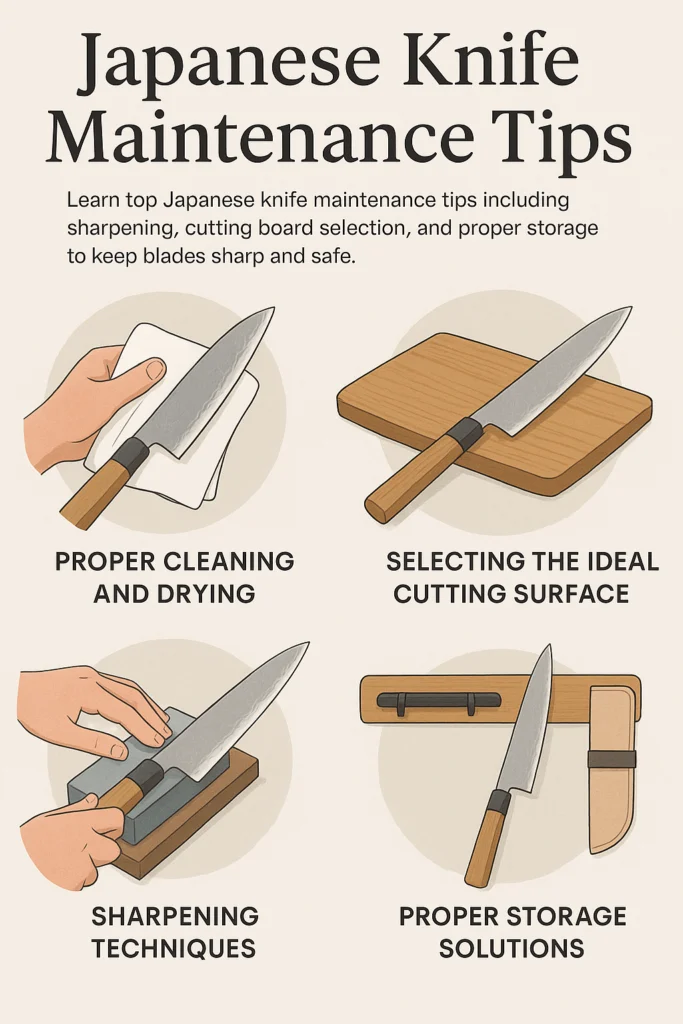
Mastering Japanese knife maintenance tips preserves the sharpness, balance, and beauty of these finely crafted tools. Japanese knives are renowned for their precision, thin edges, and elegant design, but neglecting care can reduce performance, damage the blade, and even affect cooking results. Understanding how to clean, sharpen, store, and use these knives correctly transforms them from delicate instruments into durable, dependable tools. Consistent attention keeps each knife performing at its best for years to come, a testament to the meticulous craftsmanship inherent in their design and the culinary traditions they represent.
The lineage of Japanese cutlery stretches back centuries, deeply intertwined with the development of swordsmithing. These knives, often forged from high-carbon steel or layered Damascus steel, are celebrated for their exceptional sharpness and ability to hold an edge. Unlike their Western counterparts, which are typically thicker and more robust, Japanese knives are characterized by their thinner profiles and acute angles, enabling unparalleled precision in slicing, dicing, and intricate food preparation. This inherent delicacy, however, necessitates a specialized approach to care. The inherent value of these tools, often representing significant financial and cultural investment, underscores the importance of proper maintenance not just for performance, but for the preservation of heritage.
The Foundation of Care: Proper Cleaning and Drying
The immediate aftermath of culinary creation marks the first critical juncture in the life of a Japanese knife. Prompt and thorough cleaning directly after each use is not merely a suggestion but a fundamental requirement, particularly for blades crafted from high-carbon steel or those featuring intricate layered patterns. These materials, while offering superior sharpness, are inherently more susceptible to the corrosive effects of residual food particles, moisture, and acidic compounds left behind from ingredients. The application of warm water and a mild, pH-neutral dish soap serves as an effective means to gently remove the day’s culinary detritus – the oils, acids, and microscopic food fragments that, if left unattended, can begin the insidious process of corrosion.
Crucially, the modern dishwasher, a staple of contemporary kitchens, represents a significant adversary to the integrity of Japanese knives. The high-temperature cycles and the potent, often alkaline detergents employed by these machines can wreak havoc on both the blade and the handle. Detergents can strip away protective oils, leading to dryness and potential cracking in wooden handles, while the intense heat can warp or damage the tempering of the steel, compromising its edge retention. Furthermore, the abrasive environment within a dishwasher can lead to nicks and scratches on the blade’s delicate surface. Consequently, a manual cleaning approach, emphasizing gentle scrubbing and immediate rinsing, is paramount.
Following the wash, the drying process demands an equal measure of attention. Even a fleeting encounter with moisture can precipitate the formation of rust spots or unsightly oxidation on high-carbon steel. A soft, absorbent towel, preferably made of microfiber or lint-free cotton, should be employed to meticulously dry each blade, ensuring that no trace of moisture remains, particularly along the edge and at the heel of the blade where water can linger. This diligent, post-use routine, repeated consistently after every culinary endeavor, cultivates a habit that is instrumental in preserving the knife’s inherent sharpness, significantly extends its functional lifespan, and proactively mitigates the risk of staining and corrosion. This proactive approach transforms a routine task into an act of preservation, safeguarding the investment in these finely honed instruments.
Selecting the Ideal Cutting Surface: A Critical Partnership
The surface upon which a knife performs its duties plays an equally pivotal role in its longevity and the preservation of its keen edge. For Japanese knives, renowned for their delicate, razor-sharp blades, the choice of cutting board is a critical determinant of their long-term health. Traditional Japanese cypress (Hinoki) cutting boards are often lauded as the ideal partners for these sophisticated tools. The inherent properties of cypress wood – its relative softness coupled with remarkable durability – allow it to absorb the impact of the blade, thereby minimizing edge wear and helping to maintain that coveted, razor-sharp state. This gentle interaction between blade and board is essential for preventing micro-chipping and premature dulling.
Conversely, harder materials such as glass, stone, granite, or even metal surfaces can inflict rapid and irreparable damage upon the delicate edge of a Japanese knife. Such unforgiving materials can quickly dull the blade, and in more severe instances, lead to chipping or even fracturing of the steel. The economic implications of such damage are not insignificant, as replacing or professionally repairing a damaged high-end Japanese knife can be a substantial undertaking.
Beyond blade preservation, the selection of a wooden cutting board, particularly one like cypress, contributes to superior culinary outcomes. The yielding nature of the wood prevents the tearing or crushing of delicate ingredients, such as thinly sliced fish or tender vegetables. This results in cleaner, more precise cuts, which not only enhances the aesthetic appeal of the final dish but also preserves the texture and integrity of the food itself. To further distribute wear and extend the life of both the knife and the cutting board, it is advisable to rotate between different boards for various food types and to consider the wear patterns on the board itself. This mindful approach to the cutting surface ensures that the knife’s cutting performance remains consistently optimal, allowing for sustained precision and efficiency in the kitchen.
The Nuances of Sharpening: Restoring and Refining the Edge
The maintenance of a keen, sharp edge is not merely an aesthetic consideration for Japanese knives; it is a fundamental requirement for both optimal performance and, crucially, for enhanced safety in the kitchen. A dull knife necessitates greater force to cut through ingredients, increasing the likelihood of slippage and accidental injury. The most revered method for restoring and refining the edge of these specialized blades is the use of whetstones, or sharpening stones. This technique allows for a gradual and controlled removal of metal, precisely shaping the edge without compromising the integrity of the blade.
The process typically begins with a coarser grit stone, designed to address significant dullness or to repair minor imperfections in the edge. Following this initial shaping, the user progresses to medium and then fine grit stones. This tiered approach progressively refines the edge, moving from a more aggressive cut to a highly polished finish, resulting in a blade that can slice through ingredients with effortless grace.
Consistency in the sharpening angle is of paramount importance, particularly for single-bevel knives, which are a hallmark of traditional Japanese cutlery. These knives feature a sharpened edge on only one side, requiring a precise angle to achieve their characteristic cutting ability. However, even double-bevel knives benefit immensely from careful control of the angle during the sharpening process. Applying minimal pressure throughout the sharpening stroke, while working methodically along the entire length of the blade, ensures a clean, uniform, and exceptionally sharp edge. Regular sharpening not only prevents the frustration of uneven cuts and the increased effort required for slicing but also contributes to the profound tactile satisfaction that accompanies the use of a perfectly tuned instrument. The investment in quality sharpening stones and the dedication to learning this technique are therefore essential for any serious custodian of Japanese knives, ensuring their continued ability to perform at the highest culinary standard.
Honing: The Art of Edge Alignment
Complementing the restorative power of sharpening is the essential practice of honing. While sharpening involves the removal of metal to create a new edge, honing focuses on realigning the microscopic imperfections and subtle bends that inevitably develop along the blade’s edge during regular use. Even the most carefully sharpened edge will, over time, develop minute irregularities. A honing rod, often made of steel, ceramic, or diamond-infused material, serves as the tool for this crucial task. By gently drawing the blade across the honing rod at the correct angle, these microscopic irregularities are straightened, effectively restoring the edge’s integrity and smooth cutting action without significant material loss.
The approach to honing can differ slightly depending on the blade geometry. Single-bevel knives, with their unique asymmetrical design, require a distinct honing technique that respects their specific geometry. Understanding the nuanced differences between single and double bevels ensures that each stroke of the honing rod is maximally effective, preserving the intended cutting profile of the blade.
Regular honing significantly reduces the resistance encountered when cutting, leading to improved precision and a more fluid slicing experience. Many professional chefs integrate short, frequent honing sessions into their daily preparation routines. This proactive approach ensures that their knives maintain a consistently keen edge throughout demanding service, minimizing the need for more intensive sharpening sessions and ensuring that each cut remains clean and effortless. Honing, therefore, acts as a crucial maintenance step, bridging the gap between full sharpening sessions and preserving the knife’s peak performance on a day-to-day basis.
Secure Storage: Protecting Blade, Handle, and User
The preservation of a Japanese knife’s sharpness and integrity extends significantly to its storage. Proper storage is a multifaceted endeavor, aimed at protecting the delicate blade, the integrity of the handle, and, crucially, the safety of individuals in the kitchen environment. A common pitfall is the practice of loosely placing knives in drawers, where their edges can come into contact with other utensils, cutlery, or even the hard surfaces of the drawer itself. This type of storage can quickly lead to dulling, nicks, and scratches, negating the benefits of careful sharpening and honing.
More sophisticated and secure storage solutions are essential. Fabric sheaths, often referred to as knife guards or blade covers, offer individual protection for each knife, preventing blades from colliding with one another. These sheaths are particularly useful for transporting knives safely, whether for professional use or for culinary excursions. Roll-up carrying bags, or knife rolls, are a staple for professional chefs, providing a structured and padded environment to store multiple knives securely.
Magnetic knife strips offer a visually appealing and highly accessible storage option. When properly installed on a wall, they keep knives readily available while ensuring that the blades make minimal contact with any other surfaces. It is important to ensure that the magnets are sufficiently strong to hold the knives securely and that the knives are placed and removed with care to avoid accidental contact with the edge. Knife blocks, while a traditional choice, are also effective if the slots are designed to accommodate the knives snugly. A loose fit can lead to wobble, which can damage the blade over time. Regardless of the chosen method, the overarching goal is to prevent unintended contact and to keep the edges pristine. Proper storage not only preserves the sharpness and prevents rust but also significantly minimizes the risk of accidental cuts and injuries in busy or shared kitchen spaces, contributing to a safer and more organized culinary environment.
Handle Care: The Crucial Link to Control and Stability
The handle of a Japanese knife is more than just an appendage; it is the primary interface between the user and the blade, directly influencing control, comfort, and safety during culinary tasks. The materials used for handles vary, and each requires specific attention. Wooden handles, often crafted from exotic hardwoods, are prized for their aesthetic appeal and ergonomic qualities. However, wood is a natural material that can be susceptible to drying out, cracking, or warping if not properly maintained. Occasional oiling with a food-grade mineral oil or a specialized wood conditioner can help to keep the handle supple, prevent moisture absorption, and maintain its structural integrity.
Handles made from composite or synthetic materials, while generally more resilient, still warrant regular inspection. A visual check for any signs of loosening, chipping, or cracking is essential. A compromised handle can not only be uncomfortable to grip but can also lead to a loss of stability, increasing the risk of accidents.
A secure and well-maintained handle is integral to reducing fatigue during extended food preparation sessions. It ensures a firm and confident grip, preventing slips that could lead to severe injuries. Furthermore, proper handle maintenance contributes to the overall balance and responsiveness of the knife. A handle that feels secure and comfortable allows the user to wield the blade with greater precision and confidence, enhancing both the efficiency and the safety of the cooking process. This often-overlooked aspect of knife care is as vital as blade maintenance in ensuring the knife remains a reliable and effective tool.
Rust Prevention: A Vigilant Defense Against Corrosion
The specter of rust is a constant concern for owners of Japanese knives, particularly those crafted from high-carbon steel. This premium steel alloy, celebrated for its ability to achieve and maintain an exceptionally sharp edge, is also inherently more reactive to moisture and air, making it prone to oxidation. Vigilance is therefore key in preventing the formation of rust.
The fundamental principles of rust prevention are rooted in the earlier discussed practices: ensuring knives are kept dry, employing appropriate cutting surfaces, and, critically, applying a thin layer of protective oil after cleaning. For high-carbon steel knives, a light coating of food-grade mineral oil or camellia oil after thorough drying can create a barrier against moisture and air, significantly inhibiting rust formation. This is especially important for knives that are not used daily or are stored for extended periods.
While stainless steel knives offer greater resistance to corrosion, they are not entirely immune. Even these blades benefit immensely from careful drying and proper storage to prevent the unsightly and performance-degrading effects of rust. Rust not only diminishes the aesthetic appeal of a finely crafted knife but can also compromise its cutting performance. The rough texture of rust can create drag, making slicing less smooth and requiring more effort. Maintaining a protective layer, diligently monitoring moisture levels in the storage environment, and cleaning promptly after contact with acidic foods like citrus or tomatoes are all integral components of a robust rust prevention strategy. By actively engaging in these preventative measures, users can ensure the enduring functionality and visual integrity of their valuable Japanese cutlery.
The Role of Professional Sharpening and Edge Care
While diligent home maintenance is crucial, there are times when professional intervention becomes indispensable for maintaining the peak condition of Japanese knives. Experienced knife sharpeners possess a deep understanding of the specific bevel angles and steel types characteristic of Japanese cutlery. They can meticulously refine edges without the risk of removing excessive material, a common concern for home users who may be less familiar with the nuances of these blades. For knives crafted from high-carbon steel or those with particularly delicate edges, occasional professional sharpening can restore them to their optimal cutting potential, often achieving a level of sharpness that is difficult to replicate at home.
Beyond edge restoration, professionals can also identify and address subtle issues that might escape the notice of an amateur. This can include inspecting for hairline cracks, assessing the integrity of the handle-to-blade connection, or making minor adjustments to the overall balance of the knife. For knives that have seen extensive use, or those that have sustained minor damage, professional attention can be instrumental in prolonging their lifespan and restoring their original performance characteristics.
Integrating professional sharpening services into a regular maintenance schedule, perhaps once or twice a year depending on usage, can significantly enhance the longevity and cutting quality of Japanese knives. This approach, combining the meticulous care provided by the user with the expert precision of a professional, ensures that these prized tools continue to perform consistently and reliably for many years, embodying the enduring legacy of Japanese craftsmanship.
Establishing a Routine: Frequency and Adaptive Maintenance
The rhythm of Japanese knife maintenance is not a rigid, one-size-fits-all prescription but rather a dynamic practice that adapts to the unique demands of its usage. For knives that are integral to daily culinary endeavors – those frequently engaged in chopping, slicing, dicing, and filleting – a more intensive routine is warranted. This might involve weekly honing sessions to maintain the edge between more comprehensive sharpenings, alongside periodic sharpening as indicated by the knife’s performance.
Knives that are used less frequently still benefit from a consistent, albeit less demanding, care regimen. Regular inspection for any signs of wear or damage, light cleaning to remove any accumulated dust or oils, and occasional honing are sufficient to keep them in good working order. The key lies in developing an awareness of the knife’s condition. Noticing subtle indicators such as an increased resistance when cutting through ingredients, the appearance of uneven slices, or a visible degradation of the edge should serve as prompts for immediate attention and maintenance.
By establishing a regular care routine, users can proactively address potential issues before they escalate. This consistent attention ensures that knives remain not only sharp and safe but also highly efficient, minimizing unnecessary wear and tear. Ultimately, a well-defined maintenance schedule enhances the overall performance of the knife, transforming it from a mere tool into a trusted culinary companion that consistently delivers exceptional results.
Integrating Maintenance into the Culinary Workflow
The true mastery of Japanese knife care lies in its seamless integration into the daily rhythm of the kitchen. The goal is to make maintenance an intuitive extension of the cooking process, rather than an arduous chore. The fundamental principles of this integration are straightforward yet profoundly effective. Washing the knife immediately after use, for instance, prevents food residues from adhering and beginning the corrosive process. Thorough drying, as previously emphasized, is a non-negotiable step in preventing rust. Careful storage, ensuring blades are protected and accessible, contributes to both safety and edge preservation.
Regular honing, a swift and efficient process, can be incorporated into pre-meal preparation or post-meal cleanup. Occasional sharpening, while requiring more dedicated time, becomes a more manageable task when performed on knives that are consistently honed and well-maintained. The use of a Japanese cypress cutting board, chosen for its blade-friendly properties, further reduces the frequency of sharpening needed.
By consistently practicing these habits, users cultivate a deep understanding of their knives’ needs. What might initially seem like a series of separate tasks becomes an ingrained ritual, ensuring that the knives remain responsive, safe, and reliable. Over time, this dedicated maintenance transforms from an effort into an instinct, leading to smoother preparation, enhanced culinary efficiency, and a tangible improvement in both the precision and the aesthetic presentation of dishes. This mindful approach not only preserves the tools but elevates the entire culinary experience.
Preserving Precision, Celebrating Craftsmanship
The enduring appeal of Japanese knives lies not only in their exceptional performance but also in the profound craftsmanship they embody. Applying thoughtful and consistent maintenance tips transforms each knife from a mere implement into a cherished, long-lasting instrument. The meticulous process of sharpening on a whetstone, the deliberate choice of a Japanese cypress cutting board, the regular cadence of honing, and the secure embrace of a fabric sheath or roll-up carrying bag all contribute to preserving both the blade’s integrity and its aesthetic beauty.
Proper cleaning and drying, coupled with attentive handle care, form a robust defense against corrosion and wear, ensuring that the knife’s visual appeal and functional capabilities remain undiminished. This consistent commitment to maintenance does more than simply prolong the life of the blade; it serves as a profound act of respect for the artistry and dedication that went into its creation. Each slice, chop, and garnish executed with a meticulously maintained Japanese knife is a testament to this harmonious blend of skilled craftsmanship and devoted care, ensuring that every culinary endeavor is executed with precision, grace, and enduring beauty.




 Anjar Salim
 Chandra Hamzah
 Budi Mulyono


 Tatiana Tantri Indah Sari