
 Anjar Salim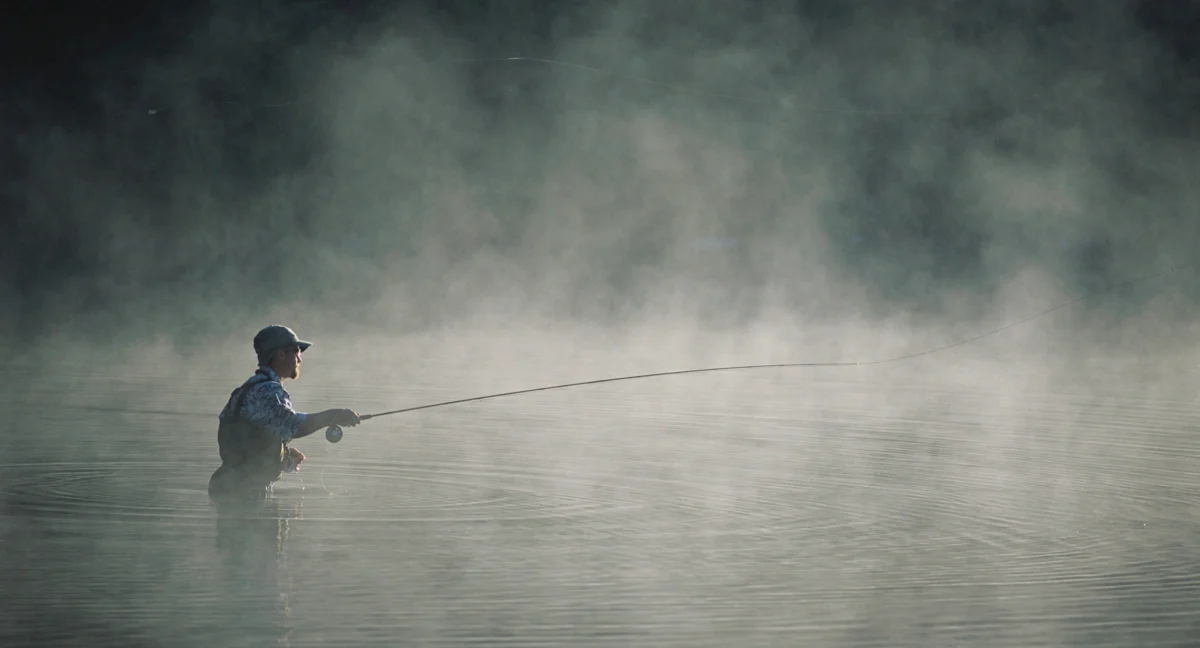
Mark Kurlansky, the New York Times bestselling author whose previous works transformed the historical understanding of commodities like salt and cod, is set to release a new literary exploration titled "To Catch a Fish: On the Frustration, Curiosity, and Joy of Fishing." Scheduled for publication on March 29, 2026, the book serves as a philosophical and practical examination of one of humanity’s oldest pursuits. Kurlansky, a former commercial fisherman turned journalist, utilizes his latest work to bridge the gap between the technicalities of angling and the profound, often invisible, connection between humans and the aquatic environment. The narrative posits that fishing is not merely a hobby or a means of subsistence, but a unique method of penetrating a world that remains largely obscured from human sight.
The Mystery of the Invisible Wilderness
At the core of Kurlansky’s thesis is the idea that fishing represents a rare opportunity to engage with a side of nature that is fundamentally hidden. Unlike birdwatching or deer hunting, where the prey often occupies the same atmospheric plane as the hunter, fishing requires an intellectual and sensory leap into a subaquatic realm. Kurlansky describes this as "hunting lions in the dark," an analogy that highlights the reliance on intuition, prediction, and an understanding of natural laws rather than direct visual confirmation.
This "unseen" quality of the sport is what drives the psychological intrigue of the angler. To be successful, one must develop a mental map of a world they cannot inhabit. This involves understanding the topography of a riverbed, the temperature gradients of a lake, and the light-refracting properties of the ocean surface. Kurlansky argues that the allure of the sport lies in this "brain contest"—a struggle to outmaneuver a creature that possesses the ultimate home-field advantage.
A Chronology of Global Angling Experience
Kurlansky’s insights are rooted in decades of global experience. His journey through the world of fishing mirrors his career as a journalist and historian, taking him to diverse ecosystems across several continents. His personal chronology of the sport includes:
- The Northeast United States: Decades spent pursuing bluefish and striped bass in the rugged waters of New England.
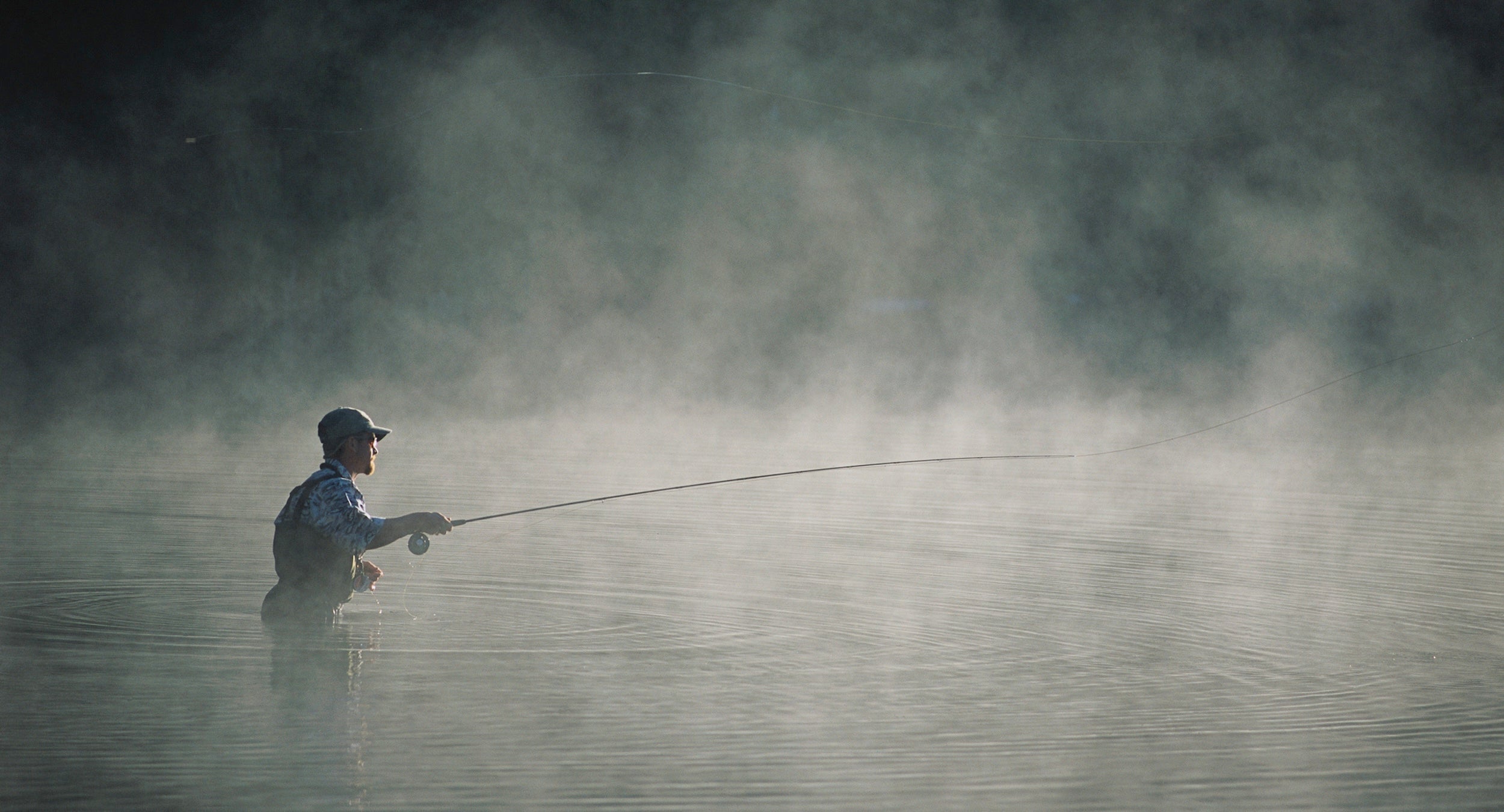
- The American West and Europe: Fly-fishing for trout in the rivers of Idaho, New York, and the limestone streams of Spain.
- West Africa: Navigating the winding Saloum River in Senegal to find the aggressive barracuda.
- The Northern Latitudes: Chasing various salmon species through the pristine waters of Alaska, Scotland, Japan, and Russia.
Throughout these travels, Kurlansky observes that the fundamental questions remains the same regardless of the geography: What fish are here, and what are they eating? This universal curiosity serves as the common thread connecting commercial fishers in the Dominican Republic to recreational fly-fishers in the Catskills.
The Biological Foundations of the Hunt
To provide context for why certain fishing techniques work, Kurlansky delves into the biology of the prey. A primary driver of fish behavior is the constant search for food. The author notes that if a fish possessed a conscious thought process, it would be dominated by the singular drive for sustenance. However, the "secret" to catching a fish lies in the nuance of their feeding habits, which are dictated by biological constraints and environmental factors.
One significant biological factor is the lack of eyelids in fish. Because they cannot squint or close their eyes to block out light, fish are highly sensitive to the sun’s intensity. This physiological trait dictates their movement patterns: during midday, they retreat to the shade of overhanging banks or deep trenches. Kurlansky points to a specific practice in the Dominican Republic where commercial fishers attach palm trees to buoys in the open ocean. The shade provided by the floating tree creates a micro-ecosystem, attracting fish seeking relief from the tropical sun.
Furthermore, the "pickiness" of fish is not a matter of taste but of seasonal availability and environmental cues. An angler must understand the "hatch"—the specific moment when insects emerge—or the migratory patterns of baitfish. The success of the catch depends on the ability to move a lure or bait in a "believable way," mimicking the physics of the natural world.
Supporting Data: The Scale of Modern Fishing
While Kurlansky focuses on the personal and philosophical, the broader context of his work is supported by the staggering scale of the fishing industry and the recreational community. According to data from the American Sportfishing Association (ASA), recreational fishing in the United States alone is a massive economic driver:
- Economic Impact: As of the mid-2020s, recreational fishing contributes more than $148 billion annually to the U.S. economy.
- Participation: Over 54 million Americans identify as anglers, making it one of the most popular outdoor activities in the country.
- Conservation Funding: Through excise taxes on fishing equipment and motorboat fuel, anglers contribute approximately $1.7 billion per year toward aquatic resource conservation.
These statistics underscore the relevance of Kurlansky’s exploration. Fishing is not a niche interest but a widespread cultural phenomenon that connects millions of people to the environment. Kurlansky’s work provides the intellectual framework for this massive demographic, explaining the "why" behind their persistence despite the high frequency of failure.
The Intellectual Contest: Intelligence vs. Instinct
A central theme in "To Catch a Fish" is the balance of intelligence between the human and the animal. Kurlansky cites the novelist John Steinbeck, who famously remarked, “Anyone who pits his intelligence against a fish and loses has it coming.” However, Kurlansky offers a more nuanced view, suggesting that fish possess a form of "cunning" that is often underestimated.
The author compares the success rate of fishing to that of professional baseball. In baseball, a player who succeeds 30% of the time is considered a star. In fishing, the odds are often even more skewed in favor of the fish. This rarity of success is what elevates the "win" to a significant emotional event. The "brawn contest" that follows the "brain contest"—the physical act of reeling in a fighting fish—is merely the conclusion of a much longer psychological engagement.
Broader Implications and Ecological Stewardship
Kurlansky’s background as the author of "Cod"—a book that detailed how a single species changed the course of world history and was eventually driven to near-extinction—lends a layer of gravity to his new work. While "To Catch a Fish" celebrates the sport, it inherently acknowledges the fragility of the ecosystems required to sustain it.
The transition from commercial fishing to recreational angling and literary observation reflects a broader societal shift toward conservation. By encouraging readers to "think like a fish," Kurlansky fosters a sense of empathy and understanding for aquatic life. This perspective is vital in an era where overfishing, climate change, and habitat destruction threaten the "unknown world" he so admires.
Industry experts suggest that literature like Kurlansky’s plays a crucial role in "recruitment, retention, and reactivation" (R3) within the outdoor community. By highlighting the intellectual and spiritual rewards of fishing, rather than just the harvest, Kurlansky aligns with modern "catch and release" ethics and the growing movement toward sustainable interaction with nature.
Conclusion: The Enduring Allure of the Water
Mark Kurlansky’s "To Catch a Fish" arrives at a time when the disconnect between modern society and the natural world is at an all-time high. By focusing on the "unseen side of nature," the book challenges readers to look beneath the surface—both literally and metaphorically.
Kurlansky, a recipient of the James A. Beard Award and the ALA Notable Book Award, continues his tradition of elevating seemingly simple subjects into profound explorations of the human condition. Whether describing the salt-spray of the New England coast or the murky depths of a Russian river, his writing serves as a reminder that as long as there is water, there will be humans standing beside it, wondering what lies beneath, and trying to find a way to connect with that hidden world. The book is not just a guide on how to catch a fish, but a meditation on why we feel the need to try in the first place.



 Chandra Hamzah
 Budi Mulyono

 Tatiana Tantri Indah Sari