
 Chandra Hamzah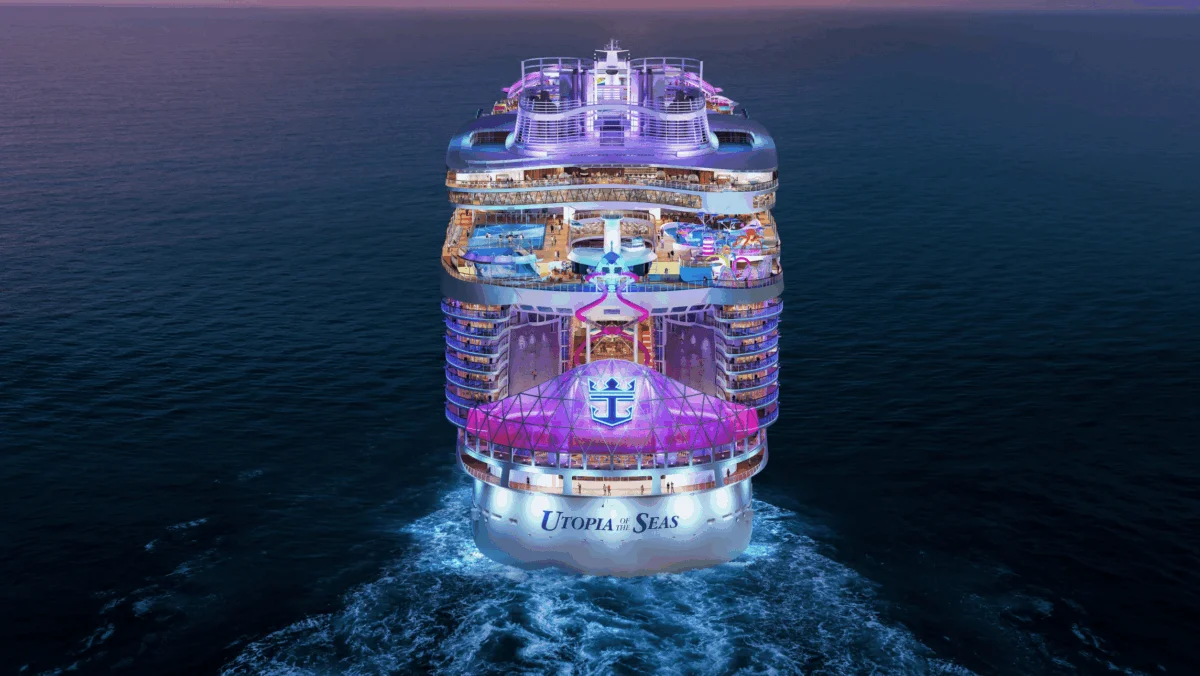
Modern-day cruise ships have revolutionized travel, transforming into floating resorts that offer unparalleled luxury, diverse entertainment, and a plethora of premium amenities. These behemoths are no longer just a means of transit; they are premier destinations in themselves. At the forefront of this evolution, Royal Caribbean International has consistently pushed the boundaries of maritime engineering and passenger experience. In 2025, the company solidified its dominance by launching Icon of the Seas, a vessel that has claimed the title of the world’s largest cruise ship, surpassing even the historical weight of the Titanic. This launch signals a new era in passenger ship development, characterized by unprecedented scale and innovation.
The relentless pursuit of bigger and better vessels continues to be a defining characteristic of the cruise industry. Royal Caribbean is not resting on its laurels; the company is expanding its groundbreaking Icon class with a series of ships that rival and potentially surpass Icon of the Seas. Following closely behind, Star of the Seas has already joined the ranks as one of the world’s largest ships. The pipeline extends further, with Legend of the Seas slated for a 2026 debut, and two additional Icon class vessels promised for 2027 and 2028. While the specifics of the 2028 vessel remain under wraps, 2027 will see the arrival of Hero of the Seas, which will stand alongside Icon and Star as the pinnacle of size in the global cruise fleet.
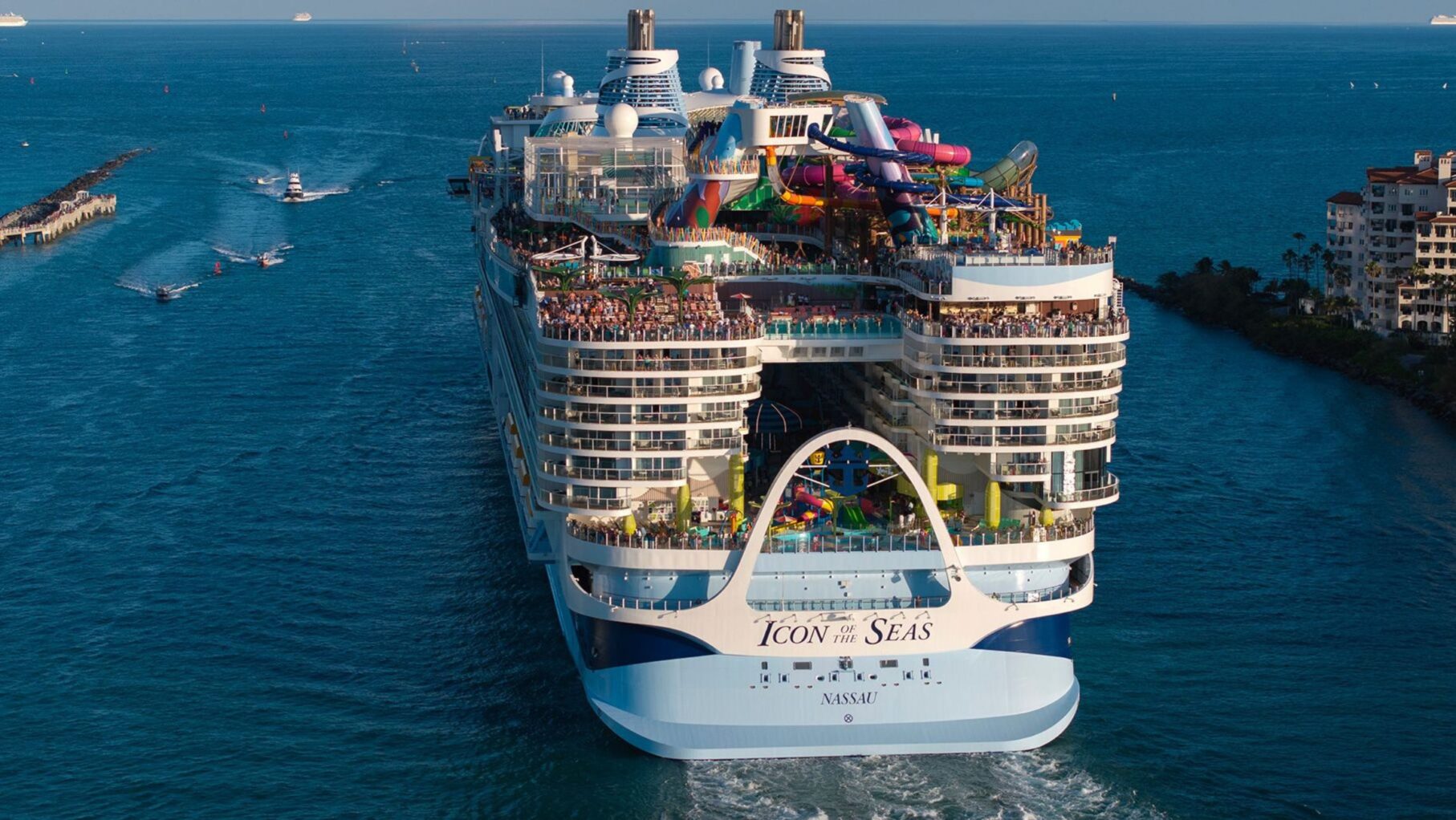
Hero of the Seas is anticipated to introduce a new suite of features to the Icon Class, including the novel Coconut Cove Bar and Pool area, enhancements to the adults-only Hideaway, and a Swim & Tonic swim-up bar. Royal Caribbean’s aggressive expansion strategy indicates no signs of slowing down in its quest for mega-ship supremacy. However, this ambitious growth is spurring significant competition from other major cruise lines.
Carnival Cruises, while not currently possessing any ships in the top ten largest by gross tonnage, is making substantial moves to reassert its presence. The company is actively developing Project Ace, a program that will introduce four new ships with projected launch dates in 2029, 2031, and 2033. Each of these vessels is designed to measure approximately 230,000 gross tons. While these ships may not immediately outrank Royal Caribbean’s Icon class in terms of gross tonnage, they are specifically engineered to surpass them in passenger capacity, with a projected accommodation for nearly 8,000 guests. This focus on sheer volume of passengers highlights a different, yet equally significant, metric of "bigness" in the cruise industry.
Another formidable player, MSC Cruises, is also investing heavily in the future of large-scale cruising. Already operating some of the largest ships in the world, such as MSC World America and MSC World Europa, MSC has even more ambitious plans on the horizon. The company is constructing a new Constellation class of ships, which are poised to challenge and potentially overtake Royal Caribbean’s current offerings as the largest in the world by gross tonnage. These groundbreaking vessels are expected to begin rolling out in the early 2030s, marking a significant long-term investment in expanding their fleet’s capabilities and market share.

Norwegian Cruise Line (NCL) is also charting a course for the mega-ship era, with significant plans for the 2030s. While their upcoming vessels may not directly rival the absolute largest in terms of sheer size, they are undeniably set to be massive. NCL has placed orders for four new mega-ships, with deliveries scheduled between 2030 and 2036. These colossal ships are expected to register around 226,000 gross tons each and will accommodate approximately 8,300 individuals, combining both passengers and crew. This strategic expansion demonstrates NCL’s commitment to offering large-capacity, amenity-rich cruising experiences.
While Carnival, NCL, and MSC are actively working to shake up the rankings, Royal Caribbean is unlikely to remain static. The company has a proven track record of innovation and is expected to continue developing even larger and more advanced vessels. As the race for the biggest ships intensifies, the competitive landscape is poised for significant shifts in the coming years.
The Current Titans of the Seas: A Snapshot of the Largest Cruise Ships
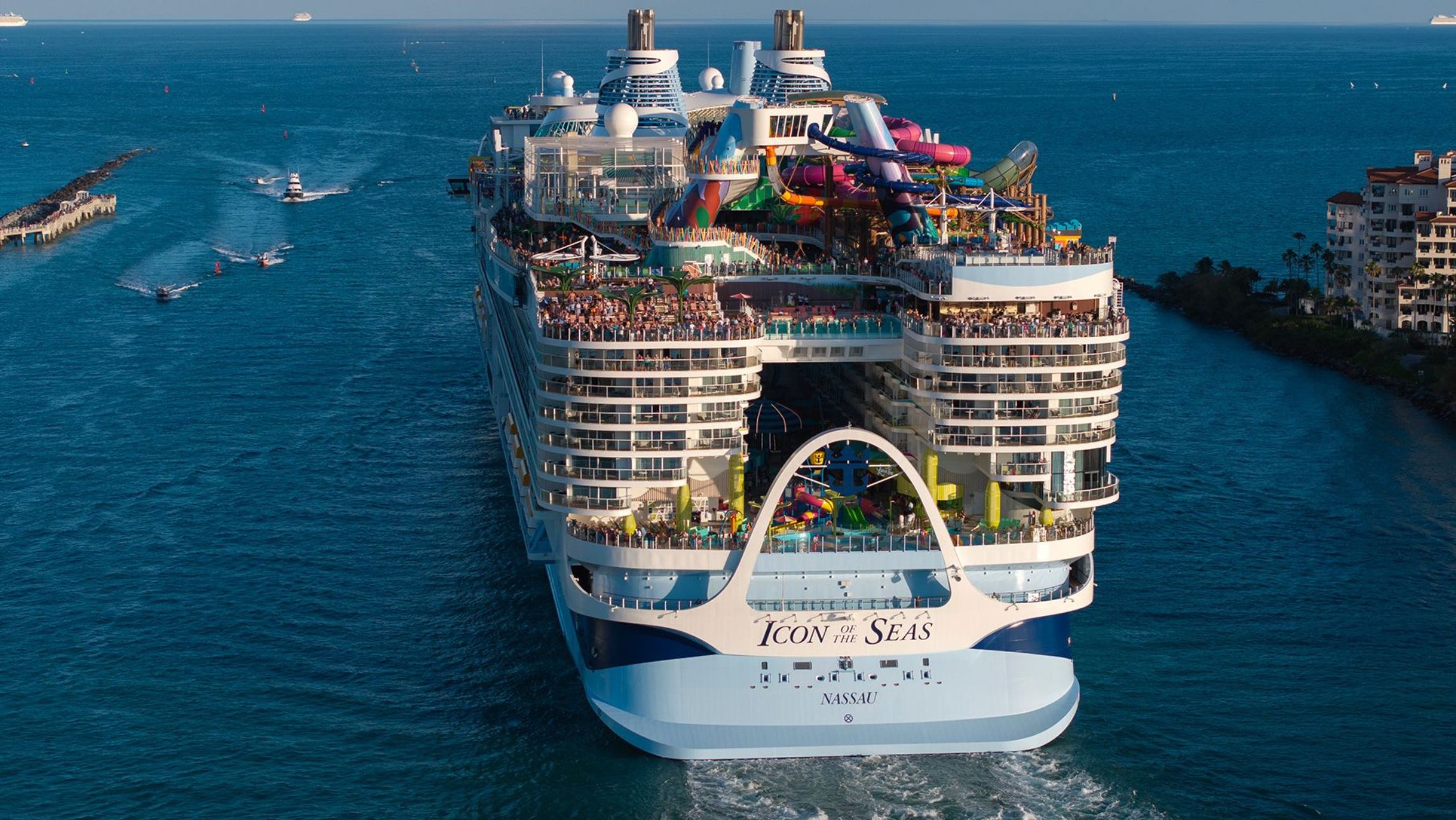
As of the latest available data, the landscape of the largest cruise ships is dominated by Royal Caribbean. The following table provides a detailed breakdown of the current top contenders:
| Rank | Ship Name | Cruise Line | Gross Tonnage (GT) | Length (m) | Passenger Capacity | Year Launched |
|---|---|---|---|---|---|---|
| 1. | Icon of the Seas, Star of the Seas, Hero of the Seas | Royal Caribbean | 248,663 GT | 364.75 | 7,600 | 2024/2025/2026 |
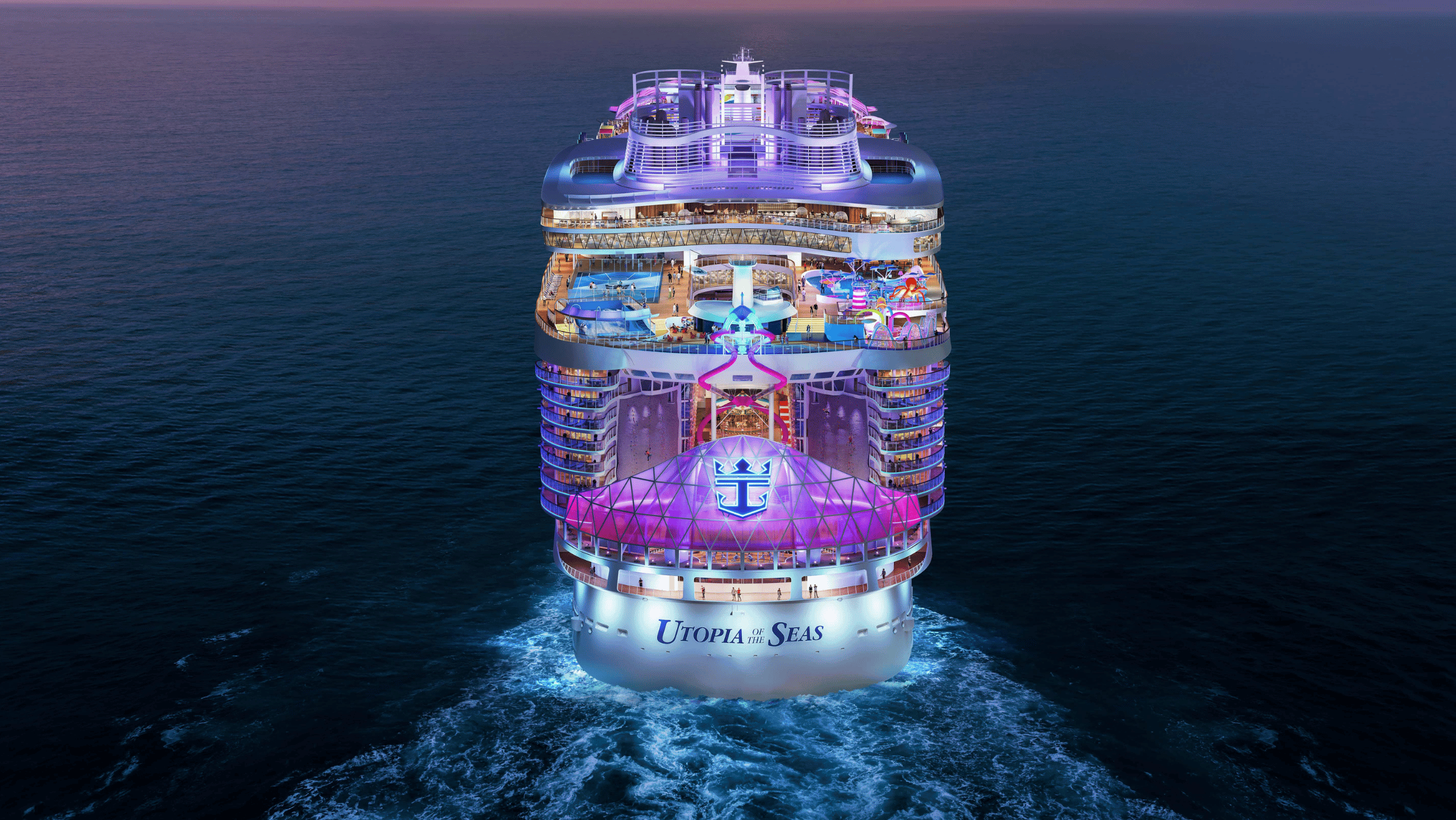
| 2. | Utopia of the Seas | Royal Caribbean | 236,860 GT | 362 | 6,509 | 2024 |
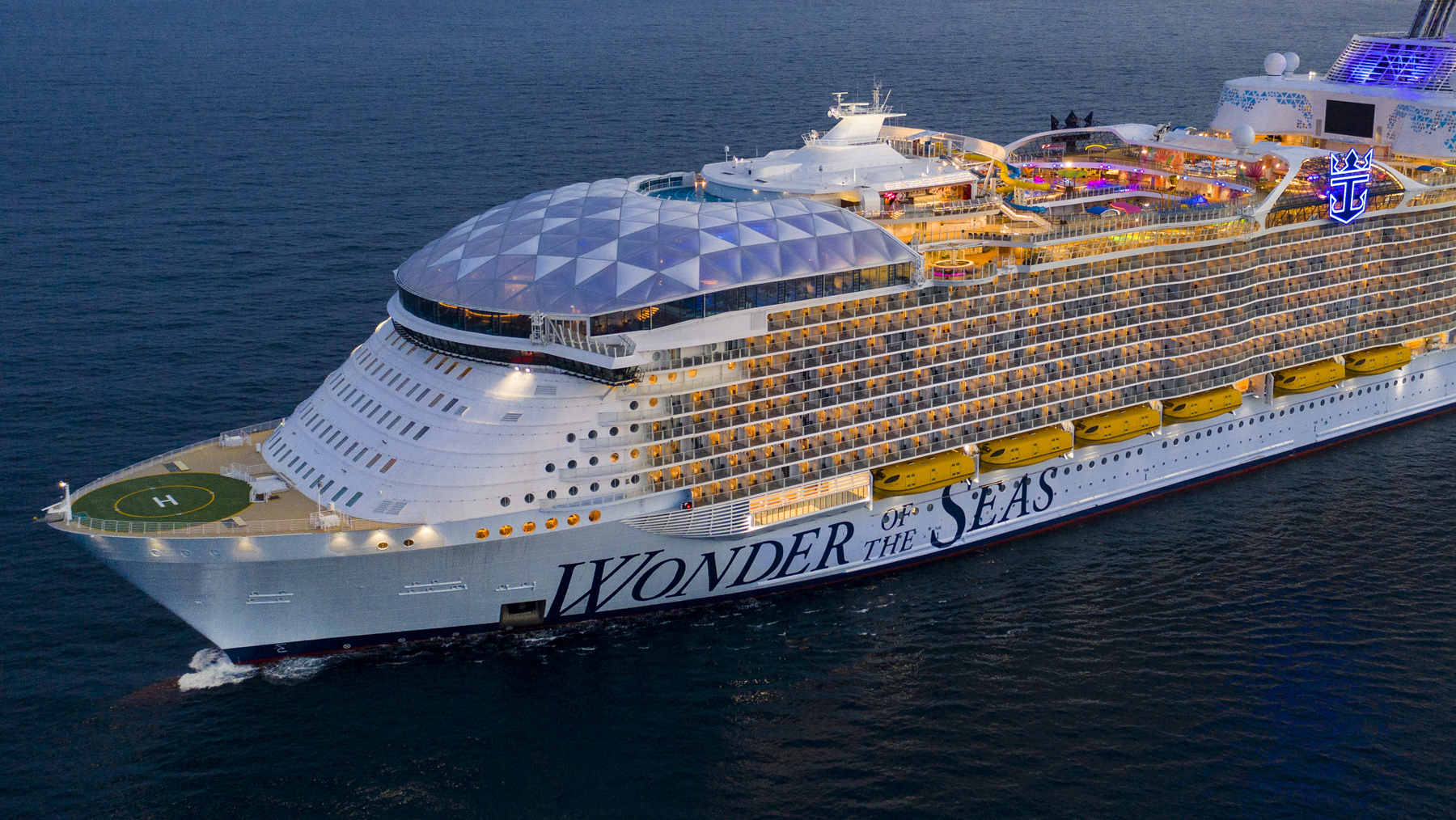
| 3. | Wonder of the Seas | Royal Caribbean | 235,600 | 362 | 7,084 | 2022 |
| 4. | Symphony of the Seas | Royal Caribbean | 228,081 GT | 361.01 | 6,680 | 2018 |
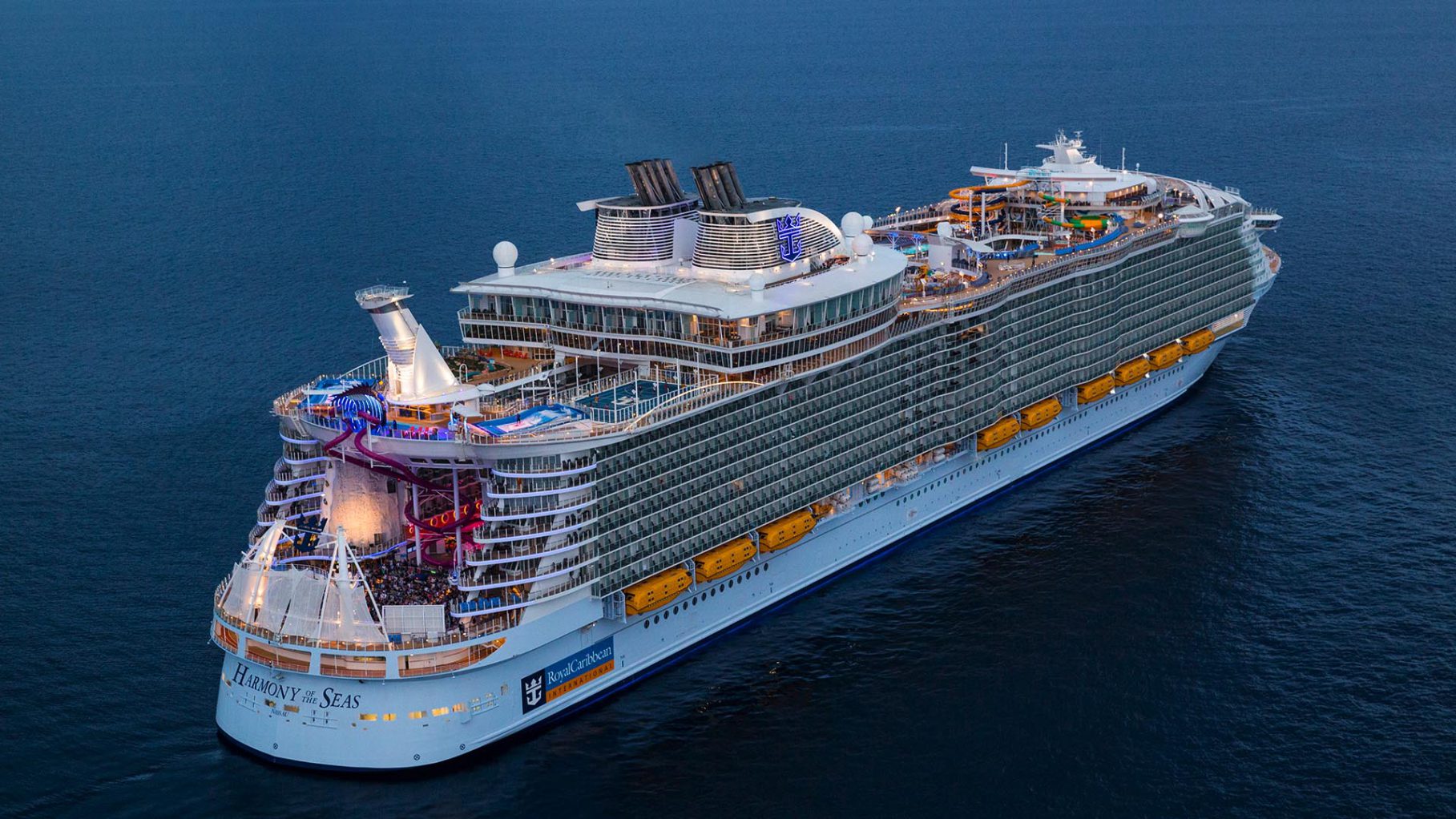
| 5. | Harmony of the Seas | Royal Caribbean | 226,963 GT | 362.12 | 6,687 | 2016 |
| 6. | Oasis of the Seas | Royal Caribbean | 226,838 GT | 361.6 | 6,771 | 2009 |
| 7. | Allure of the Seas | Royal Caribbean | 225,282 GT | 361.6 | 6,780 | 2010 |
| 8. | MSC World America | MSC Cruises | 216,638 GT | 333.3 | 6,762 | 2025 |
| 9. | MSC World Europa | MSC Cruises | 215,863 GT | 333.3 | 6,762 | 2022 |
| 10. | Costa Smeralda | Costa Cruises | 185,010 GT | 337 | 6,554 | 2019 |
Royal Caribbean’s Dominance: A Legacy of Mega-Ship Innovation
Royal Caribbean International has built a formidable reputation for pioneering the concept of mega-ships. The Oasis-class vessels, introduced in 2009 with Oasis of the Seas, truly revolutionized the cruise experience. These ships were designed to be self-contained destinations, featuring distinct neighborhoods that offered a variety of activities, dining, and entertainment options. The introduction of Wonder of the Seas in 2022 and the groundbreaking Icon of the Seas in 2024, the first in the Icon class, have further solidified Royal Caribbean’s leadership. The Icon class, with its focus on sustainability and innovative guest experiences, represents the latest chapter in their commitment to pushing the boundaries of what a cruise ship can be.
MSC and Carnival’s Emerging Contenders: A New Era of Competition
While Royal Caribbean has long held the top spots, other major cruise lines are rapidly closing the gap. MSC Cruises, with its World-class ships like MSC World America and MSC World Europa, has demonstrated its capability to build impressive vessels that offer a wealth of amenities and passenger capacity. The upcoming Constellation class is a clear indication of MSC’s ambition to compete directly for the title of the world’s largest cruise ships.
Carnival Cruises’ Project Ace signifies a strategic shift towards maximizing passenger capacity. By focusing on accommodating a higher number of guests, Carnival aims to offer a competitive value proposition, particularly appealing to families and larger groups. This strategy, while differing in its primary metric from gross tonnage, represents a significant challenge to the established order.
The Metrics of "Big": Gross Tonnage, Length, and Passenger Capacity
Understanding what defines a "big" cruise ship requires looking beyond a single measurement.
- Gross Tonnage (GT): This is the most common metric for comparing the size of cruise ships. It measures the internal volume of the ship, not its weight. A higher gross tonnage indicates a larger internal space, which generally translates to more amenities, public areas, and cabins.
- Length: While impressive, the length of a ship is just one dimension. A longer ship might not necessarily have more internal volume or passenger capacity than a slightly shorter but wider vessel.
- Passenger Capacity: This metric refers to the maximum number of passengers a ship can carry. It’s a crucial indicator of the scale of the onboard experience and the potential for a bustling atmosphere. Double occupancy is the standard for capacity figures, but the true maximum can be higher with additional berths.
Why Size Matters in the Cruise World

The trend towards larger cruise ships is driven by several factors that benefit both cruise lines and passengers:
- Economies of Scale: Larger ships can often reduce per-passenger operating costs, allowing cruise lines to offer more competitive pricing or invest more in onboard amenities and entertainment.
- Enhanced Onboard Experiences: Bigger ships provide the space for a wider array of attractions, from multiple swimming pools, water parks, and climbing walls to Broadway-style theaters, diverse dining options, and extensive shopping areas. This allows for a "destination within a destination" experience.
- Stability and Comfort: Contrary to intuition, larger ships tend to be more stable in rough seas due to their greater mass and hull design. This can lead to a smoother and more comfortable journey for passengers.
- Market Appeal: Mega-ships attract a broad demographic of travelers seeking a vibrant, activity-filled vacation. They cater to families, couples, and groups looking for a comprehensive vacation experience without the need to disembark frequently.
The Future of Mega-Ships: A Competitive Horizon
The cruise industry is in a perpetual state of innovation, with a keen eye on the future. The next decade promises to be an exciting period, marked by:
- Continued Innovation in Design: Cruise lines will continue to explore new hull designs, propulsion systems, and interior layouts to maximize space, efficiency, and passenger comfort.
- Sustainability Initiatives: As environmental concerns grow, future mega-ships are expected to incorporate more sustainable technologies, including advanced waste management systems, alternative fuels, and improved energy efficiency.
- Hyper-Personalization: With advanced data analytics, cruise lines may offer increasingly personalized experiences, tailoring onboard activities, dining, and entertainment to individual passenger preferences.
- Emergence of New Players: While the current market is dominated by a few major players, emerging cruise lines or entirely new concepts could enter the scene, further diversifying the offerings.
The race for the largest cruise ship is not merely about scale; it’s a testament to the evolving desires of modern travelers and the ingenuity of the maritime industry. As these floating cities continue to grow, they promise to redefine the very essence of ocean travel, offering unforgettable adventures and setting new benchmarks for luxury, entertainment, and immersive vacation experiences. The competition is fierce, but for the passenger, this ongoing pursuit of "bigger and better" translates into an ever-expanding universe of possibilities on the high seas.
Frequently Asked Questions
-
What is the biggest cruise ship in the world in 2026?
As of early 2026, Royal Caribbean’s Icon of the Seas and Star of the Seas, both with approximately 250,800 gross tons, stand as the world’s largest cruise ships. The introduction of Legend of the Seas is also anticipated in 2026, potentially altering this ranking.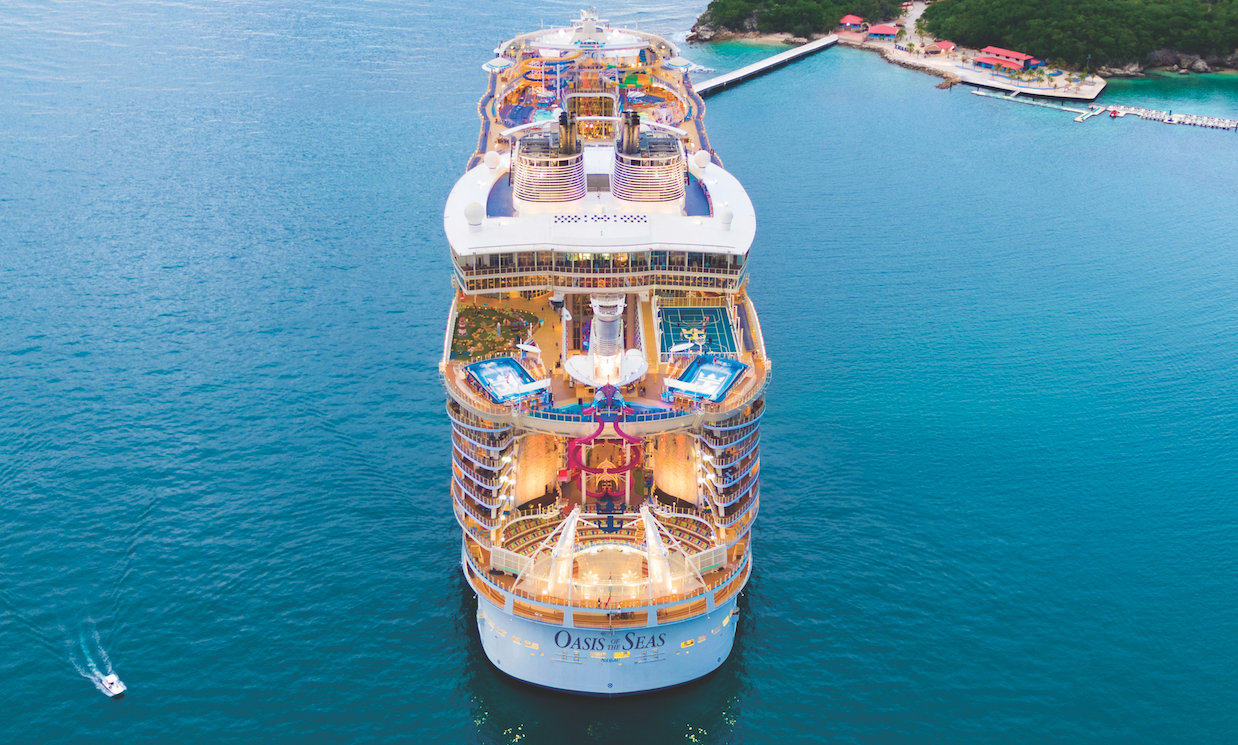
-
Which cruise ship holds the most passengers?
With a maximum capacity of 7,600 guests, Icon of the Seas currently holds the record for the most passengers a cruise ship can accommodate. This figure is based on double occupancy, with additional berths allowing for higher total capacity. -
Are bigger cruise ships more expensive?
While larger ships often command higher base fares due to their extensive amenities and infrastructure, the per-passenger cost can be lower because the overall operating expenses are spread across a greater number of guests. Pricing is heavily influenced by itinerary, cabin category, season, and specific onboard promotions. -
What cruise line has the largest fleet of mega-ships?
Royal Caribbean International is unequivocally the leader in mega-ships. Their dominance is evident in both the sheer number of large vessels and their impressive gross tonnage and passenger capacity, particularly through their iconic Oasis-class and pioneering Icon-class fleets.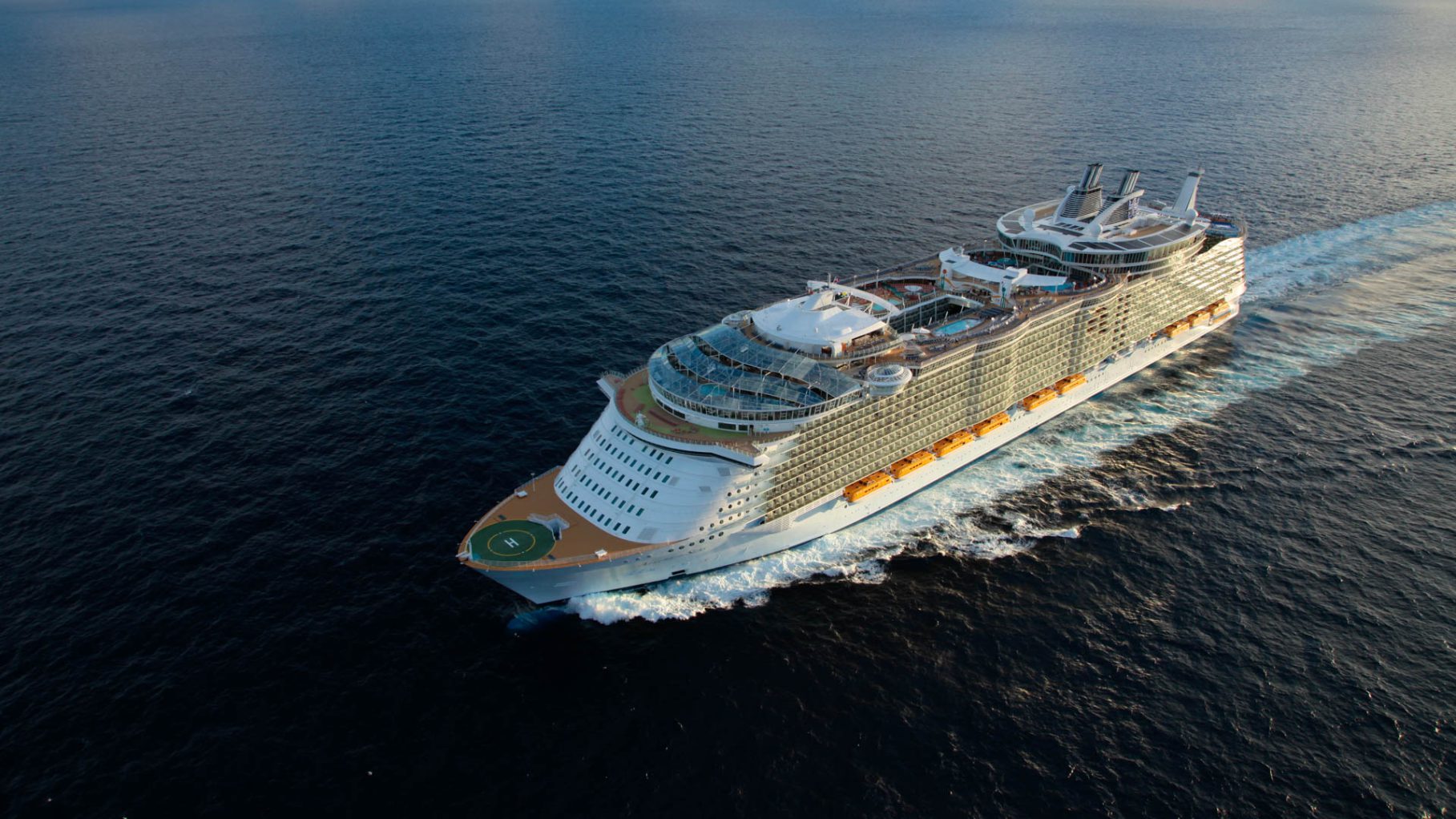
-
Do larger cruise ships offer better amenities?
Generally, yes. The significant internal volume of larger cruise ships provides the necessary space to incorporate a wider variety and greater number of amenities, ranging from multiple swimming pools and entertainment venues to diverse dining establishments and specialized activity zones. -
Can you feel the movement more on larger cruise ships?
No, larger cruise ships are typically more stable than smaller vessels. Their greater mass, advanced hull designs, and sophisticated stabilization systems help to mitigate the effects of waves, resulting in a smoother and more comfortable ride for passengers.



 Anjar Salim
 Budi Mulyono

 Tatiana Tantri Indah Sari