Budi Mulyono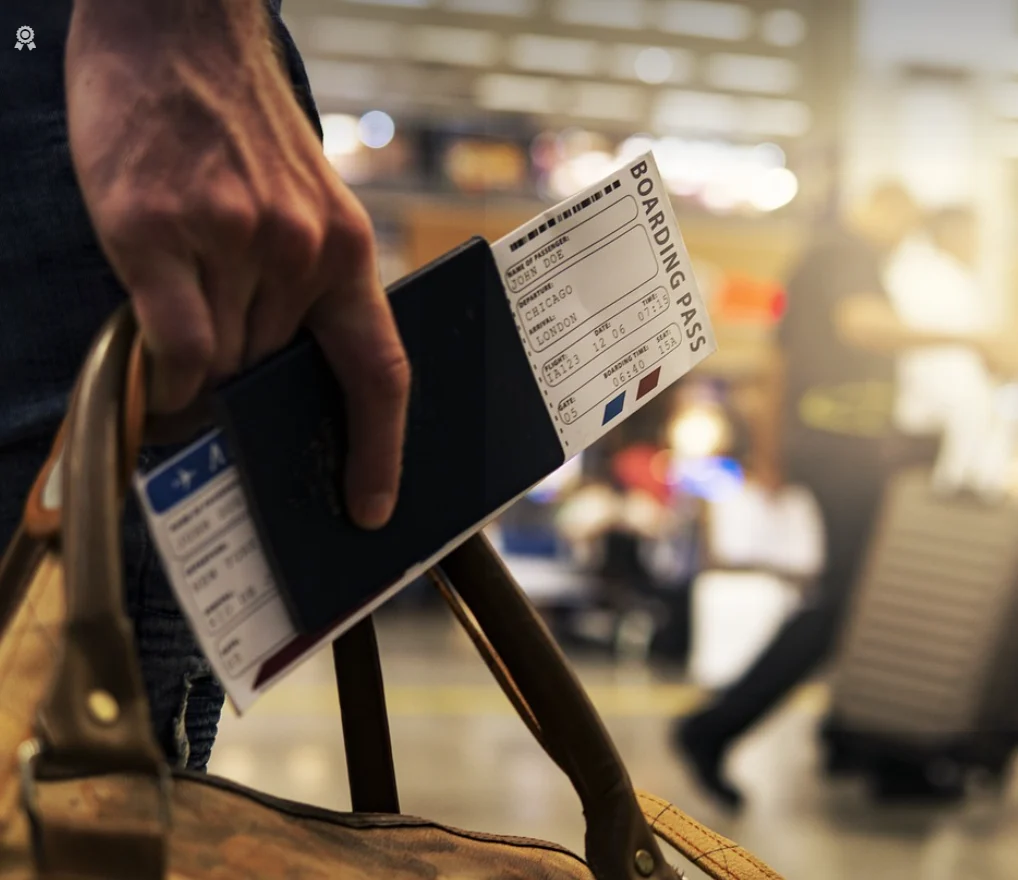
The landscape of modern aviation has undergone a radical transformation over the past two decades, transitioning from labor-intensive manual processes to a highly digitized ecosystem. At the center of this evolution is the boarding pass, a document that serves as the primary contract of carriage and security clearance for millions of passengers daily. While the industry has moved aggressively toward paperless solutions, a persistent debate remains regarding the necessity of physical backups. Recent discourse among travel experts and industry publications has highlighted a growing divide between traditionalists who advocate for printed documentation and a new generation of travelers who rely exclusively on mobile devices. This tension reflects broader questions about technological reliability, international security protocols, and the operational infrastructure of global airports in 2025.
The Rise of the Digital Boarding Pass
The shift toward digital documentation began in earnest in 2007 when Continental Airlines became the first US carrier to pilot mobile boarding passes. Since then, the adoption of the International Air Transport Association (IATA) Bar Coded Boarding Pass (BCBP) standard has allowed for a seamless transition to 2D barcodes that can be scanned from smartphone screens. By 2025, mobile boarding passes have become the default for the majority of domestic travelers in North America, Europe, and parts of Asia.
The convenience of digital passes is underpinned by the integration of mobile wallets, such as Apple Wallet and Google Pay. These platforms allow passengers to store their credentials in a centralized, easily accessible location that does not require an active internet connection at the time of scanning. Furthermore, airline applications now provide real-time updates, notifying passengers of gate changes, delay statuses, and upgrade opportunities directly on the digital pass. Despite these advancements, the reliance on a single electronic device introduces a point of failure that continues to drive the argument for physical redundancy.
Arguments for Physical Redundancy in the Modern Era
Industry veterans and travel analysts frequently cite several critical scenarios where a printed boarding pass remains superior to its digital counterpart. The most prominent concern is hardware failure. Smartphones are susceptible to battery depletion, particularly during long travel days where access to charging stations may be limited. While many modern aircraft are equipped with in-seat power, terminal infrastructure often lags behind, leaving travelers with dead devices at the most critical point of their journey: the boarding gate.
Beyond battery life, technical glitches within airline applications or operating system updates can render a mobile wallet inaccessible. Screen damage also presents a significant hurdle; a cracked screen can distort the 2D barcode, making it unreadable for the optical scanners used at Transportation Security Administration (TSA) checkpoints and boarding gates. Furthermore, brightness settings and privacy screen protectors can interfere with scanner performance, causing delays in the boarding process.
In 2025, the "redundancy principle" remains a cornerstone of professional travel advice. Proponents argue that the few seconds required to print a pass at home or at an airport kiosk serve as an inexpensive insurance policy against the myriad of technological issues that can occur in a high-stress airport environment.
A Chronology of Boarding Documentation
To understand the current state of the debate, it is necessary to examine the timeline of how passenger processing has evolved:
- The Pre-Digital Era (Pre-1990s): Passengers relied on multi-layered carbon copy tickets issued by travel agents or airline counters. Boarding passes were often handwritten or stamped by gate agents.
- The Introduction of Thermal Printing (1990s): Airlines moved to automated kiosks and thermal paper, standardizing the size and format of the boarding pass.
- The 2D Barcode Standard (2005): IATA mandated the transition to 2D barcodes (PDF417), which allowed for more data storage and paved the way for home printing and mobile scanning.
- The Mobile Revolution (2007–2015): The introduction of the iPhone and subsequent smartphone proliferation led to the first mobile boarding pass pilots. Major carriers began incentivizing the use of mobile apps to reduce overhead costs.
- Biometric Integration (2018–Present): Many airports began testing "face-as-your-boarding-pass" technology, where a passenger’s biometric data is linked to their digital record, potentially making even the mobile pass obsolete.
- The 2025 Status Quo: A hybrid environment exists where biometrics, mobile wallets, and physical paper coexist, each serving different segments of the traveling public and varying regulatory requirements.
Operational Realities and Gate Agent Perspectives
From an operational standpoint, airline gate agents have access to a Departure Control System (DCS) that contains the Passenger Name Record (PNR). In the event of a lost or malfunctioning digital pass, an agent can typically print a replacement or verify a passenger’s identity using a government-issued ID. This capability has led many frequent flyers to view physical passes as an unnecessary "scrap of paper."
However, industry insiders note that relying on gate agents for documentation can create bottlenecks. During a "gate crunch"—the final 15 minutes before departure—agents are focused on managing standby lists, seat assignments, and baggage issues. Requiring an agent to manually look up a reservation and print a pass adds minutes to a process where every second counts for on-time departures. For the airline, the cumulative effect of hundreds of passengers requiring manual intervention can lead to significant operational delays.
International Travel and Regulatory Complexity
The debate takes on a different dimension when considering international travel. Unlike domestic flights, where security protocols are standardized under a single national authority like the TSA, international journeys involve multiple jurisdictions with varying technological capabilities.
Many countries still require physical documentation for visa verification. In certain jurisdictions, border control officers must physically stamp the boarding pass as proof of exit or entry. Furthermore, passengers traveling on "proof of onward travel" requirements—often mandated for those entering a country on a tourist visa—may find that digital copies are not accepted by immigration officials in less technologically advanced regions.
Security experts also point out that in the event of a system-wide outage, such as the major airline IT failures seen in recent years, physical passes become the only way to keep the boarding process moving. When the "backend" of an airline’s digital infrastructure fails, the local copy of the barcode on a piece of paper remains a valid, scannable token of the passenger’s right to board.
Supporting Data: Consumer Behavior and Environmental Impact
Recent surveys from aviation technology providers like SITA indicate that while nearly 75% of passengers prefer using digital tools for check-in and boarding, approximately 20% still opt for a printed pass as a backup. The demographic breakdown shows that while Gen Z and Millennial travelers are almost exclusively digital, older demographics and business travelers on complex multi-leg itineraries are more likely to utilize paper.
The environmental impact of this debate is also significant. The airline industry has used the "green" argument to push for paperless boarding. Estimates suggest that the industry saves millions of tons of paper annually by shifting to digital. However, critics argue that the environmental cost of charging devices and the manufacturing of high-tech scanning equipment must be factored into the total carbon footprint, though paper reduction remains the most visible environmental gain for carriers.
Cybersecurity and Data Privacy Considerations
As boarding passes have become more digital, they have also become targets for data theft. A boarding pass barcode contains sensitive information, including the passenger’s full name, frequent flyer number, and the record locator (PNR). Security researchers have demonstrated that a simple photo of a boarding pass posted to social media can allow hackers to access a passenger’s entire travel history, change seat assignments, or even cancel future flights.
While digital passes stored in encrypted wallets like Apple Wallet offer a layer of security, they are not immune to social engineering or device theft. Conversely, a physical boarding pass left in a seat-back pocket is a data goldmine for "dumpster divers." In this context, both formats require a high level of passenger vigilance regarding how the information is handled and disposed of.
The Broader Impact: Towards a Biometric Future
The ongoing debate between physical and digital passes may eventually be rendered moot by the widespread implementation of biometric identity management. The "Seamless Travel" initiative, backed by organizations like IATA and the World Travel & Tourism Council (WTTC), aims to create a journey where a passenger’s face or fingerprint serves as their universal token.
In this future, the boarding pass—whether on a screen or on paper—becomes a secondary or tertiary backup. Several major hubs, including Singapore Changi, Dubai International, and several US gateways, have already implemented biometric boarding for select international flights. In these environments, the passenger simply walks through a gate that uses facial recognition to match them against the manifest and the digital gallery provided by customs and border authorities.
Conclusion: The Strategic Approach to Documentation
As of 2025, the professional consensus suggests a tiered strategy for travel documentation. For domestic travel within technologically advanced regions, the use of a digital pass—supplemented by a high-resolution screenshot to guard against app failure—is generally sufficient. The infrastructure is robust enough to handle the rare instances of device failure through manual agent intervention.
However, for international travel, travelers are advised to maintain a physical copy of their boarding pass. The complexities of immigration, the varying standards of international airport scanners, and the potential for prolonged travel days make the printed pass a vital tool for risk mitigation. While the "Old Man Airport Behaviors" mocked in popular culture may seem outdated, the underlying principle of preparedness remains a hallmark of the sophisticated traveler in an era of digital uncertainty. The boarding pass, once a simple ticket, remains a complex intersection of technology, security, and human behavior.




 Anjar Salim
 Chandra Hamzah
 Tatiana Tantri Indah Sari
 Walid Sujud Trenggono