Anjar Salim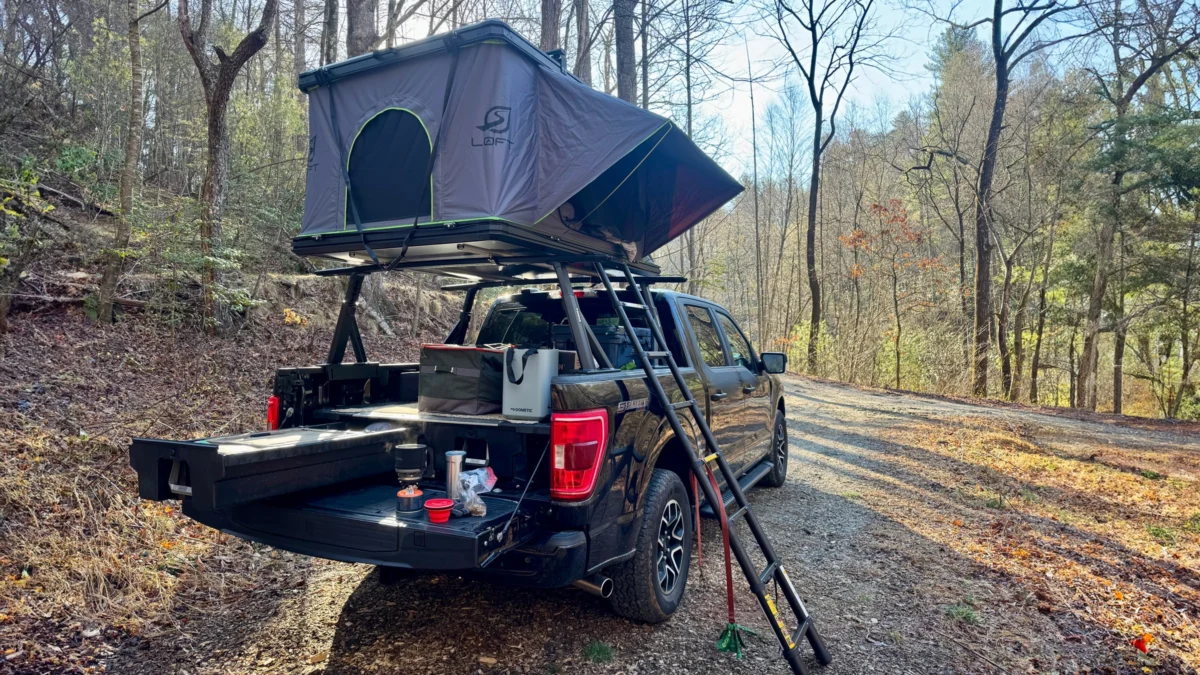
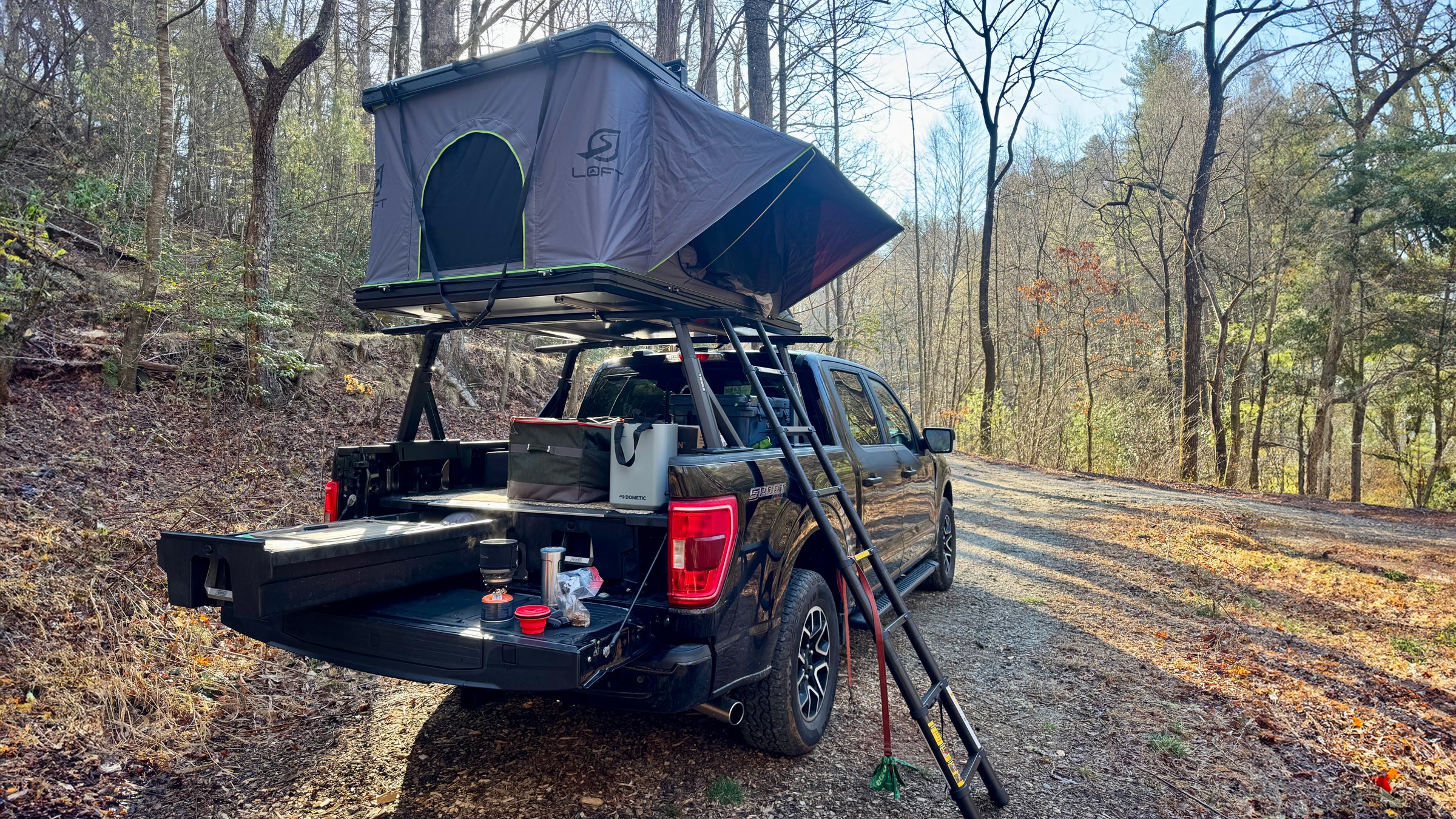
The traditional logistical challenges associated with outdoor recreation have catalyzed a significant shift in the automotive and camping industries, moving away from temporary setups toward permanent, integrated vehicle-based systems. For many enthusiasts, the primary barrier to frequent engagement with the outdoors is the "logistical nightmare" of packing and unpacking gear, a process that can often exceed the duration of the trip itself. In response, a growing segment of the market is adopting a "ready-to-roll" philosophy, transforming daily-drive pickup trucks into sophisticated overlanding rigs that require minimal preparation. This transition reflects a broader trend in the outdoor industry, where convenience and efficiency are prioritized to maximize spontaneous access to public lands, such as the Pisgah and Nantahala National Forests.
The Post-Pandemic Surge in Vehicle-Based Adventure
The shift toward permanent vehicle builds gained significant momentum during the COVID-19 pandemic. According to data from the Outdoor Industry Association (OIA), outdoor participation saw a historic surge starting in 2020, with millions of "new" participants entering the space. This era, often referred to as the "modern plague" in recreational circles, forced a reevaluation of how families interact with nature. For many, the solution was the conversion of existing vehicles, such as near-vintage Toyota 4Runners, into rudimentary camping rigs.
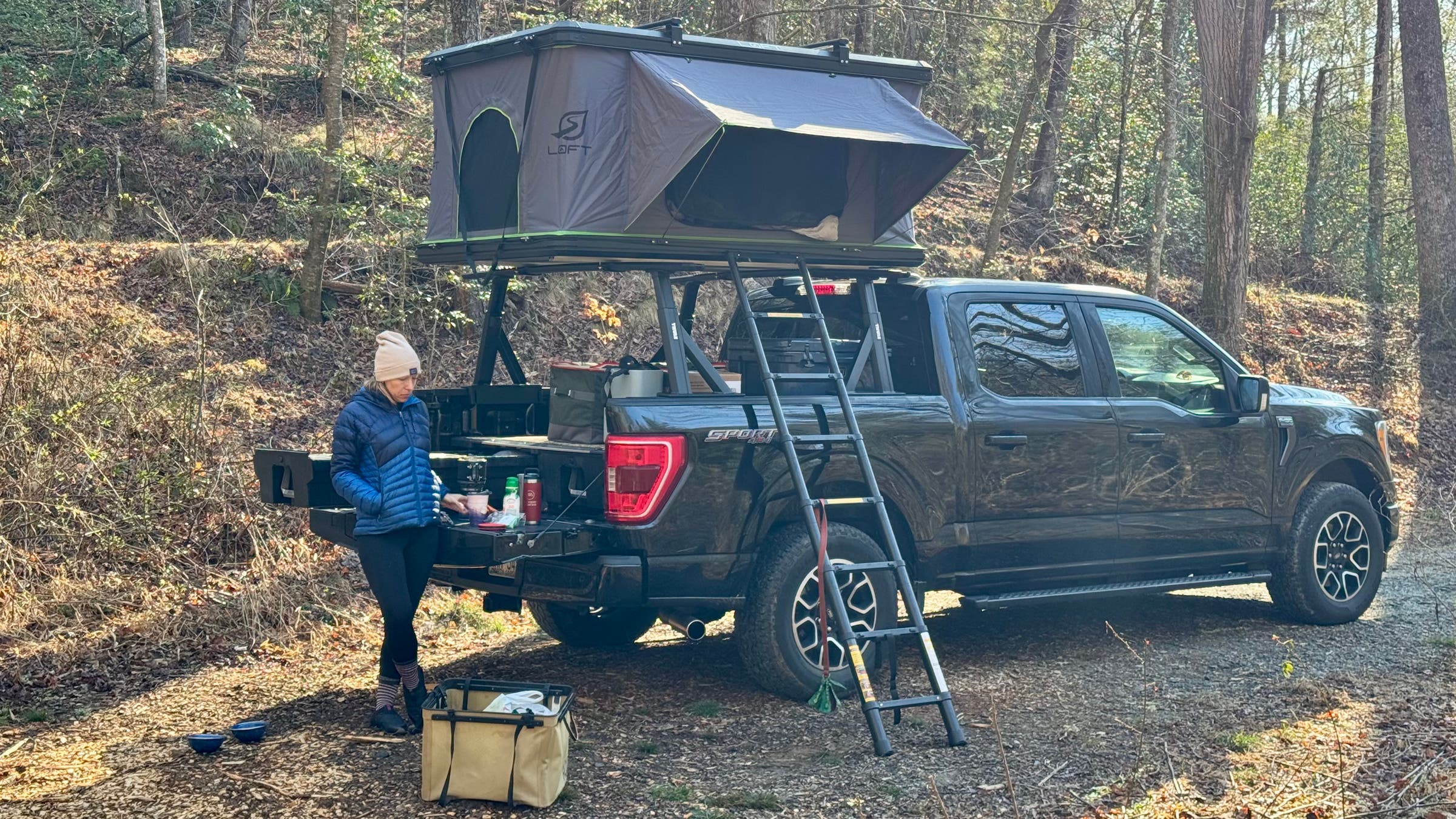
As the market matured, the limitations of these early conversions became apparent. Stealth camping in toppers offered simplicity but often resulted in cramped quarters and compromised storage. The current evolution of this trend sees enthusiasts upgrading to high-capacity platforms like the Ford F150. These full-size pickups offer the payload capacity and bed dimensions necessary to support complex modular systems without sacrificing the vehicle’s utility as a daily driver. The goal has shifted from "rock crawling" and extreme modifications to streamlined "car camping," where the focus is on gravel road accessibility and rapid deployment.
Strategic Storage Solutions: The Decked Drawer System
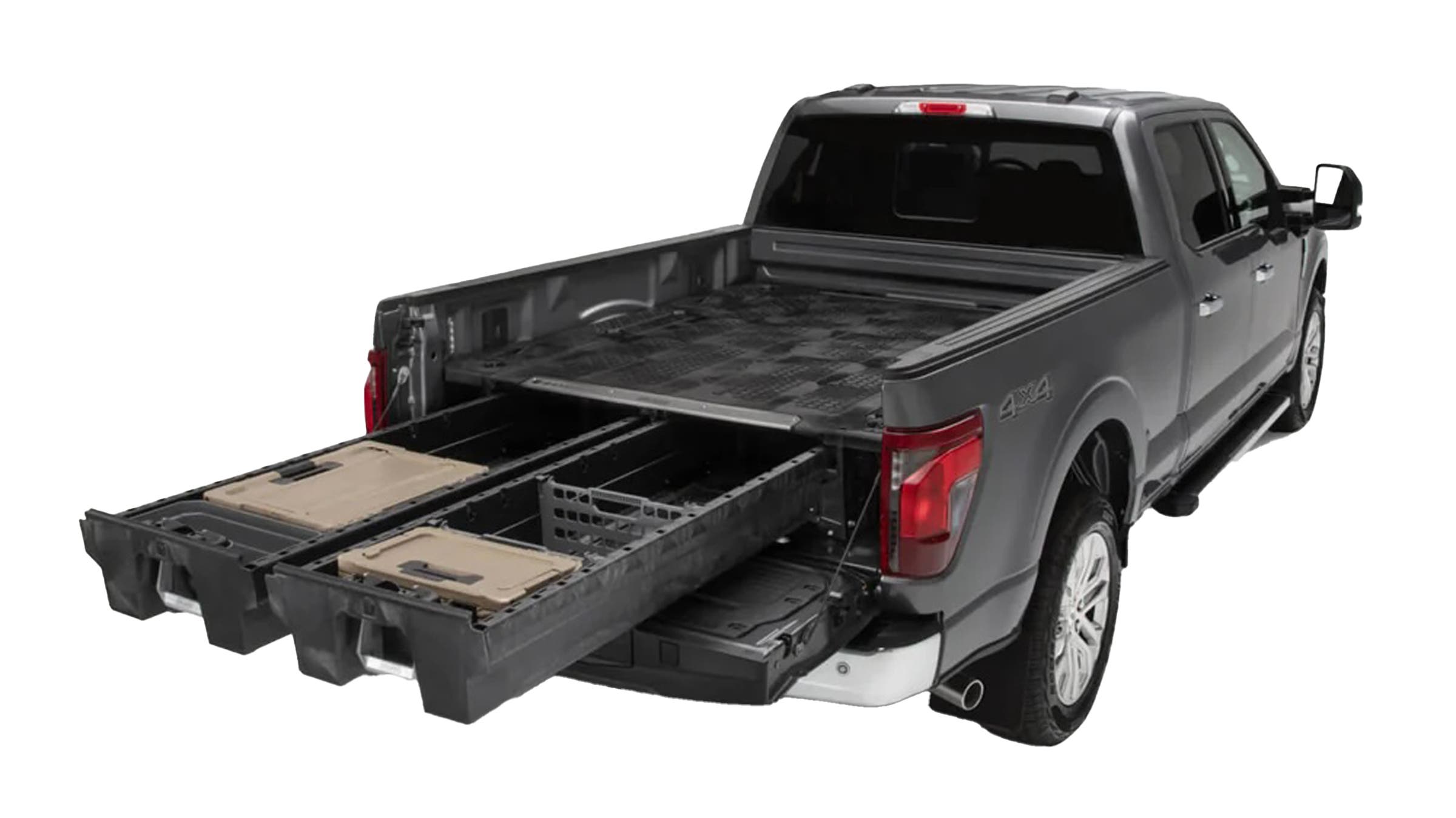
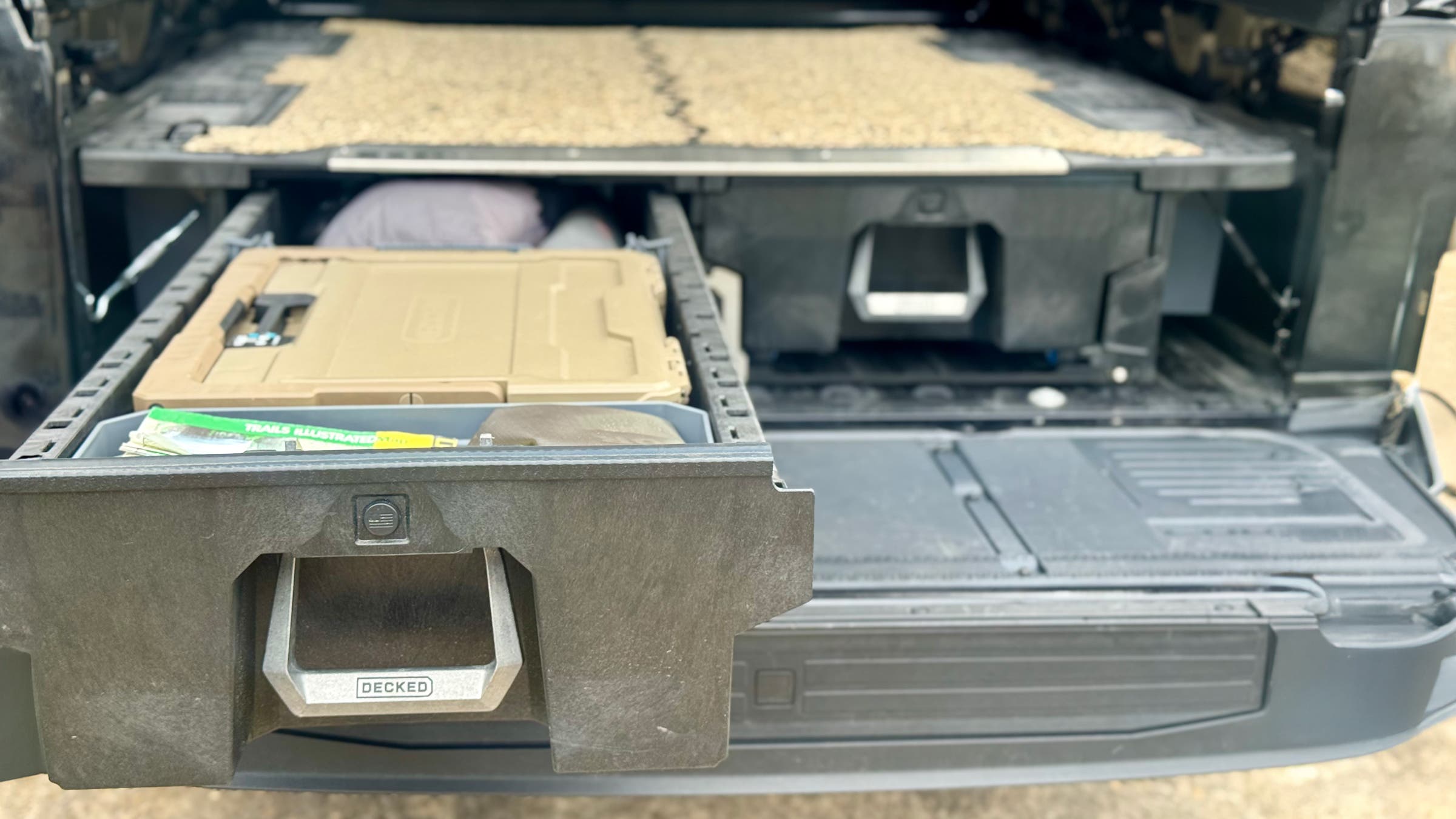
A critical component of any permanent truck build is the management of cargo space. Pickup trucks, while versatile, lack the enclosed security of a traditional trunk. The integration of the Decked Drawer System has emerged as a primary solution for this deficit. This system utilizes high-density polyethylene (HDPE) co-molded to a steel sub-frame to create a weatherproof, secure storage environment that sits directly on the truck bed.
The implementation of such a system allows for a permanent "kit" to be maintained within the vehicle. Essential items—including cooking apparatus, coffee systems, seating, and sleeping gear—are stored in a manner that eliminates the need for pre-trip assembly. From a technical standpoint, the Decked system provides a significant advantage by keeping the center of gravity low, which is crucial for vehicle stability on unimproved roads. While the system reduces the vertical volume of the truck bed, it provides a flat load floor capable of supporting up to 2,000 pounds, ensuring the vehicle remains capable of hauling lumber or outdoor equipment like surfboards and paddleboards.
Structural Foundations: The Thule Xcape Rack System
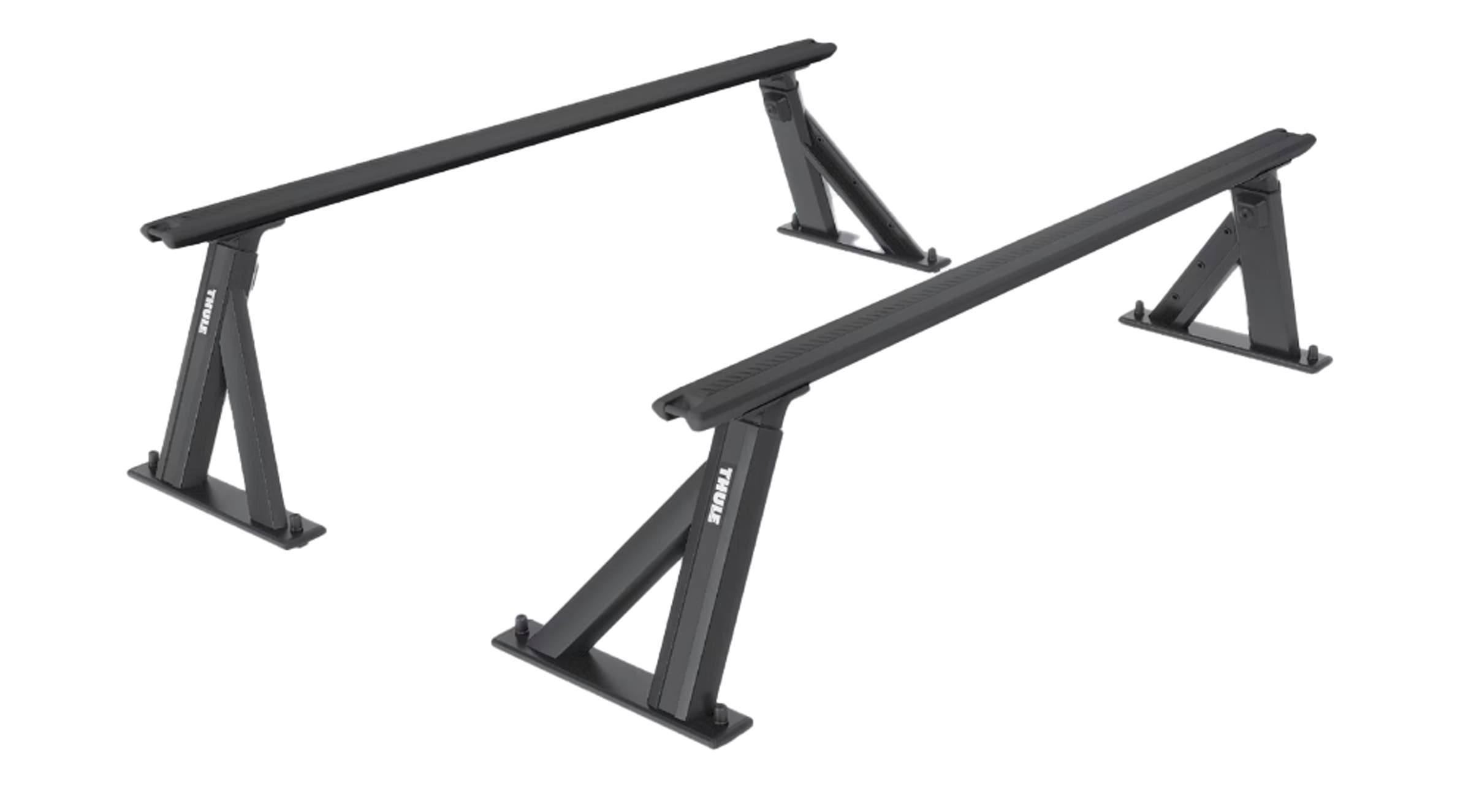
To facilitate the mounting of heavy equipment such as rooftop tents, a robust structural foundation is required. The Thule Xcape represents a significant advancement in truck bed rack technology. Constructed from lightweight aluminum with a 51-pound self-weight, it is capable of supporting a static load of up to 500 pounds.
The primary innovation of the Xcape is its telescoping design. This allows the user to adjust the height of the rack based on the specific requirements of the journey. Lowering the rack reduces aerodynamic drag, which is a critical consideration for fuel efficiency during long-distance highway travel. Conversely, elevating the rack provides the necessary clearance for oversized items such as canoes or long-format paddleboards. The ability to install these systems without drilling into the vehicle’s bedrails preserves the truck’s resale value and structural integrity, a factor increasingly important to the "daily driver" demographic.
Elevated Shelters: The Sylvan Sport LOFT 2.0
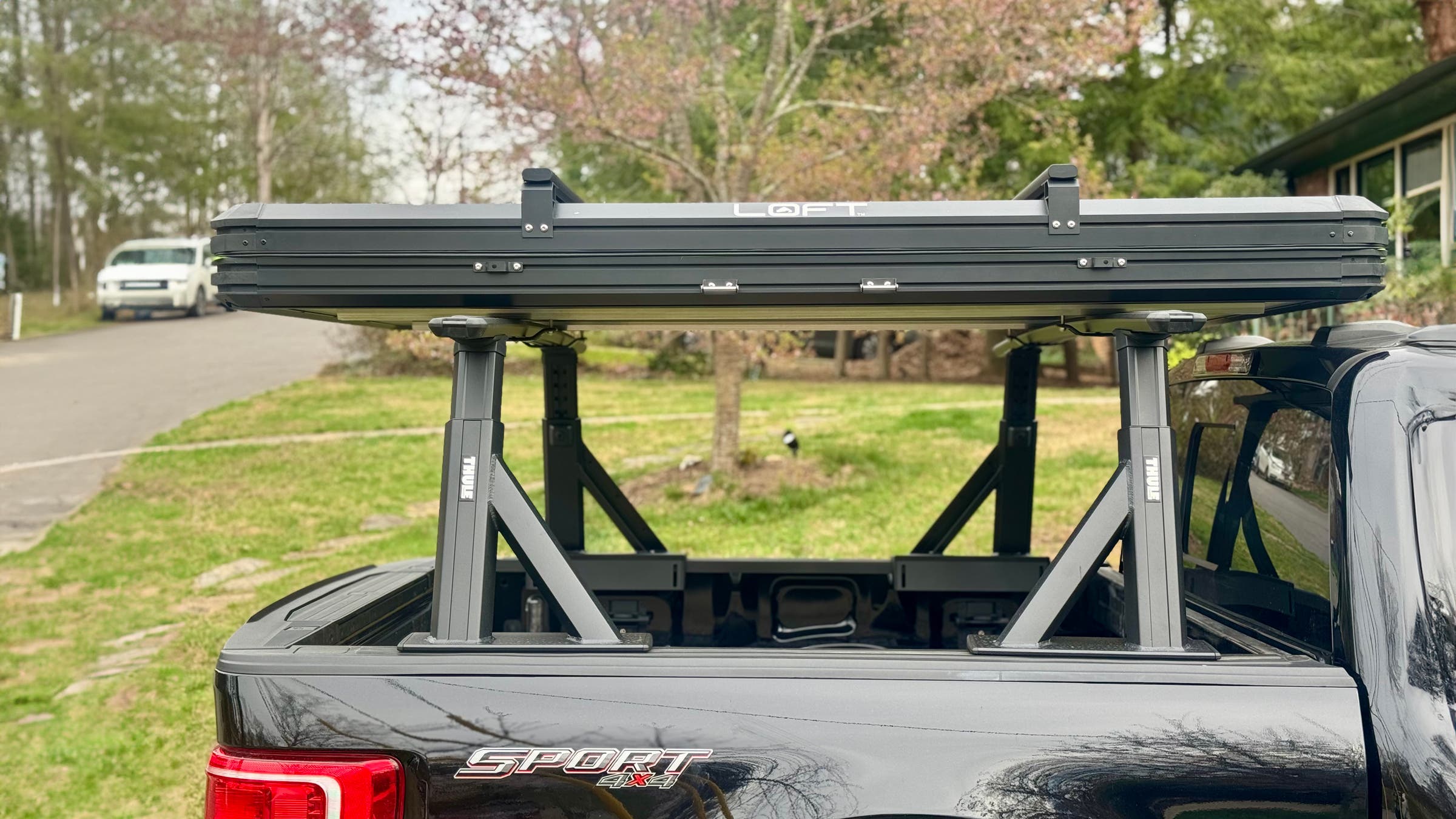
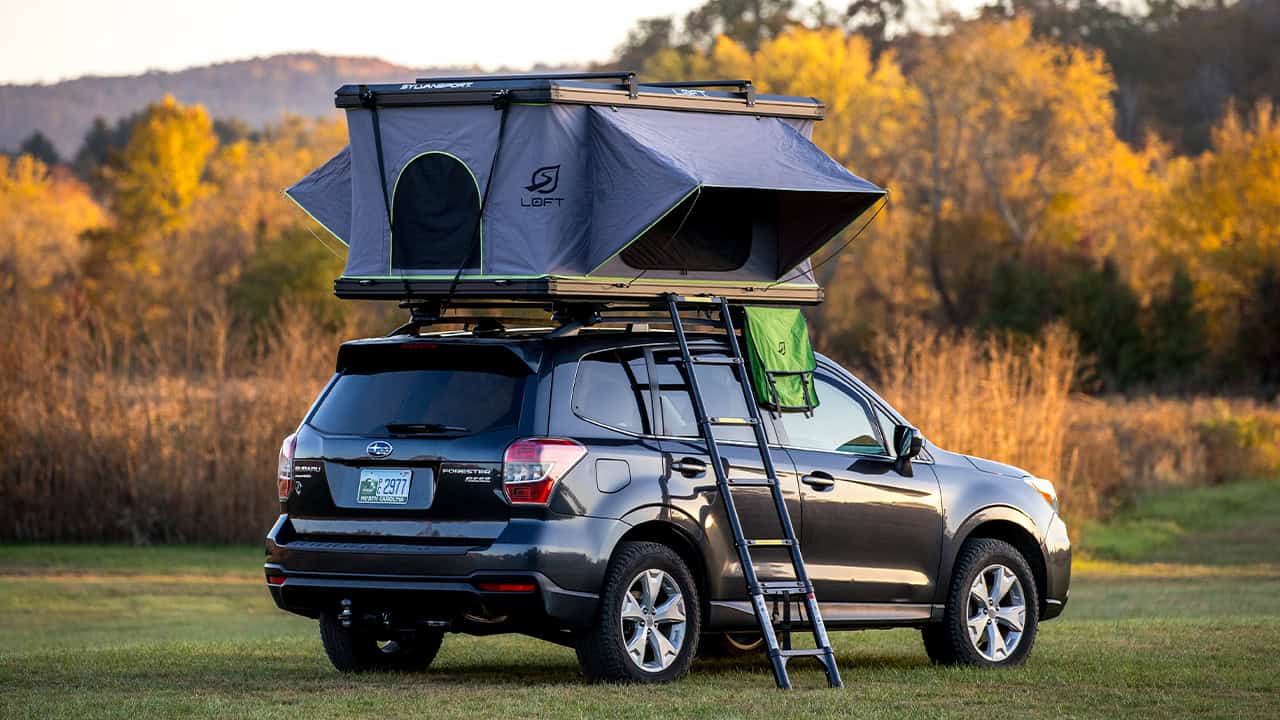
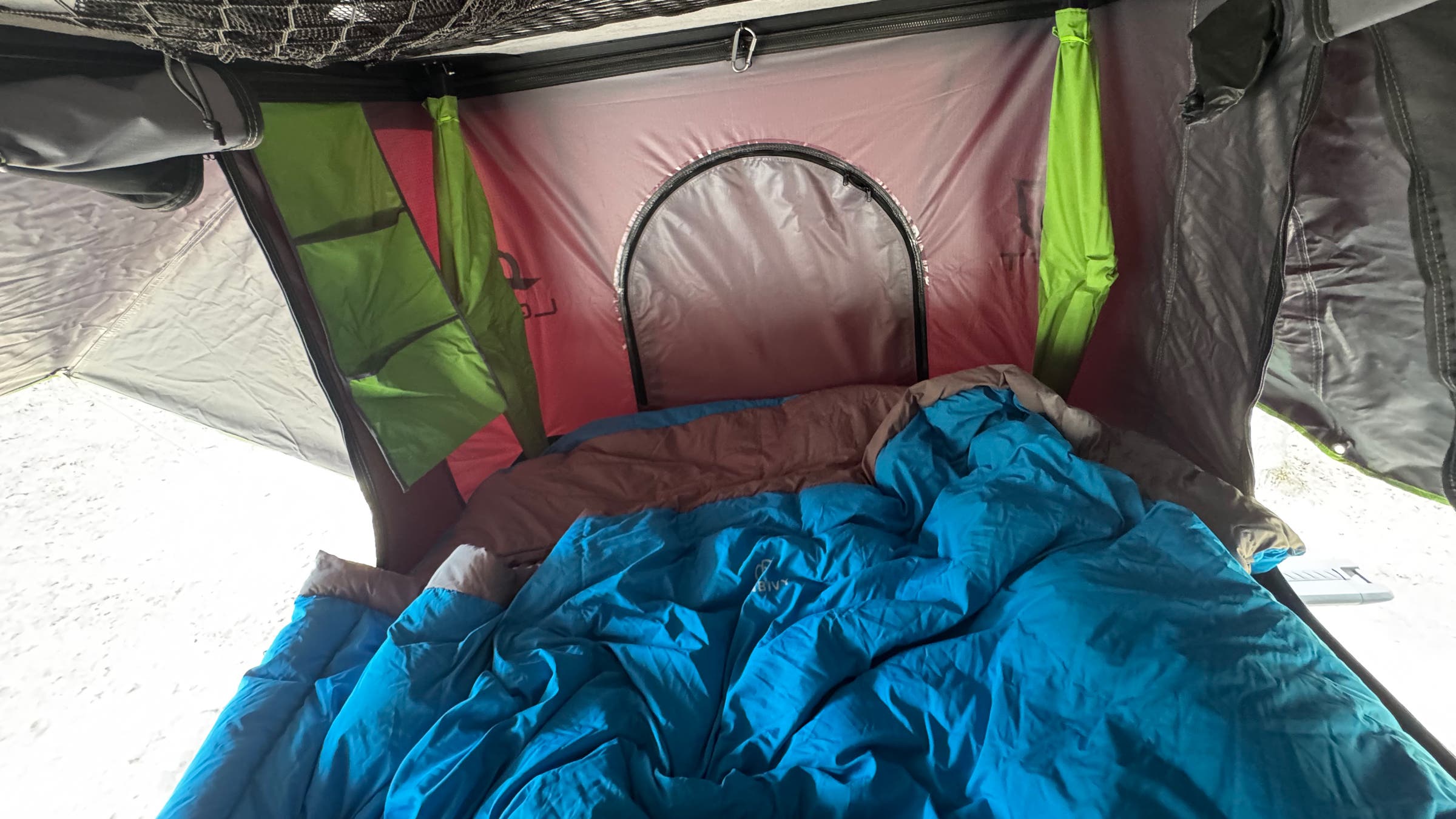
The transition from bed-level sleeping to rooftop tents (RTTs) marks a pivotal change in the overlanding experience. For users with short-bed trucks (typically 5’6"), sleeping in the bed often requires diagonal positioning and the sacrifice of internal storage space. The Sylvan Sport LOFT 2.0 addresses these issues by providing a dedicated, elevated sleeping area that is physically separated from the gear storage.
The LOFT 2.0 is a hardshell, two-person tent designed for rapid deployment. Utilizing a hydraulic-assist mechanism, the tent can be made ready for use in under sixty seconds. In an industry where "setup fatigue" is a known deterrent to frequent camping, such efficiency is highly valued. The hardshell design also offers superior protection against the elements and improved aerodynamics when closed, with a profile of only eight inches. Internally, the tent features a 2.5-inch mattress and integrated storage lofts, reflecting a broader market demand for "glamping-level" comfort within a rugged exterior package.
Optimization of Sleep Systems and Comfort
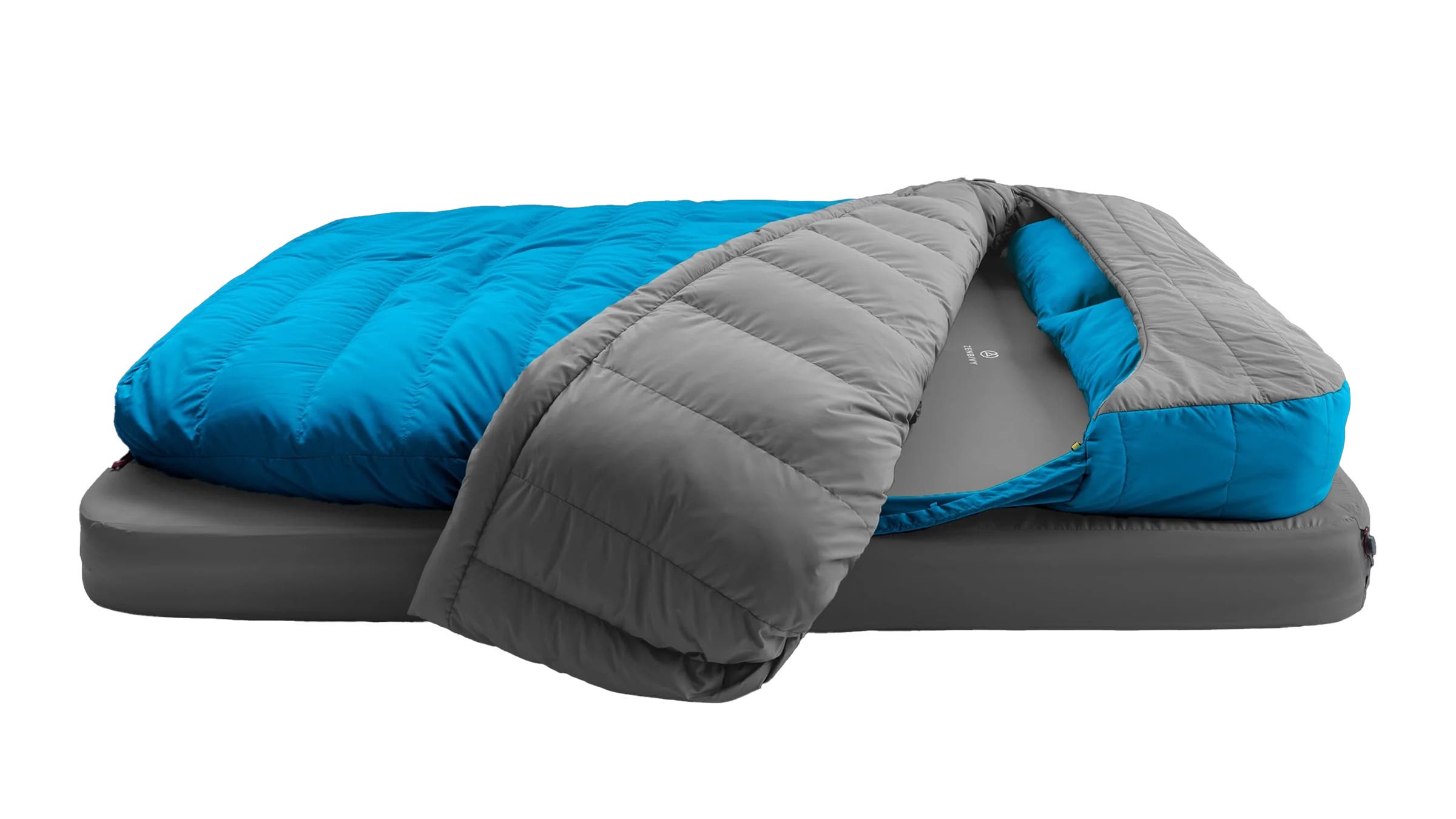
The "Overland" movement has increasingly focused on sleep quality as a metric for success. Traditional mummy-style sleeping bags, while efficient for backpacking, often fail to provide the comfort required for multi-day vehicle-based trips. The Zenbivy Overland Double Bed Kit exemplifies the shift toward integrated bedding systems.
This system moves away from the restrictive nature of traditional bags in favor of a modular quilt and sheet design. By utilizing a fitted sheet that secures to the mattress and a 650+ fill-power down quilt, the system replicates a home-like sleeping environment. This focus on comfort is not merely a luxury; it is a strategic investment in the longevity of the hobby. Industry analysis suggests that when comfort barriers are removed, the frequency of outdoor engagement among families and partners increases significantly.
Technological Integration in Camp Lighting
Modern overlanding builds are also seeing an influx of "Smart" technology. Lighting solutions have evolved from simple flashlights to specialized task and ambient lighting systems. The Coast EAL35R lantern, for instance, introduces voice-control technology to the campsite. This allows users to manipulate light intensity and color from within their sleeping quarters, a convenience that reflects the growing intersection of the Internet of Things (IoT) and outdoor recreation.
For task-specific needs, such as meal preparation or vehicle maintenance after dark, high-lumen magnetic spotlights like the Coast CL10R have become standard. These units offer 1,150 lumens of output and can be attached to the steel or aluminum frames of truck racks, providing hands-free illumination for complex tasks.
Environmental Considerations and Fire Safety
As climate change increases the frequency and severity of wildfires, the use of open campfires has come under intense scrutiny by the U.S. Forest Service and other land management agencies. In regions like the Southern Appalachians, where moisture levels can fluctuate, the demand for contained, smokeless fire pits has risen.
The Packfire system represents a portable adaptation of secondary-combustion technology. By utilizing a collapsible stainless steel and aluminum design, it provides a clean-burning fire that minimizes the risk of errant embers. The use of super-compressed hardwood bricks further reduces smoke output, aligning with "Leave No Trace" principles. These portable fire pits allow enthusiasts to enjoy the "spiritual" aspect of a campfire while maintaining a higher standard of safety and environmental stewardship.
Broader Impact and Industry Implications
The rise of the "permanent" truck camping rig has significant implications for the automotive and outdoor retail sectors. Manufacturers are increasingly designing vehicles with integrated mounting points and higher alternator outputs to support these builds. Furthermore, the overlanding market is expected to continue its growth trajectory, with some estimates valuing the global off-road vehicle market at over $20 billion by 2030.
However, this trend also presents challenges for public land management. The ease with which high-clearance, well-equipped vehicles can access remote areas of National Forests has led to increased traffic on "unimproved" roads. This necessitates a greater emphasis on education regarding sustainable travel and the preservation of wilderness areas.
In conclusion, the evolution of the F150 overlanding build from a "logistical nightmare" to a streamlined, always-ready machine reflects a sophisticated understanding of modern recreation. By integrating modular storage, adjustable structural racks, and high-efficiency shelters, enthusiasts are reclaiming their time and reducing the friction between urban life and the natural world. As technology continues to refine these systems, the boundary between the daily driver and the adventure vehicle will likely continue to blur, making the "great pleasures in life" more accessible than ever before.




 Tatiana Tantri Indah Sari
 Walid Sujud Trenggono
 Budi Mulyono
 Chandra Hamzah