
 Walid Sujud Trenggono
The global travel industry is witnessing a significant shift as travelers increasingly prioritize mental well-being and emotional restoration over traditional sightseeing, a trend that has positioned South Pacific cruises as a central pillar of the burgeoning wellness tourism sector. As modern life becomes characterized by digital saturation and high-stress professional environments, the cruise industry, led by major operators like Carnival Cruise Line, has adapted its offerings to provide more than just transportation; they now provide a structured environment for psychological "resetting." This evolution in maritime travel focuses on the concept of "slow travel," where the journey itself, characterized by the vastness of the ocean and the rhythmic nature of life at sea, serves as a therapeutic intervention for those experiencing burnout or disconnection.
The Psychological Impact of Blue Spaces and Maritime Environments
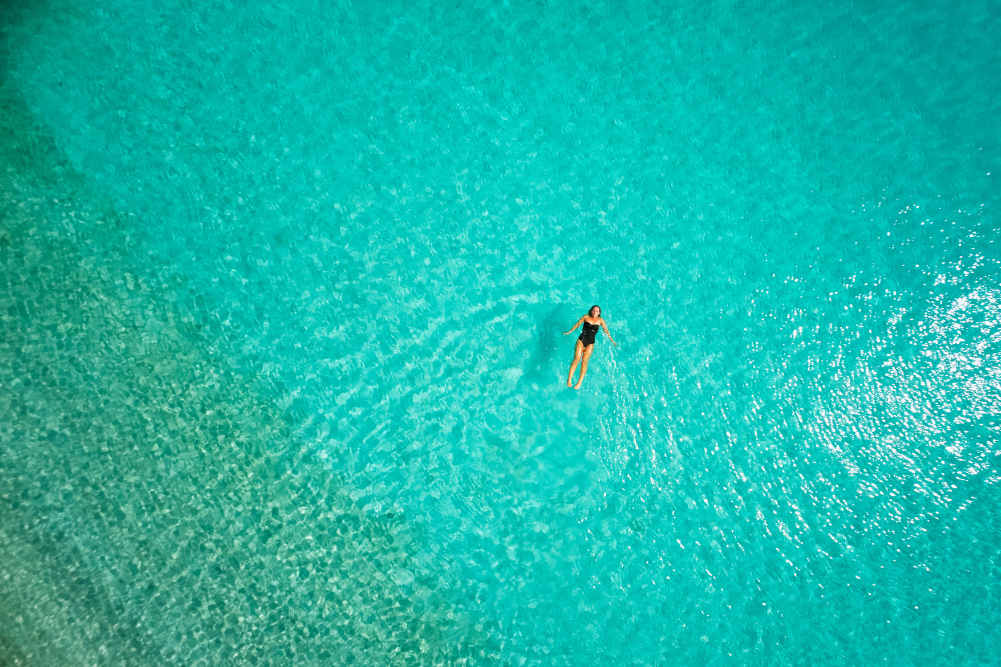
Central to the appeal of a South Pacific cruise is the scientific concept of "Blue Space" therapy. Environmental psychologists have long documented that proximity to water—whether it be the open ocean, lagoons, or coastal regions—has a quantifiable impact on human neurological health. Research indicates that the visual and auditory stimuli provided by the ocean can lower cortisol levels, reduce heart rate, and improve overall mood. On a South Pacific itinerary, passengers are exposed to these blue spaces for extended periods, facilitating a transition from the "red mind" state of high-stress anxiety to a "blue mind" state of calm and creativity.
Unlike land-based vacations, which often involve the logistical stressors of navigating foreign transit systems and managing complex schedules, a cruise removes the "decision fatigue" that often plagues modern professionals. By providing a controlled environment where dining, entertainment, and transportation are pre-arranged, the cruise format allows the brain to enter a state of passive awareness. This cognitive break is essential for long-term mental health, allowing the nervous system to recover from the chronic overstimulation of urban life.
Chronology of the Restorative Voyage: From Embarkation to Integration
The process of reconnection during a South Pacific cruise typically follows a distinct chronological progression, beginning with the initial "detox" phase. Upon departing from major Australian hubs such as Sydney or Brisbane, the first 48 hours at sea are often dedicated to decompression. During this period, the physical distance from the mainland serves as a psychological buffer, helping passengers sever ties with their daily routines. The vast, uninterrupted horizon of the Pacific Ocean acts as a visual palette cleanser, stripping away the clutter of metropolitan scenery.
Following the initial sea days, the journey moves into the "immersion phase" as the vessel reaches the tropical archipelagos of Vanuatu, New Caledonia, or Fiji. This stage of the itinerary is defined by sensory engagement. Whether it is the tactile experience of swimming over coral reefs or the olfactory stimulation of tropical flora in a botanical garden, these experiences ground the traveler in the present moment. The final phase of the journey occurs during the return leg, where the focus shifts to integration. Passengers utilize the remaining time at sea to reflect on their experiences, often utilizing onboard wellness facilities to solidify the sense of balance achieved during the island visits.

The Economic and Cultural Context of South Pacific Tourism
The South Pacific cruise industry is a vital component of the regional economy, providing essential revenue streams for island nations. According to data from the Cruise Lines International Association (CLIA), the cruise sector contributes billions of dollars to the Australian and South Pacific economies annually. This economic relationship is symbiotic; while the islands provide the pristine environments necessary for wellness tourism, the cruise lines provide the infrastructure and foot traffic that support local artisans, tour operators, and conservation efforts.
In places like Port Vila, Vanuatu, or the Isle of Pines in New Caledonia, shore excursions are designed to offer "purposeful exploration." These are not merely photo opportunities but are increasingly structured as cultural exchanges. Guided walks through local villages and traditional cooking classes allow travelers to connect with communities that maintain a different relationship with time and nature. This exposure to alternative lifestyles often prompts a deeper reflection on the traveler’s own life choices, contributing to the "transformative" aspect of the vacation.
Onboard Infrastructure: Balancing Physical Activity and Stillness
To facilitate the desired balance between "doing" and "being," modern cruise ships are engineered with specific zones dedicated to various levels of engagement. Carnival Cruise Line’s fleet, for instance, includes the "Serenity Adult-Only Retreat," a space specifically designed to exclude the high-energy noise of family-oriented decks. This area serves as a sanctuary for those seeking silence and reflection, mirroring the quietude of the remote beaches visited during the day.
The physical component of wellness is addressed through a variety of onboard activities that cater to different fitness levels. Journalistic analysis of modern cruise trends shows a move away from the "buffet-only" stereotype toward a holistic health approach.
- Active Recovery: Yoga sessions on the deck at sunrise, swimming laps in the mid-ship pools, and outdoor jogging tracks allow for the release of endorphins.
- Passive Recovery: The presence of high-end spa facilities, such as the Cloud 9 Spa, offers thermal suites, hydrotherapy pools, and professional massage services aimed at physical relaxation.
- Educational Engagement: Casual classes ranging from dance to photography provide a "flow state" experience, where passengers become so absorbed in a new skill that they lose track of time, a key indicator of psychological well-being.
Data-Driven Insights into the Australian Cruise Market
The Australian market is one of the most robust cruise markets in the world per capita. Recent industry reports suggest that Australians are opting for South Pacific itineraries not only for the proximity but for the perceived safety and reliability of the experience. In a post-pandemic landscape, the "all-in-one" nature of a cruise provides a sense of security that is highly valued.
Statistics from 2023-2024 indicate a 15% increase in bookings for cruises that highlight "wellness" and "nature-based excursions" compared to pre-2020 figures. Furthermore, the average age of the South Pacific cruiser is trending younger, as Millennials and Gen X professionals seek out these voyages as a preventative measure against burnout. The "fly-cruise" model, where passengers may fly to a port like Nouméa to begin their journey, is also gaining traction, though the traditional round-trip from Australian ports remains the most popular for those seeking a total disconnect from the logistics of air travel.
Official Perspectives and Industry Responses
Industry experts suggest that the success of these voyages lies in the "managed serendipity" they offer. A representative from the tourism sector noted, "The goal is to provide an environment where relaxation is the path of least resistance. When you remove the friction of travel—the packing and unpacking, the navigation, the meal planning—you leave the traveler with nothing to do but exist in the moment. That is where the healing happens."
Environmental and cultural organizations in the South Pacific have also weighed in, emphasizing the importance of sustainable interaction. The shift toward smaller, guided shore excursions is a direct response to the need for low-impact tourism that respects the delicate ecosystems of coral reefs and the privacy of indigenous communities. By fostering a "genuine connection" rather than a superficial one, cruise lines are helping to ensure the longevity of these destinations as wellness hubs.
Broader Implications for the Future of Travel
The trend toward using South Pacific cruises as a tool for personal reconnection reflects a broader societal shift in how we define "productivity." The old paradigm of a vacation as a high-intensity "sprint" to see as many landmarks as possible is being replaced by the "marathon" approach of slow, intentional travel. This has implications for how travel brands market their services, moving away from "excitement" and toward "equilibrium."
As the cruise industry continues to invest in more environmentally friendly technologies and more sophisticated wellness programming, the South Pacific will likely remain the premier destination for this type of travel. The combination of the ocean’s natural restorative properties and the structured comfort of a modern cruise ship creates a unique synergy. For the traveler, the result is more than just a collection of photographs; it is a mental clarity and a physical rejuvenation that persists long after they have returned to the routine of daily life.
In conclusion, a South Pacific cruise offers a multifaceted solution to the modern epidemic of stress. By integrating the biological benefits of blue spaces with the logistical ease of a managed voyage, and the cultural richness of island exploration, these journeys provide a comprehensive framework for personal reset. As more individuals recognize the necessity of pausing to reconnect with nature and themselves, the role of the cruise as a sanctuary at sea is set to become an enduring feature of the global wellness landscape.



 Anjar Salim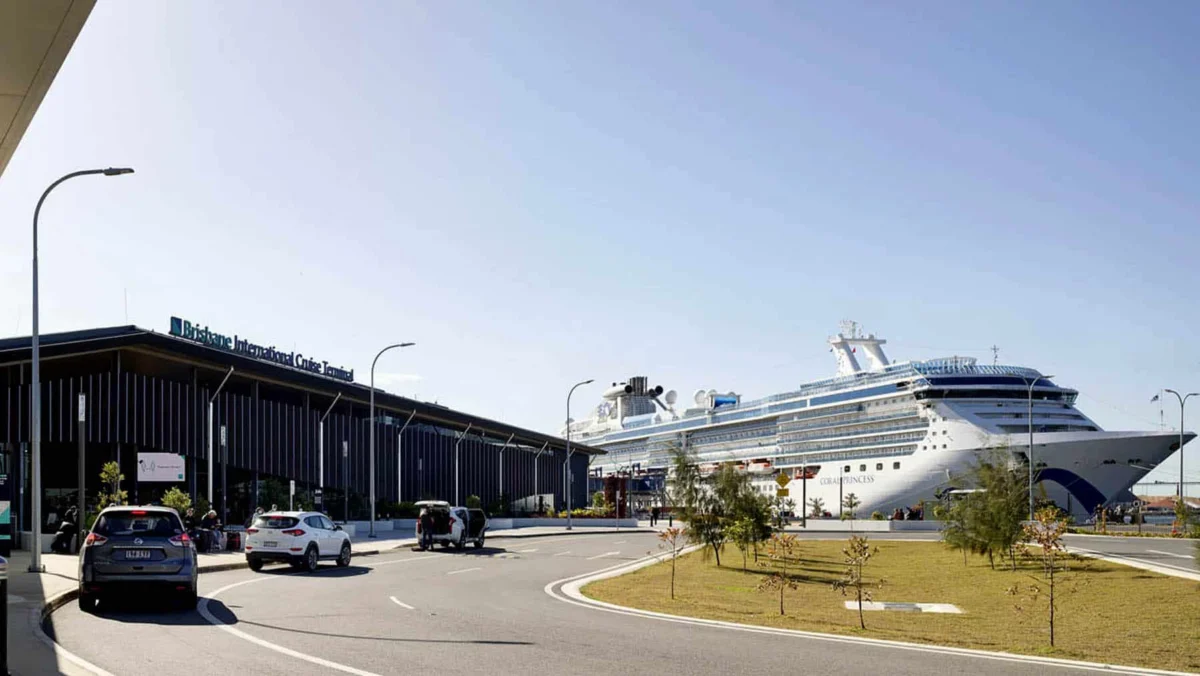
 Chandra Hamzah
 Gabriela Annisa
 Susilo Edi Turonggo
 Tatiana Tantri Indah Sari
 Hendra Ismail