
 Susilo Edi Turonggo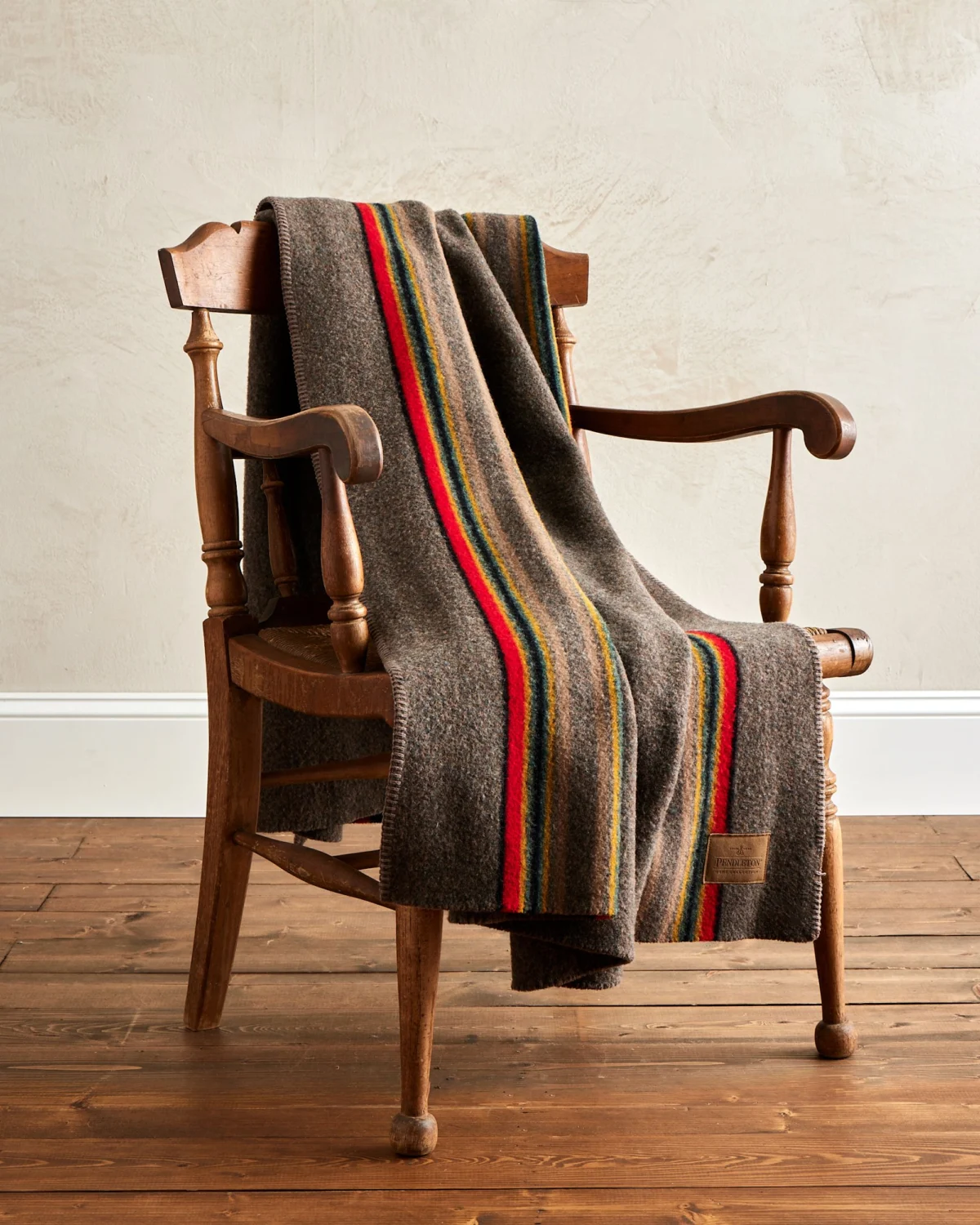
The ubiquitous blanket, a symbol of comfort and warmth, is undergoing a significant transformation driven by increasing consumer awareness of environmental and social impact. As individuals seek to create more mindful living spaces, the demand for blankets crafted from sustainable materials, produced through ethical supply chains, and finished with non-toxic dyes has surged. This shift reflects a broader societal movement towards conscious consumption, moving beyond mere aesthetics to scrutinize the provenance and ecological footprint of household textiles.
The Imperative for Sustainable Textiles: Addressing Environmental and Health Concerns
Historically, the textile industry has been a significant contributor to global pollution, from water-intensive cultivation practices to chemical-laden manufacturing processes. Conventional synthetic textiles, such as polyester and acrylic, are petroleum-derived, non-biodegradable, and contribute to microplastic pollution in waterways and homes. Furthermore, the dyeing process for these materials often involves azo-benzene disperse dyes, known immuno-sensitizers that can trigger skin reactions upon contact. These hazardous substances can also become airborne as household dust, leading to inhalation and ingestion risks for residents.
The environmental implications extend beyond direct chemical exposure. The production of conventional cotton, for instance, is notoriously water and pesticide-intensive, while the manufacturing of some synthetics requires vast amounts of energy. The lifecycle of these products often culminates in landfills, where they persist for centuries, exacerbating the global waste crisis.
In response to these pressing issues, a growing segment of the textile industry has begun to prioritize sustainability and ethical production. This paradigm shift encompasses the entire product lifecycle, from the selection of raw materials to manufacturing practices, labor conditions, and end-of-life considerations. The focus has moved towards natural fibers, regenerative agriculture practices, closed-loop production systems, and rigorous certifications that ensure transparency and accountability.
Evolution of Textile Sustainability: A Brief Chronology
The journey towards sustainable textiles has seen several key phases. Post-World War II, the rise of synthetic fibers offered affordability and durability, quickly dominating the market. However, by the late 20th century, environmental movements began to highlight the ecological costs. The early 2000s saw the emergence of organic cotton as a mainstream alternative, driven by concerns over pesticide use. This was followed by a broader interest in other natural fibers like linen and hemp, known for their lower environmental impact.
More recently, the focus has expanded beyond raw materials to encompass the entire supply chain. Certifications like Oeko-Tex Standard 100, which addresses harmful substances in textiles, gained prominence. Concurrently, movements like Fair Trade began to influence textile production, ensuring equitable labor practices. The past decade has witnessed an acceleration, with innovations in regenerative agriculture, recycled materials, and advanced sustainable dyeing techniques becoming more widespread. The rise of B Corps in the textile sector further signifies a commitment to balancing profit with purpose, embedding social and environmental considerations into business models.
Key Criteria for Ethical and Eco-Conscious Blankets
For consumers navigating the expanding market of sustainable home goods, understanding the critical evaluation criteria is paramount. Discerning genuine sustainability from superficial greenwashing requires attention to material integrity, dye safety, durability, and a transparent, ethical supply chain.
1. Skin-Safe Materials and Dyes: The foundation of a truly sustainable blanket lies in its constituent materials. Natural fibers are generally preferred for their biodegradability, breathability, and reduced environmental footprint compared to petroleum-based synthetics.
- Organic Cotton: Grown without synthetic pesticides, herbicides, or genetically modified organisms, organic cotton significantly reduces environmental pollution and conserves water. Its softness and breathability make it a perennial favorite.
- Alpaca Wool: Renowned for its luxurious softness, warmth, and hypoallergenic properties, alpaca wool is also a highly sustainable choice. Alpacas have soft padded feet that cause less erosion than hooved animals, and their efficient grazing habits allow vegetation to recover quickly. Alpaca fiber is also naturally flame-resistant and requires minimal processing.
- Merino Wool: Fine and soft, merino wool offers excellent temperature regulation and moisture-wicking properties. Sheep raising can be sustainable when managed responsibly, and merino wool is naturally odor-resistant, reducing the need for frequent washing and thus extending its lifespan.
- Linen: Derived from the flax plant, linen is celebrated for its strength, durability, and breathability. Flax requires significantly less water and pesticides than cotton, and nearly all parts of the plant can be utilized, minimizing waste.
- Tencel™ (Lyocell/Modal): A branded lyocell fiber derived from sustainably sourced wood pulp, Tencel is produced in a closed-loop system that recycles water and solvents, minimizing waste and emissions. It offers exceptional softness, strength, and moisture management.
- Hemp: A highly versatile and resilient fiber, hemp requires minimal water and no pesticides to grow. It naturally replenishes soil nutrients and produces strong, durable textiles that soften with age.
Beyond the fibers themselves, the dyes and finishes applied are crucial. Certifications like Oeko-Tex Standard 100 ensure that textiles are tested for harmful substances, including allergenic dyes and heavy metals, at all stages of production. The bluesign® system goes further, addressing environmental performance throughout the entire manufacturing process, from raw materials to finished product, focusing on resource productivity, consumer safety, water and air emissions, and occupational health and safety. These certifications provide an independent verification that products meet stringent ecological and toxicological requirements, safeguarding both consumer health and the environment.
2. Durability and Timeless Style: A truly sustainable product is one that lasts. Well-made blankets crafted from quality materials with robust construction are designed to endure years of use, reducing the need for frequent replacement and mitigating textile waste. Brands committed to durability often employ traditional weaving techniques and select fibers known for their resilience. For instance, wool’s natural anti-odor and stain-resistant properties mean it requires less frequent washing than synthetic alternatives, further extending its life.
Furthermore, timeless design plays a crucial role. Blankets with classic patterns, neutral palettes, or thoughtfully abstract aesthetics transcend fleeting trends, ensuring they remain cherished pieces in a home for decades. This approach counteracts the "fast fashion" mentality prevalent in many textile sectors, promoting a more enduring relationship with household items. Proper care, as outlined by manufacturer instructions, is also integral to maximizing a blanket’s lifespan.
3. Traceable & Ethical Supply Chain: The journey of a blanket from raw material to finished product involves numerous steps, each with potential social and environmental impacts. An ethical supply chain prioritizes fair wages, safe working conditions, and respect for human rights for all laborers involved, from farmers to weavers and finishers. This is particularly vital in artisan-intensive crafts, where traditional skills are preserved and communities are supported.
Transparency is a hallmark of ethical brands, often detailing their sourcing practices, manufacturing locations, and partnerships with artisans. Independent certifications such as Fair Trade USA and the World Fair Trade Organization (WFTO) provide robust verification that products meet rigorous social, environmental, and economic standards. These labels ensure that producers receive fair prices, workers enjoy safe conditions and fair wages, and environmentally sound practices are employed. Additionally, Certified B Corporations are businesses that meet the highest standards of verified social and environmental performance, public transparency, and legal accountability to balance profit and purpose. Choosing brands with these certifications empowers consumers to support a more equitable and sustainable global economy.
Leading Brands in Sustainable Blanket Production: A Curated Selection
The following brands exemplify a commitment to one or more of these crucial sustainability criteria, offering consumers a range of ethical and eco-conscious choices for their homes.
1. Pendleton
With a heritage stretching back to 1909, Pendleton stands as a venerable institution in American textile manufacturing. The company operates two of the few remaining woolen mills in the United States, allowing for vertical integration where wool and cotton are scoured, dyed, spun, woven, and hand-finished domestically. This control over the production process ensures quality and reduces the supply chain footprint. Pendleton fosters deep, long-standing relationships with local wool farmers and collaborates with indigenous artists to create its iconic, intricately patterned blankets, which are woven on traditional looms. These blankets are Oeko-Tex-certified, guaranteeing freedom from harmful substances. The brand’s commitment to preserving American manufacturing and traditional craftsmanship makes it a cornerstone of sustainable textile production.
- Price Range: $60-$529
- Availability: The U.S.
2. Minna
Minna, a certified B Corp and queer-led business based in Upstate New York, distinguishes itself through its dedication to artisan collaboration and minimalist design. The brand’s blankets, featuring abstract patterns and clean aesthetics, are handmade in small batches. Minna utilizes high-quality, sustainable materials such as alpaca, Oeko-Tex-certified cotton, and merino wool. A core tenet of their philosophy is building strong, equitable relationships with artisan partners across Central and South America. Demonstrating exceptional transparency, Minna lists the specific artisan who crafted each blanket on its product pages, fostering a direct connection between producer and consumer. This approach not only supports traditional craft but also ensures fair compensation and safe working environments.
- Price Range: $165-$398
- Availability: Most countries.
3. April Notes
April Notes specializes in soft, earth-friendly home linens, with a collection of blankets crafted from linen, cotton, and merino wool. The brand emphasizes health and environmental safety, ensuring its products are certified free of harmful chemicals and synthetic dyes. Their blankets are naturally breathable and hypoallergenic, catering to sensitive skin and promoting a healthier home environment. A notable aspect of April Notes’ strategy is its made-on-demand production model, which significantly minimizes textile waste and prevents overproduction, a common issue in the industry. The brand partners closely with a boutique atelier in Lithuania, ensuring meticulous craftsmanship, fair wages, and safe working conditions for its artisans.
- Price Range: $149-$180
- Availability: The U.S., Canada, the U.K., Australia, New Zealand, Mexico, Norway, Switzerland, Gibraltar, and all European Union countries.
4. Avocado
Avocado, a Los Angeles-based certified B Corp, is widely recognized for its commitment to organic and natural bedroom furnishings. Their throw blankets are crafted from a diverse range of sustainable materials, including Oeko-Tex-certified organic cotton, alpaca wool, cashmere, merino wool, and recycled cotton. The brand takes a thoughtful approach to dyeing, with the colors of their alpaca wool throws being naturally occurring and undyed. Other blankets utilize azo-free dyes, further reducing chemical exposure. Avocado sources its wool from Northern India and maintains a regularly audited supply chain, ensuring ethical practices and transparency from farm to finished product.
- Price Range: $39-$349
- Availability: The U.S.
5. Coyuchi
Coyuchi is a pioneer in creating high-quality home goods with a minimal environmental footprint. Their blankets are made from organic cotton and wool sourced from India, and are woven in Fair Trade-certified factories located in Turkey, Portugal, and Germany. This commitment to Fair Trade practices ensures that workers are treated ethically and receive fair compensation. Coyuchi provides a comprehensive "blanket guide" to assist customers in selecting the perfect blanket, underscoring their dedication to customer education and satisfaction within the sustainable ethos. The brand’s focus on organic materials and certified ethical production makes it a leading choice for conscious consumers.
- Price Range: $58-$478
- Availability: The U.S.
6. Savvy Rest
Savvy Rest, another certified B Corp in the bedding sector, offers organic cotton blankets that are entirely dye-free. Available in a wide range of sizes from throw to king, these blankets prioritize purity and simplicity. The brand takes pride in its domestic production, with cotton grown and woven into blankets within the United States. This localized supply chain reduces transportation emissions and supports American agriculture and manufacturing. The absence of dyes ensures that the blankets are free from any potential chemical irritants, making them an excellent choice for individuals with chemical sensitivities or those seeking the most natural option available.
- Price Range: $89-$198
- Availability: The United States
7. Under the Canopy
Under the Canopy is dedicated to producing intentional, durable designs using Oeko-Tex-certified low-impact dyes. Their blankets are manufactured in India, Pakistan, Turkey, and China, with careful oversight to ensure ethical production standards. The brand utilizes high-quality merino wool from Argentina and organic cotton from Turkey, selected for their sustainable attributes and performance. By focusing on low-impact dyes and robust construction, Under the Canopy creates blankets that are not only environmentally responsible but also built to withstand the test of time, aligning with the principles of reduced consumption and longevity.
- Price Range: $178-$212
- Availability: The U.S.
8. Boll & Branch
Boll & Branch is a Fair Trade Certified bedding company that places a strong emphasis on non-toxic processes to deliver exceptionally safe and soft blankets. Their throws are meticulously crafted by artisans in India, Turkey, and Pakistan, using traceable Oeko-Tex-certified organic cotton and alpaca. The brand’s commitment to Fair Trade extends throughout its supply chain, ensuring that every individual involved in the production process receives fair wages and works in safe, respectful conditions. By prioritizing both material integrity and social equity, Boll & Branch offers luxurious and ethically produced blankets that set a high standard in the industry.
- Price Range: $149-$699
- Availability: The U.S. and Canada.
9. Bearaby
Bearaby has carved a niche in the market by specializing in weighted blankets designed to promote sleep and alleviate anxiety. Beyond their signature weighted offerings, the brand also produces comfortable and lightweight throws. Bearaby’s material choices include Tencel from Austria, organic cotton from India, and Oeko-Tex-certified recycled polyester. While the inclusion of recycled polyester contributes to circularity by diverting waste from landfills, consumers sensitive to synthetics should verify specific material compositions. The brand’s focus on innovative, comfort-enhancing designs with certified materials underscores its commitment to both well-being and environmental responsibility.
- Price Range: $149-$309
- Availability: The U.S.
10. Cold Picnic
Cold Picnic transforms home goods into distinctive art pieces, with a strong emphasis on domestic production and unique design. Their blankets, designed in Brooklyn, are made in the U.S. in small batches by a family-owned company, using domestically-sourced Oeko-Tex-certified recycled cotton. This approach supports local economies and reduces the environmental impact associated with long-distance shipping. Additionally, Cold Picnic’s quilts are handmade in India by skilled artisans, preserving traditional craftsmanship. While the brand primarily uses sustainable materials, some blankets may incorporate polyester. Consumers prioritizing natural fibers should review material details before purchase.
- Price Range: $130-$560
- Availability: Worldwide.
11. Parachute
Parachute, a direct-to-consumer brand, is known for its commitment to quality and durable home goods with a timeless, modern aesthetic. Their blankets are crafted from Oeko-Tex-certified materials, including organic cotton, alpaca wool, and linen. Parachute partners with Fair Trade manufacturers in Portugal and Turkey, maintaining an ethical supply chain that prioritizes fair labor practices. While the majority of their offerings align with natural fibers, some blankets may contain a small percentage of polyester. Consumers with sensitivities to synthetics are advised to check the material composition of specific products. Parachute’s blend of contemporary design, certified materials, and ethical manufacturing makes it a popular choice for modern, conscious homes.
- Price Range: $99–$289
- Availability: The U.S. and Canada.
12. The Citizenry
The Citizenry is a Fair Trade brand that excels in offering warm, lightweight blankets, quilts, and throws, all crafted from ethically sourced, Oeko-Tex-certified materials. Their diverse material palette includes alpaca wool, mohair, linen, and cotton. A hallmark of The Citizenry’s approach is its deep commitment to artisan partnerships; the brand transparently lists all of its international partners and specifies where each blanket was handwoven and loomed on its product pages. This transparency not only celebrates traditional craftsmanship but also assures consumers of the ethical origins of their purchases. Similar to other brands, some blankets may contain a small amount of polyester, prompting a review of material details for those sensitive to synthetics.
- Price Range: $189-$299
- Availability: The U.S. and Canada.
13. Made Trade
Made Trade operates as an online marketplace that meticulously vets every product to ensure it meets rigorous standards of sustainability and transparency. This platform empowers consumers to shop by their values, offering filters for categories such as USA Made, handcrafted, or Fair Trade. Shoppers can also refine their search by preferred materials, including cotton, recycled polyester, hemp, linen, and merino and alpaca wool. While Made Trade offers a wide array of sustainable options, consumers seeking to avoid all synthetics should utilize the platform’s filter settings to ensure their selections align with their preferences. Made Trade’s comprehensive approach to curation makes it an invaluable resource for discerning ethical and eco-friendly home goods.
- Price Range: $40-$719
- Availability: The U.S., Australia, Canada, the U.K., most European and Asian countries.
Broader Impact and Future Implications
The growing availability and demand for sustainable and ethical blankets signify a broader shift in consumer behavior and industry practices. This trend is not merely about individual purchasing decisions; it represents a collective push towards a more responsible global economy.
- Consumer Empowerment: Informed consumer choices are driving innovation and accountability within the textile industry. As demand for certified, transparent, and ethically produced goods increases, brands are compelled to adapt their sourcing and manufacturing processes.
- Industry Transformation: The success of sustainable brands encourages larger, more conventional manufacturers to re-evaluate their supply chains, invest in eco-friendly technologies, and adopt more responsible business models. This competitive pressure accelerates the overall transition towards a more sustainable textile sector.
- Artisan Preservation and Economic Justice: By prioritizing Fair Trade and direct artisan partnerships, these brands play a crucial role in preserving traditional crafts, supporting local economies, and ensuring equitable livelihoods for communities around the world. This helps to counteract the exploitative practices often found in fast fashion supply chains.
- Environmental Stewardship: The widespread adoption of organic, recycled, and low-impact materials, coupled with responsible dyeing and manufacturing processes, contributes to significant reductions in water consumption, pesticide use, chemical pollution, and textile waste. The emphasis on durability and timeless design also supports a circular economy model, where products are valued for their longevity rather than disposability.
- Health and Wellness: Choosing blankets made with skin-safe, non-toxic materials contributes directly to improved indoor air quality and reduced exposure to harmful chemicals, fostering healthier living environments for families.
The trajectory of the sustainable textile industry points towards further innovation, including advancements in regenerative agriculture for fiber production, wider implementation of circular economy principles (e.g., textile-to-textile recycling), and enhanced traceability through digital technologies. As awareness continues to grow, the cozy blanket will increasingly become a testament to conscious living, embodying comfort, craftsmanship, and a commitment to a healthier planet.



 Anjar Salim
 Chandra Hamzah
 Gabriela Annisa
 Tatiana Tantri Indah Sari
 Hendra Ismail