
 Dwi Wanna
Nineteen years after first experiencing its raw, untamed beauty, I returned to Ko Lipe, a Thai island that once served as the backdrop for an unforgettable month-long immersion in 2006. Back then, it was a sanctuary for the truly adventurous, a place where electricity was a luxury, beachfront bungalows cost mere dollars, and the concept of a "last boat for the season" held genuine weight. The island’s allure lay in its simplicity; days were spent in a tranquil rhythm of beach lounging, reading, snorkeling, and enjoying the island’s limited but charming culinary and social offerings. It was a true paradise, a place where time seemed to warp, and many travelers found themselves lingering for weeks, captivated by its idyllic charm. For me, that period remains a highlight of my extensive travels, a time of deep connections with fellow travelers and locals, learning fragments of Thai, and embracing the quintessential backpacker dream.
The potent nostalgia associated with my initial visit had long deterred a return. I feared that revisiting Ko Lipe would be an exercise in chasing "travel ghosts," an attempt to recapture a magic intrinsically tied to the people and circumstances of the past. The inevitable development that had surely transformed the island over two decades also loomed as a potential source of disappointment. Thailand’s tourism trajectory, particularly on its famed islands, has often leaned towards rapid and sometimes unsustainable expansion. The constant construction, the relentless build-build-build mentality, worried me. I didn’t want to see my cherished memory of Ko Lipe marred by the stark reality of unchecked growth.
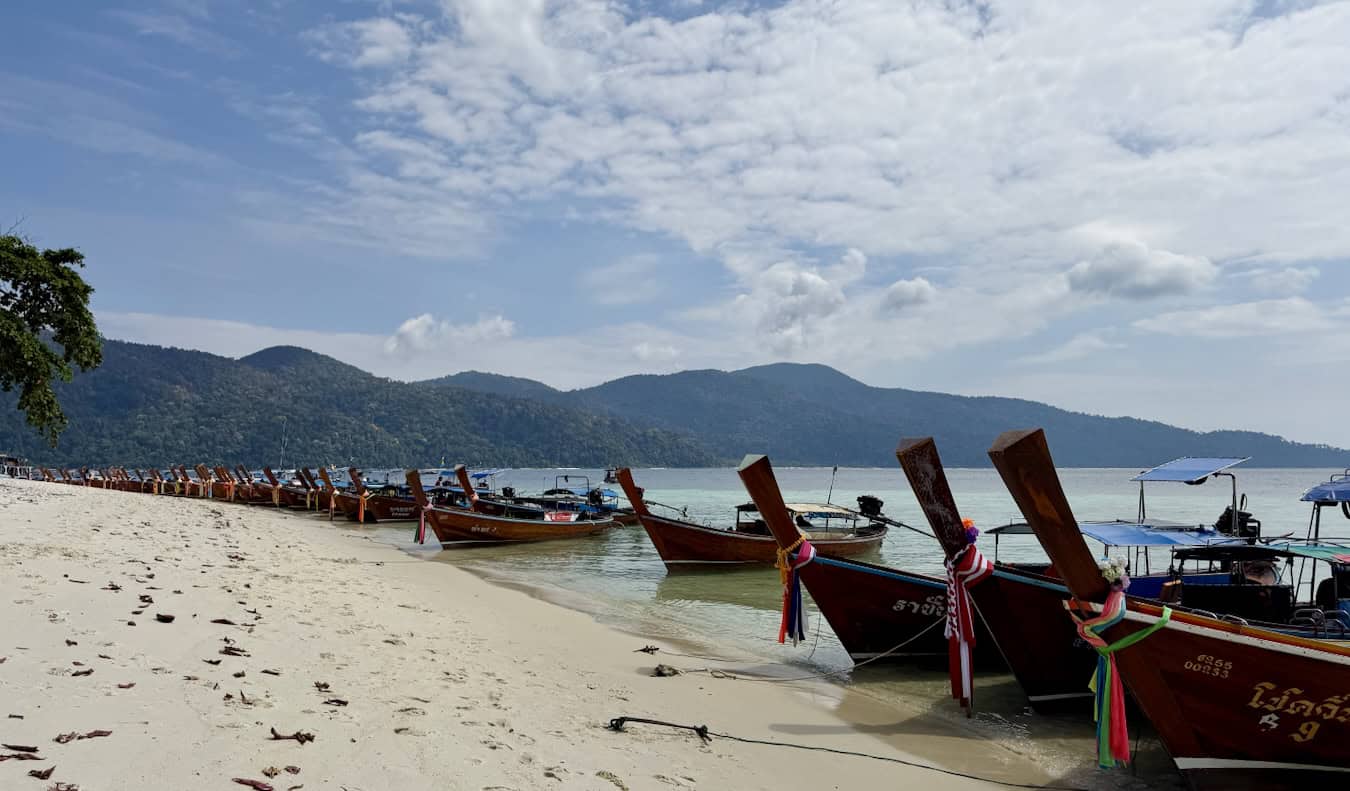
However, a recent itinerary through Southeast Asia presented an unavoidable opportunity. My route through the Indian Ocean side of Thailand, en route to Malaysia, would naturally pass by Ko Lipe. Furthermore, the island’s reputation as a vibrant hub for New Year’s Eve celebrations, coupled with its essential ferry link to Langkawi, my next destination, made it a pragmatic, albeit emotionally charged, choice. With a sense of trepidation, I decided to face the reality of Ko Lipe’s evolution.
The subsequent reality proved to be a stark departure from the paradise I remembered. My fears were, unfortunately, realized. Ko Lipe, it seems, has adopted a development model reminiscent of other heavily impacted Thai islands, most notably Ko Phi Phi, leading to extensive and, in my assessment, unsustainable overdevelopment.
The Unraveling of a Pristine Landscape
The transformation is palpable and widespread. Much of the island’s natural terrain has been paved over, with the once-familiar dirt footpaths now replaced by concrete thoroughfares accommodating vehicles and construction equipment. Expansive areas that were once lush with palm trees are now dominated by high-end resorts, complete with swimming pools – a particularly ironic development given the island’s limited natural freshwater supply. The pace of construction remains frenetic, with new developments continually emerging.
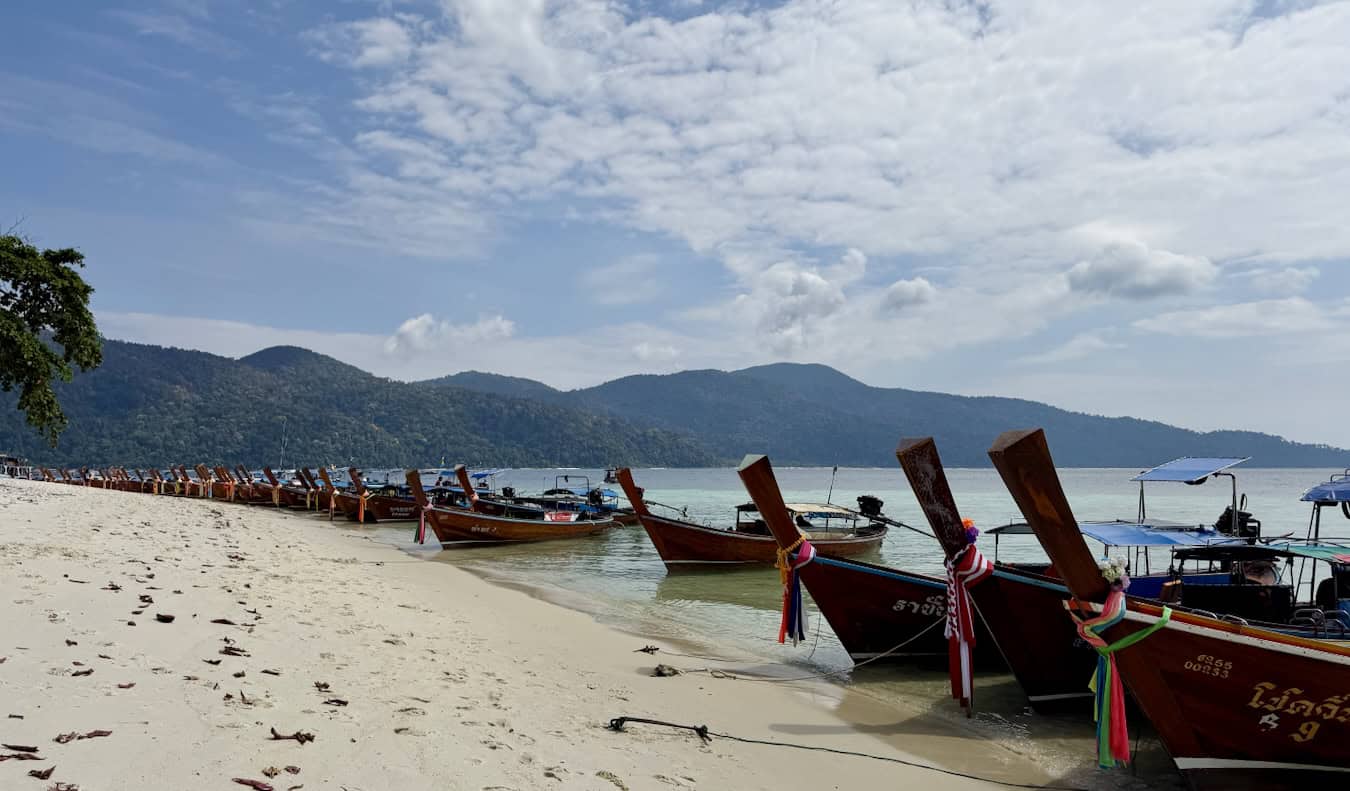
The environmental toll is equally concerning. The vibrant coral reefs surrounding Ko Lipe, once teeming with marine life, are showing significant signs of distress. This degradation is attributed to a confluence of factors, including the sheer volume of boat traffic, the impact of anchors, pollution, and the pressures of overfishing. The picturesque beaches, once havens of tranquility, are now frequently lined with longtail boats, their engines spewing exhaust fumes that create a visible sheen on the water’s surface, a stark reminder of the ecological cost. The culinary scene has also shifted, with a greater emphasis on catering to tourist preferences for Western cuisine, often at the expense of authentic and high-quality Thai culinary traditions.
This rapid development has also had significant social repercussions. Many local residents have been displaced, compelled to sell their land to mainland developers. The island’s workforce is increasingly comprised of individuals from the mainland, meaning that the economic benefits of this tourism boom are not equitably distributed among the indigenous population. The very fabric of the community, which once contributed to the island’s unique charm, appears to be fraying under the strain of intense commercialization.
A Divergent Perspective: The First-Time Visitor Experience
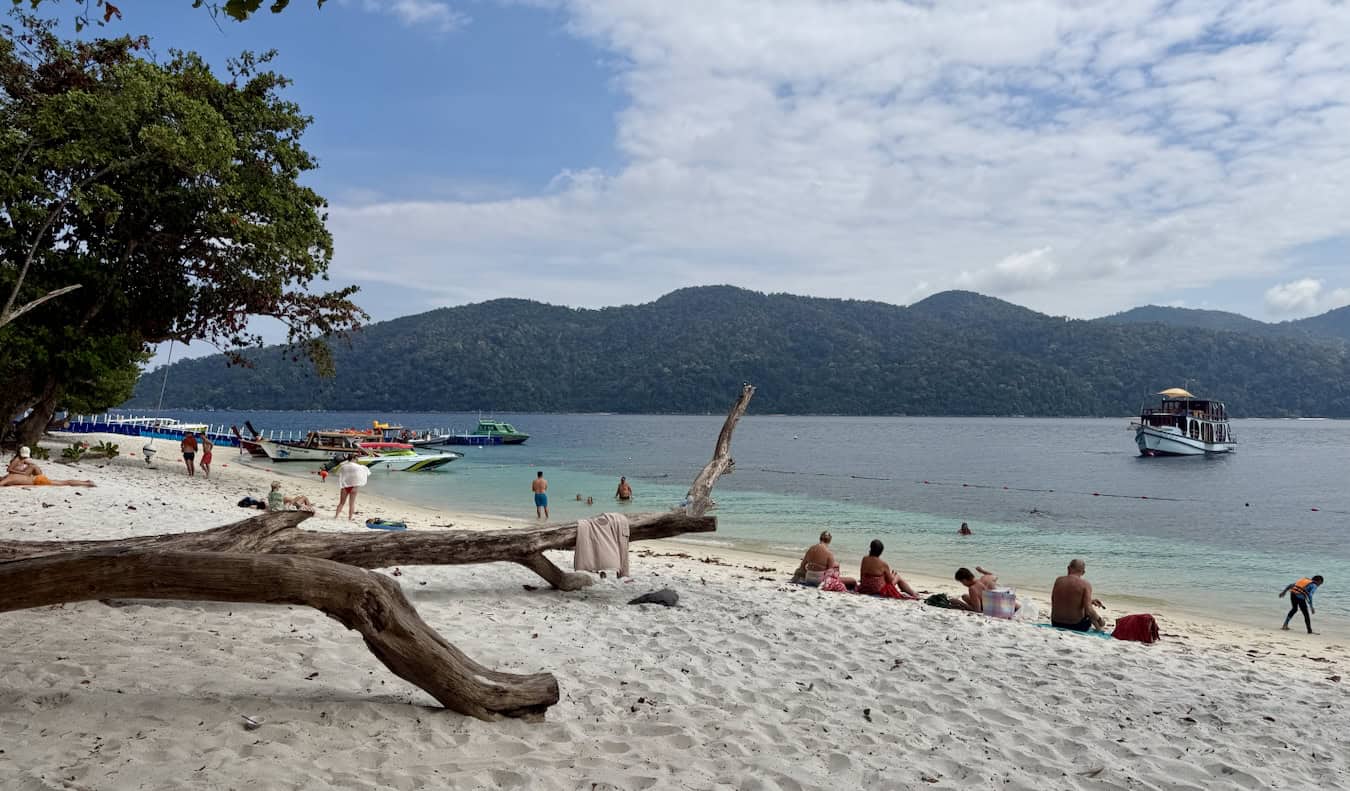
It is important to acknowledge that for many visitors, particularly those experiencing Ko Lipe for the first time, the island’s current state might still evoke a sense of wonder. The natural beauty remains undeniable: the postcard-perfect vistas, the impossibly azure waters, and the powdery white sand are powerful attractions. The surrounding national park status offers opportunities for excursions to more secluded, pristine islands, providing glimpses of the untouched beauty that once defined Ko Lipe.
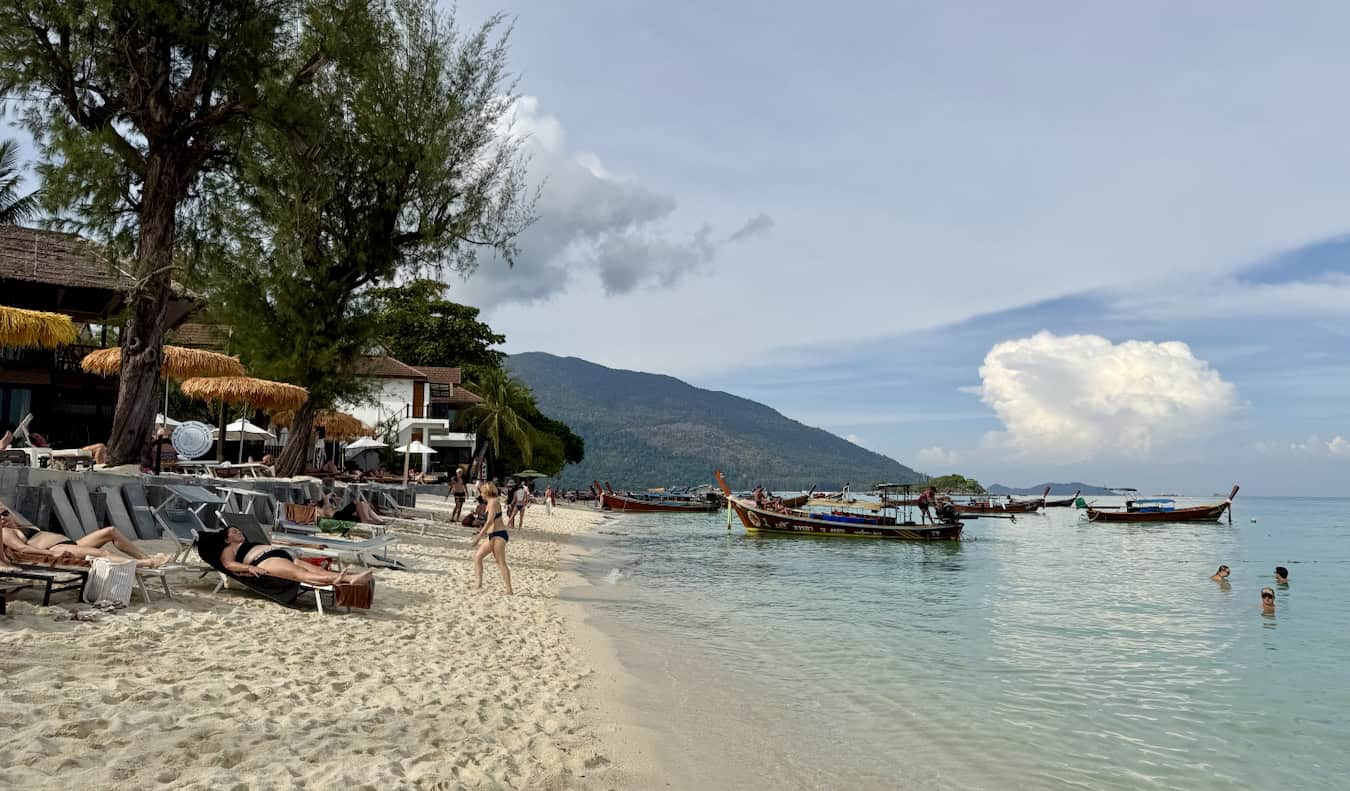
When compared to more heavily developed destinations like Ko Phi Phi, Krabi, or Phuket, Ko Lipe may still present as relatively less developed. This comparative perspective can understandably lead to an initial "wow" reaction from newcomers. However, this perception risks overlooking the significant ecological and social pressures that the island is now enduring.
The Dilemma of Sustainable Tourism
As I reflect on the current state of Ko Lipe, I arrive at a conclusion similar to my assessment of other critically impacted destinations: perhaps a pause in visitation is warranted. My stance is not an outright rejection of growth or tourism. Instead, it is a critique of unsustainable development practices that prioritize rapid expansion over long-term ecological and social well-being. The relentless pace of construction and resource exploitation on Ko Lipe is a clear indicator that current management strategies are not effectively safeguarding the island’s limited resources.
The challenge of reversing such extensive development is immense. As the saying goes, "you can’t put the genie back in the bottle." Local communities facing economic pressures are unlikely to forgo immediate financial gains in favor of an idealized vision of preservation. However, this does not negate the responsibility of travelers to make conscious choices.
Alternatives for Conscious Travelers
For travelers seeking similar natural beauty and island experiences in Thailand, there are well-managed alternatives available. Islands such as Ko Lanta, Ko Jum, and Ko Mook, located in the vicinity, offer enchanting escapes with more sustainable tourism models. These destinations, while still popular, appear to have better integrated development with environmental preservation and community benefit.
My recommendation to skip Ko Lipe is born from a place of deep concern. The island’s trajectory represents a cautionary tale, a poignant example of how unchecked tourism can erode the very qualities that made a destination desirable in the first place. My original visit to Ko Lipe profoundly impacted my life, offering a glimpse into a more authentic and harmonious way of travel. However, as stewards of the planet and responsible travelers, there comes a point where we must acknowledge that enough is enough.
The Power of Consumer Choice
The impact of consumer choices on the tourism landscape is undeniable. The decline in practices like elephant riding in Thailand, the rise of eco-lodges, and the growing discourse around overtourism are all testaments to the power of informed travelers. By choosing destinations that prioritize sustainable practices and by actively avoiding those that are demonstrably overexploited, travelers can exert a significant influence.
While I harbor doubts about the possibility of a swift reversal for Ko Lipe, I remain hopeful that increased awareness and a collective shift in traveler behavior could, at the very least, mitigate further damage. By choosing to visit alternative, better-managed islands, travelers can avoid contributing to the problem on Ko Lipe. This decision, while difficult given the island’s past allure, is a necessary step towards fostering a more responsible and sustainable future for tourism globally. It is a recognition that our travel choices have consequences, and sometimes, the most impactful action is to simply choose differently.


 Anjar Salim
 Chandra Hamzah
 Budi Mulyono

 Tatiana Tantri Indah Sari