
 Hendra Ismail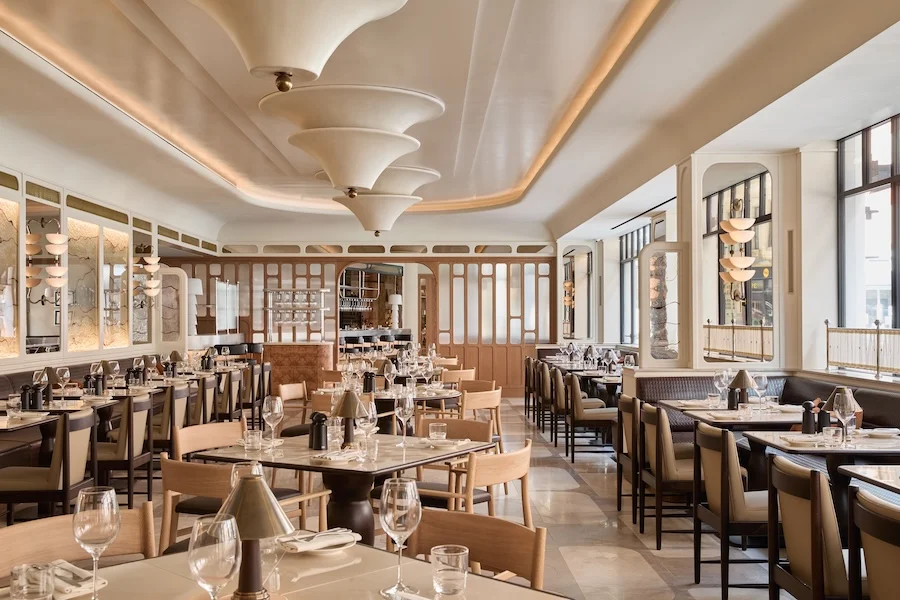
The London property by Lind + Almond channels the neighborhood’s creative legacy through layered, artistic references. Words by Stephanie Chen, Photos by Helen Cathcart.
Lind + Almond, the design studio helmed by Richy Almond and Pernille Lind, has unveiled The Newman, a new hotel situated in the heart of London’s Fitzrovia. This boutique establishment is positioned as a meticulously crafted tribute to the neighborhood’s rich bohemian heritage, marking a significant debut for Kinsfolk & Co. in the hotel sector, with Gerent Group as the property’s owner. The project, which has been in development for approximately three years, aims to capture the intellectual and artistic spirit that has long defined Fitzrovia, a district historically frequented by renowned writers, artists, and thinkers.
Fitzrovia’s unique character, often described as a quiet enclave with an underlying eccentric energy, has profoundly influenced the design philosophy of The Newman. Richy Almond articulated this vision, stating, "Fitzrovia is a fascinating and often overlooked pocket in the very heart of London. We couldn’t simply place a flashy hotel in this cherished part of London, which lacks the glitz of Mayfair or the bright lights of Soho. When you walk its streets, there’s an eccentric energy that sits quietly behind a restrained façade. Our mission was to create a hotel truly of this neighbourhood, exploring what that identity means and celebrating it for curious travellers and locals alike." This sentiment underscores a commitment to authenticity and a departure from generic hospitality design, aiming instead for an immersive experience that resonates with the locale’s historical and cultural significance.
A Journey Through The Newman’s Design Narrative
The design approach at The Newman is characterized by a deliberate layering of artistic and historical references, creating spaces that are both elegant and subtly unconventional. The arrival experience is immediately enveloped by the warmth of rich timber paneling and tactile materials, establishing a sophisticated yet inviting atmosphere. This initial impression gradually unfolds into more distinct and expressive zones throughout the hotel, each designed to tell a story and evoke a specific mood.
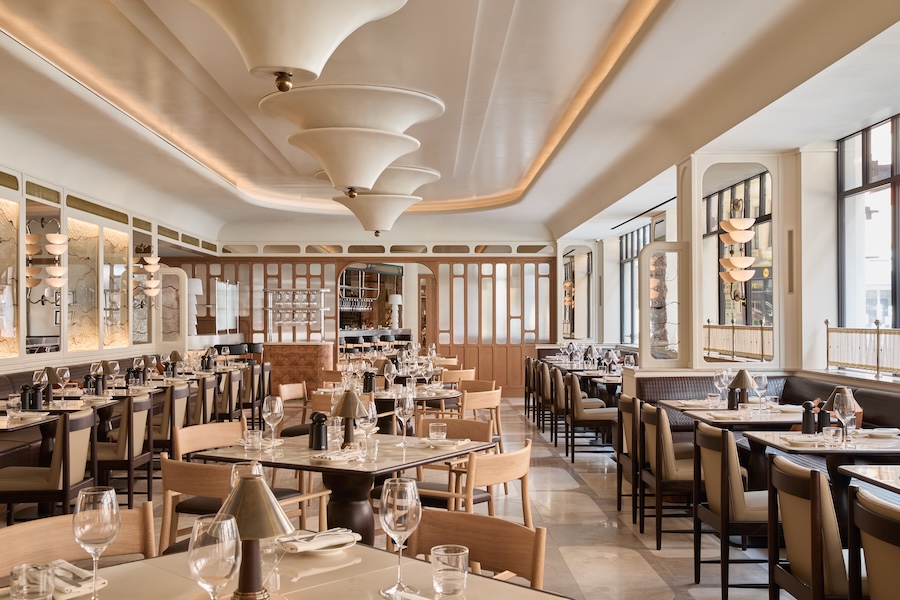
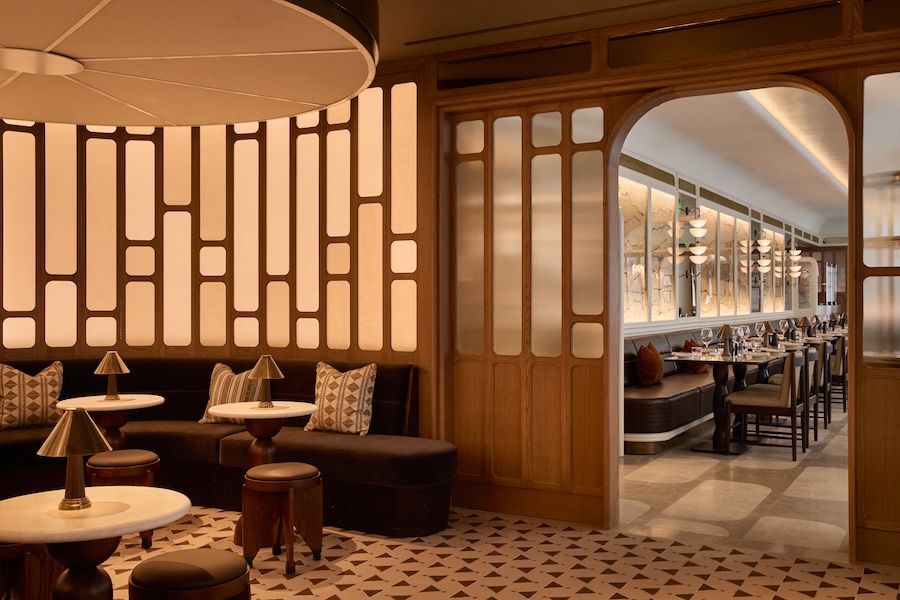
At street level, Brasserie Angelica serves as a culinary and cultural anchor for the hotel. Its design thoughtfully incorporates nods to prominent local figures, such as Nancy Cunard, an icon of the bohemian era, and Gerald Summers, a significant furniture designer. These influences are manifest in the brasserie’s striking monochrome palette, its bold graphic lines, and the intricate, handcrafted detailing that complements the Victorian-inspired joinery and elegant glazed screens. The space aims to bridge the gap between historical resonance and contemporary dining, offering patrons a setting that is both visually engaging and comfortably familiar.
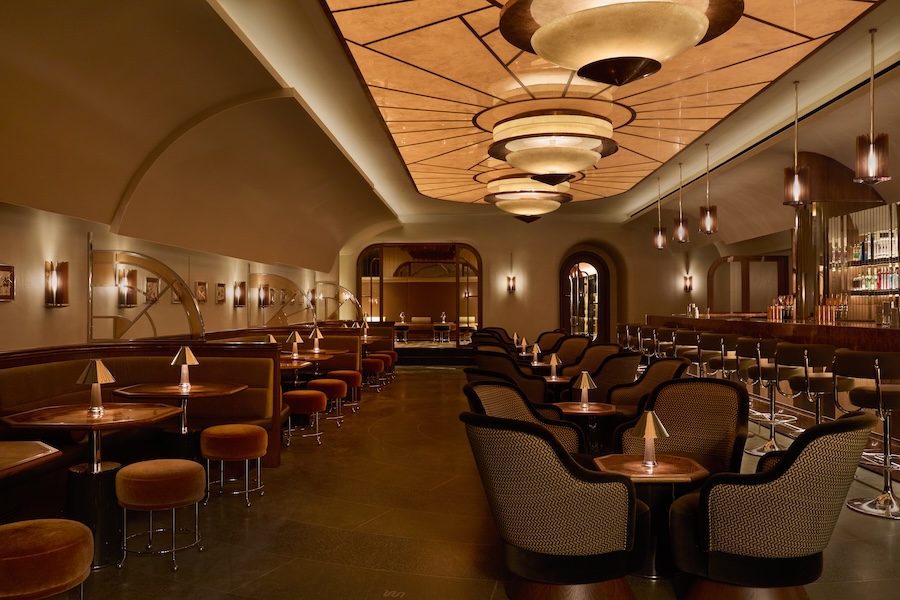
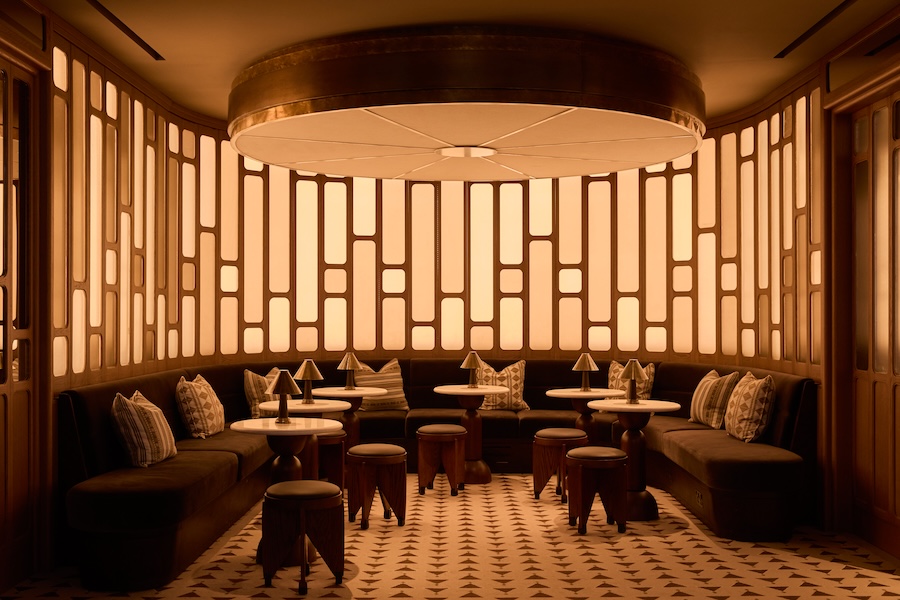
Descending to the lower level, Gambit Bar presents a more immersive and intimate ambiance. This transition in design ethos reflects a nuanced understanding of Fitzrovia’s historical inhabitants, many of whom maintained a respectable public persona while harboring more unconventional or even radical ideas. Almond elaborates on this duality, noting, "This shift in design also pulls from the idea that many of the neighborhood’s cultural figures presented themselves as rather respectable citizens on the surface, but toyed with dangerous and controversial ideas underneath." The bar’s aesthetic draws inspiration from the avant-garde Vorticist movement, founded by Percy Wyndham Lewis, a prominent figure associated with Fitzrovia. The space features sharp, angular geometries and layered design elements, with subtle, almost enigmatic, references to figures like the mystic and occultist Aleister Crowley. This creates an environment that is both intellectually stimulating and atmospherically charged, encouraging exploration and conversation.
Guest Accommodations and Wellness: A Harmonious Blend
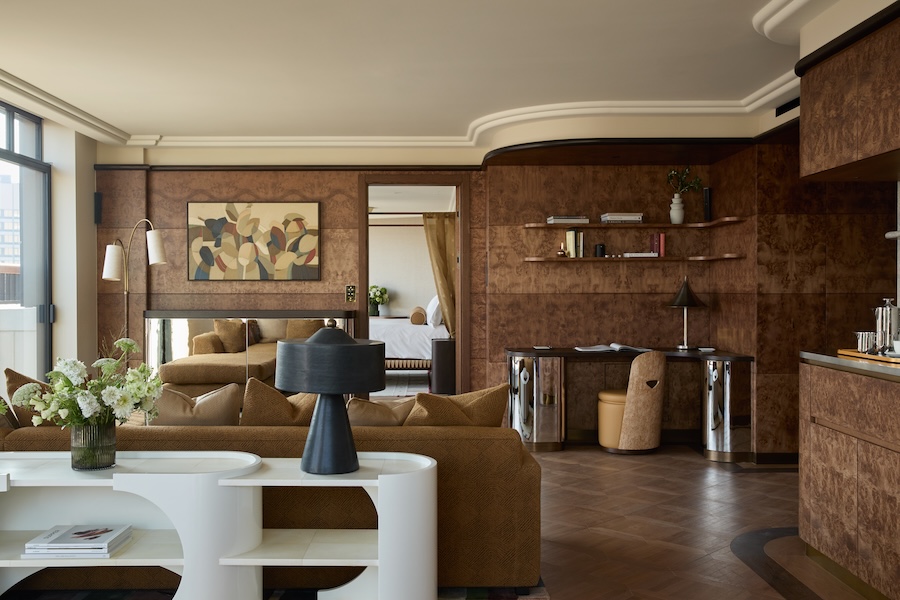
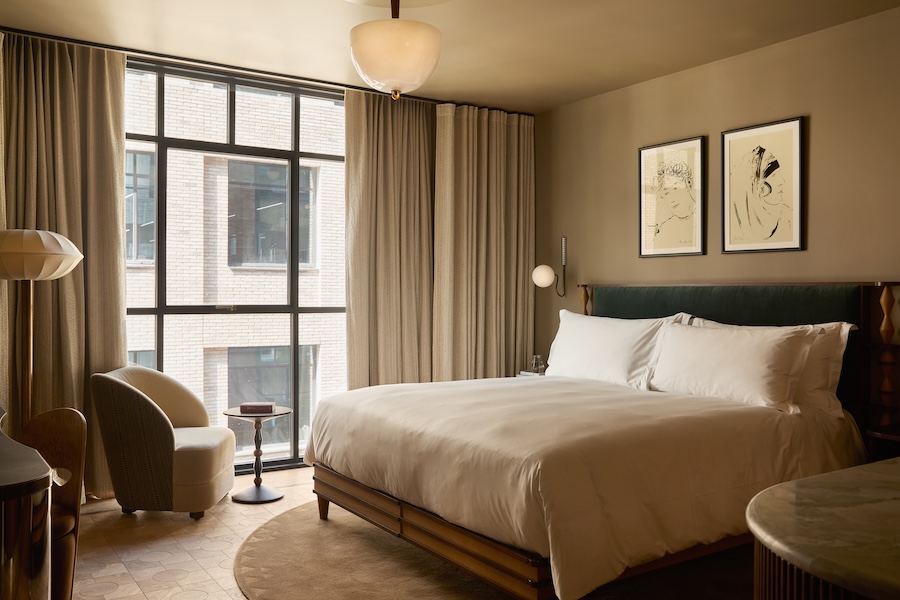
The guestrooms at The Newman continue the hotel’s overarching narrative, artfully balancing eclectic forms with a restrained and sophisticated material palette. Warm timbers, polished metals, and a carefully curated selection of colors—including deep burnt reds and striking petrol blues—reference the architectural vernacular of the Fitzrovia neighborhood. The inclusion of leather accents introduces a distinctly British sensibility, adding a layer of tactile richness and classic appeal. The bathrooms offer a contemporary reinterpretation of Victorian aesthetics, featuring bespoke tiling and rhythmic patterns that echo the era’s architectural facades while embracing modern functionality.
The hotel’s wellness spaces depart from the minimalist trends often seen in contemporary spa design. Instead, they embrace a softer, more tactile approach inspired by the Swedish Grace movement. This design direction prioritizes a warm, residential atmosphere through the thoughtful integration of layered materials such as oak, walnut, bronze, and textured glass. The aim is to create a sanctuary that feels both luxurious and deeply restorative, providing guests with a serene escape from the urban bustle.
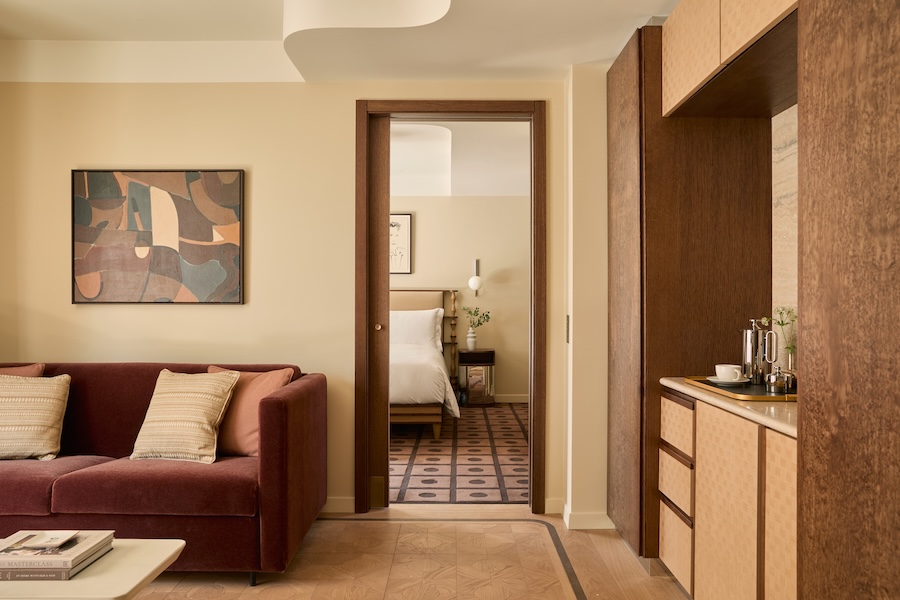
Art, an indispensable component of The Newman’s design narrative, plays a pivotal role in imbuing the hotel with soul and character. Pernille Lind emphasized this commitment, stating, “The Newman must have heart and soul, seamlessly blending into London as if it’s always been there. Art plays a crucial role in telling this story, avoiding the blandness often seen in hotel décor. Fitzrovia and London’s artists will continue to provide inspiration and decorate the walls. We’ve collaborated with a curator renowned for selecting art that truly reflects the hotel’s concept.” This collaborative approach ensures that the artwork displayed throughout the hotel is not merely decorative but an integral part of the guest experience, actively contributing to the narrative of Fitzrovia’s creative spirit. The hotel is committed to a rotating collection, featuring emerging and established local artists, further cementing its connection to the community.
The Fitzrovia Context: A Hub of Creativity and Intellectualism
Fitzrovia’s historical significance as a bohemian enclave cannot be overstated. In the late 19th and early 20th centuries, the area attracted a vibrant community of artists, writers, and intellectuals, drawn by its relatively affordable rents and its proximity to artistic institutions and social circles. Figures such as Virginia Woolf, Augustus John, George Bernard Shaw, and many others associated with the Bloomsbury Group and the Slade School of Fine Art lived, worked, and socialized in Fitzrovia, contributing to its reputation as a crucible of artistic and intellectual innovation. The area was also known for its progressive political leanings and its embrace of avant-garde movements, fostering an environment of experimentation and dissent.
The Newman’s design directly engages with this legacy, translating the spirit of these historical movements into a contemporary hospitality context. The decision to eschew overt ostentation in favor of subtle, layered references reflects a deep respect for Fitzrovia’s understated yet potent creative energy. The hotel’s developers and designers have clearly undertaken extensive research into the neighborhood’s cultural archives, seeking to weave a narrative that is both authentic and engaging for guests. This approach acknowledges that Fitzrovia’s allure lies not in flashy displays but in its intellectual depth and artistic heritage.
Strategic Implications and Market Positioning
The launch of The Newman signifies a strategic move within the competitive London hotel market, targeting a discerning clientele that values authenticity, cultural immersion, and unique design. By positioning itself as a "love letter to Fitzrovia," the hotel aims to attract travelers seeking an experience that goes beyond mere accommodation. This niche appeal could translate into higher occupancy rates and a stronger brand loyalty among guests who resonate with its artistic and historical narrative.
In a city where new hotels are constantly emerging, The Newman’s success will likely depend on its ability to consistently deliver on its promise of an authentic Fitzrovia experience. This includes not only the hotel’s physical design but also its service, its culinary offerings, and its engagement with the local community. The hotel’s commitment to showcasing local art and its narrative-driven design suggest a strategy focused on creating a sense of place and belonging, differentiating it from more generic luxury establishments.
The economic implications for the Fitzrovia neighborhood are also noteworthy. The presence of a high-caliber boutique hotel like The Newman can act as a catalyst for further investment and tourism, potentially revitalizing dormant commercial spaces and drawing attention to the area’s unique cultural assets. However, it also raises considerations regarding gentrification and the preservation of Fitzrovia’s distinctive character. The developers’ stated aim to create a hotel "truly of this neighbourhood" suggests an awareness of these potential challenges, and their success in integrating the hotel harmoniously into the local fabric will be crucial.
Chronology of Development and Opening
While specific dates for every stage of The Newman’s development are not publicly detailed, the typical lifecycle of a boutique hotel project of this scale involves several key phases:
- Conceptualization and Planning (Approx. 1-2 years prior): This phase would have involved initial site acquisition, market research, and the development of the core design concept, including the selection of Lind + Almond as the interior design firm and the articulation of the Fitzrovia narrative.
- Design Development and Approvals (Approx. 1-1.5 years prior): Detailed architectural and interior design plans would have been created, followed by securing necessary planning permissions from local authorities. This stage often involves extensive consultation with heritage bodies due to the historical nature of the area.
- Construction and Fit-out (Approx. 1.5-2 years): This is the most intensive phase, involving the physical construction of the building (if new) or significant renovation (if existing), followed by the detailed interior fit-out, including the installation of finishes, furniture, fixtures, and artwork.
- Pre-opening and Staffing (Approx. 3-6 months prior): As construction nears completion, the focus shifts to operational readiness. This includes recruiting and training staff, establishing operational procedures, marketing and sales efforts, and final touches to the interior.
- Official Opening (Late 2023): The Newman officially opened its doors to guests, marking the culmination of years of planning and execution.
The successful integration of art throughout the hotel, from the initial concept to the final placement of curated pieces, underscores the importance of a well-managed timeline that allows for artistic collaboration. The involvement of a specialized art curator indicates a deliberate and protracted process to ensure the artwork aligns perfectly with the hotel’s vision.
Supporting Data and Industry Context
The London hotel market is one of the most competitive in the world, with a constant influx of new properties. Boutique hotels, in particular, have seen significant growth as travelers increasingly seek unique and personalized experiences. Data from industry reports consistently show that guests are willing to pay a premium for hotels that offer distinctive design, strong local character, and a sense of narrative. For example, reports from STR (Smith Travel Research) often highlight that boutique and lifestyle hotels achieve higher average daily rates (ADRs) and revenue per available room (RevPAR) compared to traditional chain hotels, provided they can effectively deliver on their unique proposition.
The Newman’s focus on Fitzrovia’s bohemian past places it within the growing trend of "narrative-driven" hospitality. Hotels that successfully weave a compelling story into their design and operations tend to resonate more deeply with guests, fostering emotional connections and encouraging repeat visits. This strategy is particularly effective in historically rich cities like London, where the potential for storytelling is abundant. The project’s association with Kinsfolk & Co., a company known for its focus on curated hospitality experiences, further strengthens its market positioning.
Official Responses and Stakeholder Perspectives
While direct quotes from all stakeholders beyond the designers are not extensively available in the initial release, the sentiment expressed by Richy Almond and Pernille Lind of Lind + Almond provides a clear indication of the project’s driving force. Their emphasis on creating a hotel that is "truly of this neighbourhood" and celebrating its "eccentric energy" suggests a collaborative and sensitive approach to development.
Gerent Group, as the owner, likely views The Newman as a strategic investment in a high-demand market, leveraging the expertise of Lind + Almond and Kinsfolk & Co. to create a property that stands out through its unique character and historical resonance. Their investment in a narrative-driven hotel reflects a broader trend in real estate development, where unique concepts and experiences are key differentiators.
Kinsfolk & Co.’s involvement as the operator marks a significant expansion for the company into the hotel sector. Their decision to launch their first hotel with a project so deeply rooted in local history and artistic expression suggests a commitment to quality and authenticity in their hospitality ventures. Their role will be crucial in translating the design vision into a seamless guest experience and managing the hotel’s ongoing operations and community engagement.
Broader Impact and Future Implications
The successful realization of The Newman could set a precedent for future hotel developments in historically significant urban areas. By demonstrating that a deep dive into local heritage and artistic legacy can be a compelling basis for a luxury hotel, it encourages a more thoughtful and context-sensitive approach to design and development. This model offers an alternative to the often-homogenized aesthetic of global hotel brands, promoting a more diverse and culturally rich hospitality landscape.
Furthermore, the hotel’s emphasis on art and its commitment to continuously integrating local artistic talent could foster stronger connections between the hospitality sector and the creative community. This symbiotic relationship benefits both by providing artists with exhibition opportunities and patrons with access to engaging cultural experiences. The potential for The Newman to become a cultural hub in its own right, beyond just a place to stay, highlights its broader impact on the Fitzrovia neighborhood and London’s cultural scene. The ongoing engagement with a renowned art curator signals a long-term commitment to this aspect of the hotel’s identity, suggesting that art will remain a dynamic and evolving element of the guest experience. This forward-looking approach ensures that The Newman remains relevant and captivating for years to come.


 Anjar Salim
 Chandra Hamzah
 Budi Mulyono

 Tatiana Tantri Indah Sari