
 Anjar Salim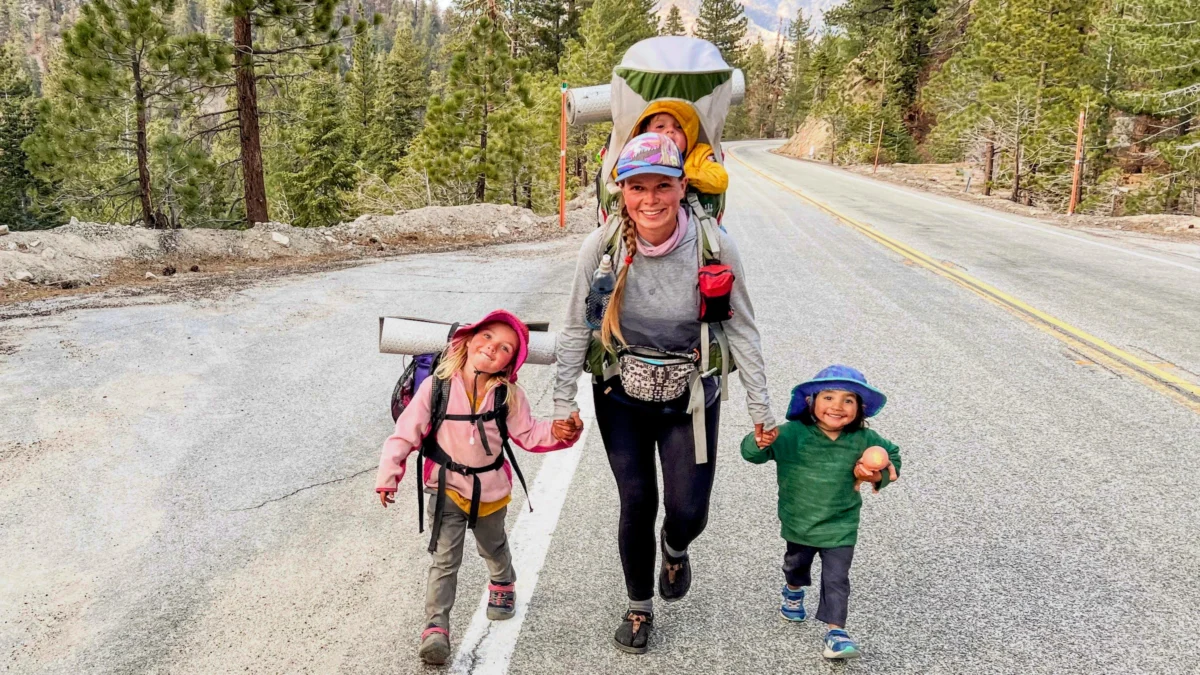
The Pacific Crest Trail (PCT) is a grueling 2,650-mile corridor of wilderness stretching from the Mexican border to the Canadian line, typically reserved for seasoned solo adventurers and retirees seeking a final magnum opus. However, in the summer of 2023, a new phenomenon began to capture the attention of the thru-hiking community: the Netteburg family. Comprising two parents and five children, the Netteburgs—easily identifiable by their matching yellow sun hoodies—traversed more than 20 miles a day through one of the most difficult seasons on record. Their journey, which culminated in the completion of the "Triple Crown" of hiking, represents a burgeoning shift in how families perceive the boundaries of outdoor recreation and child-rearing.
The Triple Crown of Hiking is the ultimate achievement in the long-distance backpacking world, requiring the completion of the three major U.S. National Scenic Trails: the Appalachian Trail (AT), the Continental Divide Trail (CDT), and the Pacific Crest Trail. Combined, these trails span approximately 7,900 miles across 22 states. For the Netteburgs, the Chisholms, and the Daleys, these trails served as more than just a physical challenge; they became a mobile classroom and a foundation for family cohesion.
The Netteburg Family: From Mission Work to the Triple Crown
Olen and Danae Netteburg, both physicians, spent years practicing medicine in Bere, a small city in the central African nation of Chad. This background in high-stakes, resource-limited environments provided a unique foundation for the rigors of thru-hiking. Their transition to the American wilderness began in 2020 with the Appalachian Trail. At the time, their children were already accustomed to a lifestyle of self-reliance and homeschooling, making the leap to trail life less jarring than it might be for a typical suburban family.
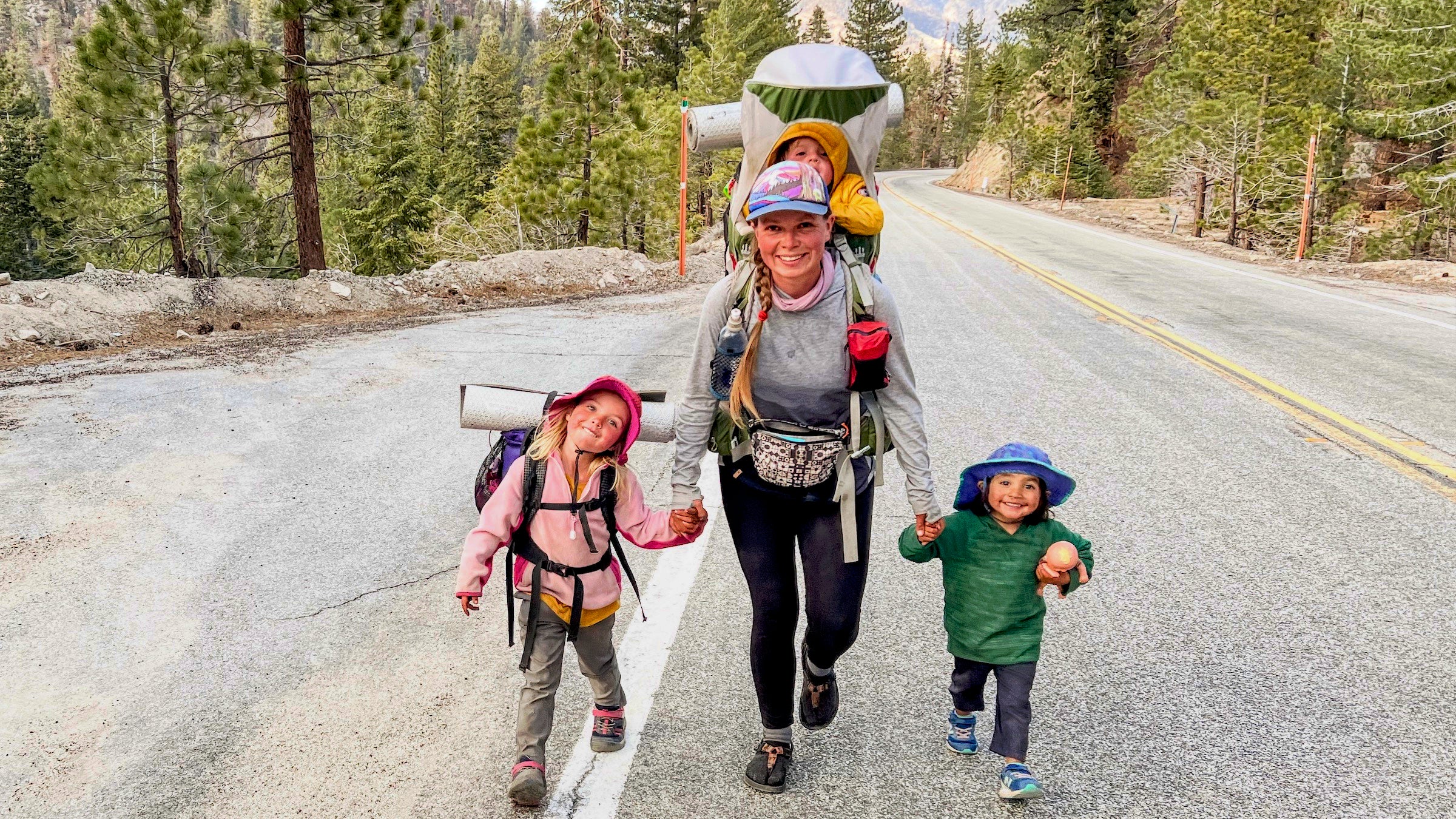
By 2022, the family took on the 3,100-mile Continental Divide Trail, which follows the spine of the Rocky Mountains. This trek introduced a new variable: their youngest daughter, Piper, who was only eight months old at the start. Piper took her first steps at the trail’s northern terminus on the U.S.-Canada border, a symbolic milestone for a child who would spend the majority of her early years in a backpack.
The final leg of their Triple Crown, the PCT in 2023, was perhaps the most daunting. The year was marked by record-breaking snowpacks in the Sierra Nevada, presenting navigational hazards and physical demands that deterred many solo adult hikers. Yet, the Netteburgs maintained a pace that rivaled the "fastest-known-time" aspirants, proving that a family unit could not only survive but thrive under extreme conditions.
The Chisholm Brothers: Cultivating Grit in the White Mountains
While the Netteburgs brought a background of international mission work, the Chisholm family of Salem, New Hampshire, brought a pedigree of regional mountaineering. Brothers Asher, Elliot, Brody, and Ben, along with their mother, Jennie, were already veterans of New Hampshire’s 4,000-foot peaks before they set foot on the Appalachian Trail in 2021.
The Chisholms’ journey began with a conversation during a car ride home from hockey practice. Asher, then ten years old, was the catalyst for the expedition. The family’s approach was defined by a willingness to embrace discomfort—a core tenet of thru-hiking. They completed the AT in 2021, the PCT in 2022, and the CDT in 2023, adding the 800-mile Arizona Trail to their resume for good measure.
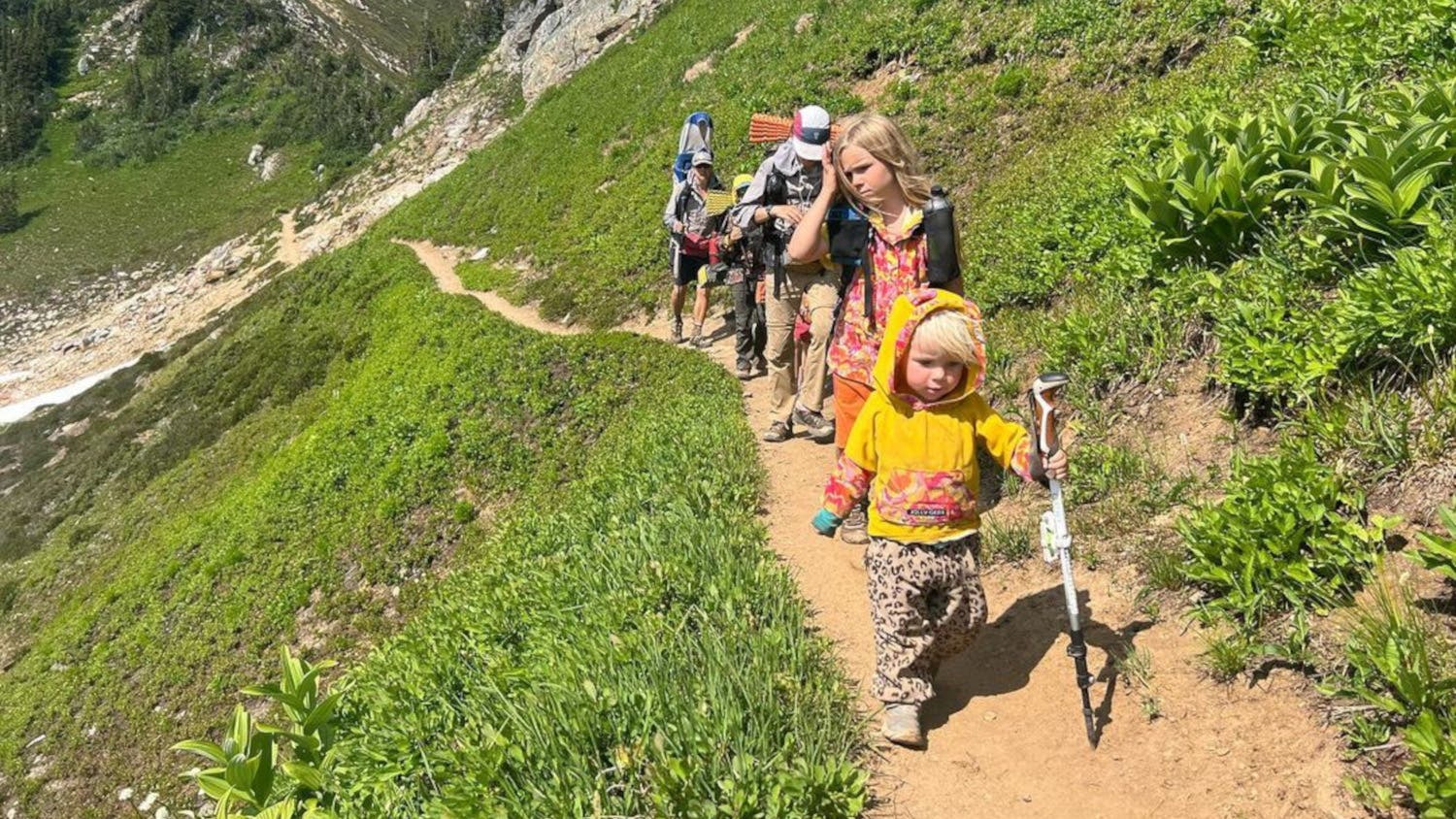
For the Chisholm brothers, the trail served as a crucible for teenage development. In an era dominated by digital distractions, the brothers found entertainment in conversation and shared struggle. "Everything just seems like a bigger deal in the moment when you’re hungry," Brody Chisholm noted, reflecting on the inevitable conflicts that arise. "Then you just give them some time, space out, and you’re going to be best friends again."
The Daley Family: Navigating Toddlers and Public Scrutiny
Marketa and David Daley took on the Pacific Crest Trail in 2022 with three children under the age of five. Their experience highlighted the specific logistical and social challenges of "toddler-trekking." Unlike older children who can carry their own gear, the Daley children required their parents to shoulder immense physical loads. David Daley’s pack frequently weighed 60 pounds, while Marketa carried nearly 25 pounds of "dead weight" in the form of their youngest son, Standa.
The Daleys’ journey also exposed a darker side of modern adventuring: the "keyboard critic." As Marketa documented their progress on Instagram, she was met with both overwhelming support and vitriolic condemnation. In Agua Dulce, California, she received messages threatening to contact Child Protective Services (CPS), with critics claiming the hike constituted child endangerment.
"That was just such a shitty moment," Marketa recalled. "Not everyone needs to understand. I know it’s not for everyone." Despite the online backlash, the Daleys found the thru-hiking community on the trail to be exceptionally supportive, with fellow hikers often helping to retrieve lost toys or offering encouragement during difficult stretches in the desert.
Physiological and Psychological Considerations for Young Hikers
The phenomenon of thru-hiking with children raises important questions regarding pediatric health and safety. Dennis Coonan, program manager of the Sports Medicine Center at Children’s Hospital Colorado, suggests that while there are risks, the benefits often outweigh them if managed correctly.
Key Medical Risks:
- Hydration and Thermoregulation: Children dehydrate faster than adults and are more susceptible to hypothermia and heatstroke due to their higher surface-area-to-mass ratio.
- Overuse Injuries: Growing bodies have open growth plates. Repetitive stress from long-distance walking can lead to stress fractures or apophysitis if mileage is not carefully moderated.
- Communication Gaps: Younger children may lack the vocabulary to accurately describe the onset of fatigue or injury, requiring parents to be hyper-vigilant.
However, Coonan also emphasizes the developmental advantages. "A kid is learning their body… that sort of thing is extremely important for them," he stated. "In general, it’s outdoors and it’s exercise. There’s not a better thing for a kid to be doing for their mental and physical growth."
Logistics and the "Time vs. Money" Philosophy
The logistical feat of supporting a family of seven on a 2,000-plus mile trail is staggering. Resupply stops require massive quantities of high-calorie food, and gear must be ultralight yet durable enough to withstand months of abuse. Olen Netteburg summarized the family’s philosophy as a trade-off between two primary resources. "In life, you either have time or you have money," he said. "If you happen to have the good fortune to have a little bit of time and a little bit of money, just take advantage of it."
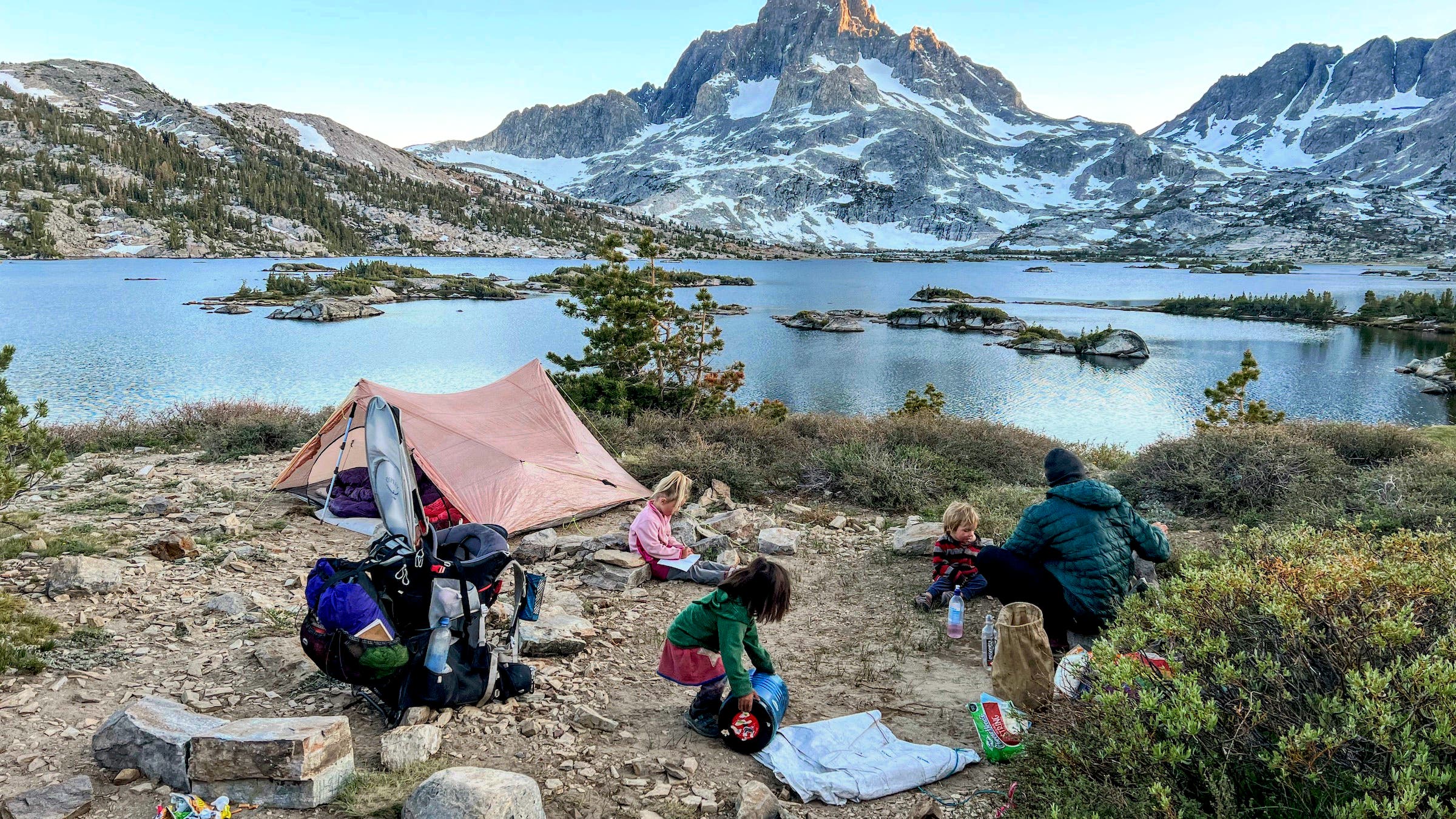
This sentiment contrasts sharply with the average American lifestyle. According to 2024 data from the Bureau of Labor Statistics, the average American parent spends only 1.45 hours per day in direct care of their children. On a thru-hike, that figure rises to 24 hours. The trail eliminates the "extracurricular industrial complex" and the silos of work and school, forcing a level of proximity that is rare in modern society.
Long-Term Implications and the Return to "Frontcountry" Life
As of 2026, the Netteburgs have settled in southwest Michigan. The older children, Lyol and Zane, are navigating the traditional high school experience, while the younger children attend a local forest school. The Chisholms and Daleys have similarly integrated back into "frontcountry" life, yet the impact of their journeys remains palpable.
The primary takeaway from these families is not necessarily the physical achievement of the Triple Crown, but the psychological resilience instilled in the children. Ben Chisholm noted that the "character-building moments"—the scenarios where he didn’t know if he could continue—have become a permanent part of his identity.
The emergence of the family thru-hike suggests that the "Great Outdoors" is no longer just a playground for the individual seeker, but a viable environment for domestic life. While the risks of the trail are real, the families who have conquered the Triple Crown argue that the greater risk lies in the sedentary, disconnected nature of modern childhood. By choosing the trail, they have replaced screens with horizons and carpools with mountain passes, proving that the American wilderness is perhaps the most effective classroom ever devised.

 Chandra Hamzah
 Budi Mulyono

 Tatiana Tantri Indah Sari