
 Walid Sujud Trenggono
The contemporary travel landscape is witnessing a significant transformation as passengers increasingly prioritize mental restoration and cultural immersion over traditional sightseeing. In Australia, the leading cruise market per capita globally, the South Pacific has emerged as the primary destination for those seeking to mitigate the effects of burnout and digital fatigue. Maritime industry analysts observe that the structured yet flexible environment of a cruise ship provides a unique "liminal space"—a transitionary period where travelers can disconnect from the high-pressure demands of urban life and re-establish a connection with the natural world. This shift is particularly evident in the surge of interest in South Pacific itineraries, which combine the physiological benefits of "blue spaces" with the logistical ease of all-inclusive travel.
The Evolution of Wellness Tourism in the South Pacific
Historically, the South Pacific was marketed primarily as a destination for honeymooners and adventure seekers. However, recent data from the Cruise Lines International Association (CLIA) suggests a demographic broadening. While the region’s white-sand beaches and turquoise lagoons remain a draw, the motivation for visiting has shifted toward "slow travel." This concept emphasizes quality of experience over the quantity of destinations visited. By utilizing a cruise ship as a mobile base, travelers are able to bypass the stresses associated with regional aviation and multiple hotel check-ins, allowing the focus to remain entirely on the recovery process.
The South Pacific archipelago, comprising nations such as Vanuatu, New Caledonia, and Fiji, offers a geography that is uniquely suited to this restorative approach. The vast distances between islands necessitate "sea days," which were once viewed as mere transit periods but are now marketed as essential components of the wellness experience. These periods of enforced downtime allow the parasympathetic nervous system to engage, reducing cortisol levels and improving sleep quality—a primary goal for many modern holidaymakers.
Psychological Foundations of the Maritime Reset
Environmental psychology has long identified the benefits of "blue spaces"—environments characterized by the presence of water. Studies conducted by various maritime health institutes indicate that the rhythmic sound of waves and the expansive visual horizon of the open ocean facilitate a state of "soft fascination." This state allows the brain to rest from the "directed attention" required by smartphones and workplace multitasking.
On a South Pacific cruise, this psychological reset is facilitated by the ship’s environment. Modern vessels, such as those operated by Carnival Cruise Line, are designed to maximize views of the water, with expansive decks and outdoor dining areas that encourage constant visual contact with the sea. This atmospheric consistency helps passengers transition from the "doing" mode of their daily lives into a "being" mode. The absence of traditional stressors—such as meal planning, navigation, and scheduling—further reduces the cognitive load, creating the mental space necessary for reflection and self-regulation.

Chronology of the Modern South Pacific Itinerary
A typical South Pacific voyage from Australian ports like Sydney or Brisbane follows a strategic chronological progression designed to maximize relaxation.
- Phase One: The Departure and Decompression (Days 1–2): The initial 48 hours at sea are critical for the transition. Passengers typically spend this time orienting themselves to the ship’s rhythm. Activities are generally low-impact, focusing on spa treatments, casual deck walks, and adjusting to the slower pace of maritime life.
- Phase Two: Island Immersion (Days 3–6): As the ship reaches the tropical archipelagos, the focus shifts to outward connection. Stops at locations such as Mystery Island or Port Vila provide opportunities for physical activity and cultural engagement. Whether snorkeling in coral reefs or visiting local markets, these experiences are designed to foster a sense of awe—an emotion linked to increased life satisfaction and reduced inflammation.
- Phase Three: Integration and Return (Days 7–10): The final sea days serve as an integration period. Passengers utilize the onboard amenities to process their experiences before returning to the mainland. This phase is essential for ensuring that the benefits of the holiday are not lost the moment the passenger disembarks.
Economic and Cultural Integration via Shore Excursions
The enrichment of the cruise experience is heavily dependent on the quality of shore excursions. These guided experiences are no longer viewed as mere diversions but as vital links to the local community. In the South Pacific, excursions are increasingly designed with sustainability and cultural respect in mind.
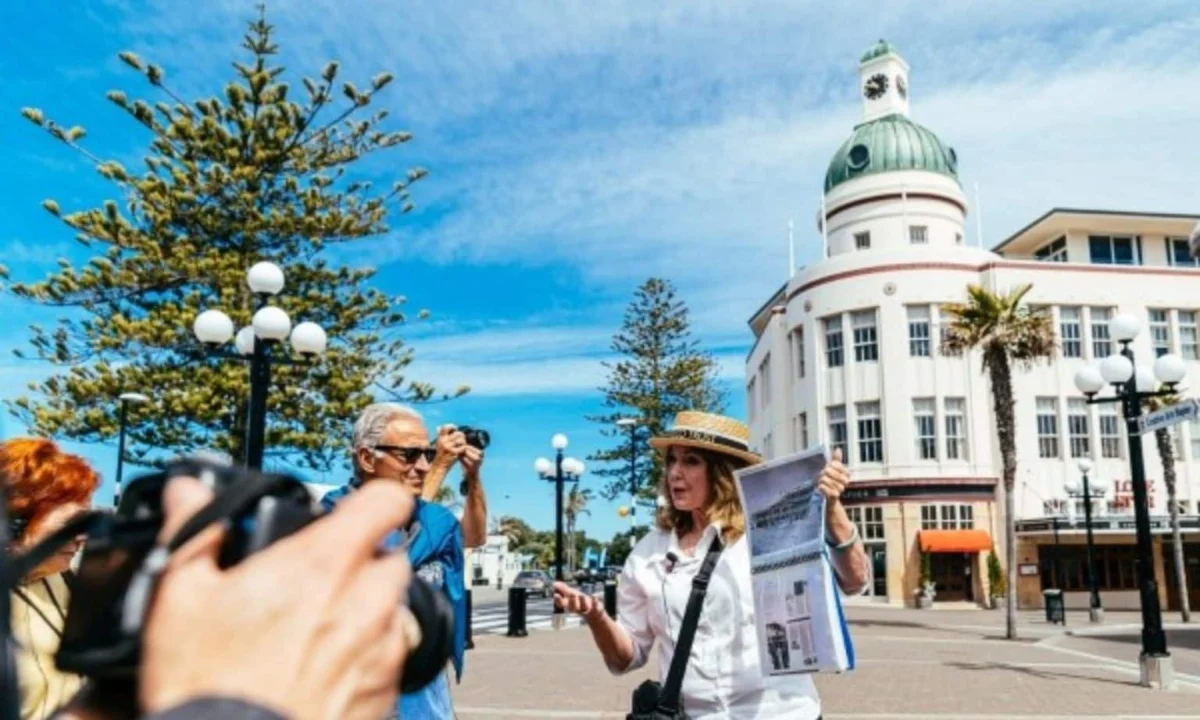
Guided walks through local villages and cooking classes featuring indigenous flavors provide travelers with a genuine understanding of the region’s heritage. According to local tourism boards in Vanuatu and Fiji, these interactions provide significant economic support to remote communities that might otherwise be inaccessible to international tourists. For the traveler, these purposeful interactions provide a sense of perspective. Witnessing the community-centric lifestyles of the South Pacific can often serve as a catalyst for reassessing one’s own priorities regarding work-life balance and social connection.
Quantitative Analysis of the Australian Cruise Sector
The economic impact of this trend is substantial. According to the 2023 CLIA Economic Contribution Report, the cruise industry contributed over $5.6 billion to the Australian economy in a single fiscal year. A significant portion of this revenue is generated by South Pacific itineraries, which remain the most popular choice for Australian domestic departures.
Passenger demographics are also shifting. While the "silver surfer" generation remains a core market, there has been a 15% increase in multi-generational families and a 20% rise in millennial passengers over the last five years. Industry analysts attribute this to the "efficiency of relaxation" that cruises offer. For a generation characterized by high stress and limited time, the ability to outsource the logistics of a multi-destination tropical holiday is highly appealing.
Balancing Onboard Modernity with Environmental Stewardship
As the demand for South Pacific cruises grows, so does the scrutiny regarding environmental impact. Leading cruise lines have responded by implementing advanced wastewater treatment systems, reducing single-use plastics, and utilizing more efficient fuel sources. The logic is clear: the industry’s viability is tethered to the health of the oceans and the preservation of the coral reefs that serve as its primary attractions.

Onboard, the "balance of rest and play" is maintained through sophisticated programming. Facilities like the Cloud 9 Spa and the Serenity Adult-Only Retreat cater to those seeking silence, while active options like deck-top yoga and high-tech fitness centers cater to those who find relaxation through movement. This dual-track approach ensures that the "reset" is customizable to the individual’s needs, recognizing that stillness can be challenging for those accustomed to a high-octane lifestyle.
Industry Perspectives and Future Outlook
Travel industry experts suggest that the "wellness cruise" is not a passing trend but a permanent shift in consumer behavior. "We are seeing a move away from ‘vacationing’ toward ‘restoration,’" notes one senior maritime analyst. "People aren’t just looking to see new places; they are looking to return home as better versions of themselves. The South Pacific, with its natural tranquility and welcoming cultures, provides the ideal canvas for that transformation."
Statements from Carnival Cruise Line emphasize their commitment to this holistic approach. By providing a platform where all logistical details are handled, they enable passengers to focus entirely on the present moment. This "managed freedom" is the cornerstone of the modern cruise experience, allowing for a level of presence that is rarely achievable in a self-planned itinerary.
Conclusion: The Broader Impact of the Maritime Reset
The significance of the South Pacific cruise extends beyond the individual traveler. By promoting a model of travel that encourages slowing down and connecting with nature, the industry is fostering a more mindful approach to global tourism. The long-term implications of this "maritime reset" include improved mental health outcomes for passengers and a more sustainable, respectful form of engagement with the delicate ecosystems and cultures of the South Pacific.
As society continues to grapple with the complexities of the digital age, the allure of the open sea remains constant. A South Pacific cruise offers more than a change of scenery; it provides a structured environment for profound personal recalibration. For those feeling disconnected, the journey through these tropical waters serves as a reminder that the most valuable luxury in the modern world is not material, but the time and space to simply be.



 Anjar Salim
 Chandra Hamzah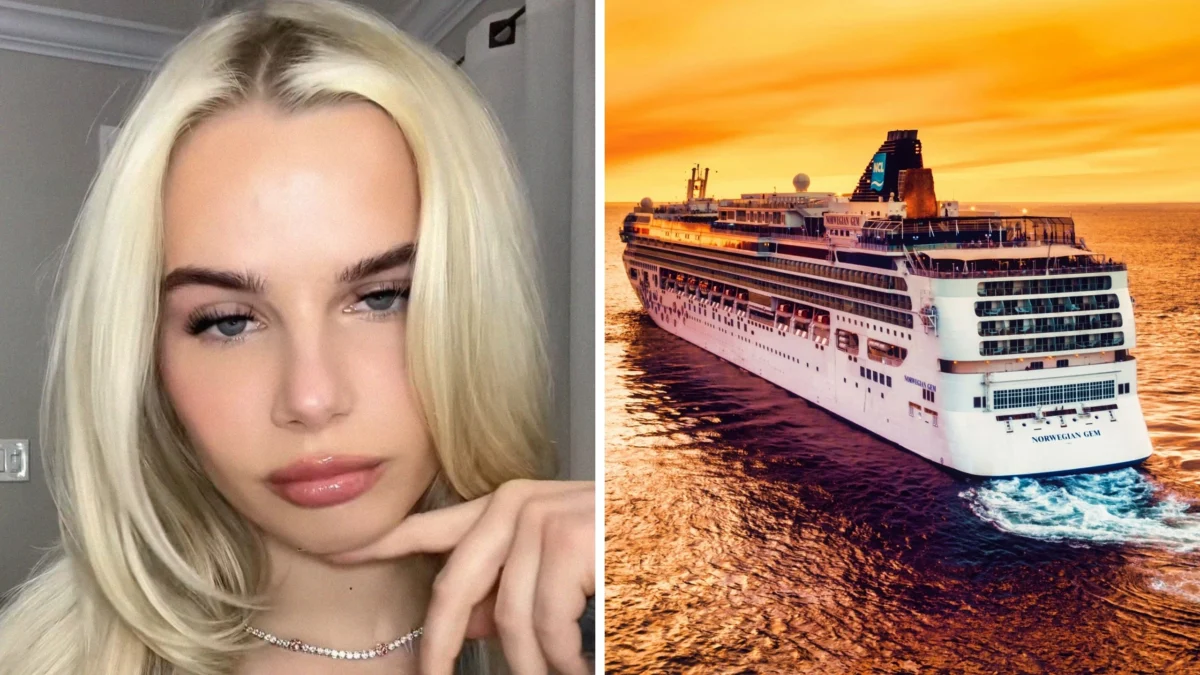
 Budi Mulyono

 Tatiana Tantri Indah Sari