
 Susilo Edi Turonggo
For decades, the allure of pristine slopes and rugged winter landscapes has drawn enthusiasts to the outdoors, equipped with high-performance gear designed to withstand the harshest elements. However, beneath the promise of water-resistant jackets and snow-shedding boots lies a hidden environmental and health crisis, as a class of synthetic chemicals known as per- and poly-fluoroalkyl substances (PFAS) has become a ubiquitous component in outdoor apparel and equipment. These "forever chemicals," lauded for their durable water-repellent (DWR) properties, are now recognized as persistent pollutants that infiltrate ecosystems and human bodies, raising urgent questions about the true cost of convenience and performance.
The journey of PFAS into our lives and the environment began in the 1940s with their accidental discovery and subsequent commercialization. Initially celebrated for their unique non-stick, water-repellent, and stain-resistant qualities, PFAS quickly found applications across diverse industries. From non-stick cookware (Teflon) and fire-fighting foams to food packaging and construction materials, their chemical stability and efficacy made them highly desirable. In the realm of outdoor gear, particularly for winter sports like skiing and snowboarding, PFAS-based DWR coatings became the industry standard. This invisible shield allowed water and ice to bead up and roll off fabrics, keeping adventurers dry and comfortable in challenging conditions. The term "DWR" became synonymous with high-performance outerwear, a testament to its effectiveness.
However, the very chemical stability that made PFAS so effective also underpins their environmental hazard. Characterized by an incredibly strong carbon-fluorine bond, these compounds resist degradation by natural processes, earning them the ominous moniker "forever chemicals." Once created, PFAS do not break down in the environment or in the human body. Instead, they embark on an relentless journey: flaking off clothing in homes, washing into water systems during laundry cycles, shedding into previously untouched wilderness snow, accumulating in wildlife, and ultimately finding their way into human tissues, traveling to the farthest reaches of the planet. Scientific studies have confirmed their presence in the bloodstreams of indigenous communities in the Sub-Arctic and Arctic regions of Canada, far removed from industrial centers, and detected them in the snows of Mount Everest and countless ski resorts worldwide, underscoring their global dispersal through atmospheric and oceanic currents, largely attributable to their widespread use in consumer products, including high-performance outdoor clothing.
The pervasive nature of PFAS carries alarming implications for planetary health and the well-being of all living organisms, including humans. Extensive research has firmly linked exposure to various PFAS compounds to a growing spectrum of adverse health effects. These include an increased risk of several cancers (kidney, testicular), reproductive diseases, miscarriage, infertility, disruption of hormonal systems (e.g., thyroid hormone disruption), and unexplained weight fluctuations. Beyond these, PFAS exposure has been associated with elevated cholesterol levels, liver damage, decreased vaccine response in children, and immune system suppression. The scientific consensus is clear: these chemicals pose a significant public health threat, and current estimates suggest that a vast majority of people globally, including those reading this article, likely have detectable levels of PFAS in their blood, reflecting the pervasive environmental contamination.
Navigating the Complex Landscape of PFAS-Free Winter Sports Apparel
For consumers seeking to make responsible choices, identifying truly PFAS-free winter sports clothing can be a bewildering task, complicated by evolving industry terminology and scientific understanding. The outdoor gear market, like many others grappling with chemical transitions, often employs jargon that requires careful deciphering.
Historically, many brands used the term "PFC" (perfluorinated chemicals) to denote the broad class of fluorinated compounds used in DWR finishes. However, "PFCs" are actually a subset of the much larger chemical compound family known as "PFAS." As scientific understanding has advanced and regulatory scrutiny has intensified, governments, environmental advocacy groups, and an increasing number of industry players are shifting towards the broader and more accurate term "PFAS-free." The U.S. Environmental Protection Agency (EPA) now estimates there are over 12,000 known types of PFAS, more than double the previous year’s estimate, highlighting the vastness and complexity of this chemical family.
To genuinely identify products free from these persistent chemicals, consumers should look for clear labeling. Products explicitly stating "PFAS-free," "PFC-free," or "free of fluorinated chemicals" generally indicate a commitment to avoiding these compounds. However, caution is advised with other labels. If a brand claims its products are "PFOA-free," "PFOS-free," "long-chain-free," "C8-free," or that they use "short-chain DWR," it means they are still utilizing a type of PFAS. While these specific compounds (PFOA, PFOS, long-chain PFAS) have been phased out due to well-documented health concerns, the "short-chain" alternatives, often introduced as safer substitutes, are increasingly under scrutiny.
Dr. Linda Birnbaum, a distinguished toxicologist, researcher, and former director of the National Institute of Environmental Health Sciences (NIEHS), has voiced significant concerns regarding these so-called "safer" alternatives. "Unless they say it’s PFAS-free, it may mean that they’re using some of what are called short-chain PFAS or the substitutes," Dr. Birnbaum explains. "In fact, we’re finding some of them are actually transformed into things like PFOA and PFOS. And we’re finding that the ones even that are stable the way they are, when they’re tested are causing the same kind of health effects as the PFOA, the PFOS, the PFHxS, etc." This expert opinion underscores the critical need for a holistic "PFAS-free" approach rather than merely eliminating certain problematic subgroups.
Industry Resistance and the Rise of Alternatives
The transition away from PFAS has not been without its challenges and debates within the outdoor industry. Brands such as Patagonia and Arc’Teryx, historically reliant on PFAS for their high-performance gear, have long argued that non-toxic alternatives could not match the effectiveness and durability required for extreme conditions. This perceived "performance gap" was a significant barrier to widespread adoption of fluorine-free DWRs. Consequently, respected chemistry consultancies like bluesign and certifiers such as OEKO-TEX, while pushing for reduced chemical impact, have, in some instances, approved the use of certain short-chain PFAS in the manufacturing and finishing processes of water-resistant outdoor products, acknowledging the industry’s gradual journey.

However, a growing body of evidence and real-world testing are challenging the notion that fluorinated chemicals are indispensable, even for professional-grade products. The Danish consumer protection association, Tænk, conducted a pivotal study comparing fluorine-free outdoor wear with items containing fluorine. Their conclusion was unequivocal: "Whether new or after a few washing cycles, the jackets with a PFC-free coating keep you just as dry as the other ones." Further testament to the viability of these alternatives comes from expeditions to the Arctic, where adventurers have successfully utilized fluorine-free performance gear, remaining warm and dry in some of the planet’s most unforgiving environments.
These developments highlight a crucial paradigm shift: the innovation in non-fluorinated chemistry, combined with advancements in fabric technology and garment design, is increasingly capable of delivering comparable performance. Technologies such as dendrimers, specialized waxes, silicon-based treatments, and even innovative fabric constructions that mimic natural water-shedding surfaces (like roof tiles, or "directional" fabrics) are proving effective. This progress effectively dismantles the argument for continued reliance on short-chain fluorinated chemistry, particularly for the vast majority of consumers who are not being heli-dropped onto remote peaks but are instead enjoying casual days on the slopes or cross-country trails. With numerous brands now offering robust PFAS-free options, consumers have a clear pathway to equip themselves responsibly, whether their ambition is Mount Everest or simply a leisurely winter outing.
Empowering Consumers: Maintaining PFAS-Free Gear and Ethical Choices
One common concern regarding PFC-free outdoor gear is the perceived longevity of its water-repellent finish. While some non-fluorinated DWR treatments may not endure as many wears or washes as their PFAS-laden predecessors, this is an easily manageable issue. Instead of viewing it as a drawback, it represents an opportunity for proactive maintenance and a deeper engagement with product care.
Consumers can readily restore or enhance the water and stain repellency of their gear using PFAS-free DWR treatments. Brands like Nikwax offer effective wash-in or spray-on solutions that are entirely free of fluorinated chemicals. Notably, some forward-thinking outdoor brands, such as Páramo, utilize Nikwax treatments directly in their factory production, alongside innovative fabric designs that inherently encourage water shedding. The application process is straightforward, typically recommended at the end of each season when washing and storing gear, making it a simple addition to routine maintenance. Detailed instructional videos are widely available to guide users through the process, empowering them to extend the life and performance of their sustainable outerwear.
Furthermore, embracing the circular economy offers another avenue for responsible consumption. Purchasing secondhand outdoor gear can be an excellent choice; much of the original DWR on older items may have already degraded or shed, allowing for a fresh application of a safer, PFAS-free alternative. This not only reduces waste but also provides a more affordable entry point into sustainable outdoor recreation.
The collective effort to move away from PFAS has been significantly bolstered by the tireless work of environmental advocacy groups and scientific institutes. Organizations like the Green Science Policy Institute have been instrumental in raising awareness about the dangers of PFAS and compiling comprehensive lists of PFAS-free products, serving as invaluable resources for both consumers and industry. Their research and advocacy have been a critical catalyst in driving the shift towards safer chemical alternatives.
Leading the Charge: Brands Committed to a PFAS-Free Future
The transition to PFAS-free materials in winter sports gear is gaining momentum, with a growing number of brands demonstrating a strong commitment to environmental and public health. These pioneers are not only innovating in material science but also setting new industry standards. Below is an updated list of brands offering entirely PFAS-free products for winter sports, reflecting their dedication to responsible manufacturing:
- Icebreaker: Renowned for its merino wool and synthetic-free base layers, Icebreaker expanded its range to include women’s jackets suitable for skiing and winter hiking. The brand ceased using short-chain PFAS in 2019, having never used long-chain variants, and rigorously verifies its PFAS-free status through third-party testing.
- Jack Wolfskin: This prominent European outdoor brand achieved entirely PFC-free status by 2019, demonstrating an early commitment to eliminating fluorinated chemicals. While a leader in Europe, its products are currently not readily available in the U.S. market.
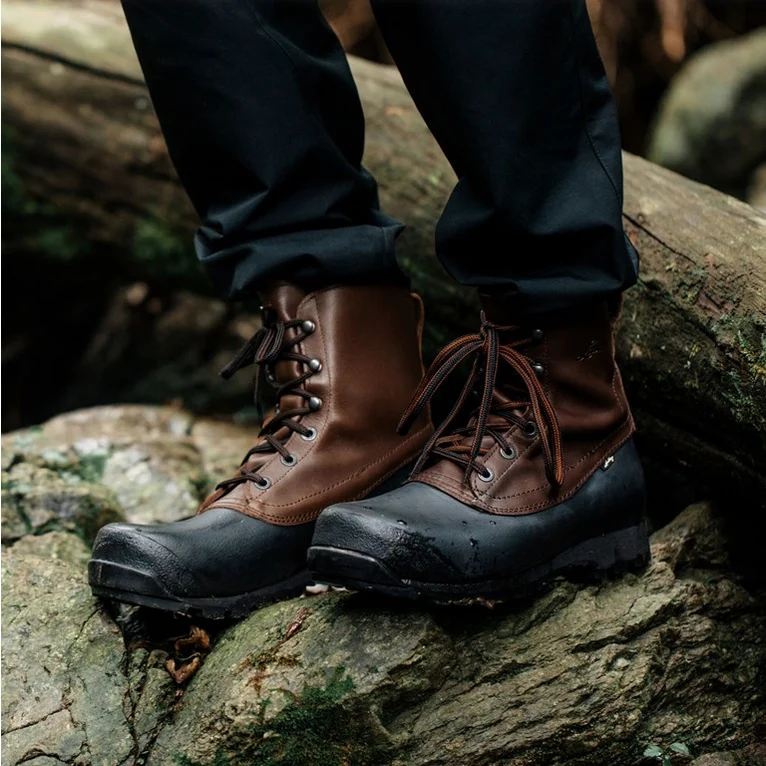
- KEEN Footwear: A leader in outdoor footwear, KEEN has offered a wide array of snow boots and shoes that have been completely PFC-free since 2018, underscoring its long-standing dedication to sustainable practices.
- Houdini: This innovative European brand provides comprehensive gear for both downhill and cross-country skiing, featuring recycled materials. Houdini is entirely toxic-free, utilizing Atmos, a proprietary PFAS-free membrane, and bio-based water repellency treatments from partners like Organotex.
- Páramo: A specialist in mountaineering clothing, Páramo has been entirely PFC-free since 2014, making it one of the earliest adopters of non-fluorinated DWR solutions and a consistent advocate for chemical safety in extreme environments.
- Vaude: This German outdoor brand offers an extensive range of ski touring clothing and equipment, all of which have been entirely PFC-free since 2018, reflecting a strong commitment to ecological responsibility.
- Lundhags: Specializing in hiking and ski-touring equipment, Lundhags offers ski boots and ice safety gear that are completely free of fluorinated chemicals, prioritizing both performance and environmental integrity.
- Picture Organic: Known for its vibrant and stylish ski clothing, Picture Organic achieves its water repellency through a bio-based and non-fluorinated finish called EcoElite, a product of Teflon, demonstrating that high fashion and eco-consciousness can coexist.
- Royal Robbins: This brand has ensured that all its durable water repellents are fluorine-free across its product lines, highlighting a broad commitment to eliminating these chemicals from its outdoor apparel.
- Erin Snow: Dedicated to creating chemically safe snow sports clothing, Erin Snow utilizes a PFC-free Bionic-Finish Eco durable water-repellent, marrying high performance with ecological responsibility.
- Patagonia: Acknowledging the complexity of the transition for a brand of its scale, Patagonia has committed to phasing out PFAS. As of spring 2025, all new products featuring durable water repellency will be entirely PFAS-free, marking a significant milestone for one of the industry’s most influential players.
The Broader Implications and a Call to Action
The widespread presence of PFAS in winter sports gear is but one facet of a much larger global environmental and public health challenge. The story of these "forever chemicals" underscores the critical need for more stringent chemical regulations, greater corporate accountability, and enhanced transparency in manufacturing processes across all industries. The slow but steady shift within the outdoor gear sector serves as a powerful testament to what can be achieved when scientific evidence, consumer demand, and industry innovation converge.
The future of outdoor recreation, particularly winter sports, hinges on a delicate balance between performance and preservation. As awareness grows and safer alternatives become more prevalent and effective, the imperative to choose PFAS-free products becomes clearer. This choice is not merely about personal health; it is a collective action to protect the pristine mountain environments we cherish, the wildlife that inhabits them, and the global water systems that sustain all life. By making informed decisions and supporting brands committed to a truly sustainable future, consumers become active participants in mitigating the legacy of "forever chemicals" and fostering a healthier planet for generations to come.


 Anjar Salim
 Chandra Hamzah
 Gabriela Annisa
 Tatiana Tantri Indah Sari
 Hendra Ismail