
 Susilo Edi Turonggo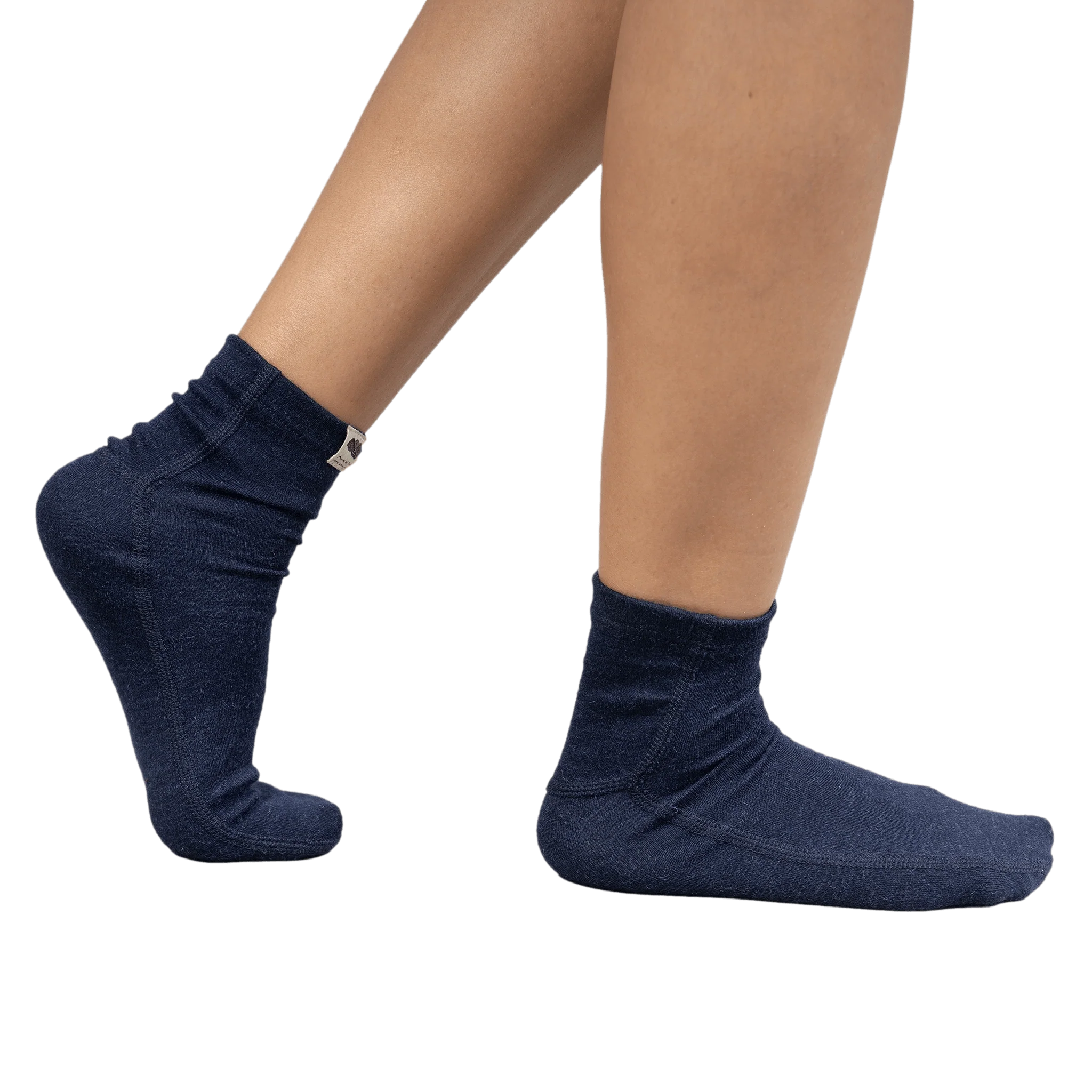
The humble sock, often relegated to an afterthought in the daily wardrobe selection, is increasingly being recognized as a critical component influencing both personal well-being and environmental health. Far from a mere foot covering, the materials and dyes used in hosiery can have profound implications, ranging from common skin irritations to more serious health concerns, while also contributing to broader ecological challenges. As consumers become more discerning about what they put on their bodies and the planet, the demand for non-toxic, sustainably produced socks crafted from natural fibers and skin-safe dyes is experiencing a significant surge, prompting a re-evaluation of textile manufacturing practices across the industry.
The Hidden Hazards in Everyday Hosiery
For decades, the textile industry’s drive for affordability, durability, and vibrant aesthetics led to the widespread adoption of synthetic fibers and aggressive chemical dyes. Polyester, nylon, and other plastic-based materials became ubiquitous in sock production due to their low cost and perceived performance benefits. However, the convenience of these synthetics often comes at a hidden cost. One of the most immediate issues for consumers is discomfort; many individuals experience itching, sweating, and unpleasant odors when wearing socks made from synthetic materials. This is not merely an inconvenience but a signal that the feet are not breathing properly, creating an ideal environment for bacterial growth and fungal infections.
Beyond immediate discomfort, the chemical treatments applied to conventional socks pose more insidious risks. Azo-benzene disperse dyes, commonly used on polyester and other synthetic fabrics to achieve bright, long-lasting colors, are a particular concern. These compounds are known skin sensitizers, meaning they can trigger allergic reactions such as contact dermatitis, characterized by redness, itching, and rashes. More alarmingly, scientific research, including studies referenced by organizations like Penguin Random House and published in journals such as the NCBI, indicates that certain azo dyes can be carcinogenic when absorbed through the skin. This risk is amplified in items like socks, where prolonged skin contact and perspiration—which facilitates chemical migration—increase absorption rates. The constant friction and moisture within a shoe create a microclimate that can accelerate the leaching of these potentially harmful substances directly into the wearer’s body.
The environmental footprint of these conventional materials is equally concerning. Synthetic fibers are derived from petroleum, a non-renewable resource, and their production is energy-intensive. Furthermore, washing synthetic socks releases microplastic fibers into waterways, contributing to ocean pollution and entering the food chain. These microplastics persist in the environment for hundreds of years, posing a long-term threat to ecosystems and human health. The dyeing processes themselves are often water-intensive and can discharge highly toxic effluents into local water sources if not properly treated, devastating aquatic life and contaminating drinking water.
A Shift Towards Natural Fibers and Mindful Manufacturing
Recognizing these accumulating concerns, a significant movement towards natural fibers and more responsible manufacturing practices has gained momentum within the hosiery sector. This shift is driven by a combination of consumer demand for healthier, more sustainable options and a growing commitment from brands to ethical and ecological stewardship.
The Power of Natural Materials:
For individuals with sensitive skin, allergies, or dermatological conditions, the choice of sock material is paramount. Socks made from 100% natural fibers offer superior breathability and often inherent antimicrobial properties, drastically reducing the likelihood of irritation and odor. While finding socks entirely free of synthetics for stretch can be challenging, a few pioneering brands like Cottonique and Arms of Andes have successfully innovated to create completely synthetic-free options, offering a pure solution for the most sensitive skin.
Among natural fibers, Merino wool and alpaca wool stand out for their exceptional performance. These animal fibers are naturally odor-resistant, moisture-wicking, and temperature-regulating, making them ideal for year-round comfort. Merino wool, in particular, is known for its fine fibers that feel soft against the skin, minimizing the itchiness often associated with traditional wool. The Responsible Wool Standard (RWS) certification ensures that wool is sourced from sheep raised with respect for animal welfare, prohibiting painful practices like mulesing.
Organic cotton provides a soft, breathable, and hypoallergenic alternative, especially when certified by the Global Organic Textile Standard (GOTS), which ensures the cotton is grown without harmful pesticides, synthetic fertilizers, or genetically modified organisms. Other sustainable plant-based fibers gaining traction include Tencel (lyocell), a highly sustainable fiber derived from wood pulp through a closed-loop process, and linen, known for its strength, breathability, and natural moisture-wicking properties. While bamboo viscose offers a soft and comfortable feel, consumers are advised to look for certifications that ensure responsible processing, as its production can sometimes involve harsh chemicals.
For those less sensitive to synthetics but still seeking sustainable options, blends incorporating recycled materials like nylon and polyester are emerging. However, experts generally recommend prioritizing socks with a majority of natural fibers to maximize comfort and minimize environmental impact.
The Imperative of Non-Toxic Dyes and Finishes:
The color in our clothes should not come at the expense of our health or the environment. The focus on non-toxic dyes is a critical aspect of this paradigm shift. Brands committed to consumer safety often offer undyed socks, celebrating the natural hues of the fibers. For colored options, consumers are encouraged to look for certifications like Oeko-Tex Standard 100, which guarantees that textile products are free from harmful substances at every stage of production. Similarly, the bluesign® standard goes a step further, ensuring sustainable textile production by eliminating harmful substances from the beginning of the manufacturing process and setting strict guidelines for environmental performance and worker safety. Many responsible brands also maintain a Restricted Substances List (RSL), actively managing and reducing chemical use throughout their supply chains, demonstrating a proactive approach to chemical safety.
Ethical Supply Chains and Social Responsibility:
Beyond materials and dyes, the journey of a sock from fiber to foot is increasingly scrutinized for its ethical implications. A truly non-toxic product extends to the treatment of the people who make it. Brands demonstrating supply chain transparency, often by publicly sharing the locations of their manufacturing partners, allow consumers to verify ethical labor practices. Certifications such as Fair Trade, Worldwide Responsible Accredited Production (WRAP), and B Corp signify a commitment to fair wages, safe working conditions, and responsible business practices that balance profit with purpose. This holistic view ensures that the product is not only good for the wearer and the planet but also for the communities involved in its creation.
Sustainable Packaging: The Final Frontier:
Even the smallest items, like socks, contribute to waste streams if not packaged thoughtfully. A commitment to sustainability extends to packaging materials. Progressive brands are moving away from plastic, opting for compostable or biodegradable solutions, or utilizing recycled and recyclable paper and cardboard. Certifications from the Forest Stewardship Council (FSC) ensure that paper-based packaging comes from responsibly managed forests, further minimizing environmental impact. This attention to detail across the entire product lifecycle underscores a brand’s genuine dedication to sustainability.
Industry Leaders in Non-Toxic Hosiery: A Closer Look
The market is responding to these evolving demands, with numerous brands stepping up to offer healthier and more sustainable sock options. These companies exemplify different approaches to achieving non-toxicity, from focusing on 100% natural fibers to incorporating recycled materials and robust certifications.
Harvest & Mill stands out for its commitment to dye-free organic cotton socks, entirely grown, spun, and knit in the U.S. This localized production significantly shortens the supply chain and supports domestic agriculture. Their dedication to zero waste is evident in their repurposing or recycling of all fabric scraps and use of compostable packaging. Testers laud their dye-free crew-style socks for being super cozy, breathable, and providing comfort without pressure points, even feeling lightweight despite their thickness.
Subset (formerly Knickey), a Brooklyn-based brand, combines Fair Trade and Oeko-Tex-certified organic cotton. Sourced, ginned, spun, dyed, and sewn in India, their thin, dressier socks are praised for their suitability with tight-fitting shoes and for elastic cuffs that don’t irritate the skin. It is important to note, however, that Subset’s socks contain 24% synthetics, a factor for those seeking pure natural fibers.
For adventurers and those in colder climates, Paka offers durable, lightweight socks made primarily from alpaca wool and Tencel. This certified B Corp’s moisture-wicking and odor-resistant socks are dyed with Oeko-Tex-certified dyes and crafted by Peruvian artisans, shipped in biodegradable packaging. Reviewers rave about their warmth and suitability for harsh winters, though some noted a slight itchiness attributed to the physical nature of alpaca wool, not a chemical reaction. These socks contain up to 50% recycled synthetics.
Arms of Andes distinguishes itself by offering 100% alpaca fiber slipper socks with no synthetics whatsoever. Sourced from free-range alpacas, these Oeko-Tex-certified socks are lightweight, well-insulated, and incredibly soft. Their close collaboration with co-op farmers in the Andes exemplifies a commitment to ethical sourcing and craftsmanship, all delivered in compostable packaging.
Cottonique is another pioneer in completely synthetic-free hosiery, specializing in 100% cotton allergy-free apparel. Their Latex-free, bleach-free, and hypoallergenic socks feature covered seams, making them ideal for extremely sensitive skin. Working closely with dermatologists, Cottonique ensures its products meet stringent safety standards, sourcing organic cotton from India and manufacturing in the Philippines, with compostable packaging.
Boody, a Sydney-based brand, utilizes Oeko-Tex-certified organic bamboo viscose from India, alongside organic cotton and recycled nylon. With a range of thicknesses, their socks are versatile for various activities. The brand upholds a strict code of conduct and partners with WRAP-certified facilities in China, Vietnam, and India, demonstrating a commitment to ethical production.
Kotn, a certified B Corp, builds direct relationships with Egyptian cotton farmers, ensuring fair prices and a completely traceable supply chain. Their organic cotton socks, made with Oeko-Tex-certified dyes, are praised for their professional appearance and comfortable feel, completing outfits with ease. Some pairs contain up to 20% synthetics, which is worth noting.
Quinn designs garments specifically for individuals with eczema, offering a selection of GOTS-certified organic cotton non-toxic socks, including dye-free options. Ethically made in Oeko-Tex-certified factories in Portugal and Sri Lanka, their undyed cotton ankle socks and mid-weight merino wool ones are lauded for extreme comfort and breathability, though some ankle socks tended to slide. Their merino wool options provide extra warmth and coziness, suitable for both hiking and lounging. While their cotton is GOTS-certified, the specific sourcing location remains undisclosed, and some pairs contain up to 20% synthetics.
Cariloha, a certified B Corp, offers hypoallergenic socks crafted from bamboo viscose and organic cotton. Their Oeko-Tex and Fair Trade-certified bamboo is sourced from China, and they utilize FSC-certified paper packaging, though manufacturing locations are not specified.
Dedicated brings bold patterns to Fair Trade organic cotton socks. With WRAP-certified cotton suppliers and transparent product pages detailing manufacturing locations, they offer stylish options. However, their socks contain up to 25% elastane.
Darn Tough, known for its durability, produces RWS-certified merino wool socks in Vermont. Their colorful styles are made with Oeko-Tex-certified materials, and they rigorously test for hazardous substances. Their packaging incorporates FSC-certified recycled paper, compostable bags, and vegetable-based inks, despite containing up to 50% synthetics.
Nisolo, a certified B Corp acclaimed for its leather shoes, also offers a line of socks made in North Carolina from upcycled cotton, linen, wool, and recycled polyester. They prioritize a traceable supply chain and aim for living wages across their operations, using recycled packaging. Their socks, however, contain up to 70% synthetics.
Finally, Swedish Stockings offers knee-highs and ankle socks made in Italy from Oeko-Tex-certified materials including bamboo viscose, organic cotton, organic wool, recycled polyester, and virgin and recycled elastane. While offering classic and supportive options, some of their socks are fully synthetic.
The Broader Implications: A Healthier Future for Hosiery
The movement towards non-toxic socks is more than a niche trend; it represents a significant paradigm shift in the textile industry. It underscores a growing awareness among consumers about the direct link between the products they use and their personal health, as well as the health of the planet. This awareness is driving innovation in material science, dyeing technologies, and supply chain management.
For consumers, the implications are clear: choosing non-toxic socks means minimizing exposure to harmful chemicals, reducing skin irritations, and promoting better foot health. It means investing in products that are often more breathable, durable, and comfortable in the long run.
For the industry, the implications involve a commitment to greater transparency, ethical sourcing, and sustainable manufacturing practices. Brands that embrace these principles are not only meeting current consumer demands but are also positioning themselves as leaders in a future where environmental and social responsibility are paramount. This shift encourages a circular economy, where materials are chosen for their renewability, products are designed for longevity, and waste is minimized at every stage.
In conclusion, the seemingly simple act of choosing a pair of socks has evolved into a conscious decision with far-reaching consequences. By opting for non-toxic, sustainably made hosiery, consumers are not only ensuring their own comfort and well-being but are also casting a vote for a more responsible, healthier, and transparent textile industry. The journey from conventional, chemically laden socks to natural, ethically produced alternatives is a testament to the power of informed choices and the collective desire for a better future.



 Budi Mulyono
 Cholid Fahmi Thalib
 Hendra Ismail
 Anjar Salim
 Chandra Hamzah
 Lukman Taruna Persada Ramadan