
 Budi Mulyono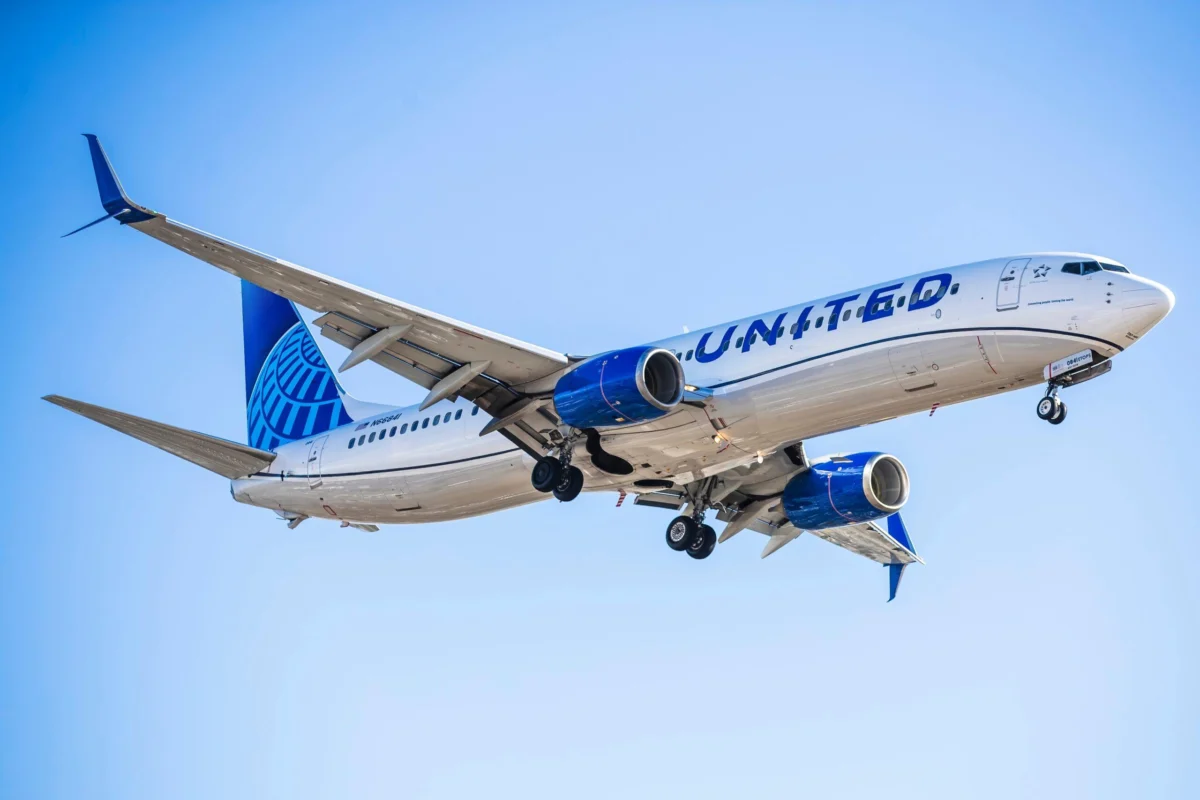
United Airlines has announced a strategic reduction in its flight schedule, preparing to slash unprofitable routes in response to a dramatic escalation in global oil prices. According to an internal memo sent to employees by Chief Executive Officer Scott Kirby, the carrier intends to trim its planned capacity by as much as 5 percent through the fall season. Despite the austerity of these tactical cuts, Kirby sought to reassure his workforce that the ongoing conflict in Iran and its subsequent shockwaves through the energy sector should not be a source of personal anxiety for the airline’s staff, citing United’s robust financial position and long-term growth trajectory.
The directive comes as the aviation industry grapples with an unprecedented surge in operating costs. Kirby’s projections for the energy market are somber; he suggested that crude oil prices could peak at approximately $175 per barrel, with a baseline of $100 per barrel likely persisting until at least 2027. For an industry where jet fuel typically represents the second-largest expense after labor, such a sustained price floor presents a fundamental challenge to the profitability of marginal flight operations.
The Financial Reality of the Energy Crisis
The volatility of the current market was underscored by Kirby’s disclosure regarding the scale of the financial burden. In the three weeks following the onset of the geopolitical crisis, jet fuel prices more than doubled. Kirby noted that if prices were to remain at these elevated levels for a full fiscal year, United Airlines would face an additional $11 billion in annual expenses solely dedicated to fuel. To put this figure into perspective, Kirby reminded employees that during United’s most profitable year in history, the company’s total earnings were less than $5 billion.
While these statistics appear daunting, the CEO emphasized that United is navigating this period from a position of relative strength. Unlike previous industry downturns where airlines were forced into defensive postures—characterized by employee furloughs, the deferral of aircraft orders, and the mass downgrading of service to regional jets—United is currently maintaining its aggressive investment strategy. Kirby asserted that the carrier possesses the "financial firepower" to continue its "United Next" growth plan without interruption.
Strategic Pruning vs. Long-Term Expansion
The planned 5 percent reduction in capacity is described by management as "tactical pruning" rather than a retreat. The cuts will primarily target flights that are temporarily unprofitable under the weight of high fuel costs, specifically focusing on certain "red-eye" services and mid-week flights where demand is traditionally softer. Additionally, United will implement a modest 1 percent reduction in operations at its Chicago O’Hare International Airport hub.
"There’s no point in burning cash in the near term on flying that just can’t absorb these fuel costs," Kirby explained in the memo. However, he was quick to clarify that the airline’s 2027 capacity goals and aircraft delivery schedules remain unchanged.
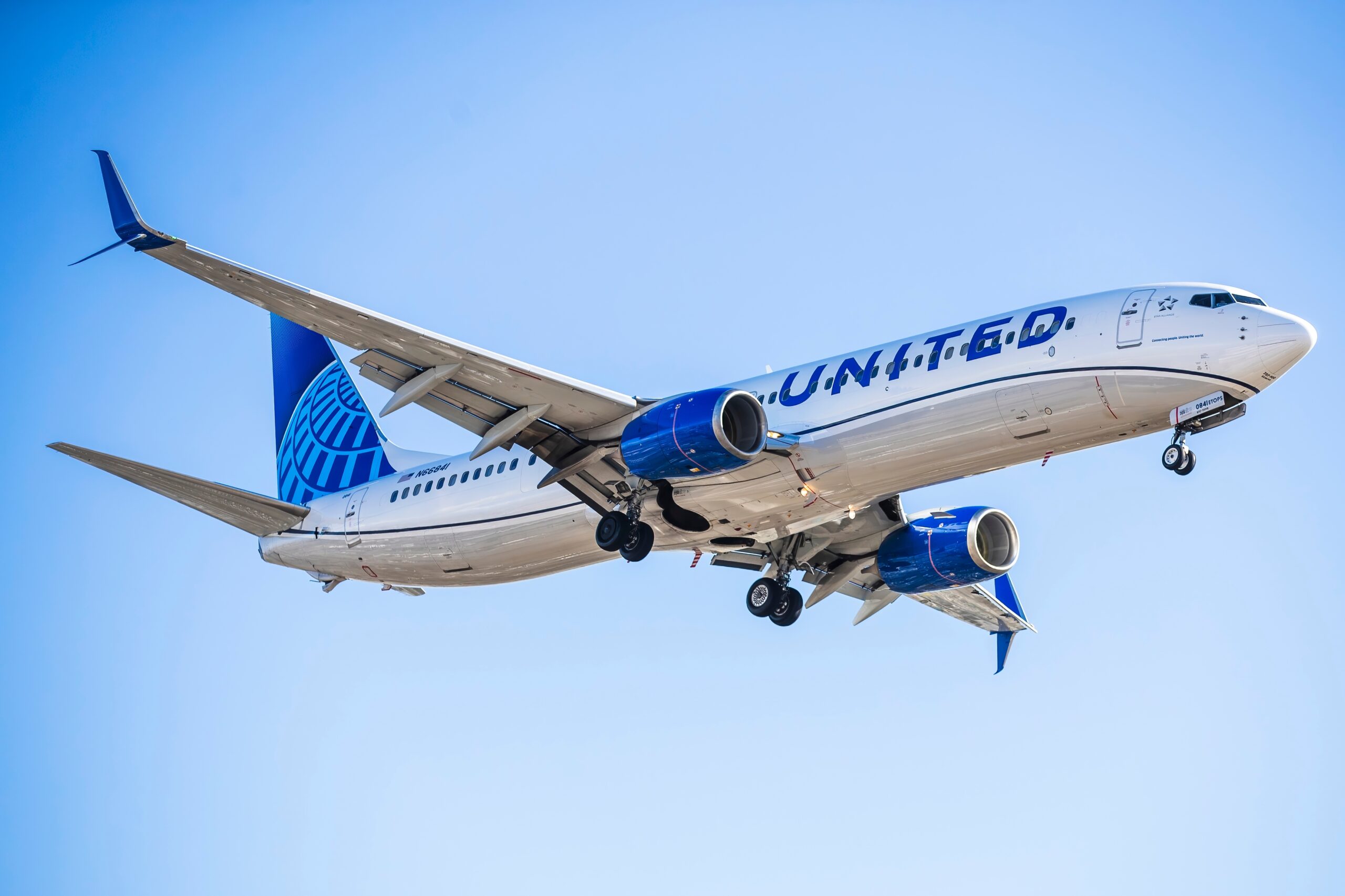
The airline’s commitment to modernization is evidenced by its delivery schedule for the current year. United expects to take delivery of approximately 120 new aircraft in 2025, a fleet renewal that includes 20 Boeing 787 Dreamliners. Looking further ahead, the carrier has secured a pipeline for another 130 aircraft to be delivered by April 2028. This fleet expansion is central to United’s strategy of replacing older, less fuel-efficient narrow-body planes with larger, more efficient "gauged-up" aircraft that lower the per-seat fuel cost.
Strengthening Hub Operations and Premium Services
In a move that signals confidence in the resilience of premium travel demand, Kirby has instructed management teams to "double down" on investment opportunities. This includes the continued development of high-end airport lounges and significant infrastructure improvements. A key pillar of this strategy is the expansion of operations at Newark Liberty International Airport. United plans to increase its widebody departures from the Newark hub to as many as 100 per day, solidifying its position as a premier gateway for international and transcontinental travel.
The rationale behind this move is supported by recent booking data. Kirby revealed that the last ten weeks have represented the ten highest-booked revenue weeks in the history of the company. This suggests that despite the inflationary pressures on consumers and the geopolitical backdrop, the appetite for air travel remains at historic highs, allowing the airline to maintain high load factors even as it adjusts its schedule.
A Comparative Look at the Global Aviation Landscape
United’s proactive approach stands in contrast to the more drastic measures being taken by international peers. Earlier this week, Scandinavian carrier SAS announced the cancellation of 1,000 flights for the month of April alone. The airline cited the impossibility of maintaining profitability on domestic and intra-Scandinavia routes given the current price of jet fuel.
Domestically, the crisis has highlighted the differing risk-management strategies among U.S. carriers. Southwest Airlines, which for decades was the industry leader in "fuel hedging"—the practice of locking in fuel prices at a set rate through financial derivatives—is now facing the consequences of having scaled back that program. Without the protection of extensive hedges, carriers are fully exposed to the spot market’s volatility.
The Association of Flight Attendants (AFA-CWA), the nation’s largest flight attendant union, has also weighed in on the crisis. The union warned that the conflict in Iran would have "major implications" for every airline in the world, regardless of their proximity to the Persian Gulf. According to the AFA-CWA, the airlines most at risk are those with the thinnest profit margins and the least flexible supply chains, specifically pointing to Ultra-Low-Cost Carriers (ULCCs) like Spirit and Frontier Airlines.
Chronology of the Fuel Price Spike
The speed at which the energy market shifted has left many analysts stunned. A chronological review of the costs associated with a standard narrow-body operation illustrates the severity of the situation:

- Pre-Conflict: On the day before the Iran War commenced, the cost to fuel a Boeing 737-800 for a standard mission was approximately $17,000.
- Initial Surge: Within days of the outbreak of hostilities, market speculation drove crude prices upward as traders feared disruptions in the Strait of Hormuz.
- March 5 Milestone: By early March, the cost to fill the same Boeing 737-800 had soared to $27,000, representing a 58 percent increase in less than a month.
- Current Outlook: Prices have continued to climb since that mark, leading to Kirby’s prediction of a $175 peak.
Analysis of Implications for the Traveling Public
The immediate implication for consumers is a likely increase in airfares. As airlines "tactically prune" their schedules, the reduction in supply coupled with record-high demand is expected to drive up ticket prices, particularly for last-minute travelers and those on mid-week routes where competition may decrease.
Furthermore, the industry’s shift toward larger aircraft and the "United Next" strategy may result in fewer flight frequencies on certain routes, even if the total number of seats remains stable. Passengers may find themselves with fewer options for departure times as airlines consolidate traffic onto larger, more fuel-efficient planes to maximize the revenue-to-fuel-burn ratio.
For the workforce, the memo from Kirby serves as a strategic olive branch. By emphasizing that the airline is "prepared for this," management is attempting to prevent the labor unrest and morale decay that typically accompany periods of industrial contraction. The commitment to continue aircraft deliveries and lounge investments suggests that United is betting on a "V-shaped" recovery for its profit margins, even if oil prices remain high for the next several years.
Conclusion: A Strategy Built on Resilience
The stance taken by United Airlines reflects a broader shift in the American aviation industry toward "fortress balance sheets" and long-term structural planning. By acknowledging the severity of the $11 billion fuel threat while simultaneously refusing to cancel aircraft orders or cut investments, Kirby is positioning United to potentially gain market share as weaker competitors are forced to retrench.
"I want you to sleep well at night knowing United prepared for this," Kirby concluded in his address to employees. Whether this confidence is well-founded will depend on the duration of the conflict in the Middle East and the ability of the global economy to absorb $175-a-barrel oil. For now, United is betting that its "financial firepower" and the seemingly insatiable demand for travel will be enough to weather one of the most significant energy shocks of the decade.




 Anjar Salim
 Chandra Hamzah

 Tatiana Tantri Indah Sari