
 Budi Mulyono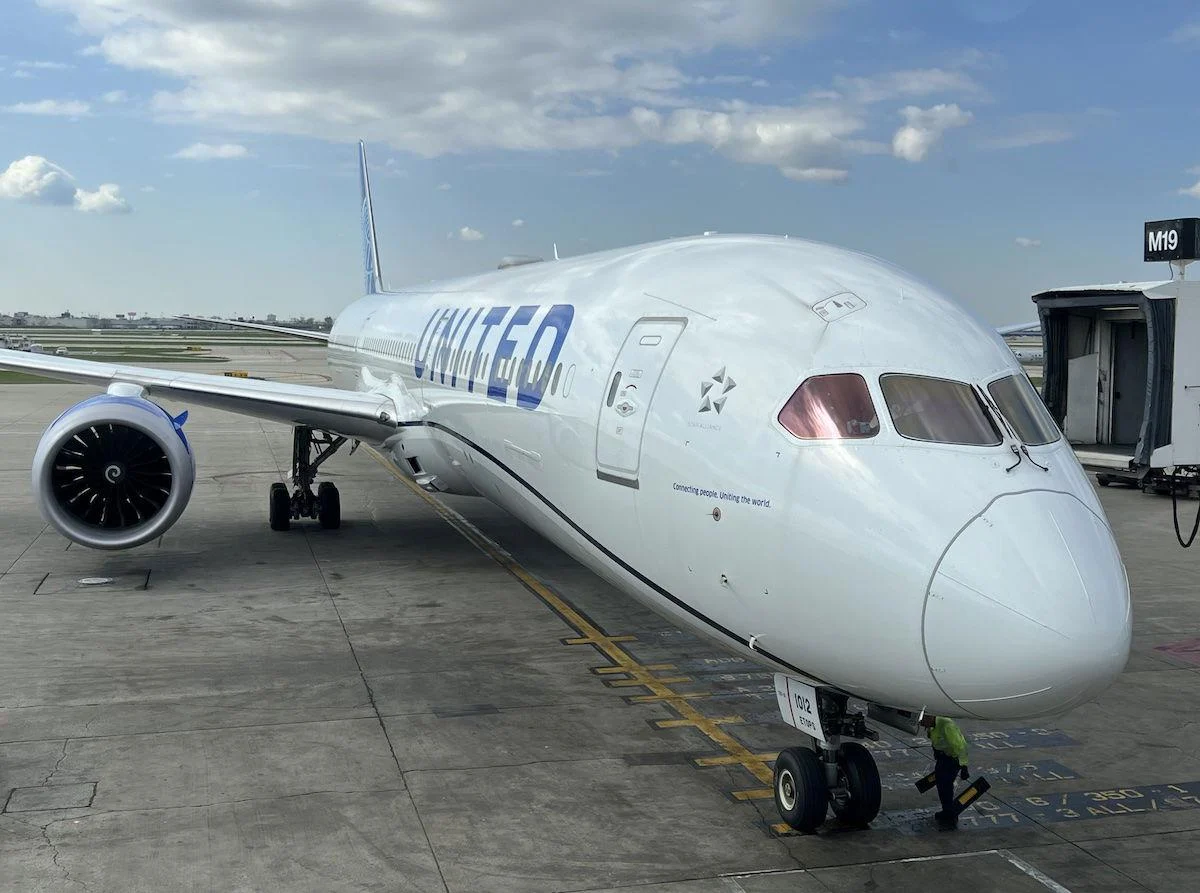
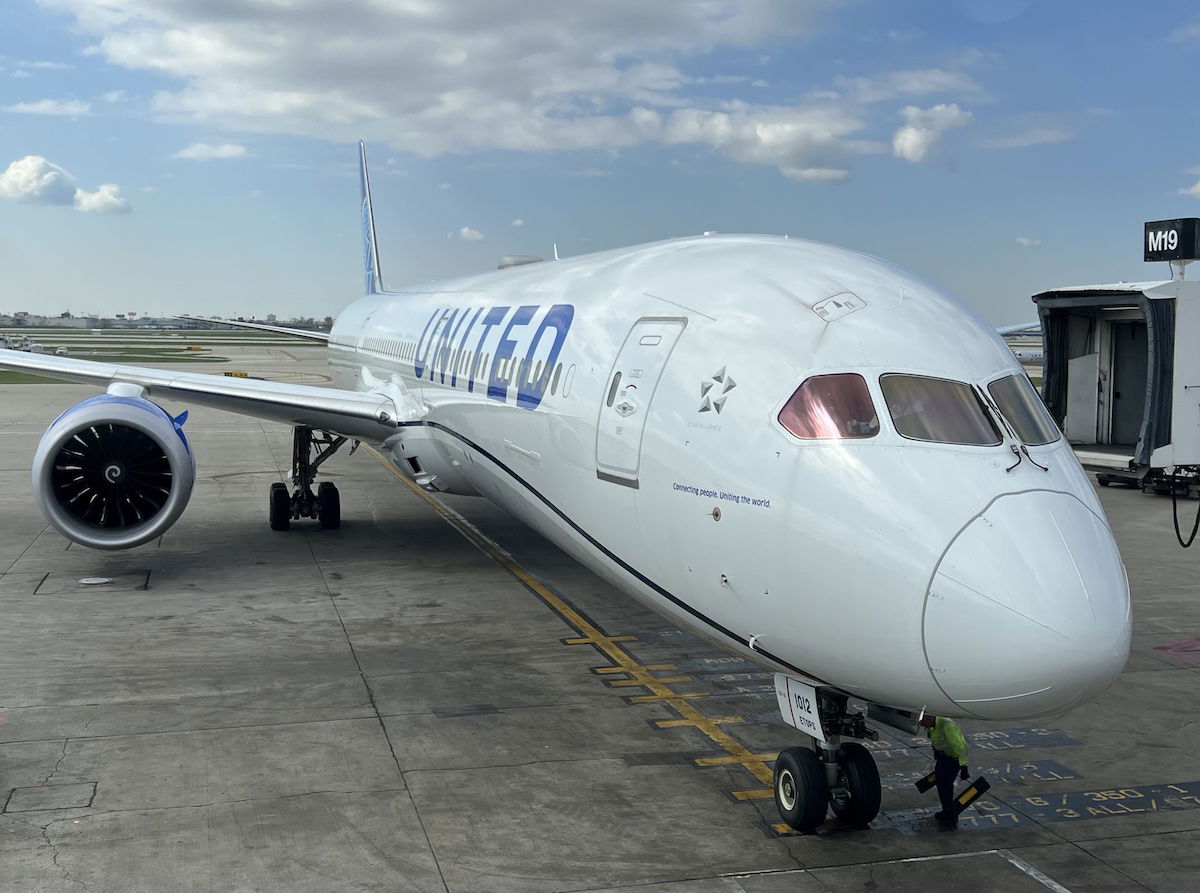
United Airlines is confronting a period of significant operational and financial pressure as the aviation industry grapples with the dual challenges of escalating conflict in the Middle East and a sharp spike in global jet fuel prices. In a comprehensive memo recently distributed to the carrier’s global workforce, Chief Executive Officer Scott Kirby outlined a strategy that balances short-term tactical adjustments with a steadfast commitment to the airline’s long-term growth objectives. While acknowledging the potential for an $11 billion increase in annual fuel expenses if current market conditions persist, Kirby expressed a contrarian optimism, suggesting that United’s structural preparations since the COVID-19 pandemic have positioned the company to "play offense" while competitors may be forced into defensive retreats.
The current crisis stems from heightened tensions involving Iran, which have sent ripples through global energy markets and forced airlines to re-evaluate flight paths across critical corridors. For United Airlines, the stakes are particularly high given its status as the U.S. carrier with the most extensive ultra-long-haul network. The economics of these 15-hour-plus flights are acutely sensitive to fuel price fluctuations, yet Kirby maintains that the airline’s balance sheet and robust demand levels provide a necessary buffer against the volatility.
The Financial Impact of the Global Energy Spike
The most immediate concern for United Airlines is the rapid appreciation of jet fuel costs. According to the CEO’s internal communications, jet fuel prices have more than doubled within a three-week window. This surge represents a monumental fiscal hurdle; Kirby noted that if prices remain at these elevated levels, United could face an additional $11 billion in annual fuel expenditures. To put this figure into perspective, the airline’s most profitable year on record yielded less than $5 billion in net income.
The volatility in the energy sector is largely a byproduct of the instability in the Middle East. As a major oil-producing region, any disruption or perceived threat to supply chains leads to immediate price hikes in Brent and West Texas Intermediate (WTI) crude, which subsequently inflates the cost of refined kerosene-type jet fuel. For an airline of United’s scale, which operates thousands of flights daily, even a marginal increase in the price per gallon translates into hundreds of millions of dollars in added costs.
Despite these daunting figures, the airline reports that consumer appetite for travel remains at historic highs. United has recorded its ten highest revenue-booking weeks in company history consecutively over the past two and a half months. This "demand tailwind" is currently offsetting some of the inflationary pressures, though Kirby cautioned that the ability to pass these costs onto consumers through higher fares may have its limits if oil prices remain elevated for an extended duration.
Strategic Pillars: Lessons from the Pandemic
The core of Kirby’s message to employees centered on the "North Star" strategy he has championed over the last five years. He emphasized that the lessons learned during the COVID-19 pandemic—specifically regarding liquidity and operational flexibility—were designed for precisely this type of industry stress. Kirby identified three primary objectives that have guided United’s positioning:
- Avoiding System-Wide Furloughs: A central tenet of United’s post-pandemic philosophy is the preservation of its workforce. By maintaining staffing levels, the airline avoids the costly and disruptive process of re-hiring and re-training when market conditions stabilize.
- Maintaining a Robust Balance Sheet: United has focused on building a "fortress" liquidity position, allowing it to absorb short-term losses without sacrificing its long-term capital expenditure plans.
- Sustaining Long-Term Investment: Unlike previous industry downturns where airlines immediately slashed marketing and capital budgets, United intends to continue its "United Next" program, which involves significant investments in new aircraft, cabin interiors, and gate expansions.
Kirby explicitly stated that United would not engage in reactionary cost-cutting or the deferral of future-focused investments. He characterized such moves as "distracting" and "unnecessary," arguing that they undermine the mission to build a premier global brand.
Operational Adjustments and Capacity Management
While the airline is avoiding broad-based austerity measures, it is implementing tactical shifts to manage the immediate impact of high fuel costs. United has announced a modest 5% reduction in flight capacity for the near term. This move is designed to optimize load factors—the percentage of available seats filled by paying passengers—and ensure that the flights remaining on the schedule are as fuel-efficient and profitable as possible.
The capacity cut is a common industry lever used to tighten supply and support fare pricing. However, United’s approach differs from some competitors who have taken a more aggressive "wait and see" stance. By proactively trimming the bottom 5% of its least profitable flying, United aims to protect its margins without significantly diminishing its global footprint.
The airline’s ultra-long-haul (ULH) network presents a unique set of risks and rewards in this environment. On one hand, the high fuel burn required to carry the weight of fuel needed for a 15-hour flight makes these routes the most vulnerable to price spikes. On the other hand, the current geopolitical climate has made direct flights more attractive to travelers who wish to avoid connecting through major Gulf hubs, such as Dubai or Doha, which are geographically closer to the conflict zones. This shift in passenger preference could provide United with a competitive advantage, provided it can command the premium fares necessary to cover the increased operating costs.
Industry Context and Competitive Landscape
United’s stance reflects a broader divergence in how major U.S. carriers are responding to the current crisis. While Delta Air Lines and American Airlines have also noted the pressure of fuel costs, Kirby’s memo suggests a more aggressive posture. By framing the situation as an opportunity to "extend our lead," Kirby is signaling to both employees and investors that United intends to use its scale to outmaneuver smaller or less capitalized rivals.
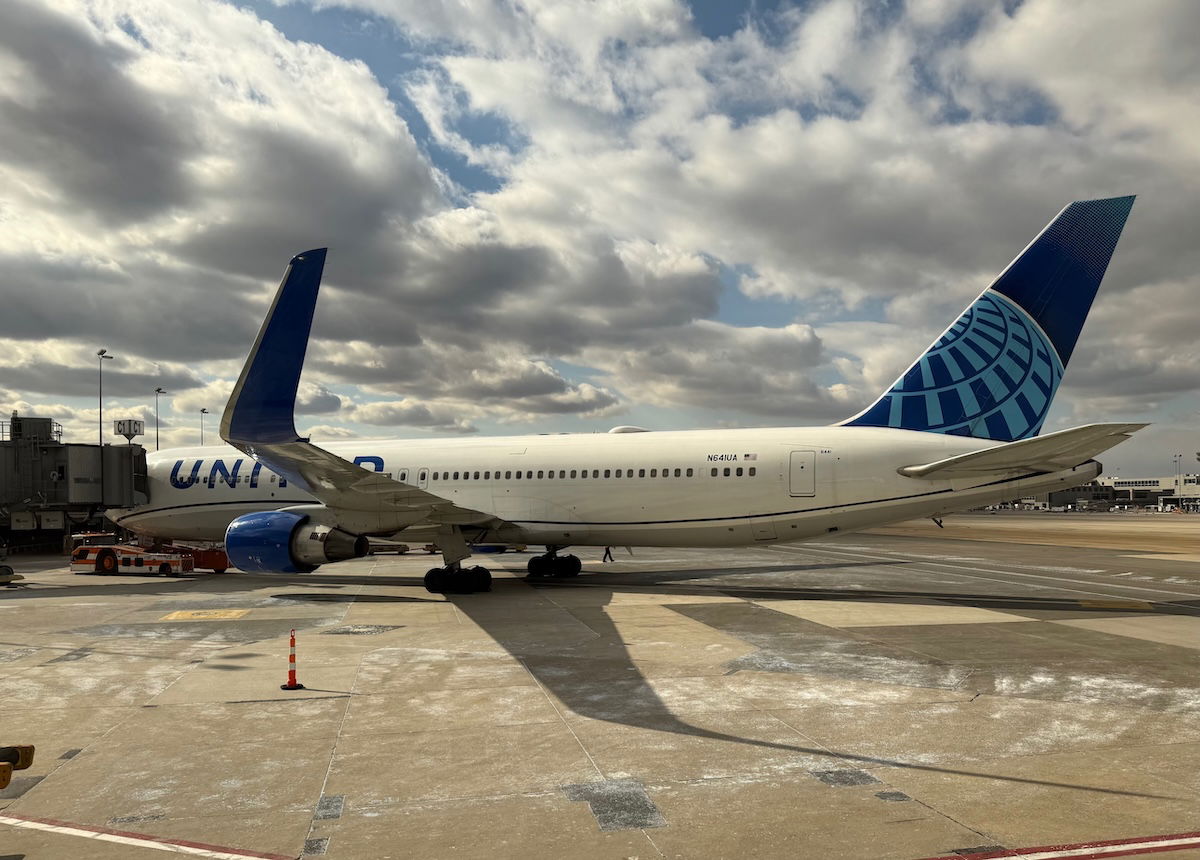
The "Gulf Hub" factor is a critical component of this competitive analysis. For years, carriers like Emirates, Qatar Airways, and Etihad have dominated East-West traffic. However, regional instability often prompts a "flight to safety" among international travelers, who may prefer the perceived security of a U.S.-flagged carrier flying direct routes. United’s massive investment in its international gateways at Newark, San Francisco, and Washington-Dulles is designed to capture this specific segment of the market.
Timeline of Recent Developments
The current volatility can be traced through a series of escalating events over the past several weeks:
- Early February: Tensions in the Middle East begin to impact shipping lanes, causing initial jitters in the energy markets.
- Mid-February: United reports record-breaking booking weeks, signaling a robust spring and summer travel season.
- Late February: The conflict involving Iran intensifies, leading to a sudden doubling of jet fuel prices over a 21-day period.
- Current Week: CEO Scott Kirby issues the internal memo, outlining the $11 billion risk and announcing the 5% capacity reduction.
Analysis of Implications and Future Outlook
The primary question facing United Airlines—and the broader industry—is whether high fuel prices represent a temporary "blip" or a "new normal." If prices stabilize or retreat, United’s decision to maintain its investment trajectory will likely be seen as a masterstroke of leadership that preserved morale and momentum. However, if oil remains above $100 per barrel for a year or more, the $11 billion expense gap will require more than just capacity trims; it may necessitate a fundamental re-evaluation of the airline’s growth projections.
Furthermore, the "no furlough" pledge is a high-stakes commitment. Labor is the second-largest expense for airlines after fuel. By promising job security, Kirby is betting that the current revenue strength is permanent and that the airline can "grow its way" out of the fuel crisis. This strategy relies heavily on the continued willingness of corporate and premium leisure travelers to pay higher ticket prices.
The implications for the consumer are clear: airfares are likely to rise. With United and other carriers trimming capacity, the supply-demand imbalance will inevitably lead to higher costs for travelers. However, United’s refusal to cut costs in areas like cabin service or technology investments suggests that while passengers may pay more, the quality of the "onboard product" is unlikely to be compromised in the short term.
As the situation evolves, United Airlines appears to be leaning into its identity as a premium, global carrier. Scott Kirby’s message to his team—to "sleep well at night knowing United prepared for this"—serves as both a reassurance to staff and a defiant signal to the market. Whether this optimism is justified will depend on the duration of the geopolitical conflict and the resilience of the global economy in the face of persistent energy inflation. For now, United remains on "offense," betting that its post-pandemic transformation has built a machine capable of weathering even the most severe industry storms.



 Tatiana Tantri Indah Sari
 Walid Sujud Trenggono
 Anjar Salim
 Chandra Hamzah