
 Budi Mulyono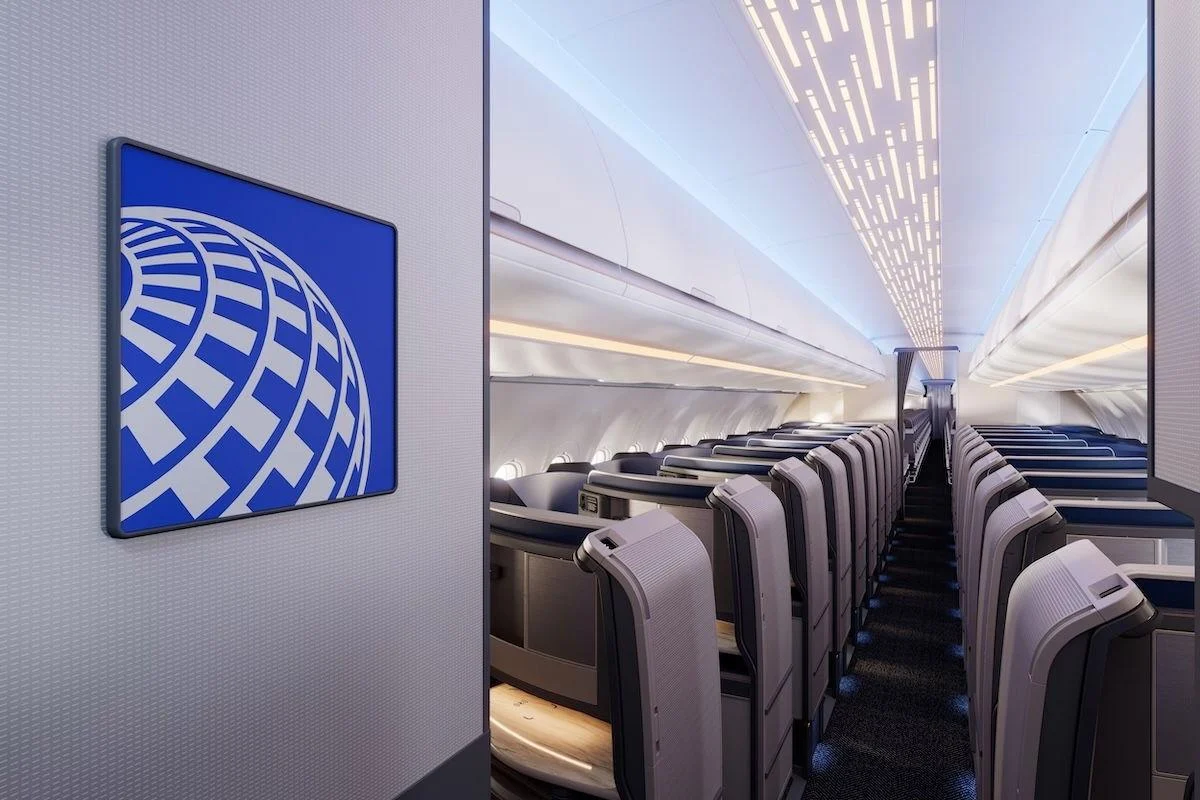
United Airlines has officially announced the launch of a specialized subfleet of Airbus A321neo aircraft, branded as the "Coastliner," designed specifically to redefine the premium transcontinental travel experience. This strategic move marks a significant departure from the carrier’s standard domestic operations, introducing a highly customized three-cabin configuration on 50 of its incoming Airbus narrowbody jets. The initiative is part of the broader "United Next" program, a multi-billion dollar fleet modernization effort aimed at increasing premium seat capacity and improving operational efficiency across the airline’s global network. By dedicating a specific subfleet to high-demand domestic corridors, United aims to solidify its position in the competitive "transcon" market, primarily connecting its East Coast hub at Newark Liberty International Airport (EWR) with West Coast strongholds in San Francisco (SFO) and Los Angeles (LAX).
The Coastliner Configuration and Cabin Specifications
The Coastliner subfleet will feature a significantly less dense seating arrangement compared to United’s standard Airbus A321neo aircraft. While the carrier’s standard domestic A321neo is configured with 200 seats—comprising 20 First Class seats and 180 Economy seats—the Coastliner will house only 161 seats. This reduction of 39 seats allows for the installation of lie-flat business class suites and a dedicated premium economy cabin, mirroring the amenities typically found on long-haul widebody aircraft.
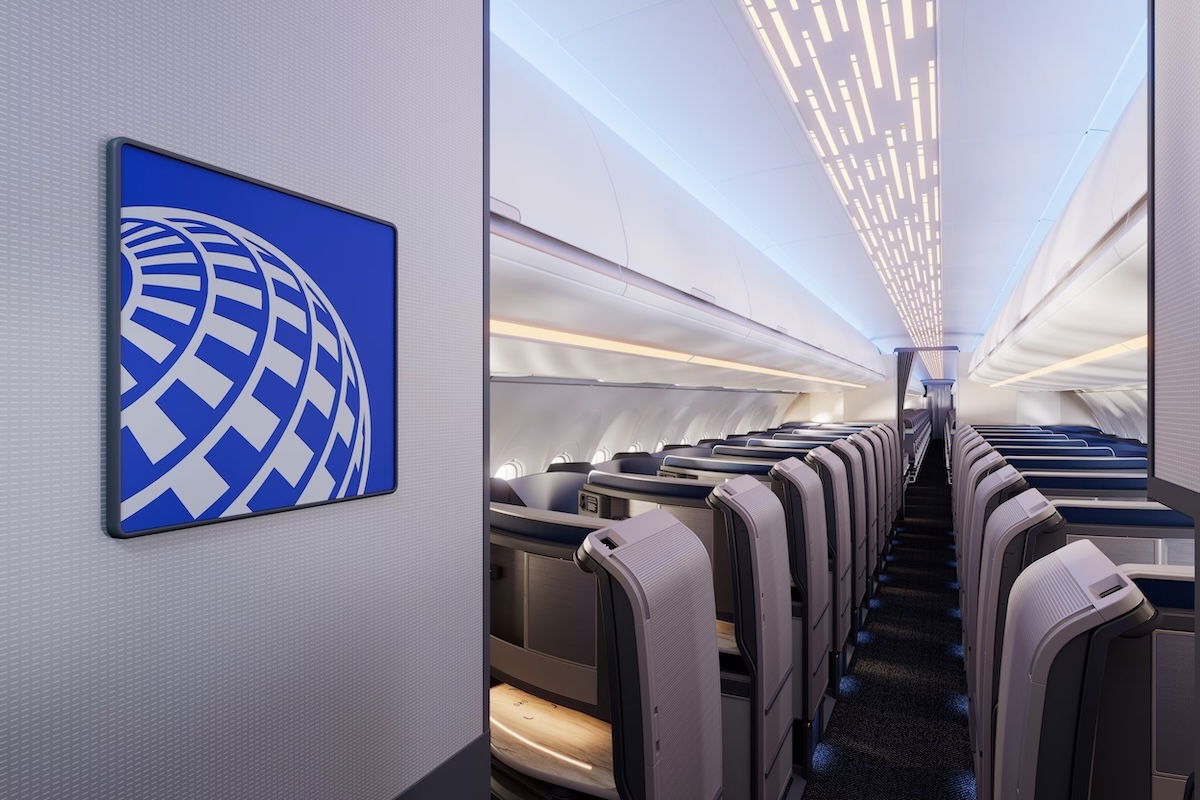
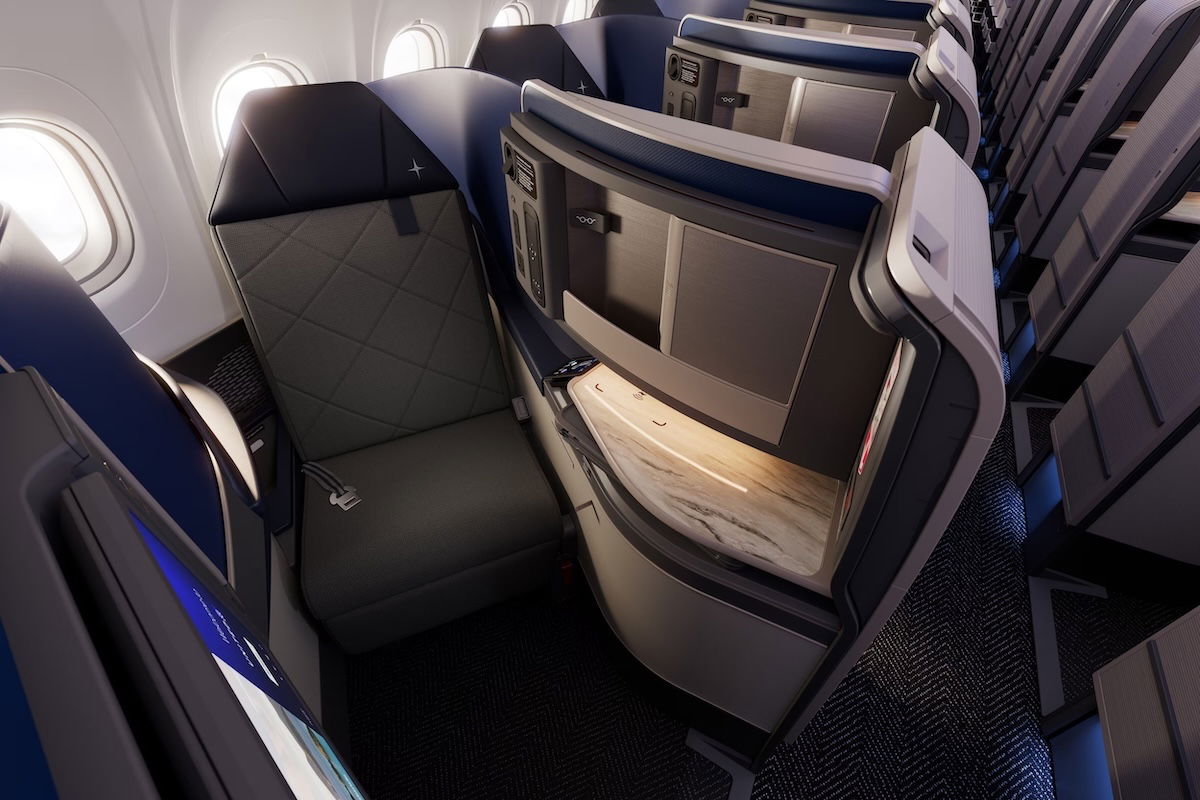
The premium cabin will feature 20 Polaris business class seats arranged in a 1-1 configuration. This layout ensures that every passenger in the forward cabin has direct aisle access, a critical requirement for modern premium travelers. These seats are designed to convert into fully flat beds, providing a level of comfort that exceeds the standard "United First" product found on domestic routes. Notably, while the Coastliner Polaris seats will offer a high degree of privacy, they will not feature the sliding doors planned for the business class cabin of United’s forthcoming Airbus A321XLR fleet, which is designated for international long-haul routes.
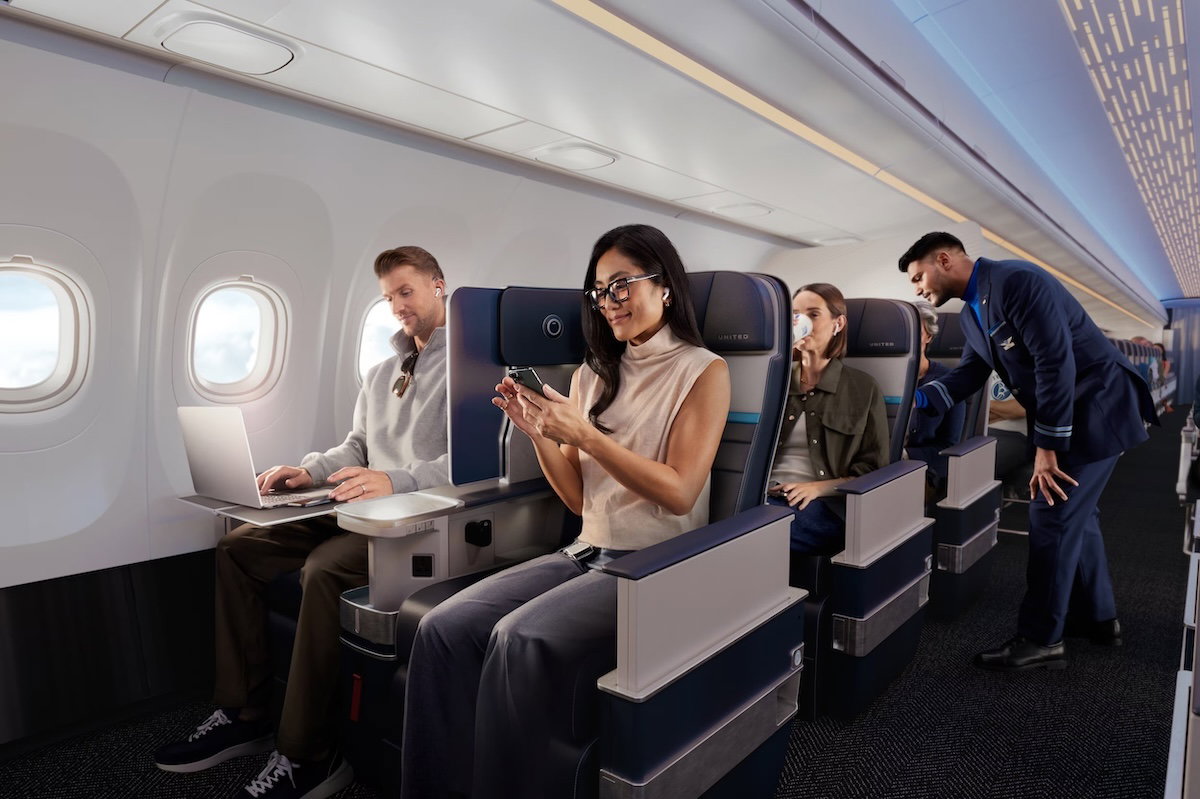
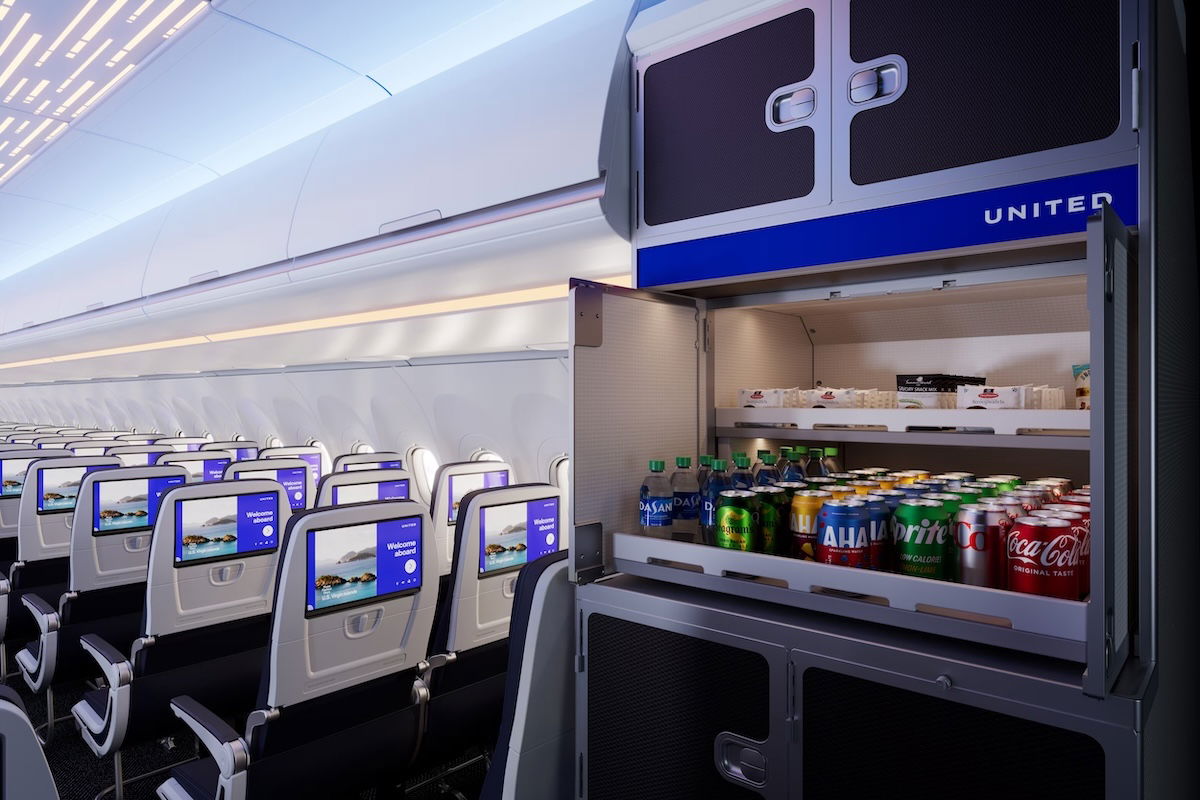
Behind the Polaris cabin, United will install 12 Premium Plus seats in a 2-2 configuration. This marks a significant expansion of the airline’s "purple seat" premium economy product into the domestic market. These seats offer more legroom, greater recline, and improved amenities compared to standard Economy Plus. The remainder of the aircraft will consist of 129 economy seats in a 3-3 configuration. Despite the higher density in the rear, United has confirmed that the Coastliner will include a dedicated snack bar in the galley area for economy passengers, a feature designed to enhance the "soft product" on five-to-six-hour cross-country flights.
A New Era for Lounge Access and Passenger Amenities
In a move that aligns United with its primary competitors, the airline has confirmed that passengers traveling in the Polaris cabin on Coastliner flights will receive access to United Polaris Lounges. Historically, United has restricted Polaris Lounge access to international business class travelers, directing domestic premium transcontinental passengers to standard United Clubs. This policy shift is a direct response to the luxury offerings of Delta Air Lines and American Airlines, both of which have introduced or expanded dedicated premium lounges (Delta One Lounges and American Flagship Lounges) for their top-tier domestic customers.
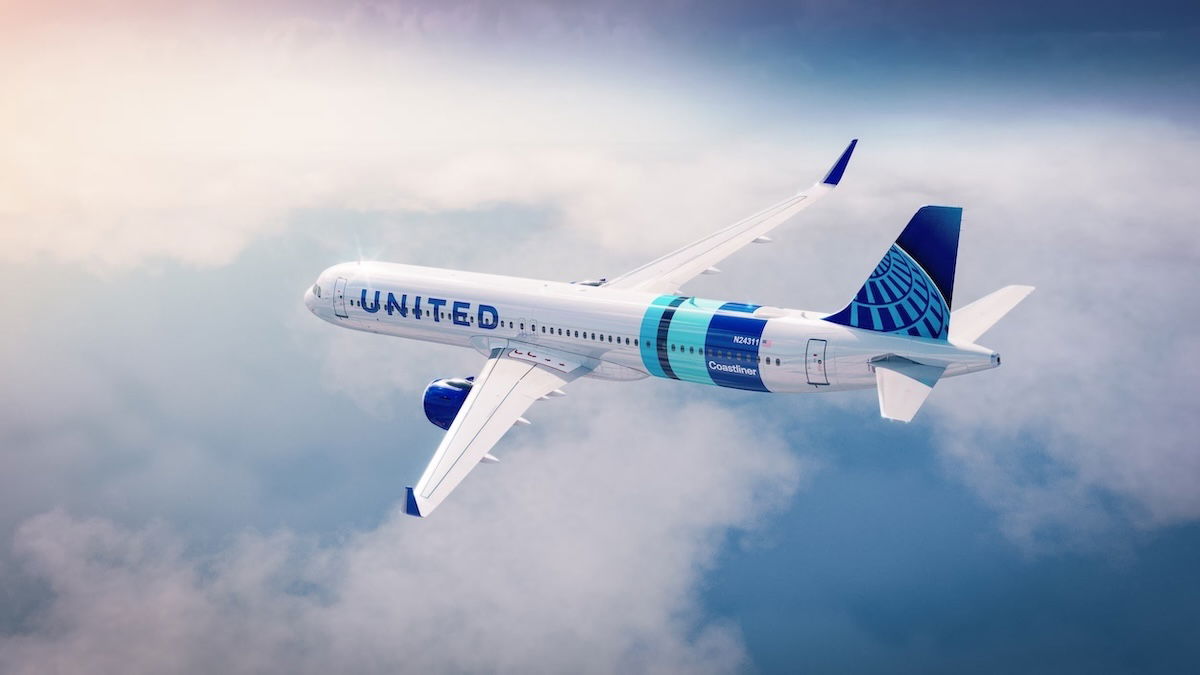
The Coastliner aircraft will also sport a unique livery, distinct from the standard United "Evo-blue" branding. According to the airline, the exterior design will pay homage to the coastal destinations the subfleet serves, making the aircraft easily identifiable to passengers and ground crews alike. Onboard technology will include high-speed Wi-Fi, Bluetooth-capable entertainment systems at every seat, and oversized overhead bins capable of accommodating carry-on luggage for every passenger, addressing one of the primary pain points of narrowbody travel.
Chronology and Fleet Integration Strategy
The introduction of the Coastliner represents a pivot in United’s long-term fleet planning. Nearly a decade ago, United executives signaled intentions to use the Boeing 737 MAX 10 for premium transcontinental routes. However, persistent certification delays with the MAX 10 program have led the airline to shift its strategy toward the Airbus A321neo platform.
The timeline for the Coastliner rollout is as follows:
- Summer 2024: The first Coastliner-configured A321neo is expected to enter commercial service.
- 2025–2027: Continuous delivery of the 50-aircraft subfleet.
- Early 2028: United expects to have 40 of the 50 Coastliner aircraft in active service.
This subfleet is part of a much larger order for the A321neo family; United eventually expects to operate more than 175 of the type. By separating the fleet into "Standard Domestic" (200 seats), "Coastliner" (161 seats), and "A321XLR International" (150 seats), United can optimize its capacity based on the specific yield and demand profiles of different routes.
Comparative Analysis: The Transcontinental Competitive Landscape
United’s decision to create a dedicated narrowbody subfleet for domestic premium routes stands in contrast to the strategies of its "Big Three" rivals.
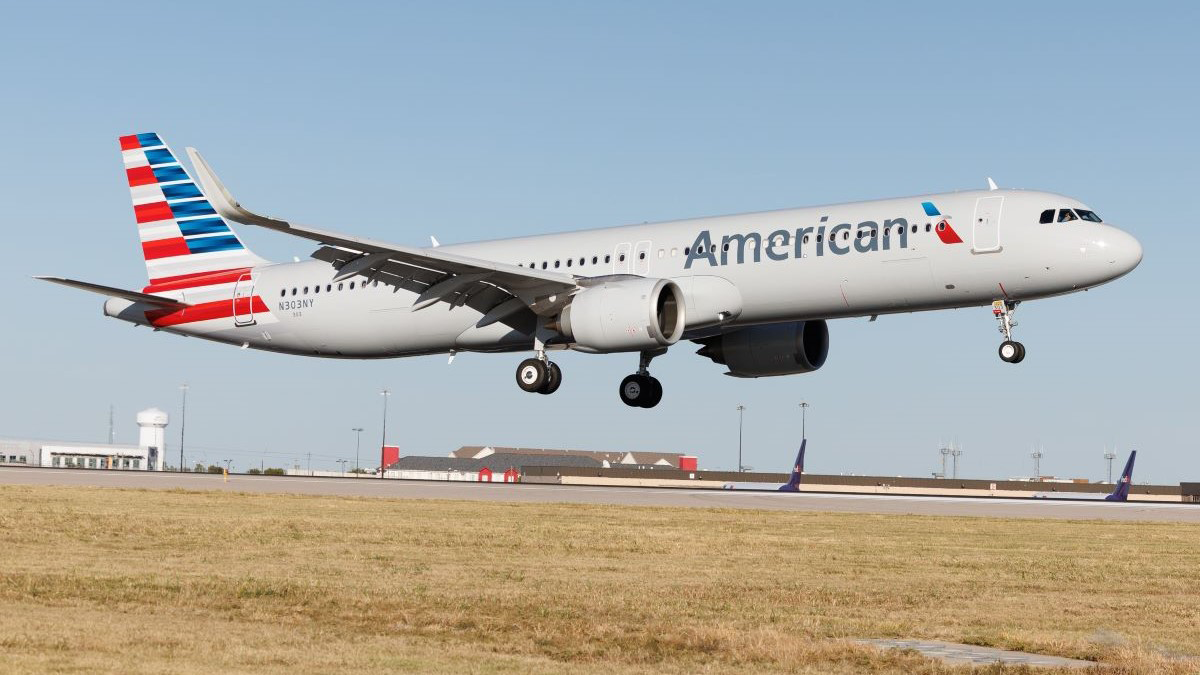
American Airlines: American has ordered 40 Airbus A321XLR aircraft but intends to use them interchangeably for both premium transcontinental and long-haul international flights. Industry analysts suggest this "one-size-fits-all" approach may limit American’s flexibility, as the international requirements (such as larger galleys for multi-meal service) may result in an inefficient configuration for domestic hops.
Delta Air Lines: Delta is also developing a premium A321neo subfleet with 21 aircraft featuring lie-flat beds. However, Delta has faced significant hurdles with cabin certification, leading to several aircraft being grounded for extended periods. In response, Delta has temporarily deployed some A321neos with a high-density "First Class" layout of 44 seats while awaiting final approval for its premium interiors.
JetBlue: The Coastliner announcement also comes amid a shifting partnership landscape. Following the termination of the Northeast Alliance between American and JetBlue, United and JetBlue have explored closer cooperation. If United returns to New York’s John F. Kennedy International Airport (JFK) in a significant capacity, the Coastliner fleet would be the primary tool used to compete with JetBlue’s successful "Mint" service.
Operational Impact and Economic Implications
The transition to the A321neo Coastliner is expected to yield substantial operational benefits for United. Currently, many of United’s premium transcontinental routes are served by aging Boeing 757-200 aircraft or widebody Boeing 767 and 787 jets.
The A321neo offers approximately 20-30% better fuel efficiency per seat compared to the Boeing 757, which it is largely intended to replace. Furthermore, by utilizing high-capacity narrowbodies for domestic routes, United can "free up" its widebody fleet—specifically the Boeing 787 Dreamliner—for high-margin international expansion. This is a critical component of United’s "United Next" strategy, which seeks to maximize the utility of every airframe in the fleet.
From a revenue perspective, the inclusion of 12 Premium Plus seats allows United to capture a middle-tier segment of travelers willing to pay more than an economy fare but less than a full business class fare. This "segmentation strategy" has proven highly profitable on international routes and is now being aggressively applied to the domestic market.
Broader Implications for the Aviation Industry
The launch of the Coastliner underscores a broader trend in the airline industry: the "narrowbody-ization" of long-haul and premium routes. As narrowbody aircraft like the A321neo and A321XLR achieve the range and cabin comfort levels previously reserved for widebodies, airlines are increasingly using them to maintain frequency while reducing the financial risk associated with flying larger planes.
For United, the 50-plane Coastliner fleet is large enough to support approximately 75 to 80 round-trip flights per day. This scale allows the airline to dominate the Newark-to-California market with a consistent, high-quality product. While the A321neo lacks the "heavy" feel of a widebody jet, the 1-1 Polaris configuration and the inclusion of Polaris Lounge access represent a significant upgrade for the domestic traveler.
As the first Coastliner aircraft prepares for its inaugural flight this summer, the industry will be watching closely to see if United’s bet on a specialized narrowbody subfleet pays off. If successful, it may prompt competitors to reconsider their own fleet configurations, further blurring the lines between domestic and international service standards. For now, United’s Coastliner represents the most definitive move yet by a U.S. legacy carrier to standardize a true "international-grade" experience on the nation’s most lucrative domestic flight paths.




 Anjar Salim
 Chandra Hamzah

 Tatiana Tantri Indah Sari