Tatiana Tantri Indah Sari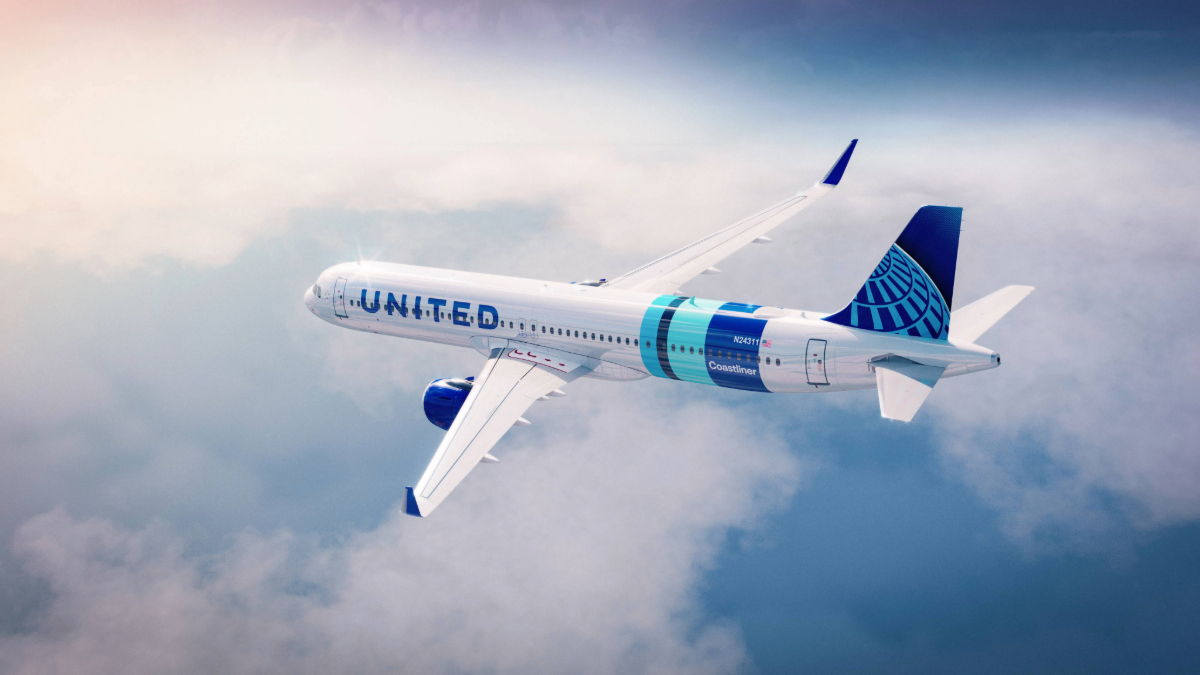
United Airlines announced Tuesday its strategic intent to significantly expand its operational capacity by integrating more than 250 new aircraft into its fleet by April 2028. This substantial investment underscores the airline’s firm belief in the enduring strength of post-pandemic travel demand and its long-term vision for market leadership. The aggressive fleet modernization and expansion plan is a cornerstone of United’s broader strategy to differentiate itself in an increasingly competitive global aviation landscape.
A Decades-Long Journey of De-Commodification
Scott Kirby, United’s Chief Executive Officer, articulated the philosophical underpinning of this significant capital outlay during a recent call with reporters. "This is another step in a decade-long journey that we’ve been on at United to de-commoditize the industry, to de-commoditize United in particular," Kirby stated. This declaration highlights a deliberate shift away from competing primarily on price, moving instead towards offering a premium, differentiated passenger experience across all cabins, designed to foster customer loyalty and command higher yields. The strategy aims to position United as a preferred carrier by enhancing comfort, technology, and service, thereby moving beyond the basic transactional nature of air travel that often characterizes the "commodity" label.
Key Additions: The A321 Coastliner and A321XLR
Central to this growth initiative are two key narrowbody aircraft types: a custom-designed Airbus A321 Coastliner and the long-range Airbus A321XLR. These selections reflect a dual focus on optimizing both the domestic premium experience and expanding international point-to-point capabilities.
The A321 Coastliner, a bespoke configuration for United, is set to redefine premium short-to-medium haul travel. This aircraft will feature 20 lie-flat Polaris business class seats, offering an unparalleled level of comfort for domestic routes that traditionally do not see such extensive premium offerings. Complementing these are 12 Premium Plus seats, United’s popular premium economy product, which provides enhanced legroom and service. The remaining 129 seats will be in the economy cabin. In a move that directly supports the "de-commoditization" ethos, United has strategically removed three standard economy seats from the typical A321 configuration to accommodate a dedicated snack bar at the rear of the aircraft. This innovative amenity, accessible to all passengers, particularly those in economy, aims to elevate the inflight experience beyond traditional cart service, offering a more personalized and convenient refreshment option. United began experimenting with similar snack bar concepts and kiosks in 2023, gathering valuable customer feedback that informed the permanent integration into the Coastliner design.
The A321XLR, an extended-range variant of the A321neo family, represents a significant strategic asset. Its capabilities will allow United to operate new transatlantic routes from its East Coast hubs and potentially open up longer domestic and South American routes that were previously only viable with larger, less fuel-efficient widebody aircraft. The A321XLR’s impressive range and efficiency make it an ideal tool for connecting secondary cities directly, bypassing traditional hub connections, and offering passengers more convenient travel options. This aircraft type is a game-changer for airline network planners, enabling thinner routes to become profitable and enhancing competitive reach.
Chronology of Strategic Evolution and Fleet Modernization
United’s current fleet expansion is not an isolated event but a continuation of a well-defined long-term strategy, notably encapsulated in its "United Next" plan, unveiled in July 2021. The "United Next" initiative laid out an ambitious vision for fleet modernization, passenger experience upgrades, and network expansion. That plan initially included orders for 200 Boeing 737 MAX aircraft and 70 Boeing 787 Dreamliners, with significant deliveries scheduled through 2023 and beyond. This earlier commitment signaled United’s aggressive post-pandemic recovery stance and its intent to seize market share.
The introduction of new aircraft types like the A321 Coastliner and A321XLR builds directly on the "United Next" blueprint, further diversifying the fleet and tailoring aircraft to specific market needs. The decision to invest heavily in the Airbus A320neo family, alongside its existing Boeing orders, also reflects a strategic move to ensure flexibility and leverage the latest advancements in aircraft technology and fuel efficiency from both major manufacturers. This dual-source approach mitigates risks associated with production delays or issues from a single supplier and allows United to cherry-pick the best-fit aircraft for various segments of its network.
Prior to these large-scale orders, United had already begun implementing elements of its de-commoditization strategy. The introduction of the Polaris business class product in 2016, followed by the Premium Plus cabin in 2019, demonstrated an early commitment to enhancing the premium passenger experience. Subsequent investments in inflight Wi-Fi, entertainment systems, and digital tools like the United app have consistently aimed to improve the overall customer journey, setting the stage for the physical enhancements now being incorporated into new aircraft.
Market Context and Robust Travel Demand
The decision to commit to such a large fleet expansion is firmly rooted in the airline industry’s robust recovery trajectory following the severe downturn caused by the COVID-19 pandemic. Global passenger traffic, as reported by the International Air Transport Association (IATA), has shown remarkable resilience, with 2023 figures often surpassing pre-pandemic levels in many regions, particularly for domestic and leisure international travel. Industry analysts project continued strong growth in air travel demand over the next decade, driven by a burgeoning middle class in emerging economies, increased global connectivity, and a sustained consumer preference for experiences over goods.
United’s confidence is bolstered by its own operational performance, which has seen strong revenue passenger miles (RPMs) and high load factors across its network. Leisure travel has led the recovery, but corporate travel, a critical segment for full-service carriers like United, has also shown a significant rebound, albeit with some shifts in travel patterns. The airline’s extensive global network, with key hubs in Newark, Chicago, Houston, Denver, Los Angeles, San Francisco, and Washington D.C., positions it well to capitalize on both domestic and international demand spikes. The new aircraft, particularly the A321XLR, will allow United to further optimize its hub-and-spoke model while simultaneously exploring more direct point-to-point routes, catering to evolving passenger preferences.
Financial Implications and Investment Scale
This fleet expansion represents a multi-billion dollar investment for United Airlines, a significant financial commitment that reflects the airline’s strong balance sheet and optimistic outlook. While specific financial terms for the Airbus orders were not disclosed, such large-scale procurements typically involve a combination of direct purchases, lease agreements, and sale-and-leaseback transactions. These deals are often financed through a mix of cash flow, debt markets, and export credit agencies, leveraging the airline’s financial strength and the long-term value of new-generation aircraft.
The expected return on investment is multifaceted. Newer aircraft are inherently more fuel-efficient, offering substantial operational cost savings over their lifespan compared to older models. For example, the A321neo family, which includes the Coastliner and XLR, boasts up to 20% lower fuel burn per seat compared to previous generation aircraft. This directly contributes to improved profit margins. Furthermore, the enhanced passenger experience, particularly the premium offerings on the Coastliner, is expected to drive higher yields and increased ancillary revenues. The expanded capacity will also allow United to capture a larger share of the growing travel market, increase frequencies on popular routes, and introduce new services, all contributing to top-line revenue growth. The investment signals to shareholders and the market United’s proactive approach to long-term growth and sustained profitability.
Operational Considerations and Sustainability Goals
Integrating over 250 new aircraft within a span of less than five years presents significant operational challenges and opportunities. United will need to manage the phased delivery schedule, ensuring adequate pilot and crew training for the new aircraft types, expanding maintenance, repair, and overhaul (MRO) capabilities, and adapting airport ground infrastructure. The commonality within the A320neo family, however, will streamline some aspects of crew training and maintenance, as pilots and technicians can be rated for multiple variants.
Beyond the immediate operational aspects, the new fleet plays a crucial role in United’s ambitious environmental commitments. As one of the first airlines to commit to achieving net-zero greenhouse gas emissions by 2050 without relying on traditional carbon offsets, United has prioritized investments in fuel-efficient aircraft. The A321neo family, with its advanced engines and aerodynamic improvements, directly contributes to reducing the airline’s carbon footprint. This fleet modernization is complemented by United’s ongoing efforts to invest in and promote the development and use of Sustainable Aviation Fuel (SAF), which offers a significant pathway to decarbonization. The strategic decision to acquire these modern aircraft aligns both with economic imperatives and environmental responsibilities, positioning United as a leader in sustainable aviation.
Competitive Landscape and Broader Industry Impact
United’s aggressive fleet expansion sends a clear signal to its major competitors, including Delta Air Lines, American Airlines, and international carriers. This move is likely to intensify competition for market share, particularly on premium routes and in key international markets. By enhancing its premium product and expanding its network capabilities, United aims to solidify its position as a top-tier global airline. The introduction of aircraft like the A321XLR will allow United to challenge competitors on routes that might currently be underserved or dominated by widebody operations, potentially leading to more direct routes and competitive pricing for consumers.
The investment also has broader implications for the aviation supply chain. Orders of this magnitude provide substantial business for aircraft manufacturers like Airbus, as well as engine suppliers (e.g., Pratt & Whitney, CFM International) and a vast network of aerospace component manufacturers. This sustained demand helps stabilize the industry and encourages further innovation in aircraft design and technology.
Analyst Perspectives
Industry analysts generally view United’s fleet expansion as a prudent and necessary step for long-term growth. Many concur that investing in modern, fuel-efficient aircraft with enhanced passenger amenities is critical for maintaining competitiveness and improving profitability in the current market environment. While acknowledging potential challenges such as managing supply chain disruptions, labor availability for pilots and maintenance staff, and the sheer scale of integrating new assets, the overall sentiment is positive. Analysts highlight the strategic alignment of the fleet plan with United’s de-commoditization efforts and its strong positioning to capitalize on anticipated demand growth. The ability to offer a consistent, high-quality product across a diverse network is seen as a key differentiator that will strengthen United’s brand and financial performance in the years to come.
In conclusion, United Airlines’ commitment to adding over 250 new aircraft by 2028 is a bold declaration of confidence in the future of air travel and a strategic investment in its long-term vision. By focusing on modern, efficient aircraft and a superior passenger experience, United is charting a course not just for expansion, but for a fundamental transformation of its offering, aiming to solidify its place as a leader in the global aviation industry through differentiation and sustained excellence.



 Anjar Salim
 Chandra Hamzah
 Walid Sujud Trenggono
 Budi Mulyono