Lukman Taruna Persada Ramadan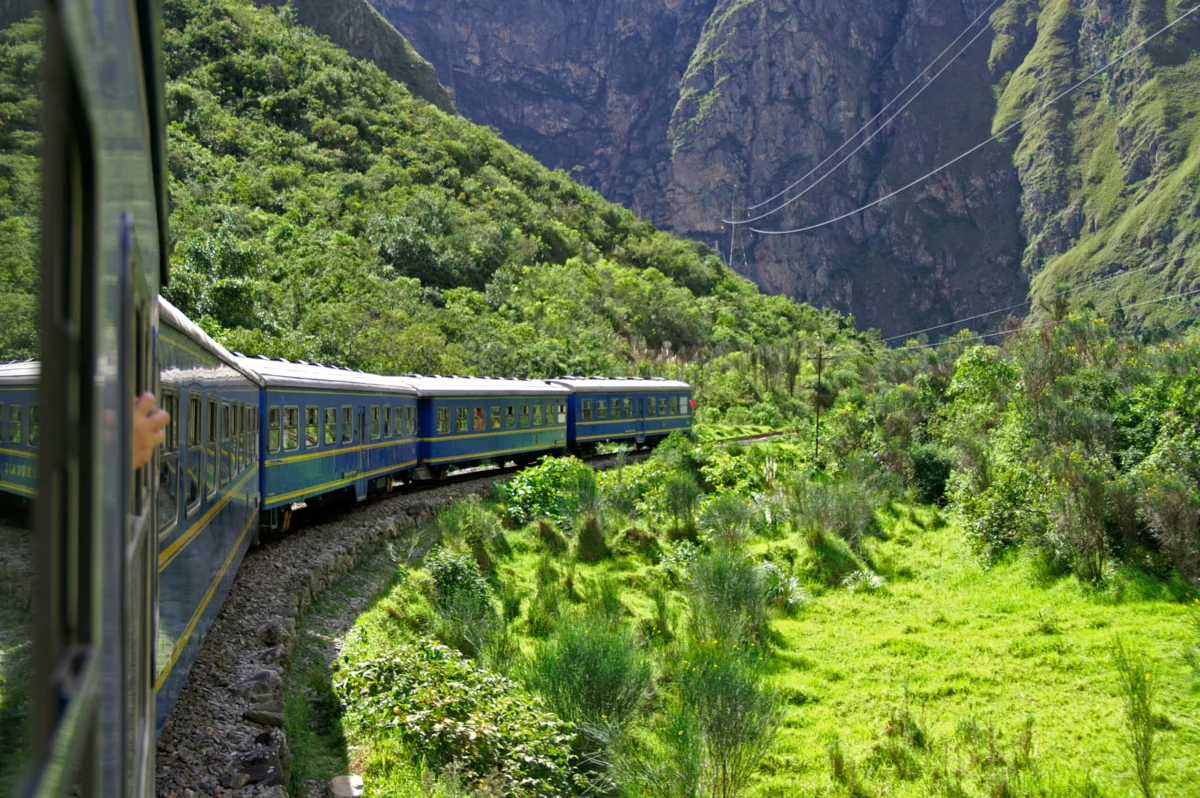
A journey to Machu Picchu, Peru’s iconic Inca citadel and one of the New Seven Wonders of the World, represents a profound pilgrimage into history and natural grandeur. Far from being an insurmountable dream, this expedition transforms into a tangible reality with diligent planning and an understanding of the intricate logistics involved. Its enduring appeal lies not only in its breathtaking Andean setting but also in the mysteries surrounding its construction, purpose, and eventual abandonment by the Inca Empire.
Historical Context and Enduring Significance
Machu Picchu, meaning "Old Mountain" in Quechua, is a 15th-century Inca citadel situated on a mountain ridge 2,430 meters (7,970 ft) above sea level. It is located in the Cusco Region, Urubamba Province, Machupicchu District in Peru, above the Sacred Valley. Constructed around 1450, during the height of the Inca Empire under Emperor Pachacuti, the site remained unknown to the Spanish conquistadors and largely forgotten by the outside world for centuries. Its sophisticated dry-stone construction, blending seamlessly with the natural topography, showcases the Incas’ mastery of engineering, astronomy, and agriculture. Theories regarding its purpose range from a royal estate for the Inca emperor to a sacred religious site or an astronomical observatory. The precision of its stonework, which allowed structures to withstand centuries of seismic activity, continues to astound engineers and archaeologists alike.
The citadel was likely abandoned around the time of the Spanish conquest in the 16th century, possibly due to a smallpox epidemic that swept through the Inca Empire, predating the arrival of the Europeans themselves. It lay hidden by dense jungle vegetation, known only to a few local indigenous communities, until its "rediscovery" by American explorer Hiram Bingham III in 1911. While Bingham popularized the site internationally, crediting himself with its discovery, local farmers had been aware of its existence for generations. Since its reintroduction to the world, Machu Picchu has captivated imaginations, earning its designation as a UNESCO World Heritage Site in 1983 and later, in 2007, being voted one of the New Seven Wonders of the World. These accolades underscore its universal value and the imperative for its meticulous preservation amidst growing global interest.
Strategic Planning: Gateways and Permits
Embarking on a Machu Picchu adventure necessitates careful planning, particularly regarding entry permits, transportation, and accommodation. The primary gateway for international travelers is Lima’s Jorge Chávez International Airport (LIM), from which connecting flights typically proceed to Alejandro Velasco Astete International Airport (CUZ) in Cusco. Cusco, the historic capital of the Inca Empire, serves as the essential acclimatization point due to its high altitude (approximately 3,400 meters or 11,200 feet above sea level). Visitors are advised to spend at least two to three days in Cusco or the Sacred Valley to adjust to the altitude, mitigating the risk of acute mountain sickness.

Access to Machu Picchu itself is strictly controlled to preserve the delicate ecosystem and archaeological integrity of the site. Official regulations mandate the purchase of entry tickets in advance through the Ministry of Culture of Peru’s official website or authorized tour operators. Daily visitor limits are enforced, especially for popular add-on treks like Huayna Picchu and Machu Picchu Mountain, which offer panoramic views but require separate, highly coveted permits that often sell out months in advance. The Inca Trail, a multi-day trek culminating at the Sun Gate (Intipunku) overlooking Machu Picchu, also operates under stringent permit systems, with only 500 permits issued per day (including porters and guides). Securing these permits typically requires booking with a licensed tour operator six months to a year in advance, particularly during the peak dry season from May to September.
Diverse Routes to the Citadel: Trekking or Rail
Travelers have two primary avenues for reaching the ancient citadel: the challenging and rewarding Inca Trail trek or the scenic train journey to Aguas Calientes.
For those seeking an immersive physical and cultural challenge, the Inca Trail offers an unparalleled experience. Ranging from two to five days, the Classic Inca Trail (four days, three nights) covers approximately 43 kilometers (26 miles) of ancient stone pathways, traversing diverse Andean landscapes, cloud forests, and passing numerous smaller Inca ruins before arriving at Machu Picchu through the Sun Gate at dawn. The trail is considered moderately difficult, requiring good physical fitness and acclimatization. Strict environmental regulations are in place to minimize impact, including limitations on group sizes and mandatory use of licensed guides and porters, who are often indigenous Quechua speakers and contribute significantly to the local economy. The Short Inca Trail (two days, one night) provides a less strenuous alternative, beginning with a train ride to Kilometer 104 and a day-long hike to Machu Picchu, with an overnight stay in Aguas Calientes.
Alternatively, the train journey offers a comfortable and equally scenic route to Aguas Calientes, the town nestled in the valley directly below Machu Picchu, also known as Machu Picchu Pueblo. This option is ideal for those with time constraints, physical limitations, or simply a preference for comfort. The main departure points for the train are Cusco (Poroy station, a short drive from the city center) or Ollantaytambo in the Sacred Valley. Many travelers choose to stay a night or two in the Sacred Valley (Urubamba, Ollantaytambo) to further acclimatize and explore other Inca sites before taking the train.
Two main rail companies operate this route: PeruRail and Inca Rail. Both offer varying classes of service, catering to different budgets and preferences. PeruRail’s Vistadome and Observatory Vistadome cars are highly recommended for their panoramic windows, which provide expansive views of the dramatic Andean scenery, including the Urubamba River snaking through the valley and the towering peaks. These services often include amenities such as snack boxes featuring local delicacies, hot beverages, and even onboard entertainment like traditional Peruvian dances or alpaca fashion shows, transforming the journey into an integral part of the cultural experience. Inca Rail also offers distinct services like The Voyager and The 360°, each designed to enhance the scenic voyage with comfortable seating and observation windows.
Aguas Calientes: The Gateway Town

Upon arrival in Aguas Calientes, visitors find a bustling town designed to cater to the influx of tourists. It offers a wide array of hotel options, from budget-friendly hostels to luxurious resorts, as well as numerous restaurants, craft markets, and natural hot springs (from which the town derives its name). While many opt for a day trip to Machu Picchu, spending a night in Aguas Calientes allows for a more relaxed pace, an opportunity to explore the town, and the strategic advantage of taking one of the first buses up to the citadel in the early morning, potentially beating the larger crowds and experiencing the site as the mist clears.
Accommodations like the Inkaterra Machu Picchu Pueblo Hotel are renowned for offering a comprehensive luxury experience, including nature walks within their cloud forest grounds and often providing expert guides to accompany guests on their Machu Picchu excursion. This integrated approach enhances the visitor’s understanding and appreciation of the entire region.
Ascending to the Citadel and Exploring Its Circuits
From Aguas Calientes, the final ascent to Machu Picchu’s entrance involves either a challenging three-hour uphill hike or a convenient 30-minute bus ride. The buses, operated by Consettur, run continuously from early morning until late afternoon, shuttling thousands of visitors daily along the winding Hiram Bingham Highway. Most travelers choose the bus for efficiency and to conserve energy for exploring the vast ruins.
Upon reaching the entrance, visitors must present their pre-purchased tickets and identification. The Ministry of Culture has implemented a circuit system to manage visitor flow and protect the archaeological site. Currently, there are typically three main circuits, though their specifics can vary slightly based on ongoing conservation efforts:
- Circuit 1 (Panoramic): This circuit primarily offers the iconic, postcard-perfect panoramic views of the entire citadel from the upper terraces, including the famous Guardian’s House viewpoint. It’s ideal for photography enthusiasts and those seeking the quintessential Machu Picchu vista. Access to the main city is more limited on this circuit.
- Circuit 2 (Classic): The most popular and comprehensive option, Circuit 2 provides an extensive tour of the main urban and agricultural areas. It typically includes the upper terraces, the Main Gate, the Temple of the Sun, the Intihuatana (sun dial), the Sacred Plaza, the Temple of the Three Windows, and various residential sectors. This circuit offers a deep dive into the Inca’s daily life, religious practices, and architectural prowess.
- Circuit 3 (Royalty/Lower City): This circuit focuses on the lower part of the city, often including areas like the Temple of the Condor, the Royal Palace, and the industrial zones. It generally involves less strenuous hiking than Circuit 2 and is suitable for those with limited mobility or seeking a more focused exploration of specific royal and ceremonial structures. This circuit sometimes includes access to the challenging Huayna Picchu or Machu Picchu Mountain hikes, if permits were secured.
Regardless of the chosen circuit, engaging a licensed tour guide is highly recommended. Expert guides offer invaluable insights into the history, architecture, and cultural significance of each structure, bringing the ancient city to life with detailed narratives, historical context, and often, visual aids depicting the ruins in their original splendor. Visitors without a guide often miss crucial historical details and the deeper appreciation that comes with understanding the purpose and context of what they are seeing. The experience of witnessing the Andean condor soaring overhead or encountering llamas and alpacas grazing freely among the terraces further enriches the visit.
Conservation, Visitor Management, and Economic Impact

Machu Picchu’s immense popularity presents a complex challenge: balancing accessibility for millions of global visitors with the imperative of preserving its fragile archaeological and natural heritage. The Peruvian government, in conjunction with UNESCO, continuously evaluates and adjusts visitor management strategies. Measures such as timed entry, the circuit system, restrictions on group sizes, and limitations on daily visitor numbers are all designed to mitigate erosion, minimize structural damage, and ensure a sustainable tourism model. Educational campaigns encourage responsible tourism, emphasizing respect for the site, proper waste disposal, and adherence to designated pathways.
Tourism is a cornerstone of the Peruvian economy, particularly for the Cusco region. Machu Picchu acts as a powerful economic engine, generating significant revenue and employment opportunities in hospitality, transportation, guiding services, and local crafts. Thousands of locals are directly or indirectly employed by the tourism industry, from porters on the Inca Trail to hotel staff in Aguas Calientes and vendors in Cusco. This economic dependence, however, also highlights the need for sustainable practices that benefit local communities equitably and protect the cultural and natural environment from potential over-commercialization.
Future Infrastructure: The Chinchero International Airport Project
A significant development poised to transform access to Machu Picchu is the construction of the new Chinchero International Airport (CJA) just outside Cusco. Currently, Alejandro Velasco Astete International Airport in Cusco has limitations due to its short runway and challenging geographical location, restricting it mainly to domestic flights and smaller aircraft. This necessitates most international travelers to connect through Lima.
The Chinchero project, anticipated to open in late 2027, aims to alleviate these constraints by providing a modern, larger airport capable of handling direct international flights from various global destinations. This is expected to significantly reduce travel time and enhance convenience for tourists worldwide. Peruvian government officials and the Ministry of Transport and Communications have consistently emphasized the airport’s potential to boost tourism further, stimulate regional economic growth, and create thousands of additional jobs. However, the project has also faced scrutiny from environmental groups and some archaeologists due to concerns about its potential impact on the Sacred Valley’s delicate ecosystem, increased pressure on Machu Picchu, and its proximity to other significant Inca archaeological sites. The long-term implications will require careful monitoring to ensure that increased accessibility does not compromise the very heritage it seeks to promote.
A Timeless Wonder
Ultimately, a visit to Machu Picchu transcends a mere sightseeing trip; it is an encounter with a civilization’s genius, a testament to human resilience, and a profound connection with the natural world. From the meticulous planning of the journey to the awe-inspiring moment the ancient city reveals itself from the Andean mists, every step contributes to an unforgettable experience. As Peru continues to develop its tourism infrastructure and refine its conservation strategies, the timeless wonder of Machu Picchu remains an unparalleled destination, inviting travelers to step back in time and marvel at the enduring legacy of the Inca Empire.



 Anjar Salim
 Chandra Hamzah
 Tatiana Tantri Indah Sari
 Walid Sujud Trenggono
 Budi Mulyono