
 Gabriela Annisa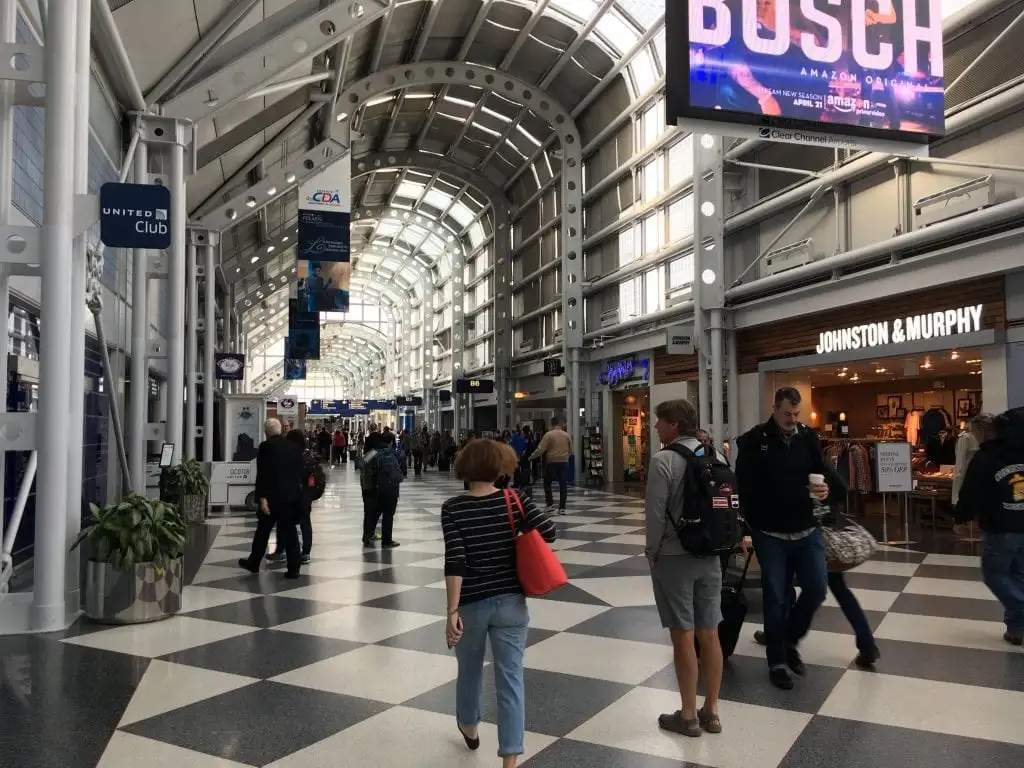
The United States airline industry is currently navigating a complex and volatile economic landscape, characterized by a dramatic surge in jet fuel prices and surprisingly resilient passenger demand. This dual challenge, exacerbated by ongoing geopolitical tensions, formed the core of discussions at the recent JP Morgan Industrials Conference, where leading airline executives outlined their strategies for adapting to the new market realities of March 2026.
Escalating Fuel Crisis Hits Operating Margins
Jet fuel, a cornerstone expense for airlines, typically accounts for 20% to 30% of an airline’s total operating costs. The immediate and significant impact of price fluctuations cannot be overstated. Since February 2026, average jet fuel prices have experienced a staggering increase, nearly doubling and reaching an average of $3.93 per gallon by March 17th, up from approximately $2.50 per gallon just weeks prior on February 27th. This sharp escalation, attributed in part to the ongoing Iran War and broader market instability, presents a formidable financial headwind for carriers.
The crisis is not uniform across all regions. Refinery spreads, which represent the profit margin from refining crude oil into petroleum products like jet fuel, exhibit significant variations. For instance, the West Coast, particularly California, has seen even higher prices due to the closure of two major refineries, constraining local supply. This forces some airlines, such as Alaska Airlines, to seek more economical fueling options as far afield as Asia for their long-haul flights, underscoring the severity and geographic disparity of the cost shock. The industry, still reeling from a "cauldron of bad luck" in March, as one executive noted, referencing previous crises in March 2020 (COVID-19), March 2022 (Ukraine War), and March 2025 (tariff disputes), finds itself once again at the mercy of global events.
Robust Demand Sustains Fare Hikes and Revenue Growth
Despite the escalating fuel costs, the demand for air travel in the U.S. remains remarkably strong across all market segments. Executives reported robust performance in premium and non-premium cabins, as well as in domestic, international, and corporate travel. This unexpected resilience in demand has provided airlines with crucial leverage to mitigate the impact of higher fuel prices through aggressive fare increases.
Delta Air Lines CEO, Ed Bastion, noted that the industry had already implemented two significant fare increases within the preceding three weeks. Scott Kirby, CEO of United Airlines, remarked that this represented the fastest industry response to a cost shock he had ever witnessed, signaling a unified and rapid adaptation strategy. This swift action has been instrumental in offsetting a substantial portion of the additional fuel expenses, preventing a deeper "bottom line crisis" for carriers, despite not fully compensating for the increased costs.
A notable phenomenon discussed was the concept of "pull-forward" demand. Consumers, anticipating further fare hikes due to the pervasive narrative of rising costs, are accelerating their booking decisions. This behavior mirrors historical economic trends seen during periods of high inflation, such as the 1970s, where consumers would purchase goods sooner rather than later to avoid future price increases. While this provides a short-term boost to bookings, it raises questions about the sustainability of demand should economic conditions or consumer confidence falter. For instance, some international carriers, like Cathay Pacific, explicitly pre-announced fuel surcharge increases, inadvertently stimulating immediate bookings from passengers seeking to "beat the surcharge."
Strategic Plays and Balance Sheet Health
The conference provided a platform for individual airlines to detail their specific strategies and assess their financial health in this challenging environment.
Delta’s Refinery: A Unique Hedge
Delta Air Lines’ ownership of the Trainer oil refinery in Philadelphia emerged as a point of particular interest. Acquired over a decade ago, the refinery’s original motivation was to secure jet fuel supplies in the critical Northeast market and maximize jet fuel output from a facility slated for closure. While the refinery’s output represents only a small fraction of Delta’s global fuel consumption, it offers a strategic advantage. In times of high refining margins (known as the "crack spread"), such as the current period, the refinery can be highly profitable, providing a partial hedge against rising jet fuel costs. CEO Ed Bastion confirmed its helpful role, albeit acknowledging its limited capacity relative to the airline’s overall needs.
O’Hare Turf War: American vs. United
The competitive landscape at Chicago O’Hare International Airport became a flashpoint, with a heated "turf war" between American Airlines and United Airlines. United’s CEO, Scott Kirby, accused American of operating irresponsibly, alleging significant financial losses for American in Chicago. American Airlines CEO, Robert Isom, vehemently defended his airline’s strategy, stating that their capacity deployment was a legitimate rebuilding effort, not a predatory move. Isom unequivocally declared American’s long-term commitment to Chicago, referencing a century of operations and asserting, "American is not leaving Chicago, no matter what anyone says." Amidst this rivalry, Southwest Airlines, a smaller player at O’Hare, announced its strategic withdrawal from the airport to consolidate operations at its traditional stronghold, Chicago Midway, potentially altering the competitive dynamics at O’Hare.
American Airlines’ Financial Standing
Despite the O’Hare challenge and general industry headwinds, American Airlines reported an improved financial position. The airline highlighted that its debt had reached a 10-year low, attributing this to positive cash flow over recent years that enabled significant debt reduction. Furthermore, American underscored its ability to leverage its substantial asset base, including aircraft, as collateral for future financing should prolonged high fuel prices necessitate it. This indicates a stronger financial footing for American compared to previous crises, dispelling concerns of impending bankruptcy that plagued the industry in the mid-2000s.
Diversified Revenue Streams: A New Industry Resilience
A key takeaway from the conference was the industry’s enhanced resilience, partly due to diversified revenue streams developed over recent years. Airlines have cultivated multiple "weapons" to combat cost shocks. Loyalty programs, for instance, generate substantial revenue independently of flight operations. Delta boasts a robust maintenance arm, providing lucrative third-party services. Southwest has introduced new ancillary fees, such as baggage charges, while JetBlue has expanded its premium cabin offerings. These additional revenue streams provide crucial buffers, allowing carriers to better absorb increased operating costs compared to previous fuel crises, such as those in 2010-2012 when oil prices consistently exceeded $100 per barrel.
Evolving Competitive Dynamics: The End of "Trading Down"?
The current fuel crisis also highlights a significant shift in competitive strategies, particularly between legacy carriers and ultra-low-cost carriers (ULCCs). In past periods of economic strain and high energy prices, ULCCs like the "old Spirit" or "old Frontier" often capitalized on consumers "trading down" to cheaper fares, viewing it as an opportunity to expand market share through aggressive discounting.
However, executives from major network carriers indicated that this dynamic has changed. Airlines like United and Delta have aggressively introduced "basic economy" fares and configured their large narrow-body aircraft with numerous low-marginal-cost seats in the economy cabin. This allows them to effectively price-match ULCCs, eroding the budget carriers’ historical advantage during downturns. The increased aggression in price matching from the "big guys" means that ULCCs are no longer in as strong a position to exclusively capture demand from price-sensitive consumers, marking a distinct characteristic of the current competitive environment compared to previous fuel shocks.
Broader Economic Implications and Industry Outlook
While the immediate focus remains on managing fuel costs and leveraging demand, a more profound concern for airline executives is the potential for sustained high energy prices to trigger a broader economic downturn. The greatest fear is that expensive fuel will ultimately "break the US consumer," leading to a recession or an even more severe economic contraction. The 2008 financial crisis, where a run-up in oil prices to nearly $150 a barrel was seen as a trigger for widespread consumer financial distress and subsequent market collapse, serves as a cautionary tale. The question remains at what point, or after how long, current fuel price levels might trigger such a systemic impact.
Adding to the complexity, the first quarter of 2026 has been marked by significant weather disruptions across the US. These events have led to reduced available seat miles (ASM), increasing unit costs for airlines. Concurrently, they have also contributed to higher unit revenues, as constrained capacity meets strong demand. Some carriers, like JetBlue, have even revised their Wall Street guidance upwards for unit revenues, reflecting this dynamic.
Underlying economic factors also play a role. Despite some areas of economic weakness, the ongoing "epic capital spending cycle" driven by investments in AI and data centers is filtering significant capital throughout the economy. This, in turn, fuels demand for premium business travel, benefiting airlines whose passenger base includes consultants, bankers, and other professionals involved in these high-value sectors.
Ultimately, the airline industry, accustomed to inherent volatility, continues to demonstrate remarkable agility. As Andrew Nocella, Chief Commercial Officer at United, noted, "If it’s not one thing, it’s another… we’re always prepared to be agile." While the industry has developed robust mechanisms and diversified revenue streams to navigate shocks, its long-term stability remains intrinsically linked to global geopolitical stability and the enduring purchasing power of the consumer. The current challenges represent another test of resilience in an era increasingly defined by rapid, multifaceted disruptions.


 Chandra Hamzah
 Susilo Edi Turonggo
 Tatiana Tantri Indah Sari
 Hendra Ismail
 Walid Sujud Trenggono