Tatiana Tantri Indah Sari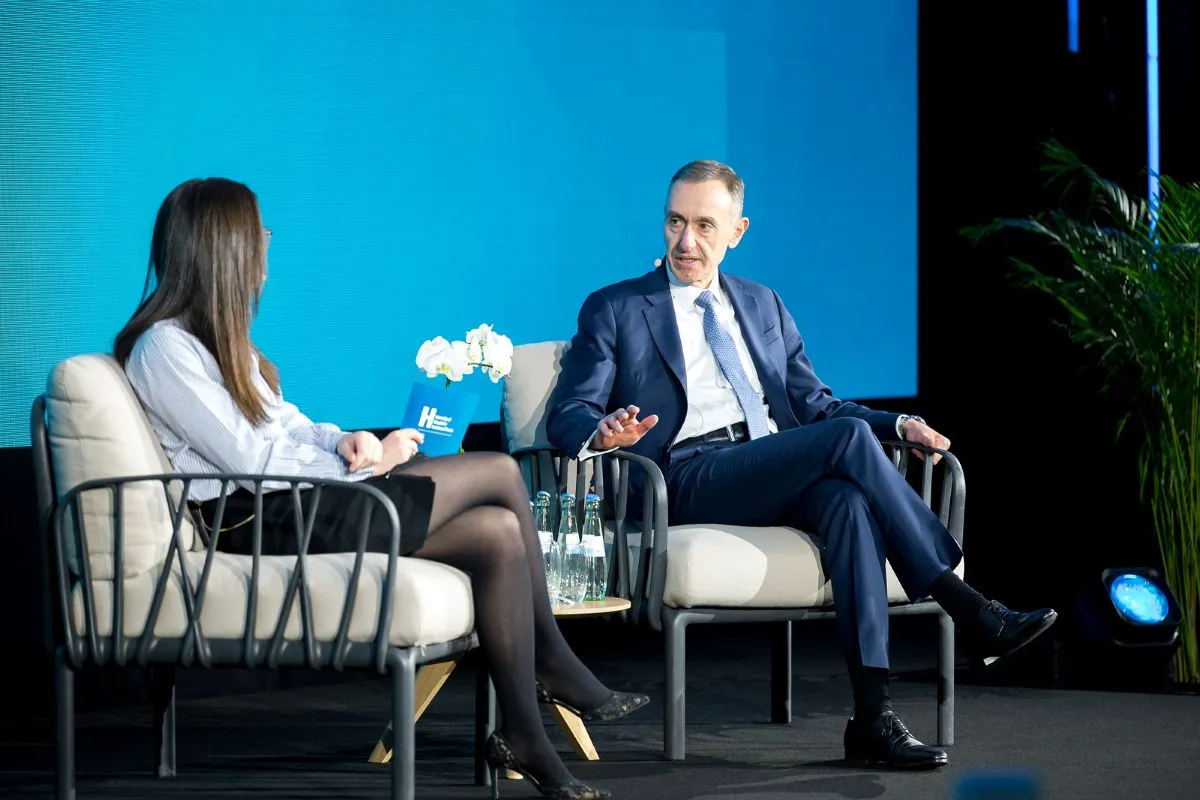
The global hospitality sector must acclimate to a persistent state of uncertainty, a sentiment forcefully articulated by IHG CEO Elie Maalouf at the International Hotel Investment Forum (IHIF) in Berlin. Maalouf underscored that while the specific origins of disruption may shift annually, the overarching impact on hotel operators necessitates a consistent strategy centered on scale, segment breadth, and geographical diversification to maintain stability amidst chaos. His remarks posited that the era of predictable market conditions has concluded, replaced by a dynamic environment where adaptability and robust operational frameworks are paramount for success.
The New Normal: Volatility as a Constant
Addressing a gathering of leading industry executives, investors, and analysts at one of Europe’s most significant hotel investment conferences, Maalouf declared, "Uncertainty is the only certainty we have. Every year, I am unsure what the uncertainty will be, but it happens." This statement encapsulates a prevailing sentiment across various industries, yet it carries particular weight for hospitality, a sector intrinsically linked to global travel, economic stability, and consumer confidence. Maalouf elaborated on the diverse nature of recent disruptions, citing "Last year it was tariffs, this year, conflict in the Middle East," as examples of the varied external pressures that can rapidly reshape market dynamics. His core message was clear: large, diversified hotel groups are uniquely positioned to navigate and even benefit from this inherent volatility, provided that underlying travel demand remains robust. This strategy hinges on the ability to absorb localized shocks, pivot operations, and leverage a broad portfolio to capture demand across different segments and geographies.
IHIF Berlin: A Forum for Strategic Dialogue
The International Hotel Investment Forum (IHIF), typically held in Berlin each March, serves as a critical annual platform for senior leaders in the European and global hotel investment community. It brings together over 2,000 attendees, including CEOs, investors, developers, and financial institutions, to discuss market trends, investment opportunities, and strategic challenges facing the industry. The forum’s agenda consistently reflects the most pressing issues of the time, from geopolitical risks and economic shifts to technological advancements and sustainability imperatives. Maalouf’s keynote address was particularly timely, given the complex interplay of macroeconomic headwinds, ongoing geopolitical tensions, and evolving traveler behaviors that characterized the period. His perspective offered a strategic blueprint for endurance, framing uncertainty not as a threat to be eliminated, but as a fundamental condition to be managed through structural resilience. The discussions at IHIF frequently revolve around capital allocation, development pipelines, and the long-term outlook for various hotel segments, making Maalouf’s insights into navigating perpetual flux highly relevant for attendees focused on sustainable growth and investment returns.
A Decade of Disruptions: A Chronology of Uncertainty
Maalouf’s observation about the shifting nature of uncertainty is supported by a clear chronology of global events that have impacted the travel and tourism sector over the past decade. Each crisis, while distinct, has tested the resilience and adaptability of the industry:
- 2018-2019: Global Trade Tensions (Tariffs): The escalating trade dispute between the United States and China, characterized by reciprocal tariffs on a wide range of goods, introduced significant economic uncertainty. While not directly targeting tourism, the trade war dampened global economic growth forecasts, impacted business travel sentiment, and created hesitancy in corporate investment, indirectly affecting hotel demand, particularly in key business hubs and luxury segments. Supply chain disruptions also began to emerge as a concern for hotel developers and operators.
- 2020-2021: The COVID-19 Pandemic: This period represented an unprecedented global shutdown of travel and tourism. Borders closed, flights were grounded, and hotels faced widespread closures or operated at minimal occupancy, often serving essential workers or quarantine needs. The pandemic forced an immediate and drastic re-evaluation of business models, leading to significant layoffs, liquidity crises, and a scramble for government support. The recovery phase, marked by vaccine rollouts and phased reopenings, highlighted the importance of domestic travel and the rapid rebound of leisure demand once restrictions eased.
- 2022: Russia-Ukraine War and Energy Crisis: The invasion of Ukraine by Russia in February 2022 triggered a new wave of geopolitical instability, sanctions, and a significant energy crisis, particularly in Europe. This led to soaring inflation, increased operational costs for hotels (energy, food, labor), and dampened consumer confidence in some markets. Travel patterns shifted, with some regions experiencing reduced inbound tourism due to perceived proximity to conflict or economic pressures on potential travelers. The war also exacerbated existing supply chain issues.
- 2023-Present: Middle East Conflicts and Persistent Inflation: The escalation of conflict in the Middle East introduced fresh geopolitical anxieties, impacting travel to and from the region and potentially affecting broader international travel sentiment. This coincided with persistent global inflation, leading central banks to maintain higher interest rates, which increased borrowing costs for hotel development and acquisitions. The combination of these factors created a complex economic landscape where consumer spending power was tested, and investment decisions became more cautious.
Each of these events, while varying in scope and immediate impact, consistently underscored the vulnerability of the hospitality sector to external shocks. However, they also revealed the inherent resilience of travel demand and the strategic advantages held by well-diversified entities.
The Strategic Pillars of Resilience: Scale, Breadth, and Diversification
Maalouf’s emphasis on scale, segment breadth, and geographic diversification is not merely theoretical; it reflects proven strategies that allow major hotel groups like IHG to weather economic storms and geopolitical upheavals.
- The Power of a Global Footprint: A large global portfolio, encompassing thousands of hotels across numerous countries, provides an intrinsic buffer against localized downturns. If one region experiences a drop in demand due to political instability, natural disaster, or economic recession, other regions can often compensate, mitigating the overall impact on the company’s performance. For instance, during periods when certain international travel corridors are disrupted, a strong presence in domestic markets or less affected regions can maintain revenue streams. IHG, with its extensive network spanning over 100 countries and territories, exemplifies this advantage, allowing it to reallocate resources and focus marketing efforts where demand remains strongest. This global reach also enables better data collection and trend analysis, informing more agile strategic decisions.
- Segmented Offerings for Diverse Demand: Operating a diverse portfolio of brands across luxury, upscale, midscale, and economy segments allows a hotel group to cater to a broad spectrum of travelers with varying needs and budgets. In times of economic constraint, demand might shift from luxury properties to more value-oriented brands, or from international business travel to domestic leisure. IHG’s portfolio, which includes brands like Six Senses, InterContinental, Kimpton, Crowne Plaza, Holiday Inn, and avid hotels, ensures that it can capture demand regardless of market conditions. For example, during a recession, while luxury business travel might decline, budget-conscious leisure travel or essential worker accommodation could see increased demand, which brands like Holiday Inn Express or avid hotels are well-positioned to meet. This breadth acts as a natural hedge against specific market segment vulnerabilities.
- The Asset-Light Advantage and Loyalty Ecosystems: Many leading hotel groups, including IHG, largely operate on an "asset-light" model, focusing on franchising and management contracts rather than direct ownership of properties. This strategy significantly reduces capital expenditure and financial risk, making the company more agile and resilient during downturns. Instead of being burdened by property values and maintenance costs, the focus remains on brand management, distribution, and guest experience. This model generates more predictable fee-based revenues. Complementing this, robust loyalty programs, such as IHG One Rewards, are crucial. These programs foster direct bookings, reduce reliance on third-party intermediaries, and build a stable base of repeat customers. A loyal customer base tends to be less price-sensitive and more resilient in their travel habits, providing a consistent demand channel even in uncertain times. The data gathered from loyalty programs also offers invaluable insights into traveler preferences and behaviors, enabling more targeted marketing and personalized service.
Industry Responses and Future Outlook
The constant state of flux has prompted the hospitality industry to adopt several key strategies and adaptations beyond just portfolio diversification:
- Technological Integration and Operational Agility: The pandemic accelerated the adoption of technology across the industry. Contactless check-in, mobile room keys, AI-driven dynamic pricing, and advanced data analytics for demand forecasting have become standard. These technologies not only enhance guest experience but also allow hotels to operate more efficiently, reduce labor costs, and respond rapidly to shifts in demand or operational challenges. For instance, AI algorithms can quickly adjust room rates based on real-time market conditions, competitor pricing, and booking pace, optimizing revenue in volatile environments.
- Investor Confidence in Proven Models: Despite the pervasive uncertainty, institutional investors continue to view the hospitality sector, particularly well-managed and diversified portfolios, as an attractive long-term investment. The demonstrated resilience of major hotel groups, their ability to generate consistent fee-based income, and the inherent demand for travel (which tends to rebound strongly after crises) contribute to this confidence. Investors are increasingly prioritizing operators with strong balance sheets, diversified revenue streams, and a clear strategy for navigating future disruptions. There’s a particular appetite for brands that demonstrate strong environmental, social, and governance (ESG) commitments, aligning with evolving investor mandates.
- Broader Economic Implications for Travel and Tourism: The travel and tourism sector is a significant contributor to global GDP and employment. The World Travel & Tourism Council (WTTC) consistently highlights the sector’s economic importance, with pre-pandemic figures often showing it contributing over 10% to global GDP. The sector’s resilience in the face of recent challenges underscores its fundamental role in economic recovery and growth. However, persistent inflation and high interest rates pose challenges to consumer discretionary spending, potentially shifting travel patterns towards shorter trips, domestic destinations, or more budget-friendly options. The industry must continue to adapt its offerings to meet these evolving consumer behaviors. Furthermore, labor shortages remain a critical concern, pushing operators to innovate in recruitment, retention, and automation to maintain service quality.
Concluding Thoughts: Navigating the Perpetual Flux
Elie Maalouf’s remarks at IHIF Berlin serve as a crucial reminder that the hospitality industry operates within an increasingly unpredictable global landscape. The days of linear growth and stable market conditions appear to be firmly in the past. Instead, the "new normal" is characterized by a continuous stream of varied challenges, from geopolitical conflicts and economic headwinds to health crises and supply chain disruptions. For global hotel groups like IHG, the strategic imperative is clear: embrace volatility as a constant, and fortify operations through robust structural advantages. Scale provides geographic shock absorption, segment breadth caters to diverse and shifting demand, and an asset-light model coupled with strong loyalty programs ensures operational agility and a stable revenue base. The industry’s ability to integrate technology, adapt business models, and maintain an unwavering focus on the core value proposition of travel will determine its success in navigating this perpetual flux, ultimately benefiting both operators and the broader global economy that relies on a thriving tourism sector. The overarching message is one of proactive adaptation and strategic resilience, ensuring that the industry not only survives but thrives in an era where the only certainty is change itself.




 Walid Sujud Trenggono
 Budi Mulyono
 Anjar Salim
 Chandra Hamzah