
 Cholid Fahmi Thalib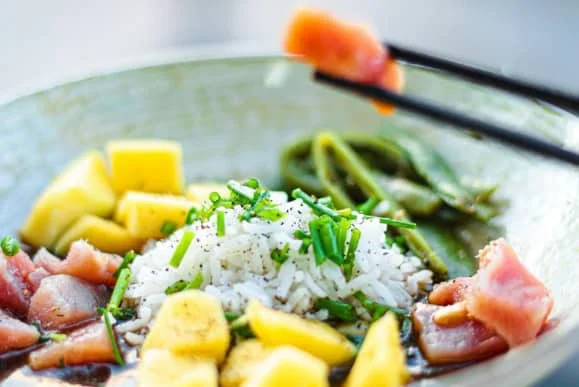
Islands, with their inherent isolation and unique ecological systems, have long captivated the human imagination. Beyond their breathtaking landscapes and distinct cultures, these geographical enclaves often serve as vibrant crucibles for culinary innovation, offering food lovers an unparalleled opportunity to explore local, fresh, and deeply traditional cuisine. From the sun-drenched shores of the Caribbean to the remote reaches of the Pacific, island destinations worldwide present exceptional dining experiences that are intrinsically linked to their cultural heritage and natural abundance. For the discerning foodie flashpacker, these islands represent a compelling frontier, promising memorable meals that celebrate the essence of their origins.
The Culinary Tapestry of the Caribbean: A Fusion of Spice and Sea
The Caribbean archipelago stands as a testament to the power of cultural confluence, where African, Indigenous, and European influences have woven a rich and vibrant culinary tapestry. The distinct flavors found across islands like Jamaica, the Bahamas, and Barbados are a direct reflection of this dynamic history. In Jamaica, the iconic jerk chicken, characterized by its fiery blend of allspice and Scotch bonnet peppers, is a ubiquitous and beloved dish. The Bahamas offer the delicate, yet flavorful, conch fritters, a testament to the island’s abundant marine life. Meanwhile, Barbados presents the hearty and aromatic curry goat, a dish that speaks to the enduring influence of South Asian culinary traditions.
The cornerstone of Caribbean cuisine is its unwavering commitment to fresh, locally sourced ingredients. Seafood, naturally, plays a starring role. Often caught on the very same day it graces the plate, the bounty of the turquoise waters—from succulent lobster and snapper to plump shrimp—is prepared using time-honored island methods. These preparations frequently highlight bold spices and aromatic herbs, creating dishes that are as visually appealing as they are delicious. Destinations such as Jamaica and the Turks and Caicos are particularly renowned for their exceptional seafood, offering a true taste of the ocean. Complementing these oceanic delights are tropical staples like rice and peas, a flavorful combination of rice and legumes, and fried plantains, their natural sweetness enhanced by the frying process. These accompaniments are not mere side dishes but integral components that balance and enhance the overall flavor profile of the meal, embodying the island’s agricultural richness.
The economic impact of such culinary traditions on Caribbean islands is significant. Local fishing communities and agricultural producers form the backbone of the food supply chain, fostering local economies and providing sustainable livelihoods. The tourism sector, in turn, heavily relies on these authentic culinary experiences to attract visitors, creating a virtuous cycle where cultural heritage directly translates into economic prosperity. For instance, the UNESCO Intangible Cultural Heritage designation of the "Culinary Capital of the Caribbean" for the island of Martinique underscores the profound cultural and economic value attributed to its food traditions. This recognition highlights the intricate relationship between culinary practices, cultural identity, and economic development in the region.
Mediterranean Islands: Sun-Drenched Flavors of Southern Europe
Mediterranean islands, including Sicily, Sardinia, and Crete, offer a gastronomic journey defined by the region’s agricultural bounty and the quintessential Mediterranean diet. The cuisine here is characterized by its elegant simplicity, emphasizing the inherent flavors of fresh produce, abundant seafood, and staple ingredients like olives, cheese, and wine. This approach to cooking is deeply rooted in the region’s history, which has seen centuries of cross-cultural exchange, enriching its culinary landscape.
Sicilian cuisine, for example, is a vibrant showcase of local produce, famously featuring dishes like pasta alla Norma. This iconic dish, with its rich tomato sauce, tender local eggplants, and salty ricotta salata, exemplifies the island’s ability to transform simple, high-quality ingredients into extraordinary meals. Sardinia, known for its rugged terrain and pastoral traditions, boasts hearty meat dishes and distinctive pecorino cheeses, reflecting its agricultural heritage. The Greek islands, such as Crete, present a delightful array of mezze platters, inviting diners to explore a variety of small, flavorful dishes. These often include creamy tzatziki, succulent grilled lamb, and an assortment of seasonal vegetables, all prepared with a focus on freshness and authentic flavor.
The Mediterranean diet, recognized by UNESCO as an Intangible Cultural Heritage of Humanity, emphasizes olive oil as the primary source of fat, a high intake of fruits, vegetables, legumes, and whole grains, and moderate consumption of fish and dairy. This dietary pattern is not only celebrated for its deliciousness but also for its significant health benefits, contributing to the longevity and well-being of the populations in these regions. The culinary practices on these islands are therefore intrinsically linked to a lifestyle that prioritizes health, community, and the enjoyment of natural, seasonal foods. The implication is that a visit to these islands is not merely a culinary adventure but an immersion into a time-honored philosophy of eating that nourishes both body and soul.
Southeast Asian Islands: An Aromatic Symphony of Tropical Flavors
Island destinations in Southeast Asia, such as Bali, Phuket, and the Philippines, are celebrated for their dynamic culinary scenes, characterized by an intoxicating blend of tropical flavors and exotic spices. The culinary traditions in this region are a complex fusion, influenced by indigenous ingredients, ancient trade routes, and colonial histories, resulting in dishes that are rich, nuanced, and bursting with vitality.
Bali’s signature dish, Babi Guling (suckling pig), is an absolute must-try for any visitor. This elaborately prepared delicacy, often served with fragrant rice, a complex array of spices, and incredibly crispy skin, is a true culinary masterpiece. Thailand’s islands offer an equally compelling gastronomic landscape, with world-renowned dishes like Pad Thai, a savory stir-fried noodle dish, and Tom Yum, a hot and sour soup that perfectly balances spicy, sour, and savory notes. Fresh seafood curries, infused with creamy coconut milk, aromatic lemongrass, and fiery chilies, showcase the region’s abundant marine resources and its mastery of spice. In the Philippines, adobo, a slow-cooked stew of chicken or pork marinated in vinegar, soy sauce, garlic, and peppercorns, is a national staple, offering a deeply satisfying depth of flavor. Fresh lumpia, delicate spring rolls filled with a medley of savory vegetables and meats, provide a lighter yet equally delicious option.
The economic significance of food tourism in Southeast Asia cannot be overstated. Islands like Phuket and Bali have become global culinary hotspots, drawing millions of tourists each year who are eager to experience their unique flavors. This influx of visitors supports local restaurants, street food vendors, and agricultural producers, contributing substantially to the national economies. Initiatives such as food festivals and culinary tours are actively promoted by tourism boards to further enhance the appeal of these destinations as gastronomic hubs, recognizing food as a primary driver of tourism and cultural exchange. The perceived authenticity and affordability of street food in many of these regions also make them particularly attractive to flashpackers and budget travelers, further diversifying the economic benefits.
The Galapagos Islands: Sustainable Gastronomy in a Pristine Environment
While globally recognized for their unique wildlife and otherworldly landscapes, the Galapagos Islands are increasingly emerging as a destination for exceptional and ethically conscious dining. The islands’ remote location and unwavering commitment to sustainable tourism have fostered a vibrant, eco-conscious food scene where the emphasis is firmly placed on fresh seafood and locally sourced ingredients.
A truly standout experience in the Galapagos involves dining at a restaurant that champions an "ocean-to-table" philosophy. Here, guests can savor impeccably fresh dishes such as succulent lobster, zesty ceviche, and perfectly prepared tuna, all while taking in the breathtaking panoramic views of the Pacific Ocean and the surrounding islands. The Galapagos National Park Directorate and local conservation organizations work collaboratively to ensure that all seafood served is responsibly sourced. This sustainable approach not only guarantees the freshness and quality of the food but also directly supports the vital conservation efforts that preserve the islands’ delicate ecosystems. Dining in the Galapagos is therefore more than just a meal; it is an opportunity to indulge in exquisite local cuisine while actively contributing to the protection of one of the world’s most precious natural heritage sites.
The implication of this sustainable food movement in the Galapagos is profound. It demonstrates a viable model for how tourism and environmental preservation can coexist and mutually reinforce each other. By prioritizing local, sustainable ingredients, the islands are not only offering a superior dining experience but are also reducing their ecological footprint and supporting local communities. This commitment to responsible gastronomy is becoming an increasingly important selling point for environmentally conscious travelers, positioning the Galapagos as a leader in eco-tourism and sustainable culinary practices. The economic model here is one of value over volume, where the unique selling proposition is the pristine environment and the ethical sourcing of its bounty.
Pacific Islands: A Culinary Heritage of Tradition and Innovation
The Pacific Islands, often envisioned as idyllic paradises with pristine beaches and dramatic natural scenery, are also custodians of profound and ancient culinary traditions. Islands such as Fiji, Tahiti, and New Zealand showcase a rich heritage of dishes deeply rooted in local customs and refined over centuries.
In Fiji, Kokoda stands out as a quintessential dish. This refreshing raw fish salad, marinated in citrus juices and finished with creamy coconut milk, offers a perfect interplay of fresh, tangy, and creamy flavors. It is a simple yet exquisite representation of the island’s access to fresh seafood and its embrace of tropical ingredients. New Zealand, while also offering incredible seafood, is particularly renowned for its lamb dishes, often slow-cooked to tender perfection. A truly unique and culturally significant experience is the traditional Māori hangi. This ancient cooking method involves preparing meat and vegetables in an underground oven, where they are slow-cooked for hours over hot stones. The result is a deeply smoky, incredibly tender meal that embodies the spirit of communal feasting and connection to the land.
Across the Pacific, food is more than sustenance; it is a powerful conduit for cultural connection, linking people to the land, the sea, and their shared heritage. The emphasis on local ingredients—fresh seafood, earthy root vegetables, and vibrant tropical fruits—creates a culinary journey that is as immersive as it is delicious. This commitment to using what the islands provide ensures that the food is not only flavorful but also sustainable and deeply representative of the local environment. The economic implications here are about preserving traditional livelihoods, supporting small-scale farmers and fishers, and maintaining a cultural identity that is intrinsically tied to the land and its produce.
Hawaiian Islands: A Vibrant Fusion of Global Influences
Hawaiian cuisine is a captivating mosaic of flavors, a testament to the islands’ history as a crossroads of cultures. Influences from Polynesian voyagers, American settlers, and Asian immigrants have converged to create a food scene that is both eclectic and distinctly Hawaiian. This fusion has given rise to iconic dishes that are beloved by locals and visitors alike.
The ubiquitous poke bowl, featuring cubes of raw, marinated fish—typically tuna—seasoned with soy sauce, sesame oil, and seaweed, has gained international acclaim. It represents the islands’ abundant marine life and a taste for fresh, clean flavors. Loco Moco, a hearty comfort food staple, comprises a bed of rice topped with a hamburger patty, a fried egg, and a generous ladle of savory gravy. It is a dish that embodies the spirit of abundance and satisfies with its rich, umami-laden profile. Hawaiian barbecue, with its tender meats marinated in a characteristic blend of sweet and savory sauces, further highlights the islands’ ability to blend diverse culinary techniques and flavor profiles. Beyond these savory delights, shave ice, a refreshing confection of finely shaved ice doused in colorful fruit syrups, offers a sweet and cooling respite from the tropical heat.
The culinary landscape of Hawaii is a direct reflection of its multicultural society. The intermingling of these diverse traditions has not only enriched the food but has also fostered a unique cultural identity. The "spirit of aloha," a philosophy of love, peace, and compassion, is often said to be infused into the food and the dining experience. This fusion cuisine is a significant draw for tourism, with visitors eager to sample these unique island flavors. The economic impact is substantial, supporting a wide range of food businesses, from small family-run eateries to larger agricultural operations. The ongoing evolution of Hawaiian cuisine, with its embrace of local ingredients and innovative preparations, ensures its continued relevance and appeal in the global culinary arena.
Conclusion: Islands as Global Culinary Destinations
Island destinations worldwide offer some of the most compelling and diverse culinary experiences available. From the bold, spicy notes of the Caribbean to the pristine, sustainable offerings of the Galapagos, and the rich cultural fusions of the Pacific and Southeast Asia, these isolated enclaves provide a unique opportunity to explore the world through its flavors. Whether one is savoring a delicate bowl of ceviche amidst the volcanic landscapes of the Galapagos or enjoying a plate of authentic pasta in the ancient streets of Sicily, island dining is an unforgettable facet of any travel adventure.
These culinary journeys underscore the profound connection between a region’s geography, its history, and its gastronomic identity. The emphasis on fresh, local ingredients, coupled with time-honored cooking techniques and the infusion of diverse cultural influences, results in dishes that are not only delicious but also deeply resonant with the spirit of their origin. As global travel continues to rebound and evolve, the allure of island destinations as culinary hotspots is set to grow, inviting travelers to embark on a flavorful exploration that nourishes both the palate and the soul. For the modern traveler, whether seeking luxury or budget-friendly adventures, incorporating these island food experiences into their itinerary is an essential step towards a truly enriching and memorable journey.



 Chandra Hamzah
 Gabriela Annisa
 Tatiana Tantri Indah Sari
 Hendra Ismail
 Walid Sujud Trenggono
 Budi Mulyono