
 Cholid Fahmi Thalib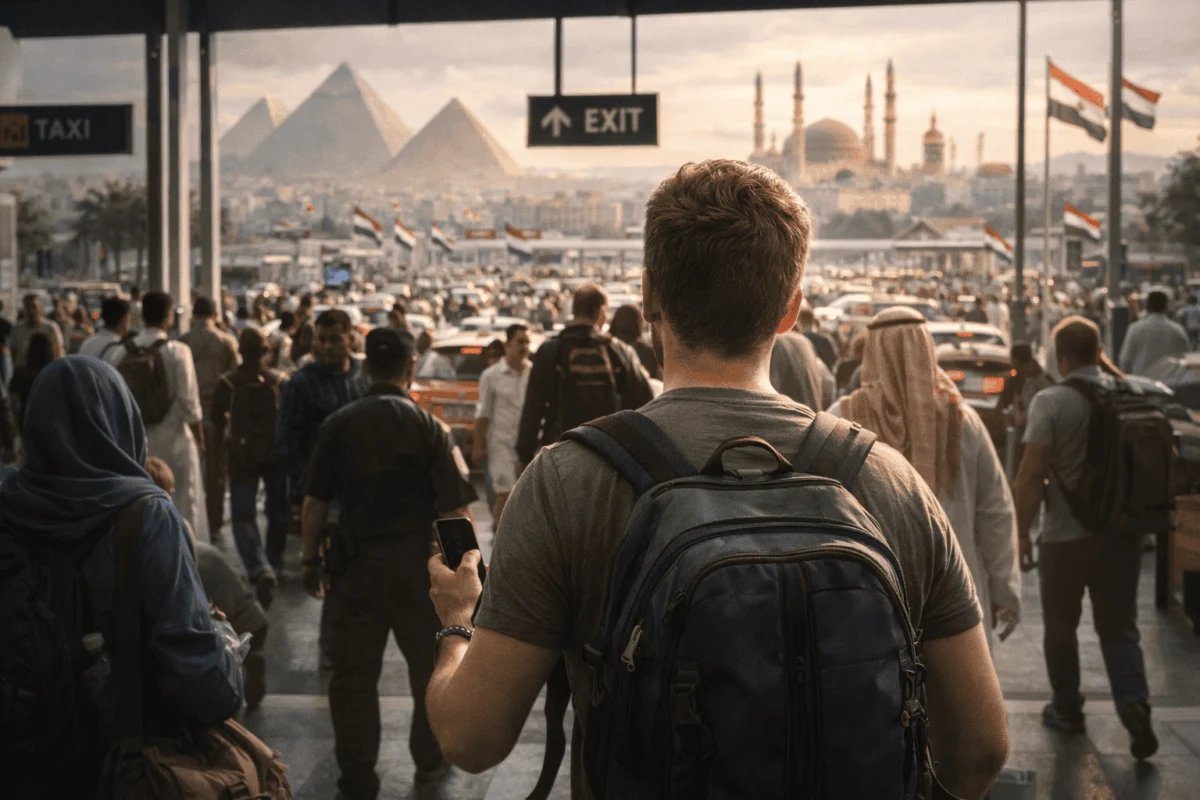
The initial foray into Egypt, a nation firmly rooted in the African continent, is often a complex tapestry woven from apprehension and anticipation. Preconceived notions, frequently shaped by sensationalized media narratives and cautionary tales from well-meaning acquaintances, tend to create a potent cocktail of excitement and anxiety in the minds of first-time visitors. This emotional duality, however, frequently begins to dissipate the moment travelers set foot on Egyptian soil, revealing a reality that diverges significantly from their initial expectations. This exploration delves into the authentic Egyptian experience, moving beyond curated promotional material to address the disorienting moments, the surprising warmth, and the profound impact that leads so many to exclaim, "I didn’t expect this at all."
The Shifting Sands of Expectation: From Perceived Chaos to Adaptable Reality
Upon arrival, many travelers anticipate an environment characterized by intensity, overt chaos, and an underlying sense of intimidation. While certain aspects of Egyptian life can indeed be overwhelming, the perceived threat often proves to be more pronounced in the mind than in tangible experience. The immediate sensory onslaught upon exiting the airport is undeniable. A cacophony of car horns, animated conversations, and music emanating from open windows creates a dense soundscape. The air itself feels palpable, thick with the heat, dust, and ceaseless motion of daily life. This initial immersion can prompt a fleeting doubt, a whisper of regret.
However, a subtle yet significant shift typically occurs. Beneath the apparent disarray, a functional flow emerges. Individuals navigate their surroundings with purpose, and established, albeit unfamiliar, systems are demonstrably in place. A sense of ease gradually begins to replace apprehension. Egypt, in this initial phase, is not actively seeking to deter visitors; rather, it is simply presenting its authentic character. This transition from perceived threat to a more grounded understanding is a crucial element of the first-time Egyptian travel experience.
The Inaugural Day: Embracing the Overstimulation and Adapting
The first day in Egypt can often feel like a disorienting blur, marked by fatigue, sensory overload, and the challenge of assimilating to a fundamentally different pace of life. Even seemingly mundane tasks, such as crossing a busy street, can transform into an exercise in heightened awareness, where traffic regulations appear more as suggestions than strict mandates. The concept of personal space, too, operates on a different cultural wavelength.
Yet, the human capacity for adaptation is remarkable. By the close of the first day, travelers often find themselves reflecting with amusement on their earlier anxieties. Patterns begin to emerge: understanding when to proceed, when to pause, and how to engage with the local transportation system. What initially felt uncomfortable gradually becomes manageable. This initial period of adjustment, while demanding, ultimately paves the way for a burgeoning sense of curiosity.
The Subtle Undercutting of Culture Shock: Unexpected Encounters and Shifting Perspectives
Culture shock in Egypt rarely manifests as a singular, dramatic event. Instead, it tends to reveal itself through a series of small, often unanticipated encounters that gradually recalibrate one’s worldview. Directness in communication is a common observation; conversations with strangers can initiate with ease, encompassing inquiries about origin, destination, and overall impressions of Egypt. While initially perceived as potentially intrusive, this openness often evolves into a recognition of genuine human connection.
The perception of time also undergoes a transformation. Plans are frequently subject to revision, and delays are an accepted part of the daily rhythm. A realization dawns that resistance to this fluidity only breeds frustration, whereas embracing it leads to a more serene experience. Furthermore, unexpected acts of assistance frequently emerge precisely when needed. A local might offer directions to the correct bus, a shopkeeper might provide guidance without any expectation of a transaction, or a family might extend an invitation for tea simply out of hospitality. These instances serve to soften the edges of the unfamiliar, fostering a sense of welcome.
Navigating the Labyrinth: Transportation from Intimidation to Confidence
The intricacies of Egyptian transportation frequently represent a significant concern for first-time visitors. The visual impression of the roads can be chaotic, and the infrastructure may appear dated. While ride-sharing applications are available, their functionality can be inconsistent. The initial phase of navigating this system often involves considerable overthinking, with questions arising about the safety of taxis, the fairness of fares, and the correctness of routes.
However, with time, a sense of confidence gradually takes root. Travelers begin to recognize that the majority of drivers are simply professionals undertaking their daily work. An understanding of approximate costs develops, and the initial panic associated with navigation app rerouting subsides. Many experienced travelers advocate for reviewing firsthand accounts of local transportation practices prior to arrival. Resources such as inside-egypt.com offer practical insights into daily operations, transforming the initial days from a series of educated guesses into a more informed exploration. This proactive approach can significantly mitigate the feeling of being adrift.
Safety in Egypt: Cultivating Awareness Over Cultivating Fear
The question of safety in Egypt is a paramount concern for many. While the experience may differ from that of many Western destinations, this difference does not inherently equate to danger. Tourist areas are typically well-secured, and locals often exhibit a protective disposition towards visitors. Major security incidents, while not non-existent, are generally less prevalent than media portrayals might suggest.
Nevertheless, the application of common sense remains crucial. Situational awareness, avoiding ostentatious displays of wealth, and trusting one’s instincts are fundamental precautions. These are, in essence, the same principles that guide travelers in any unfamiliar environment. What often surprises first-time visitors is the swiftness with which apprehension recedes, replaced by a growing sense of comfort, familiarity, and ultimately, ease.
The Enduring Legacy: Human Connection as the True Monument
While the ancient monuments of Egypt are undeniably awe-inspiring, it is often the interactions with its people that leave the most profound and lasting impression. Conversations unfold organically in taxis, cafes, and queues. The Egyptian people are frequently characterized by their curiosity, their conversational style, and a genuine interest in the experiences of visitors. A palpable sense of pride permeates their discussions about their country, often tempered with an honest acknowledgment of its challenges.
Egyptian hospitality is not a performative act but rather a deeply ingrained aspect of the culture. It manifests in simple gestures: an extra portion of food, a chair offered without request, or a stranger stepping in to assist without expectation of reward. These cumulative moments of genuine human connection are what truly resonate and remain long after the journey concludes.
Beyond the Iconic: The Living Tapestry of Egypt
Witnessing the pyramids for the first time is an experience of profound surrealism. Their sheer scale and antiquity challenge the limits of comprehension. Standing before them evokes a sense of the unreal. However, a common surprise for first-time visitors is how seamlessly these iconic landmarks integrate into the fabric of everyday Egyptian life. Bustling streets run parallel to ancient ruins, children play football in the shadows of millennia-old structures, and modern cafes operate adjacent to temples predating recorded history.
Egypt is not a static relic of the past; it is a dynamic, multifaceted nation where modernity and history coexist. Recognizing this intricate blend transforms the country from a mere postcard image into a tangible, living entity. This realization is pivotal in appreciating the multifaceted nature of the Egyptian experience.
The Emotional Rollercoaster: Navigating Peaks and Valleys
The journey through Egypt can be an emotionally charged undertaking. One moment, a traveler might feel overwhelmed and exhausted, questioning the inherent difficulties of the experience. The next, they might find themselves in a place of profound tranquility and beauty, overwhelmed by a sense of gratitude. This emotional fluctuation often catches first-time visitors off guard. Egypt does not offer a gentle introduction; it demands attention, patience, and at times, a degree of humility.
However, the rewards are commensurate with the challenges. The experience fosters awe, broadens perspectives, and creates a wealth of stories that will be recounted for years to come. The emotional intensity, while demanding, is an integral part of the transformative power of the Egyptian sojourn.
Common Missteps: The Pitfalls of Over-Control and Comparison
A frequent error made by many first-time travelers to Egypt is an attempt to exert excessive control over the experience. This often translates into over-planning, rigidly scheduled itineraries, and an expectation of punctuality and adherence to plans. Such an approach is often counterproductive.
Egypt thrives on flexibility. It rewards those who leave room for delays, spontaneous detours, and unexpected conversations. The most fulfilling experiences often arise when travelers shift their focus from merely checking off a list of attractions to engaging deeply with their surroundings. Furthermore, attempting to evaluate Egypt through the lens of other travel destinations is an exercise in futility. The country possesses a unique identity that defies direct comparison.
The Unforgettable Verdict: Is Egypt Worth the First-Time Effort?
The ultimate value of a first trip to Egypt hinges on an individual’s travel aspirations. For those who prioritize predictability and seamless execution, Egypt will undoubtedly present a series of challenges. However, for travelers who embrace discomfort, cultivate curiosity, and remain open to experiences that defy neat categorization, Egypt offers an experience of unparalleled memorability.
The inaugural journey is seldom flawless; it is often characterized by confusion, occasional exhaustion, and an indelible richness. A complete understanding of every nuance is not an expectation, nor is it the objective. It is precisely this element of the unknown, this embrace of the incomplete picture, that ensures Egypt leaves an enduring mark.
Egypt does not engage in polite overtures; it meets visitors where they are, with all their complexities, and extends an invitation to perceive the world through a subtly altered lens. The question of whether one would return is often answered implicitly before the flight home has even commenced, a testament to the profound and often unexpected impact of this ancient land.




 Anjar Salim
 Dwi Wanna
 Budi Mulyono
 Lukman Taruna Persada Ramadan
 Chandra Hamzah
 Gabriela Annisa