
 Tatiana Tantri Indah Sari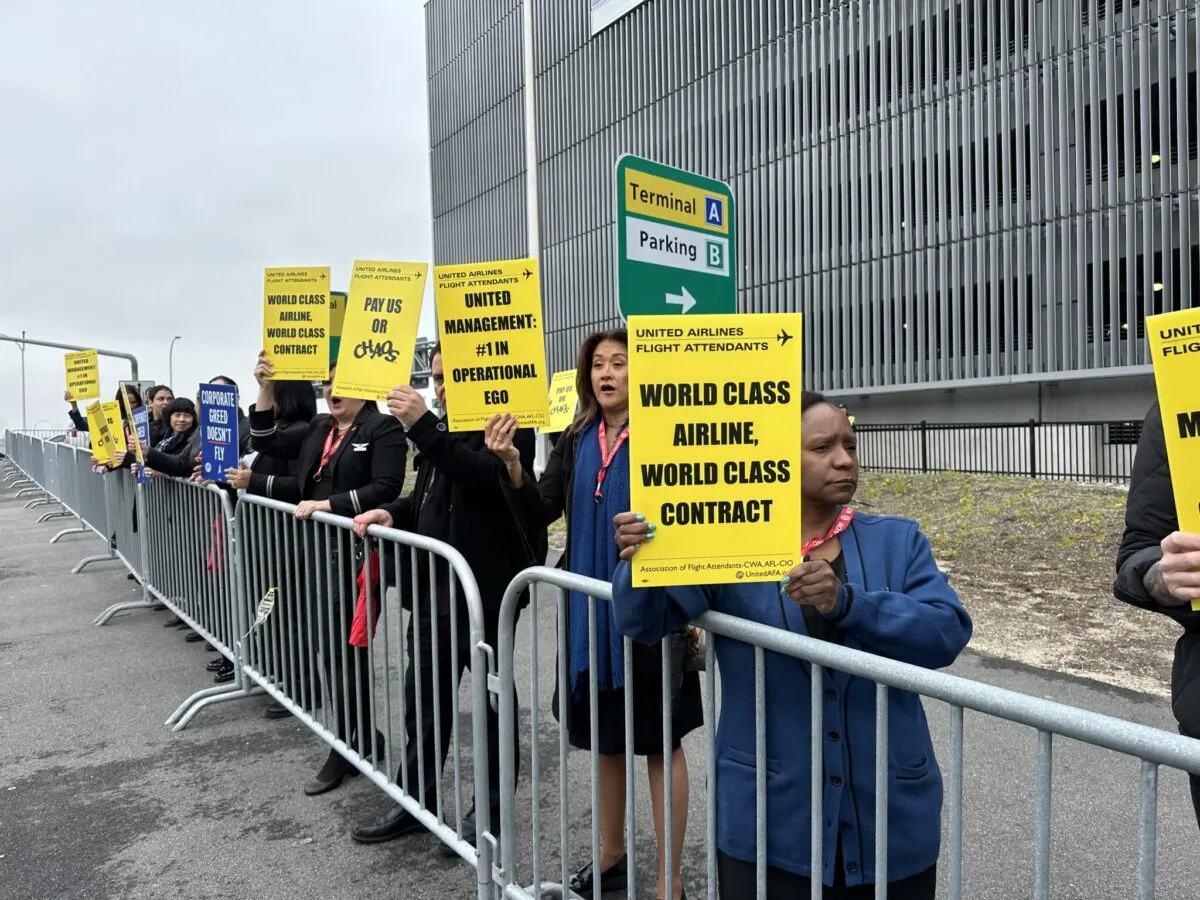
United Airlines announced on Wednesday, March 26th, 2026, that it has reached a new tentative agreement with the Association of Flight Attendants-CWA (AFA), the union representing its approximately 26,000 flight attendants. This landmark agreement, if ratified by the union membership, would provide United flight attendants with their first significant pay raises in roughly six years, immediately upon ratification, and aims to elevate top wage rates to $100 per hour by the contract’s conclusion. The proposed deal marks a critical turning point in what has been a prolonged and often contentious negotiation process, promising to bring much-needed labor peace to one of the nation’s largest carriers and setting a new benchmark for compensation within the airline industry.
Details of the Proposed Agreement
While specific details of the comprehensive agreement are still being finalized and prepared for presentation to the union’s rank and file, the core components highlighted by both United and AFA leadership revolve around substantial improvements in compensation. The immediate raises upon ratification are designed to address the stagnant wages flight attendants have experienced, particularly against the backdrop of rising inflation and increased workloads. The aspirational target of $100 per hour for top-tier flight attendants by the end of the contract would position United’s cabin crew among the highest paid in the domestic and international aviation sectors, a significant achievement for the union. Beyond direct hourly wages, such agreements typically include enhancements to other critical benefits, such as healthcare, retirement contributions (401k matching, pension plans), and improvements to work rules, scheduling flexibility, and quality-of-life provisions that directly impact flight attendants’ daily routines and overall well-being. These non-monetary elements are often as crucial to union members as the headline wage increases, reflecting demands for better work-life balance and fair treatment. The duration of the new contract, while not explicitly stated in the initial announcement, is expected to be a multi-year agreement, providing stability for both the airline and its employees.
A History of Protracted Negotiations and Labor Tensions
The journey to this tentative agreement has been arduous, stretching back years and marked by significant labor unrest. Negotiations between United Airlines and the AFA have been ongoing since the current contract became amendable in 2016, following the merger of United and Continental Airlines in 2010. The integration of two distinct workforces under a single contract, a process known as "single seniority list integration," itself took years to finalize and often led to complex labor dynamics. For nearly a decade, United flight attendants have operated under an amendable contract, meaning their wages and work rules were largely set by the previous agreement, with minimal adjustments.
The situation was exacerbated by several factors. The initial post-merger integration challenges, combined with management changes and evolving industry landscapes, created a fertile ground for disputes. The COVID-19 pandemic, while bringing unprecedented challenges to the airline industry, also saw flight attendants, deemed essential workers, continue to operate flights, often at personal risk and under immense stress. Many airline employees, including flight attendants, accepted concessionary contracts or voluntary leave programs during the pandemic’s peak to help their airlines survive, with the implicit expectation of significant gains once the industry recovered. As air travel rebounded sharply in 2022 and 2023, reaching and surpassing pre-pandemic levels, flight attendants grew increasingly frustrated by the lack of progress on their contract, especially as their airline reported record profits.
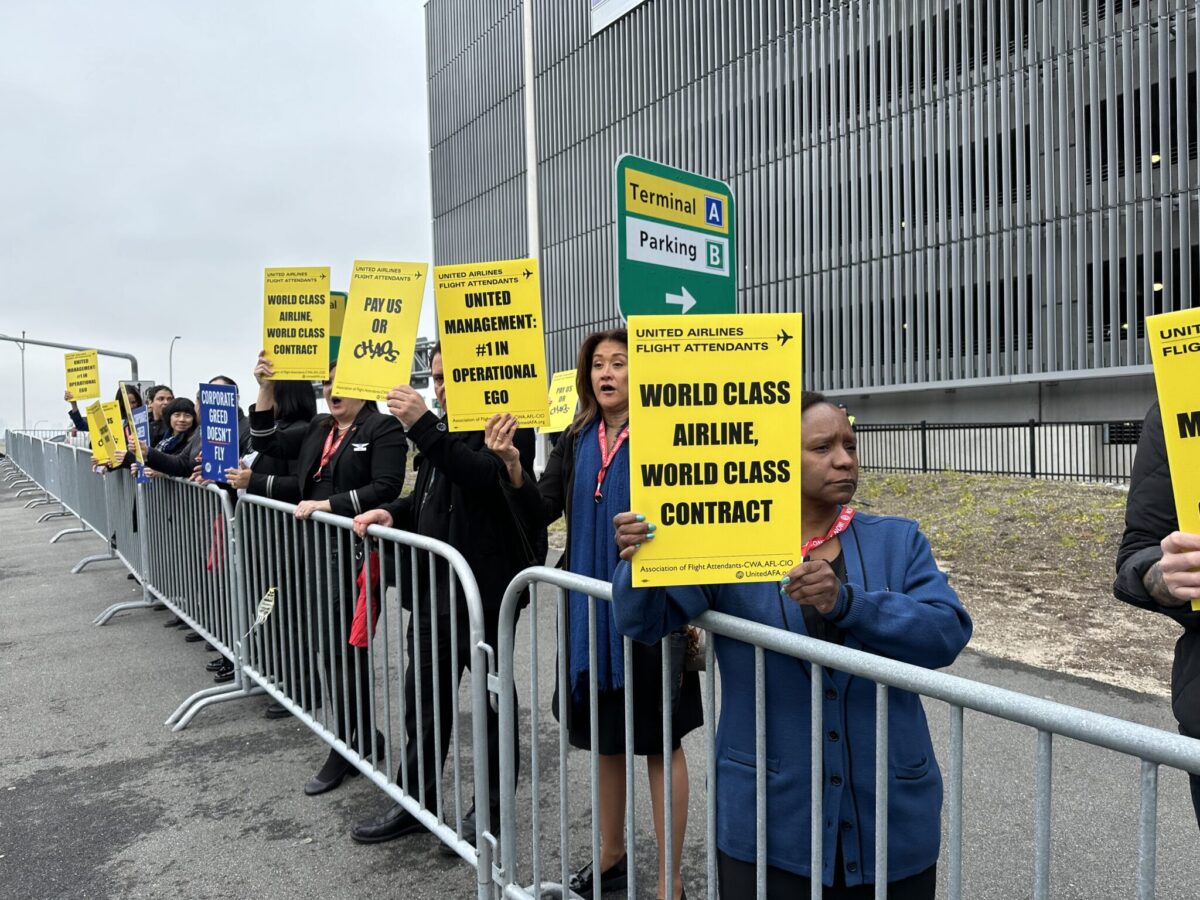
Throughout 2023 and early 2024, the AFA intensified its pressure campaigns. Flight attendants engaged in numerous picketing events at major hubs, including LaGuardia, Chicago O’Hare, Houston Bush Intercontinental, and San Francisco International Airports, to draw public attention to their demands for a fair contract. These demonstrations, often featuring hundreds of uniformed flight attendants, served as a potent visual reminder of the unresolved labor issues. The union also conducted a strike authorization vote, which passed overwhelmingly, granting union leadership the power to call a strike if negotiations failed. While a strike would require release from federal mediation and a 30-day cooling-off period under the Railway Labor Act, the threat alone significantly ratcheted up the pressure on United management.
Perspectives from Leadership and the Workforce
Following the announcement, both United Airlines and AFA leadership released statements reflecting a sense of accomplishment and cautious optimism.
United Airlines CEO Scott Kirby, or a senior executive from the airline’s labor relations department, would likely emphasize the company’s commitment to its employees and its goal of providing industry-leading compensation. A statement could read, "This tentative agreement is a testament to the hard work and dedication of our flight attendants, who are the face of United Airlines. We believe this proposed contract recognizes their invaluable contributions, providing them with competitive wages and benefits that reflect their critical role in our success. Achieving this agreement also underscores our commitment to maintaining a stable and positive work environment, ensuring our ability to deliver an exceptional experience for our customers well into the future." Such statements often highlight the mutual benefits of a resolution, framing it as a win for both employees and the company’s operational stability.
Sara Nelson, International President of the Association of Flight Attendants-CWA, would undoubtedly hail the agreement as a historic victory for United flight attendants. Her likely statement would be, "After years of relentless advocacy and unwavering solidarity, United flight attendants have achieved a tentative agreement that reflects their true value. This contract delivers the immediate and substantial economic gains our members deserve, including top-tier wages that set a new standard in our industry. It is a direct result of their strength, their sacrifice, and their collective action. We urge all United flight attendants to review this agreement carefully and vote to ratify a contract that secures their economic future and recognizes their vital role in aviation." Individual flight attendants, while awaiting the full details, would likely express a mixture of relief, vindication, and hope. Many have voiced sentiments online and during protests about feeling undervalued and falling behind financially. Generic reactions could include, "It’s about time they recognized our worth," or "This gives us hope for a more secure future after so many difficult years."
Comparative Industry Context and Financial Implications
The proposed United agreement is significant not just for its own flight attendants but for the entire airline industry. Labor costs are a major component of airline operating expenses, and a substantial increase at one major carrier often creates a ripple effect, prompting other airlines to consider similar adjustments to remain competitive in attracting and retaining talent.
Currently, Delta Air Lines and American Airlines flight attendants are also in various stages of contract negotiations. Delta’s flight attendants are not unionized, but the airline historically sets a high bar for compensation and benefits to deter unionization efforts, meaning any substantial gains at United could pressure Delta to proactively adjust its pay scales. American Airlines’ flight attendants, represented by the Association of Professional Flight Attendants (APFA), have also been pushing for significant raises and have conducted their own strike authorization votes. Should United’s agreement be ratified with the reported wage increases, it would likely intensify the demands from APFA at American and potentially other unions at various carriers, creating a "race to the top" for airline labor compensation.
Recent years have already seen unprecedented gains for airline pilots. In 2023, United pilots, represented by the Air Line Pilots Association (ALPA), ratified a new contract that included over $10 billion in pay raises and quality-of-life improvements over four years. Similar lucrative deals were struck by pilots at Delta, American, and Southwest. These pilot agreements set a precedent and fueled the determination of other employee groups, including flight attendants, to secure their own substantial gains.
From a financial perspective, a new, more expensive contract for flight attendants will inevitably impact United Airlines’ operating costs. While the exact financial outlay will depend on the final terms and the number of flight attendants, the cost will likely be in the billions of dollars over the life of the contract. For context, United Airlines reported robust financial performance in 2024 and projected strong growth into 2025 and 2026, driven by sustained demand for air travel, particularly international routes. In its Q4 2024 earnings report, United exceeded analyst expectations, posting significant profits and revenue. This financial strength provides the airline with the capacity to absorb higher labor costs. Industry analysts will closely scrutinize the long-term impact on United’s profit margins and its ability to maintain competitive fares while absorbing these increased expenses. Some analysts might suggest that these higher labor costs could translate into slightly higher ticket prices for consumers in the long run, as airlines seek to offset their increased operating expenses. However, the benefits of labor peace, including reduced risk of strikes, improved employee morale, and enhanced operational reliability, are often seen as a worthwhile trade-off for airlines.
The Ratification Process and Future Outlook
The announcement of a tentative agreement is a critical step, but it is not the final one. The proposed contract must now be presented to the entire United flight attendant membership for a ratification vote. The AFA leadership will schedule informational meetings, provide detailed summaries of the agreement, and actively campaign for a "yes" vote. The voting process typically takes several weeks, allowing all members ample time to review the terms and cast their ballots.
The history of airline labor negotiations shows that ratification is not always a guaranteed outcome. There have been instances, both at United and other airlines, where tentative agreements endorsed by union leadership have been rejected by the rank and file, often because members felt the terms did not go far enough or failed to address specific pain points. In such cases, negotiations must resume, often leading to further delays and increased tensions. Given the prolonged nature of these negotiations and the high expectations among flight attendants, AFA leadership will need to clearly articulate how this agreement addresses their key demands and represents a significant improvement over the status quo.
Should the agreement be ratified, it would usher in a new era of labor stability for United Airlines, at least concerning its flight attendant workforce. This stability is crucial for an airline striving for operational excellence and consistent customer service. Freed from the immediate threat of labor disruptions, United can focus on its growth strategies, fleet modernization, and network expansion. For the flight attendants, ratification would bring much-anticipated financial relief and a sense of recognition for their hard work and perseverance. It would also potentially empower them with stronger leverage in future negotiations, having demonstrated their collective power.
The broader implications for the airline industry are significant. This agreement reinforces the trend of airline labor groups successfully demanding substantial compensation increases in a strong demand environment. It highlights the shifting power dynamics where, after years of concessions and economic uncertainty, employees are now able to command a larger share of the industry’s record profits. This will likely continue to shape labor relations across the sector, with other airlines facing similar pressures to meet or exceed these new compensation benchmarks to avoid their own labor disputes and remain competitive in the tight labor market. The path ahead for United Airlines and its flight attendants appears to be one of renewed partnership, poised to navigate the complexities of global air travel with a newly solidified foundation of mutual respect and fair compensation.



 Anjar Salim
 Dwi Wanna
 Chandra Hamzah
 Gabriela Annisa
 Walid Sujud Trenggono