
 Tatiana Tantri Indah Sari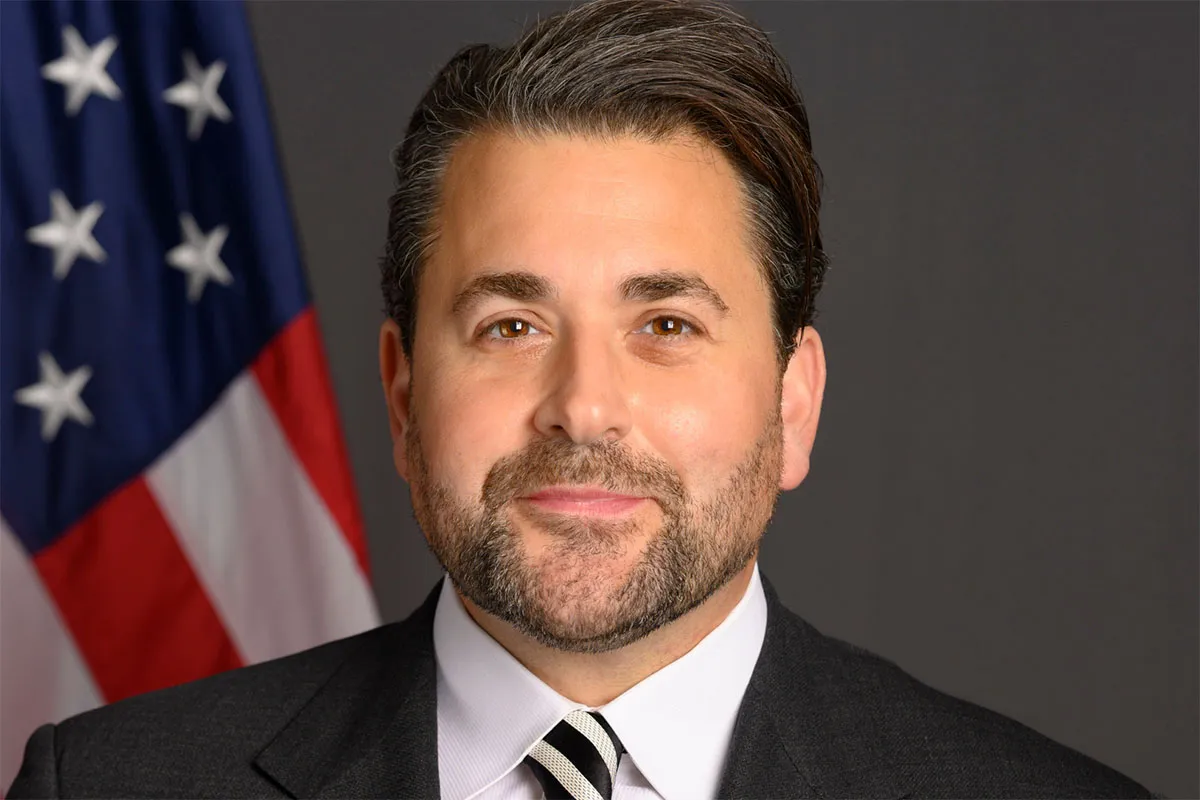
The Trump administration has officially appointed Nick Adams, an Australian-born author and self-proclaimed "alpha male" known for his "America First" rhetoric and controversial statements, as the Special Presidential Envoy for American Tourism, Exceptionalism and Values. The U.S. State Department updated Adams’ official biography on March 17, 2026, confirming his new role, which is effective immediately. This appointment arrives at a critical juncture as the United States gears up to celebrate its 250th anniversary of independence, a period expected to draw significant international attention and tourism.
The announcement has already sparked considerable debate among tourism industry leaders, cultural exchange advocates, and diplomatic experts. Critics point to Adams’ past public comments, particularly those concerning Islam and his broader "America First" ideology, as potentially counterproductive to the role’s traditional mandate of fostering cross-cultural understanding and welcoming international visitors. Conversely, proponents within the administration emphasize Adams’ alignment with the President’s vision, portraying him as a staunch patriot poised to champion American values on the global stage.
The Appointment and Official Stance
The official confirmation from the State Department, dated March 17, 2026, solidified weeks of speculation surrounding Adams’ potential involvement in high-level government initiatives. While the full scope of his responsibilities is yet to be detailed, the title itself – Special Presidential Envoy for American Tourism, Exceptionalism and Values – signals a broadened mandate beyond mere visitor promotion. This suggests a strategic pivot towards integrating cultural diplomacy with a distinct ideological framing under the current administration.
A statement released by the White House, partially quoted in internal communications, affirmed the administration’s confidence in Adams. "Nick Adams is an America First patriot who will represent our country well as we celebrate our Nation’s 250th anniversary of independence, and we look forward to his robust efforts in showcasing the enduring strength and unique character of the United States to the world," the statement read, underscoring the administration’s belief that Adams’ brand of patriotism is precisely what is needed to promote the nation abroad. This framing aligns with a broader governmental approach that often prioritizes national identity and perceived strength in its international engagements.
The role of a Special Envoy, typically a high-ranking diplomat appointed for specific, often temporary, missions, grants considerable latitude and direct access to the President. While previous tourism envoys have focused on economic development, visa facilitation, and cultural exchange, Adams’ expanded title hints at a mandate that intertwines these traditional functions with the promotion of specific American "values" and "exceptionalism." This could signify a departure from the non-partisan, universally appealing messaging often preferred in international tourism campaigns.
Who is Nick Adams? Background and Controversies
Nick Adams, an Australian immigrant who became a naturalized U.S. citizen, has built a public persona around conservative commentary and self-help literature, often championing what he terms "alpha male" characteristics and an unapologetic "America First" ideology. He gained prominence through his writings and media appearances, frequently advocating for a strong, assertive American identity and critical of what he perceives as globalist agendas or cultural relativism. His books and social media presence consistently reflect these themes, resonating with a segment of the conservative base.
A significant point of contention has been Adams’ history of making controversial statements, particularly those related to Islam. While specific quotes are not publicly detailed by the State Department, his rhetoric has, in the past, been characterized by critics as divisive and at times, Islamophobic. These statements have drawn criticism from civil rights organizations, interfaith groups, and academics specializing in cultural diplomacy, who argue that such views are antithetical to fostering mutual respect and understanding—qualities traditionally considered essential for effective international outreach.
For instance, Adams has often used platforms to criticize what he views as failures of multiculturalism and to promote an unyielding vision of American exceptionalism that, according to detractors, can alienate rather than attract. His public pronouncements have frequently positioned the United States as a singular beacon of freedom, often in contrast to other nations or cultures, which critics argue simplifies complex geopolitical realities and risks offending potential visitors from diverse backgrounds. The "Skift Take" accompanying the original report succinctly captured this tension: "Nick Adams’ public comments go against the vision of tourism as a way to promote cross-cultural understanding — an awkward fit for a job meant to promote the U.S. abroad."
The Traditional Role of a Tourism Envoy
Historically, the role of a U.S. Special Envoy for Tourism has been rooted in pragmatic economic and diplomatic objectives. These envoys typically work to enhance the nation’s image as a welcoming destination, facilitate travel, streamline visa processes, and forge international partnerships that boost the tourism sector. The overarching goal is to increase inbound travel, which translates directly into economic benefits: job creation, increased consumer spending, and foreign exchange earnings.
According to data from the U.S. Travel Association, the travel industry is a significant economic engine, historically supporting millions of jobs and contributing hundreds of billions of dollars to the U.S. economy annually. In 2023, for example, international travel spending contributed an estimated $213 billion to the U.S. economy, supporting over 1.2 million American jobs. The special envoy’s role is crucial in maintaining and growing these figures, particularly in a competitive global tourism market.

Beyond economics, tourism envoys also play a vital role in soft power diplomacy. By promoting cultural exchange and personal interactions between Americans and international visitors, they contribute to a more nuanced understanding of the U.S. abroad, often counteracting negative stereotypes or political tensions. This aspect of the role emphasizes commonalities and shared human experiences, building bridges rather than highlighting differences. Previous envoys have often engaged with international travel organizations, participated in global tourism expos, and led delegations aimed at projecting an image of an open, diverse, and hospitable nation.
The Context of America’s 250th Anniversary
Adams’ appointment is strategically timed to coincide with the lead-up to America’s 250th anniversary of independence in 2026. This quadricentennial milestone, often referred to as "America250," is envisioned as a nationwide commemoration of American history, culture, and achievements. It is expected to be a magnet for both domestic and international tourists, historians, and cultural enthusiasts.
The "America250" commission and various federal and state agencies have been planning events, exhibitions, and initiatives for years, aiming to showcase the nation’s rich heritage, diverse landscapes, and innovative spirit. The expectation is that this anniversary will generate unprecedented interest in U.S. travel, offering a unique opportunity to boost the tourism sector significantly. An envoy with a clear vision and effective outreach strategy could capitalize on this moment to project a powerful and positive image of the United States.
However, the nature of Adams’ public persona and his expanded title raise questions about how the "Exceptionalism and Values" component will be integrated into the broader "America250" messaging. Will it be a unifying celebration of democratic ideals and cultural diversity, or will it lean into a more nationalistic interpretation that might alienate some international audiences? The challenge for Adams will be to harness the celebratory spirit of the anniversary while navigating the complexities of promoting a nation whose image abroad is often multifaceted and subject to political interpretations.
Industry and Expert Reactions
The announcement has elicited a range of reactions from various stakeholders:
- U.S. Travel Association: While refraining from direct criticism of the appointment, industry groups like the U.S. Travel Association have emphasized the critical importance of a welcoming image. "Our priority remains to ensure the U.S. is seen as an open and accessible destination for all international visitors," stated a spokesperson for the association, implicitly highlighting the need for messaging that avoids divisiveness. They reiterated their commitment to working with any administration appointee to achieve the common goal of boosting inbound travel and its economic benefits.
- Cultural Exchange Organizations: Groups focused on international education and cultural exchange expressed concern. "The role of a tourism envoy is to build bridges, not walls," commented a representative from a prominent cultural exchange non-profit. "Statements that are perceived as exclusionary or discriminatory can undermine years of effort in fostering mutual understanding and can deter visitors from diverse backgrounds." They stressed that effective cultural diplomacy requires sensitivity and an appreciation for global perspectives.
- Former Diplomats and Foreign Policy Analysts: Many former State Department officials and foreign policy experts voiced skepticism. Dr. Evelyn Reed, a retired diplomat specializing in public diplomacy, remarked, "The greatest asset in attracting international visitors is our reputation for openness and diversity. An envoy whose past rhetoric suggests a departure from these principles risks damaging our soft power and making the job of attracting tourists significantly harder." She emphasized that international travel decisions are often influenced by a country’s perceived social and political climate.
- Civil Rights and Advocacy Groups: Predictably, civil rights organizations have been vocal in their opposition. "Appointing someone with a documented history of making controversial statements about religious groups sends a deeply troubling message to the world," said a spokesperson for a national advocacy group. "This is not merely about tourism; it’s about projecting American values of inclusion and respect. Such an appointment jeopardizes our standing as a nation that champions diversity."
Diplomatic and Economic Implications
The implications of Adams’ appointment are far-reaching, touching upon both diplomatic relations and the economic health of the U.S. tourism sector.
Diplomatic Impact: At a diplomatic level, the appointment risks undermining the U.S.’s soft power. Soft power, defined as a nation’s ability to influence others through attraction rather than coercion, is significantly enhanced by cultural appeal, political values, and foreign policy. An envoy whose public image is associated with contentious rhetoric could inadvertently send signals of unwelcomeness or cultural insensitivity, potentially leading to a decline in goodwill and making diplomatic efforts in other areas more challenging. Allies and neutral nations alike might view the appointment as a reflection of a less inclusive American posture, complicating broader international engagements.
Economic Impact: Economically, the success of international tourism hinges on perception. If potential visitors perceive the U.S. as unwelcoming or politically charged, they may opt for alternative destinations. While domestic tourism might remain robust, the high-spending international traveler segment is particularly sensitive to global perceptions and ease of entry. Any significant drop in international arrivals due to perceived political or social climate could lead to substantial revenue losses for airlines, hotels, tour operators, and countless small businesses that rely on the tourism economy. For instance, a 1% decline in international visitors could translate into billions of dollars in lost revenue and thousands of jobs.
Furthermore, the "Exceptionalism and Values" component, while intended to inspire, could also be interpreted as exclusionary by some international audiences. In a globalized world where many countries are vying for tourism dollars, a message that is perceived as overly nationalistic might not resonate with the broad spectrum of international travelers who seek diverse experiences and cultural understanding.
Looking Ahead
As Nick Adams steps into his new role, all eyes will be on how he navigates the inherent tension between his established public persona and the traditional requirements of international cultural diplomacy. His effectiveness will be measured not only by the number of visitors the U.S. attracts for its 250th anniversary but also by the image of America he projects to the world. The challenge will be to bridge the gap between promoting "America First" principles and fostering the cross-cultural understanding that is fundamental to successful global tourism. The next few months will reveal whether this controversial appointment can indeed serve the nation’s tourism interests or if it will inadvertently create new hurdles for America’s standing on the global stage.



 Anjar Salim
 Dwi Wanna
 Chandra Hamzah
 Gabriela Annisa
 Walid Sujud Trenggono