
 Gabriela Annisa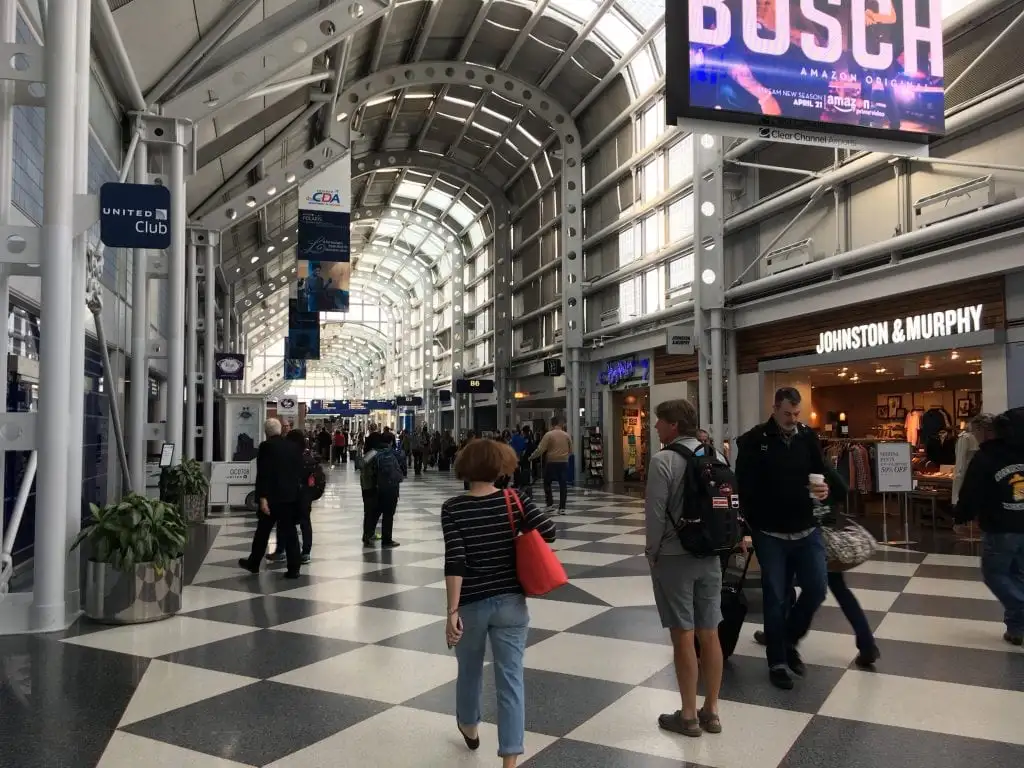
The United States airline industry finds itself in a precarious yet resilient position, grappling with a significant surge in jet fuel prices while simultaneously experiencing surprisingly strong passenger demand. Jet fuel, which typically constitutes 20-30% of an airline’s operating costs, has seen its price nearly double since February, escalating from approximately $2.50 per gallon on February 27th to an average of $3.93 per gallon by March 17th. This dramatic increase has prompted swift and aggressive responses from carriers, including rapid fare hikes, as revealed during the recent JP Morgan Industrials Conference.
The Unfolding Fuel Price Crisis
The current fuel price spike represents a formidable challenge for an industry still navigating a landscape of ongoing geopolitical tensions and economic uncertainty. The period, characterized by some as a "fuel price crisis," echoes past periods of volatility but is distinguished by the industry’s robust demand environment. While the Middle East and wider geopolitical landscape remain volatile, contributing to market jitters, US airline executives have confirmed that passenger and cargo demand across all segments—premium, non-premium, domestic, international, and corporate—remains exceptionally strong. The only noted slight weakness was in the Caribbean market, though demand there was still categorized as "good."
This resilience in demand has empowered airlines to implement rapid fare adjustments. Delta Air Lines, a bellwether for the industry, noted that two major fare increases had already been pushed through within a mere three weeks. Scott Kirby, CEO of United Airlines, characterized this as the fastest the industry has ever responded to a cost shock by raising fares. This aggressive pricing strategy is crucial in offsetting a significant portion of the additional operational expenses incurred from higher fuel costs.
Historical Context and Present Day Resilience
The airline industry has a long history of grappling with external shocks, with March, in particular, being superstitiously cited as a "cauldron of bad luck" by industry veterans, referencing the onset of COVID-19 in March 2020, the Ukraine War in March 2022, and tariff escalations in March 2023. The current "fuel price crisis" in March 2024, exacerbated by heightened geopolitical tensions, including a characterization of the situation as an "Iran War" by some executives, adds to this challenging chronology.
Unlike previous crises, however, US airlines appear to be in a significantly stronger position. The mid-2000s saw numerous airlines driven to bankruptcy by soaring fuel prices, and the 2008 surge to nearly $150 a barrel contributed to a broader financial crisis. Even the 2010-2012 period, with oil prices consistently above $100 a barrel, tested the industry’s mettle. Today, carriers have diversified revenue streams, including lucrative loyalty programs, substantial maintenance arms (as seen with Delta), new ancillary fees (like Southwest’s bag fees), and expanded premium cabin offerings (such as JetBlue’s first class). These "more weapons," as one analyst put it, provide a critical buffer against the current cost pressures.
Furthermore, a significant shift in competitive dynamics is underway. In past fuel shocks, ultra-low-cost carriers (ULCCs) like the "old Spirit" or "old Frontier" would often capitalize on consumer price sensitivity by heavily discounting fares, leading to a "trading down" effect. However, today’s legacy carriers, including United and Delta, have adapted by introducing "basic economy" fares and operating large narrow-body aircraft with high numbers of low-marginal-cost seats. This allows them to aggressively price-match ULCCs, effectively neutralizing the "trade-down" advantage and preventing a widespread race to the bottom on pricing.
Key Takeaways from the JP Morgan Industrials Conference
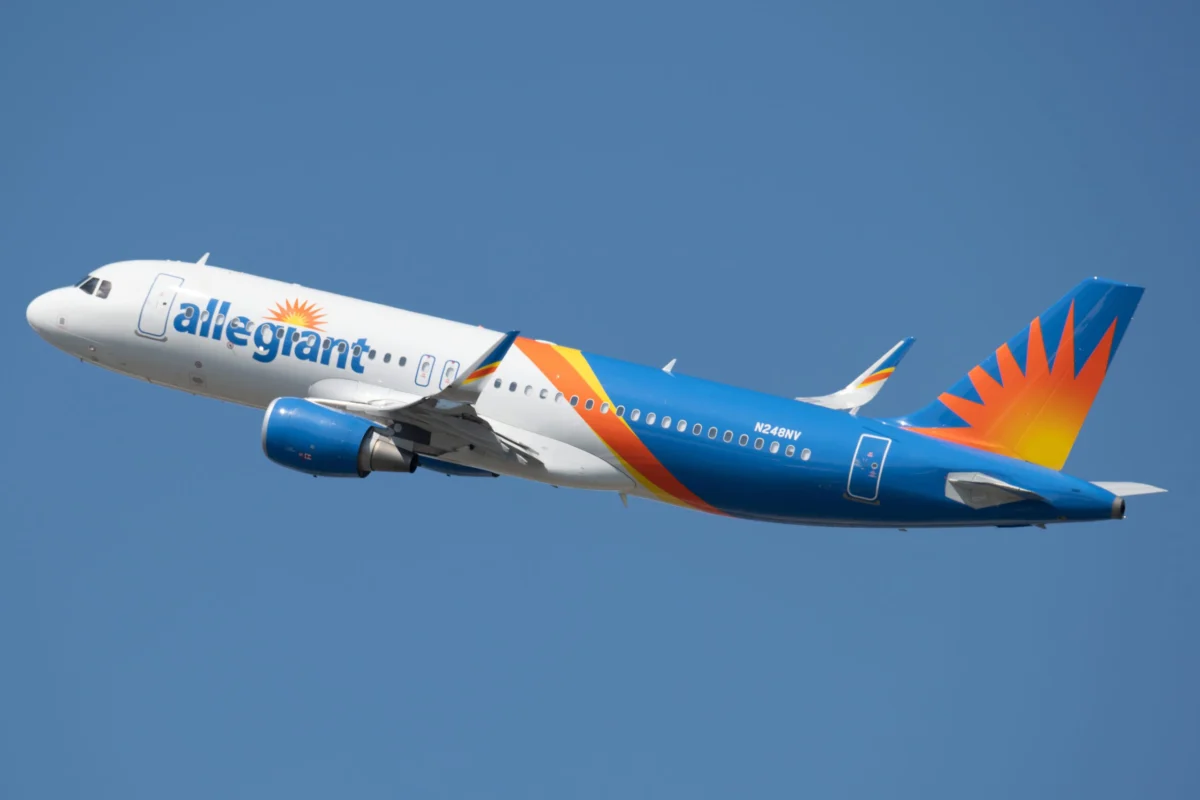
The JP Morgan Industrials Conference serves as a vital platform where C-suite executives from the largest US airlines provide insights into their strategies, financial health, and outlook. Held earlier this week in Washington D.C., the conference featured a roll call of industry giants, including Delta, American, JetBlue, Frontier, Alaska, Air Canada, Southwest, LATAM, United, Aeromexico, and Allegiant.
One of the more contentious topics highlighted was the ongoing "turf war" at Chicago O’Hare International Airport between American Airlines and United Airlines. United’s CEO, Scott Kirby, accused American of "irresponsible" capacity additions and claimed American was losing a billion dollars in Chicago. American Airlines CEO Robert Isom, in turn, vehemently defended his airline’s strategy, stating their capacity was legitimate rebuilding efforts, not predatory, and reaffirmed American’s century-long commitment to the Chicago market. This public spat underscores the intense competition for market share in key hubs.
Delta Air Lines’ unique ownership of an oil refinery in Philadelphia also garnered attention. Purchased over a decade ago to secure jet fuel supplies in the critical Northeast, especially after a local refinery was slated for closure, the facility has historically served to stabilize regional supply and maximize jet fuel production. While the refining business is currently very lucrative due to wide "crack spreads" (the difference between crude oil and refined product prices), Delta CEO Ed Bastion clarified that while the refinery is "helpful," the jet fuel it produces represents only a small fraction of Delta’s global consumption. Thus, while providing some mitigation, it does not fully insulate the airline from the broader market impact of soaring fuel prices.
Economic Implications and Future Outlook
Despite the industry’s current resilience, a prevailing concern among executives is the potential for sustained high fuel prices to "break the US consumer," leading to a broader economic recession. This fear draws parallels to the summer of 2008, when oil prices nearing $150 a barrel contributed to consumer financial distress, ultimately triggering the mortgage-driven financial crisis. Executives are keenly monitoring whether increased costs at the pump and for air travel will diminish discretionary spending, leading to a downturn in company profits and a tightening of credit markets. The exact tipping point—whether it’s six months, a year, or longer of current price levels—remains unknown, adding a layer of uncertainty to long-term forecasts.
However, airlines are not merely passive observers. The first quarter of the year has also seen significant weather disruptions across the US, particularly in January, February, and early March. While these events lead to reduced available seat miles (capacity) and consequently higher unit costs, they also tend to drive up unit revenues due to constrained supply. Several airlines, including JetBlue, have updated their Wall Street guidance, indicating stronger-than-expected unit revenues. This phenomenon, combined with the "pull-forward" effect of bookings (where consumers buy tickets sooner to beat anticipated price increases, similar to historical inflation-era spending patterns), suggests a complex interplay of factors supporting current demand.
The industry, as characterized by Andrew Nocella, Chief Commercial Officer at United, is "getting used to this volatility." Airlines have been forced to become exceptionally agile, adapting to a series of "abnormal numbers of shocks" throughout the 2020s, ranging from geopolitical conflicts and climate change-induced weather disruptions to interest rate volatility. This inherent preparedness for uncertainty positions them to navigate the current challenges more effectively than in previous eras. While the immediate future remains subject to geopolitical shifts and market dynamics, the US airline industry demonstrates a robust capacity to adapt, relying on diversified revenue streams, aggressive pricing strategies, and lessons learned from a history of managing external shocks. The ongoing question is whether this resilience can withstand a potential breaking point for the broader economy.

 Chandra Hamzah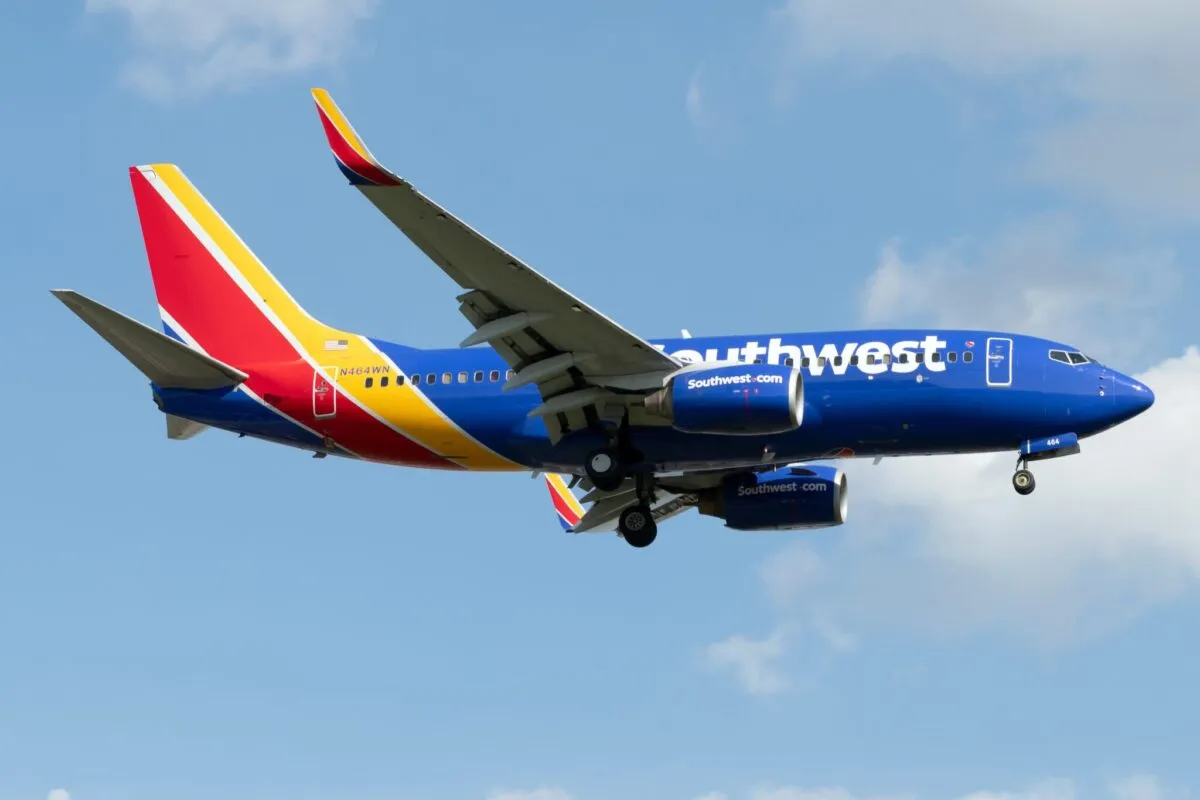
 Tatiana Tantri Indah Sari
 Hendra Ismail
 Walid Sujud Trenggono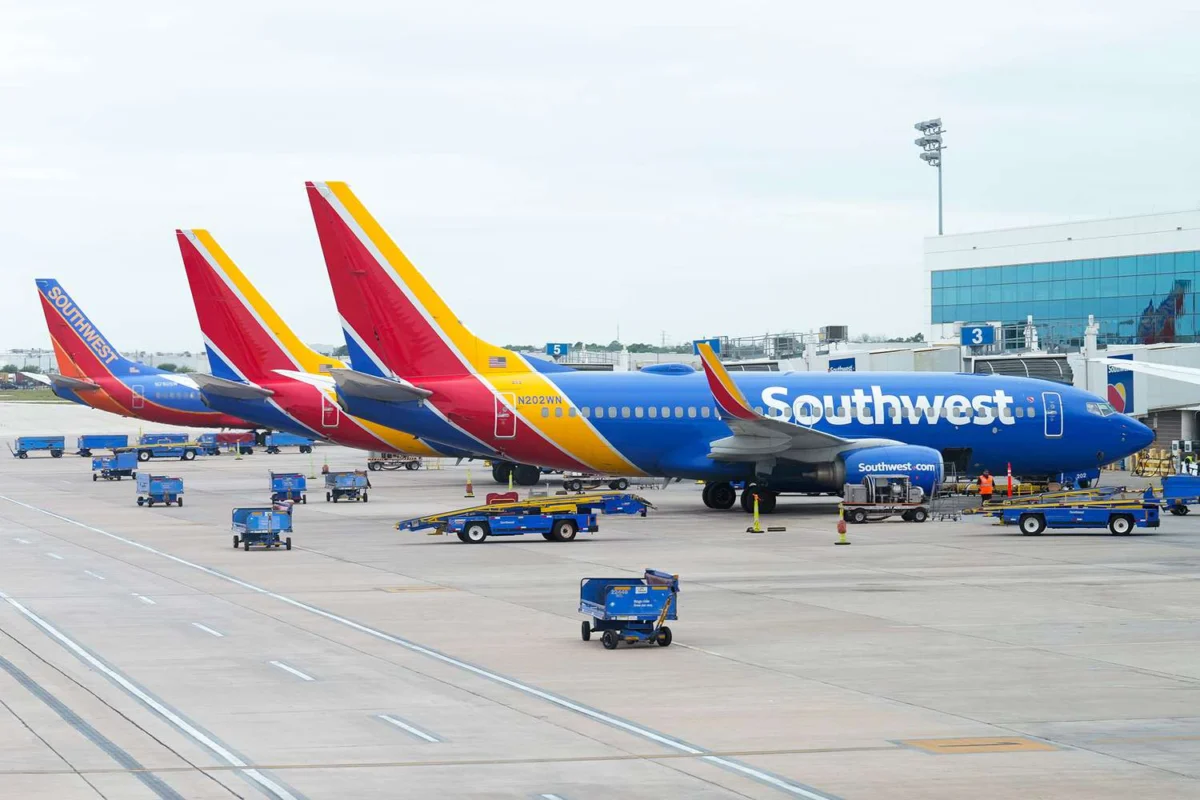
 Budi Mulyono