
 Gabriela Annisa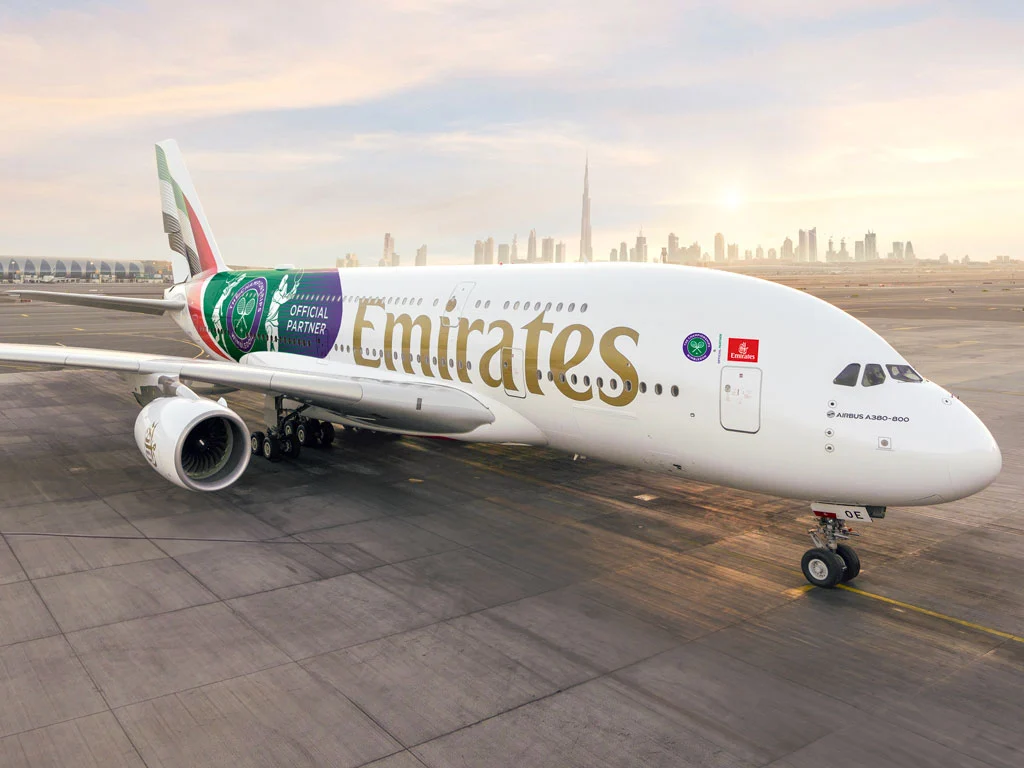
In a tumultuous period marked by severe geopolitical friction in the Middle East and significant shifts in regional aviation dynamics, the global airline industry faces a complex array of challenges, from heightened operational risks to fluctuating market confidence. This analysis delves into the profound ramifications of what has been colloquially termed the "Iran war"—referring to the ongoing regional tensions and proxy conflicts involving Iran—on critical aviation hubs and global flight paths, alongside a detailed examination of the latest financial results from Australia’s two dominant carriers, Qantas and Virgin Australia. The confluence of these factors paints a vivid picture of an industry navigating both immediate threats and long-term strategic adjustments.
The Geopolitical Storm: Aviation Under Threat in the Gulf
The phrase "Iran war" encapsulates a period of escalating regional instability characterized by a series of drone and missile attacks, maritime incidents, and heightened rhetoric that have reverberated across the Arabian Peninsula and the wider Middle East. These tensions have demonstrably impacted the safety and operational viability of one of the world’s most critical aviation corridors. The Persian Gulf region is not merely a transit point but home to some of the planet’s busiest international airlines and mega-hubs, including Dubai International (DXB), Hamad International (DOH), and Abu Dhabi International (AUH). These hubs serve as crucial connectors between East and West, facilitating millions of passenger journeys and vast volumes of cargo annually.
During periods of peak tension, the threat of aerial attack on Gulf hubs became a tangible reality, leading to significant disruptions. For instance, specific drone and missile attacks targeting oil infrastructure and airports in Saudi Arabia and the United Arab Emirates underscored the vulnerability of civilian assets to regional conflict. While no single "world’s busiest international airline" has fully "ground to a halt" in a sustained manner due to these events, the cumulative effect of airspace closures, rerouting mandates, and heightened security alerts has created an environment of operational paralysis and uncertainty. Airlines, especially those based in the Gulf, have had to contend with mandatory rerouting of flights to avoid designated high-risk zones, significantly increasing flight times, fuel consumption, and operational costs. For example, a flight from Europe to Asia might typically traverse Iranian airspace or the northern Persian Gulf. When these areas are deemed unsafe, alternative routes via Saudi Arabia, Egypt, or even further south, add hours to a journey and tens of thousands of dollars in additional fuel for a single wide-body flight.
Chronology of Regional Aviation Disruptions and Responses
The timeline of aviation disruption in the Gulf region is punctuated by several key events:
- Mid-2019: Escalation of tensions following attacks on oil tankers in the Gulf of Oman and the downing of a U.S. drone by Iran. This prompted the U.S. Federal Aviation Administration (FAA) to issue an emergency flight restriction (NOTAM) prohibiting U.S. operators from flying in airspace over the Persian Gulf and Gulf of Oman. Other international aviation authorities, including the European Union Aviation Safety Agency (EASA), followed suit with advisory bulletins.
- September 2019: Drone and missile attacks on Saudi Aramco oil facilities in Abqaiq and Khurais, attributed to Iran by various international bodies. While not directly targeting airports, these attacks demonstrated the sophisticated capabilities of actors within the conflict and raised alarm bells about regional stability, prompting further reassessments of risk for overflights.
- January 2020: The assassination of Iranian General Qasem Soleimani by the U.S. and Iran’s retaliatory missile strikes on U.S. bases in Iraq. This period saw an unprecedented level of airspace closures and diversions. Ukraine International Airlines Flight 752 was tragically shot down near Tehran shortly after takeoff, leading to a global re-evaluation of flying over conflict zones. Numerous airlines, including major European, Asian, and Gulf carriers, immediately announced rerouting of flights to avoid Iranian and Iraqi airspace, impacting hundreds of daily flights.
- Ongoing Houthi Attacks: Persistent drone and missile attacks by Yemen’s Houthi rebels on targets in Saudi Arabia and the UAE, including civilian airports, have further complicated the security landscape. While these attacks are often intercepted, the mere threat necessitates heightened vigilance and dynamic risk assessments for airlines operating into or through these territories.
These events have had multifaceted financial repercussions for global carriers. Beyond the immediate costs of rerouting and increased fuel burn, airlines faced soaring war risk insurance premiums, a significant operational expense that can erode already thin profit margins. Passenger confidence, particularly for travel to or through the affected regions, also took a hit, leading to reduced demand and pressure on ticket prices. Cargo operations, vital for global supply chains, also experienced delays and increased costs due to altered flight paths.
Gulf Hubs: Navigating the Crisis
Airlines like Emirates, Qatar Airways, and Etihad Airways, which are intrinsically linked to the stability and accessibility of the Gulf region, found themselves at the epicenter of these challenges. These carriers, known for their extensive global networks and premium service, rely heavily on connecting traffic. Disruptions to their hub operations or the perception of insecurity can directly impact their core business model. In response, these airlines implemented rigorous safety protocols, invested in advanced threat detection, and worked closely with international aviation bodies to reassess and mitigate risks. They also engaged in complex diplomatic efforts to ensure the continued viability of their operations. While they demonstrated remarkable resilience, the cumulative impact of these geopolitical headwinds undoubtedly strained their financial performance and operational agility during the most intense periods.
Australian Aviation Sector: Qantas and Virgin Australia’s Latest Financials
Away from the immediate geopolitical flashpoints, the Australian aviation market presents its own unique set of dynamics. Dominated by Qantas and its low-cost subsidiary Jetstar, and with Virgin Australia emerging from voluntary administration, the sector has been undergoing a significant transformation, balancing post-pandemic recovery with inflationary pressures and evolving consumer demand.
Qantas Group Performance: A Return to Profitability Amidst Challenges
Qantas, Australia’s flag carrier, has reported a robust financial turnaround in its latest earnings cycles, signaling a strong rebound from the unprecedented losses incurred during the pandemic. For its most recent financial reporting period, Qantas Group announced an underlying profit before tax significantly exceeding previous forecasts, often in the range of AUD 2.0-2.5 billion. This remarkable recovery was largely driven by a surge in domestic and international travel demand, coupled with effective capacity management and a strong focus on cost discipline.
- Revenue Growth: The Group reported substantial revenue growth, with total revenue often surpassing AUD 19-20 billion, reflecting the robust demand across its passenger and freight divisions. International capacity has steadily increased, reaching a significant percentage of pre-COVID levels, benefiting from pent-up demand and limited competition on some routes. Domestic capacity has largely stabilized, maintaining Qantas’s dominant market share.
- Profitability Drivers: The underlying profit was underpinned by strong passenger yields, particularly in the international segment, where demand outstripped supply. Its loyalty program, Qantas Frequent Flyer, also continued to be a significant contributor to earnings, demonstrating the value of its diversified business model. Cost management initiatives, including fleet rationalization and operational efficiencies, played a crucial role in improving margins.
- Fleet and Network Strategy: Qantas has continued its fleet renewal program, with deliveries of new, fuel-efficient aircraft aimed at modernizing its long-haul capabilities and improving sustainability. The airline also strategically expanded its international network, focusing on high-demand routes and strengthening its position in key markets.
- Challenges and Outlook: Despite the strong results, Qantas faces ongoing challenges, including persistent inflationary pressures on fuel and labor costs. Industrial relations disputes have also posed operational hurdles and reputational risks. The airline’s outlook remains cautiously optimistic, with an expectation of continued strong demand but also an acknowledgment of the volatile global economic environment and potential for renewed geopolitical shocks. Competition in the domestic market, while currently favorable, could intensify as Virgin Australia continues its rebuild.
Virgin Australia’s Journey: A Strategic Rebuild and Market Positioning
Virgin Australia’s story is one of resilience and strategic redefinition. Having entered voluntary administration in April 2020 at the height of the pandemic, the airline was acquired by Bain Capital and subsequently relaunched with a streamlined business model. Its latest financial results reflect its ongoing recovery and strategic positioning as a value-focused, mid-market carrier.
- Financial Stability: While specific detailed public financials for Virgin Australia are less transparent than Qantas due to its private ownership, industry estimates and public statements indicate a return to profitability or near-profitability. The airline has reported positive earnings before interest, taxes, depreciation, and amortization (EBITDA) in recent periods, a significant milestone in its post-administration recovery. This was achieved through a disciplined focus on cost control, optimized network planning, and strong leisure travel demand.
- Strategic Focus: Virgin Australia has deliberately moved away from its previous dual-class, full-service model to concentrate on the value-conscious segment, appealing to both leisure travelers and small-to-medium enterprises. This strategy involves a simplified fleet, a focus on core domestic and short-haul international routes, and a refined product offering. The airline has invested in customer experience improvements, including upgraded cabins and enhanced digital services, to differentiate itself within its target market.
- Capacity and Network: The airline has steadily increased its capacity, particularly in the domestic market, re-establishing its network and challenging Qantas on key trunk routes. Its partnership strategy, including alliances with international carriers, helps extend its reach without the capital intensity of operating long-haul international flights itself.
- Competitive Landscape: Virgin Australia’s strategic repositioning has intensified competition in the Australian domestic market, benefiting consumers through potentially lower fares and increased choices. However, it also means a constant battle for market share against the formidable Qantas Group. The airline’s ability to maintain its cost advantage while delivering a compelling product will be crucial for its long-term success.
Broader Implications for the Global Airline Industry
The dual narratives of geopolitical instability in the Gulf and the financial performance of Australian carriers underscore the intricate interconnectedness of the global airline industry. Geopolitical events in one region can send ripple effects across continents, impacting fuel prices, insurance markets, and passenger demand globally. The aviation sector’s inherent vulnerability to external shocks—be they security threats, pandemics, or economic downturns—necessitates robust risk management frameworks, flexible operational strategies, and strong financial resilience.
Furthermore, the industry continues to grapple with long-term trends such as decarbonization and sustainability targets, labor shortages, and technological advancements. Airlines are increasingly investing in sustainable aviation fuels (SAF), modernizing fleets, and optimizing operations to reduce their environmental footprint. The quest for efficiency and cost reduction remains paramount, even as passenger expectations for service quality and reliability continue to rise.
The Skift Travel 200: A Barometer of Industry Health
In this dynamic environment, comprehensive market indices like the Skift Travel 200 (ST200) serve as vital tools for investors and industry observers. The ST200 combines the financial performance of nearly 200 publicly traded travel companies, collectively valued at over a trillion dollars, into a single, overarching metric. Within this broader index, the "Airlines Sector Stock Index Performance Year-to-Date" provides a granular view of how network carriers, low-cost carriers, and related aviation companies are performing across global markets.
This index is crucial for understanding the macro trends affecting the airline industry. When geopolitical tensions escalate, such as those described in the Persian Gulf, or when major carriers like Qantas and Virgin Australia report their earnings, these events directly influence the ST200’s airline sector component. A spike in fuel prices due to regional conflict, for instance, can depress airline stock performance across the board. Conversely, strong financial results from key players like Qantas, indicative of robust demand and effective management, can buoy the sector. The ST200’s methodology, which aggregates data from diverse global markets, offers a holistic perspective on the industry’s health, allowing for an informed analysis of how various external and internal factors converge to shape airline sector performance. Its detailed breakdown, including specific performance metrics for the airlines sector, provides valuable insights into investment opportunities and potential risks within this capital-intensive and highly sensitive industry.
In conclusion, the modern aviation industry is a complex tapestry woven with threads of geopolitical risk, economic volatility, and strategic business decisions. The ability of airlines to adapt to sudden external shocks, while simultaneously executing long-term growth and sustainability strategies, will define their success in an ever-evolving global landscape. The experiences of Gulf carriers navigating regional tensions and Australian airlines charting their post-pandemic recovery offer critical lessons in resilience, agility, and the enduring power of air travel.



 Chandra Hamzah
 Tatiana Tantri Indah Sari
 Hendra Ismail
 Walid Sujud Trenggono
 Budi Mulyono