
 Anjar Salim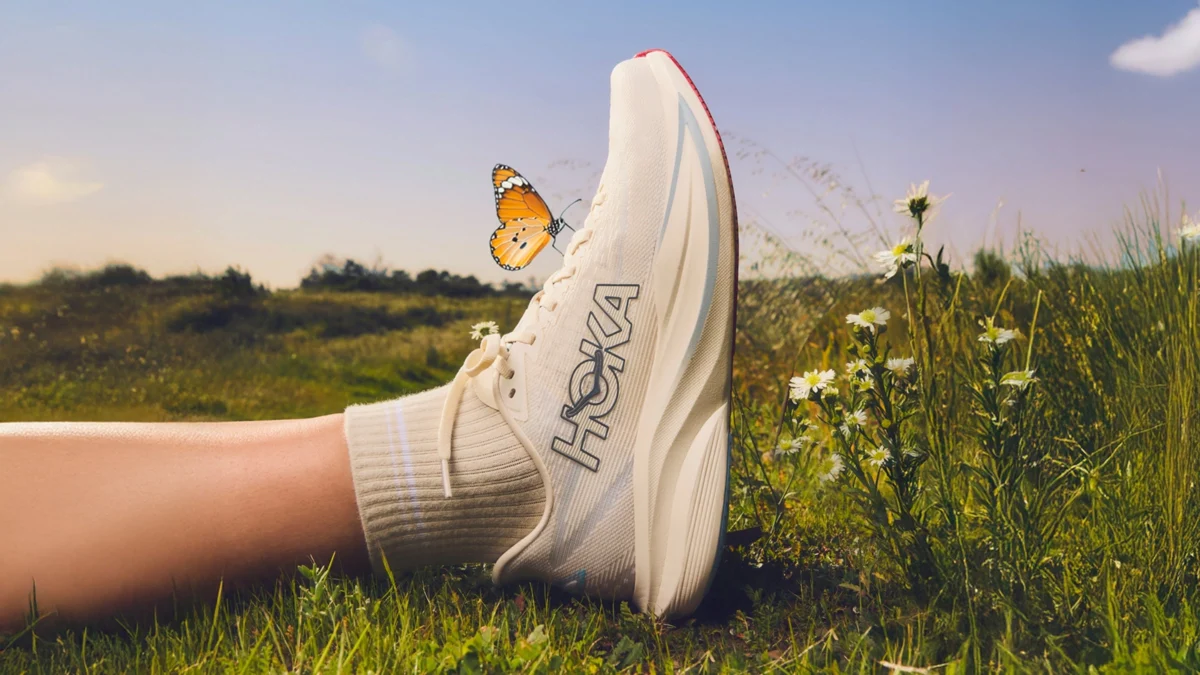
The arrival of the spring season in 2026 has triggered a significant shift in consumer behavior, as warmer temperatures and longer daylight hours drive a surge in demand for high-performance athletic and lifestyle footwear. Market analysts observe that this year’s transition from winter to spring is characterized by a renewed focus on "movement-based wellness," a trend that has prompted major retailers and manufacturers to unveil technologically advanced product lines. As outdoor enthusiasts prepare for everything from marathon training to technical trail hiking, the retail landscape—led by major e-commerce platforms such as Zappos—is adapting to a consumer base that prioritizes both specialized performance and logistical convenience, including streamlined shipping and return policies.
The Evolution of the Performance Footwear Market in 2026
The athletic footwear industry has undergone a transformative period leading into the 2026 season. Industry data suggests that the global sports footwear market is projected to reach new heights this year, driven by innovations in midsole chemistry and sustainable manufacturing. The "maximalist" cushioning trend, which gained momentum in the early 2020s, has matured into a sophisticated balance of energy return and structural stability. This evolution is evident in the current lineup of road and trail shoes, which utilize nitrogen-infused foams and carbon-composite plates once reserved for elite racing.
Retail experts note that the "Spring Refresh" is no longer just about aesthetics; it is a critical period for performance upgrades. As runners increase their weekly mileage in preparation for summer events, the demand for shoes that mitigate repetitive stress injuries has skyrocketed. This has placed brands like HOKA, Brooks, and Asics at the forefront of the seasonal market, as they release updated iterations of their flagship models to meet the rigorous demands of a more active population.
High-Volume Cushioning: The Road Running Revolution
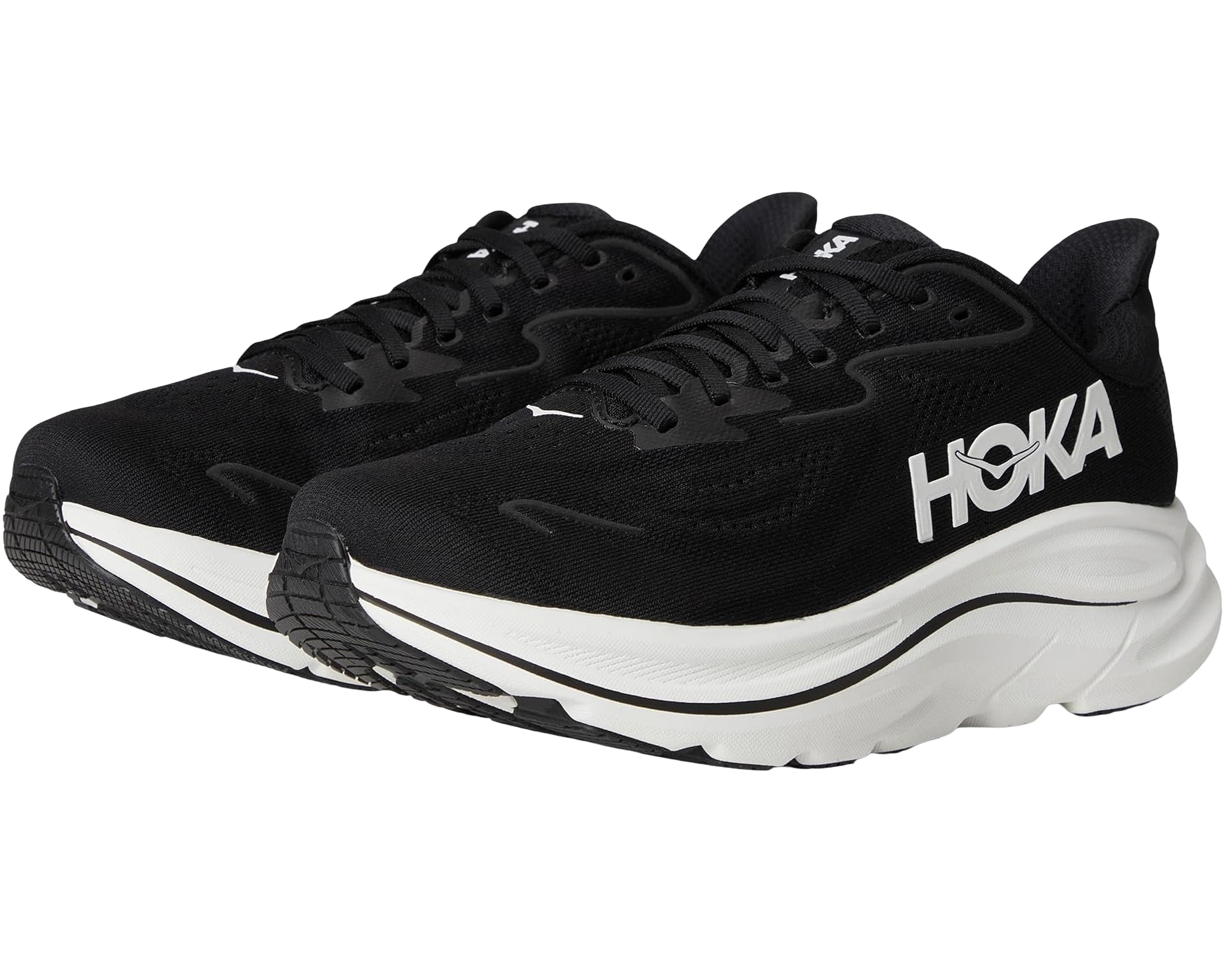
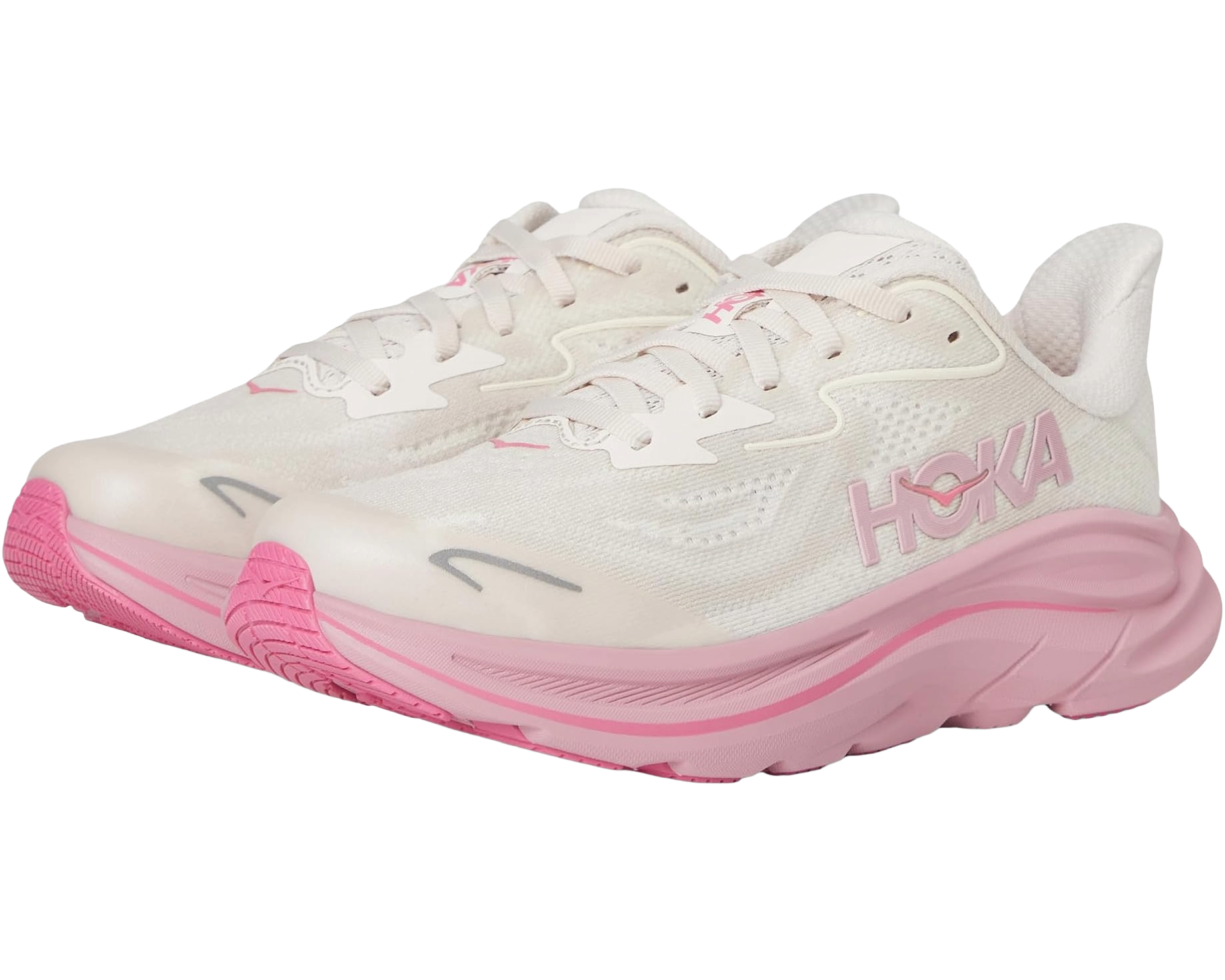
For the 2026 road running season, the emphasis is firmly on "responsive plushness." The standout model in this category remains the HOKA Clifton 10. Now in its tenth iteration, the Clifton has become a benchmark for the industry. The 2026 model features an refined MetaRocker geometry designed to facilitate a smoother transition from heel-strike to toe-off. Its success is attributed to a proprietary foam blend that provides significant impact absorption without the "mushy" feel associated with older maximalist designs.
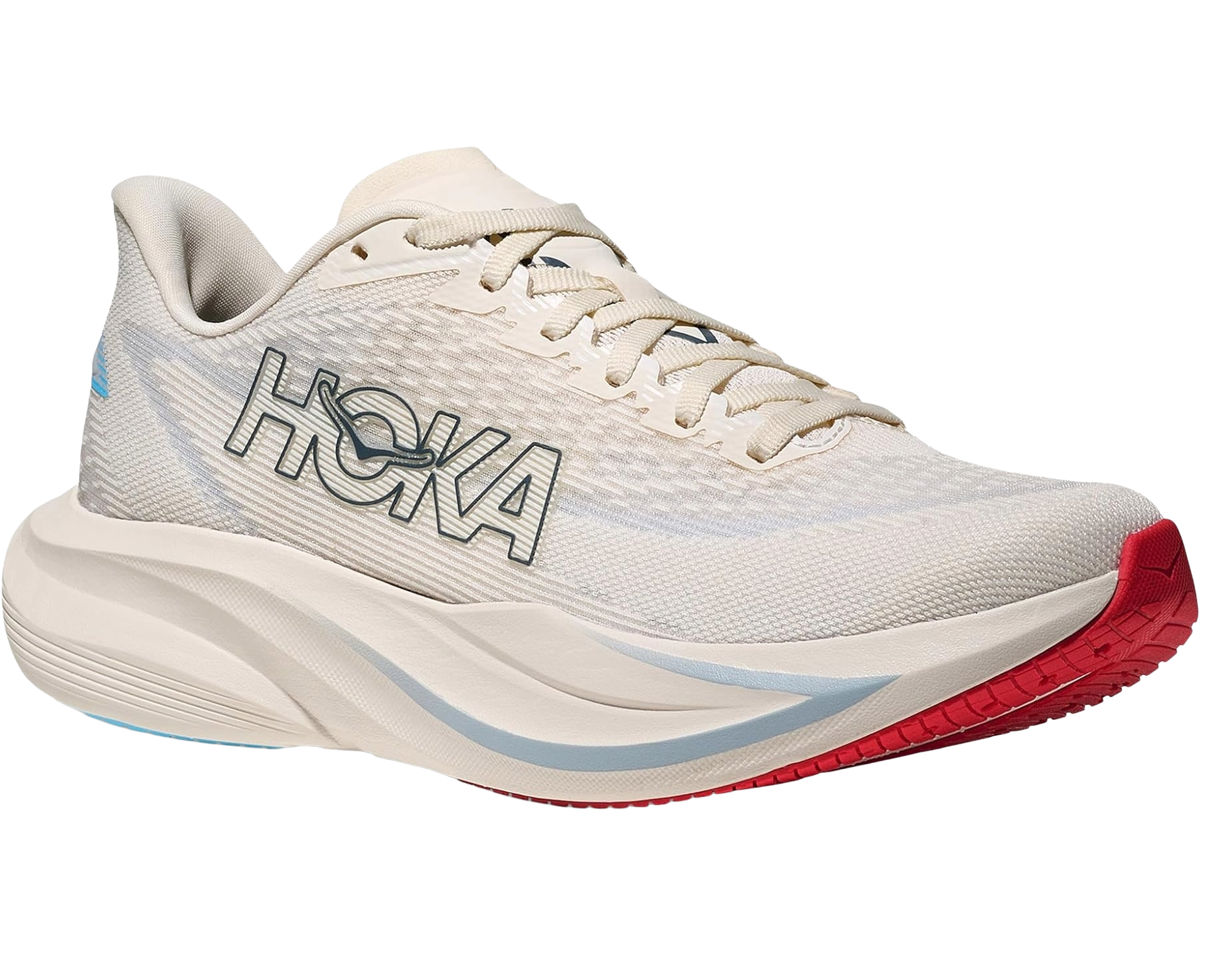
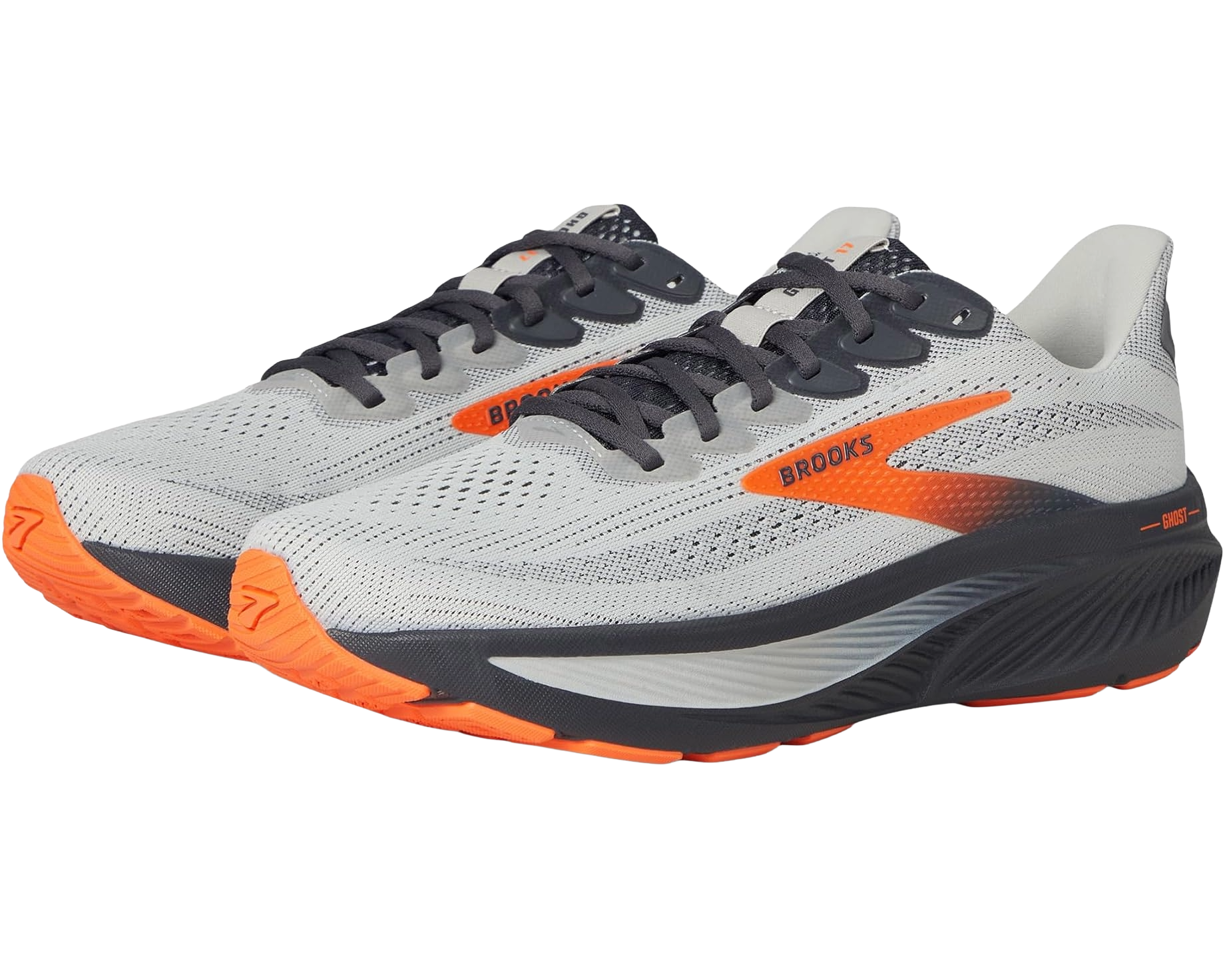
In direct competition, the Brooks Ghost 17 continues to capture a significant share of the neutral runner market. The Ghost 17 integrates a sophisticated blend of soft and dynamic cushioning within the midsole, complemented by engineered forefoot flex grooves. This design philosophy focuses on a "rolling" sensation, which laboratory tests suggest can reduce fatigue during high-mileage training blocks.
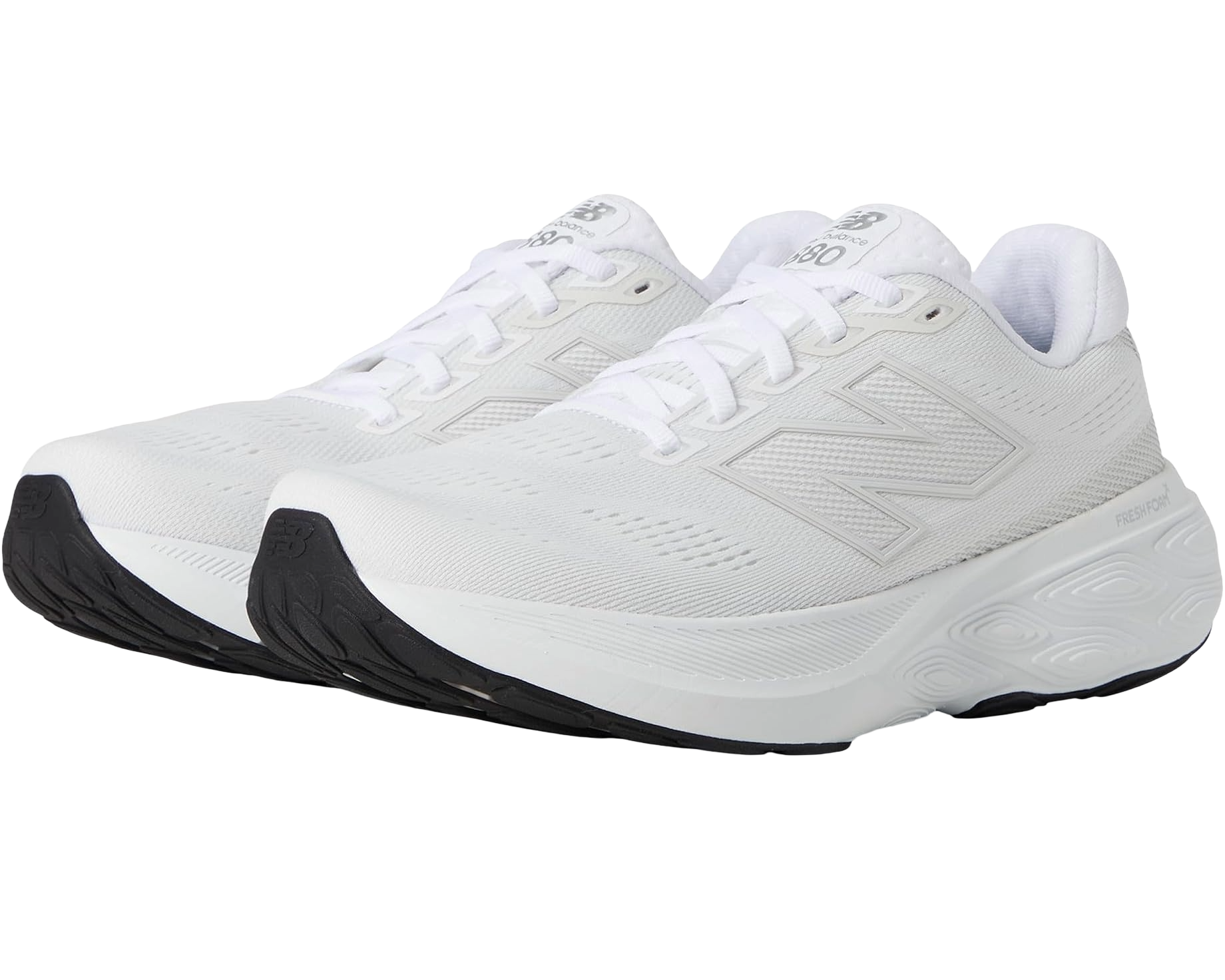
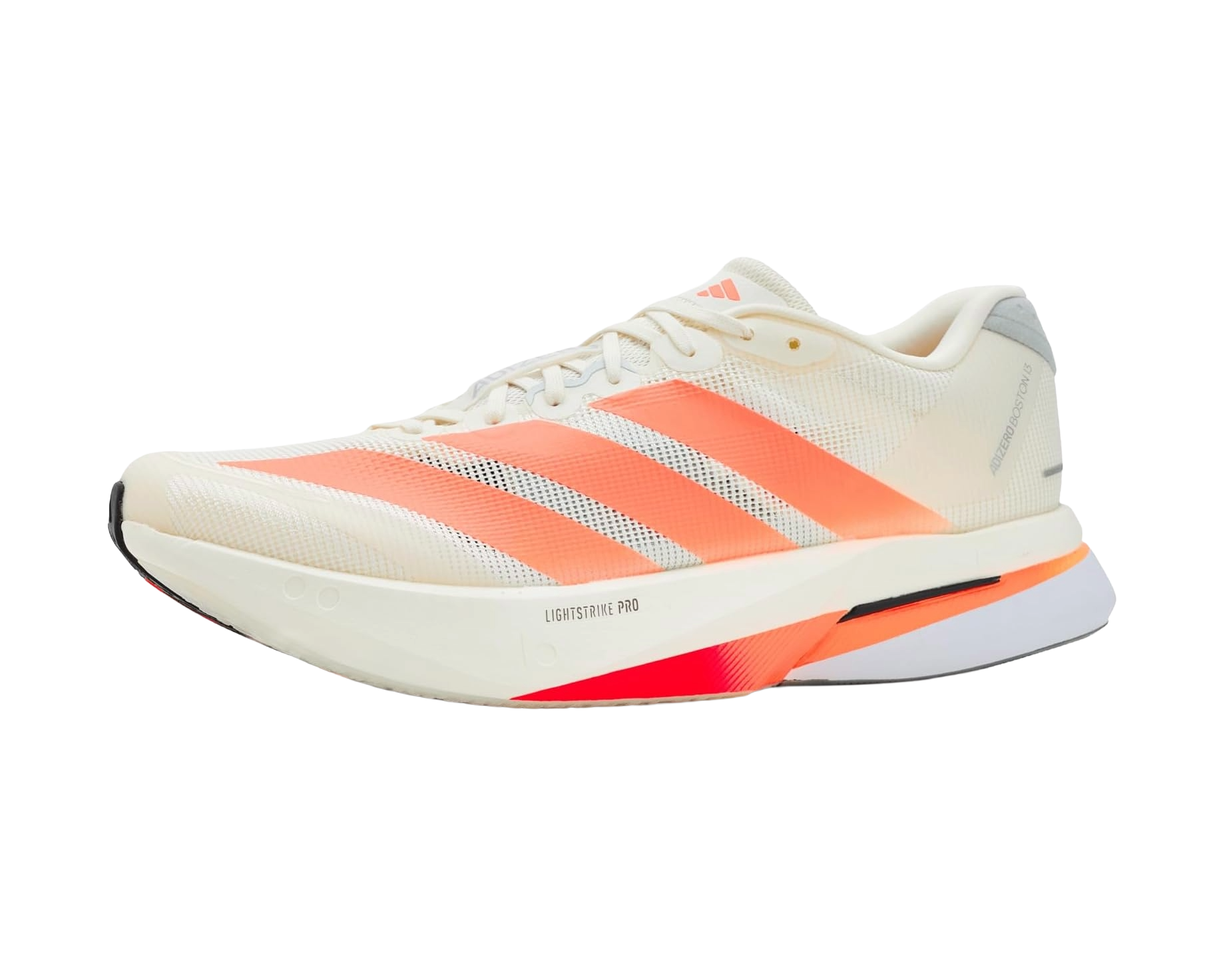
The 2026 season also sees the Adidas Adizero Boston 13 maintaining its status as a versatile "super-trainer." By balancing springy, energy-returning foam with stabilizing "EnergyRods," the Boston 13 serves a dual purpose: it is sufficiently cushioned for recovery days but aggressive enough for marathon-pace efforts. Meanwhile, the HOKA Mach 7 has been positioned as the lightweight alternative for speed work, incorporating a specialized "sticky" rubber compound under the forefoot to maximize traction during high-velocity toe-offs.
Strategic Stability and Adaptive Support Systems
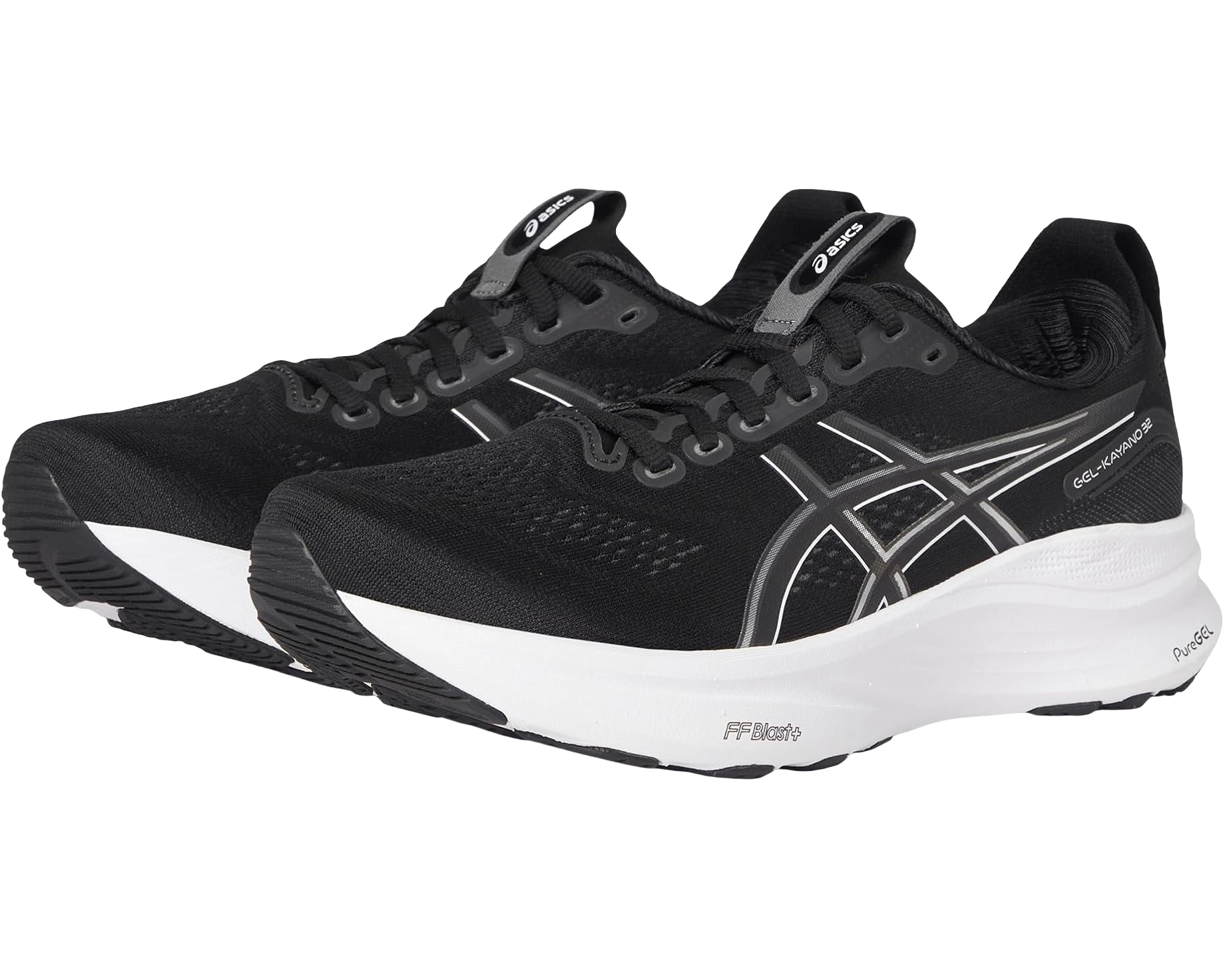
As the running community grows, there has been a documented increase in the demand for "support" shoes that do not sacrifice the comfort of neutral trainers. The 2026 market has responded with "adaptive stability" technology. The Asics GEL-Kayano 32 represents the pinnacle of this category. Having reached its 32nd edition, the Kayano remains a testament to long-term performance engineering. The current model utilizes advanced midsole geometry that only engages support mechanisms when the runner’s gait begins to collapse due to fatigue, providing a more natural ride than the rigid medial posts of the past.
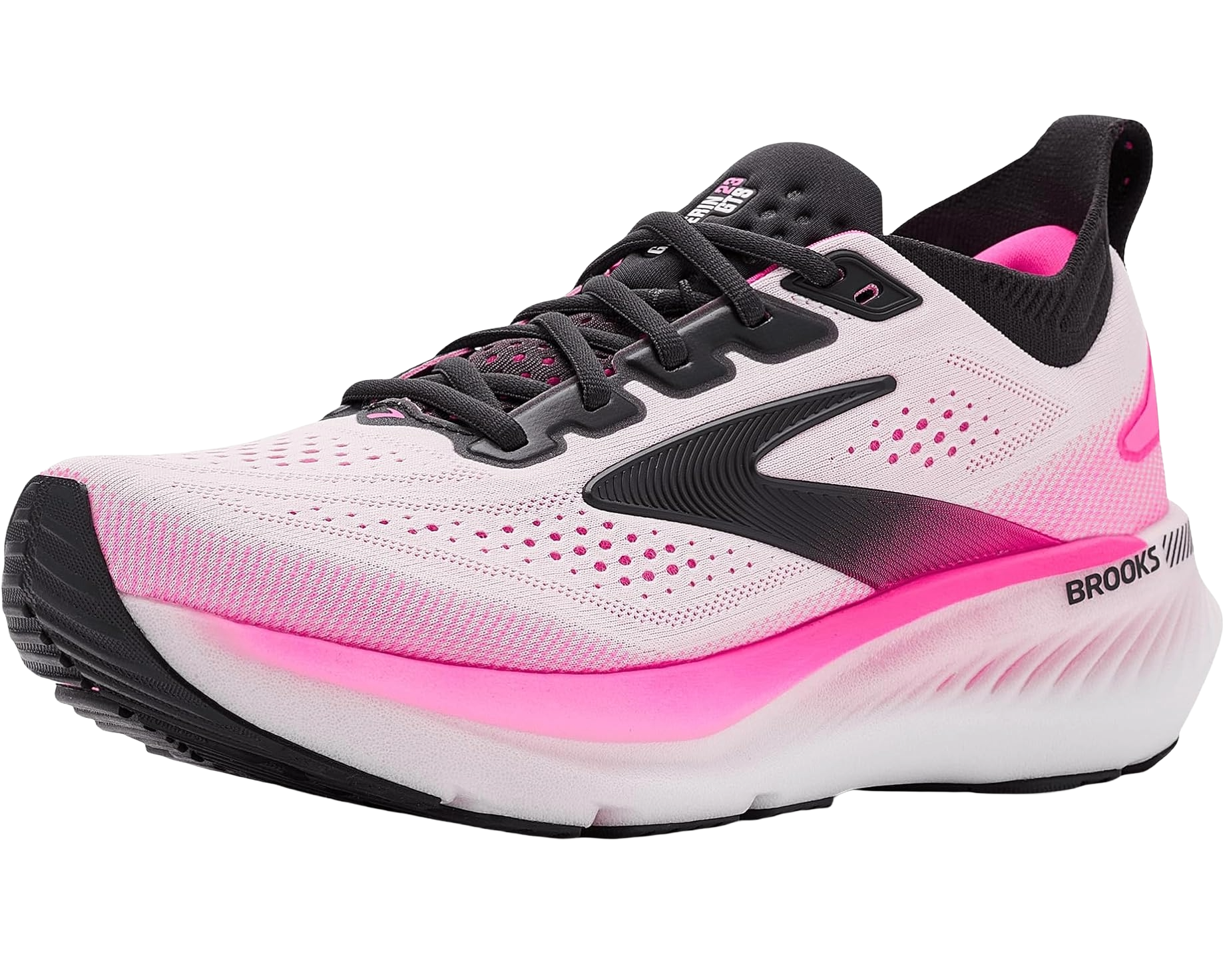
Similarly, the Brooks Glycerin GTS 23 employs nitrogen-infused cushioning to provide a plush underfoot feel, while its integrated "GuideRails" technology acts like bumpers on a bowling lane. This system focuses on protecting the runner’s most injury-prone joint—the knee—by keeping excess movement in check. These advancements reflect a broader industry shift toward "biomechanical harmony," where the shoe works with the body’s natural movement rather than forcing it into a predetermined path.
The Rise of Versatile Lifestyle and Recovery Footwear
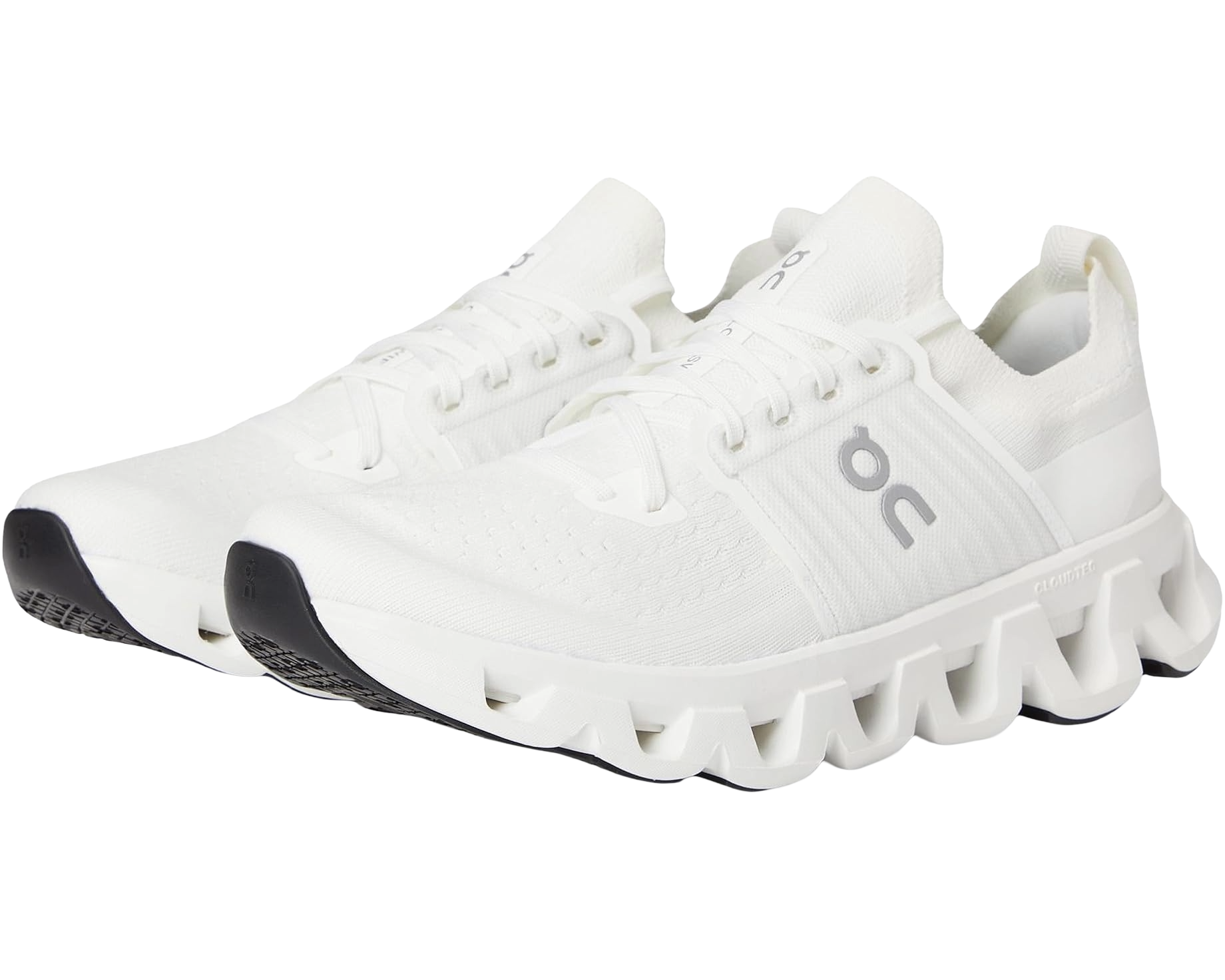
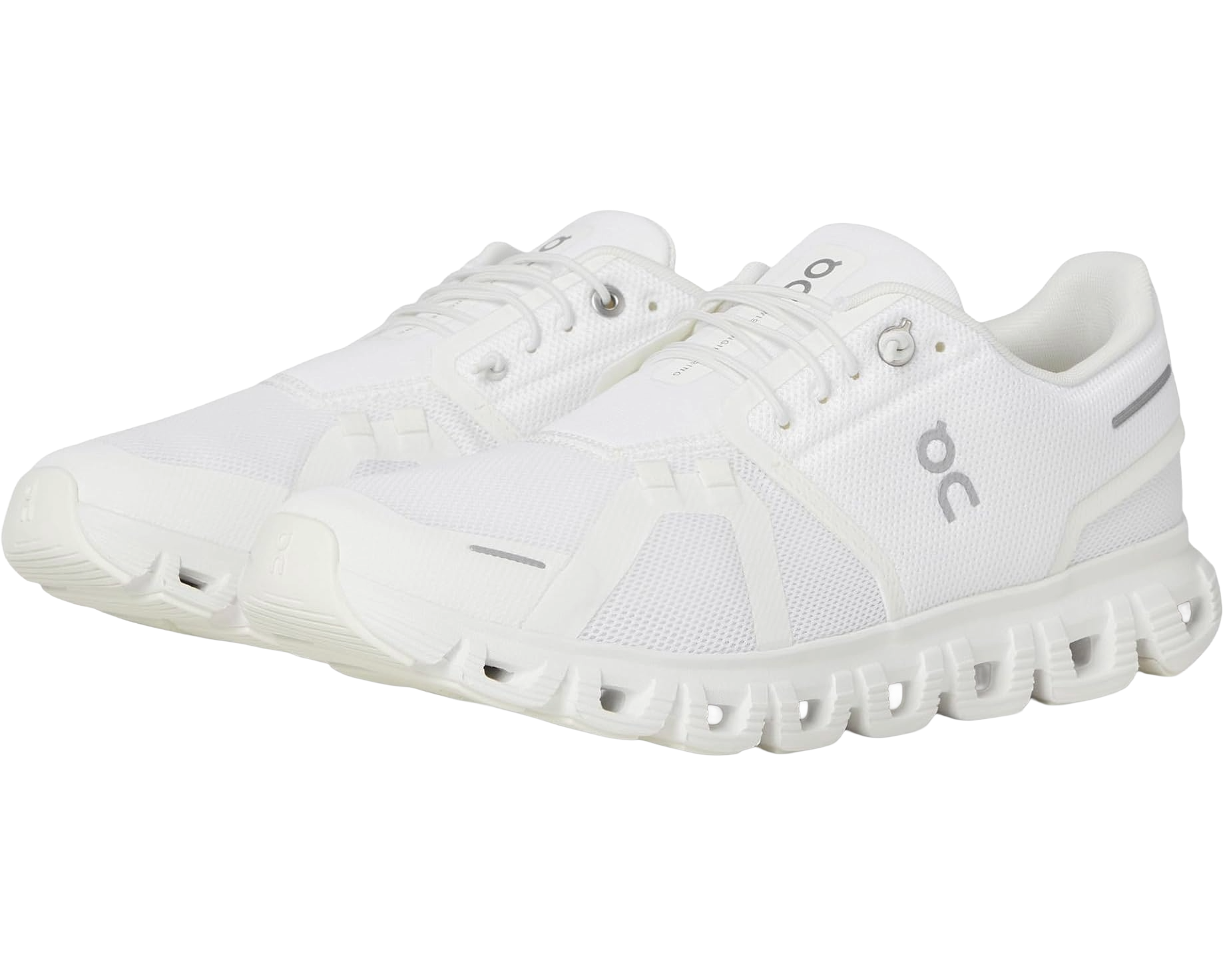
Beyond the pavement and the track, the 2026 footwear trend is heavily influenced by the "recovery-to-street" movement. Consumers are increasingly seeking footwear that provides professional-grade support for everyday activities. The On Cloud 6 has emerged as a leader in this space, offering a refined aesthetic paired with the brand’s signature CloudTec pods. The 2026 update focuses on "step-in comfort," featuring a redesigned upper that allows for easy transitions between professional environments and active commutes.
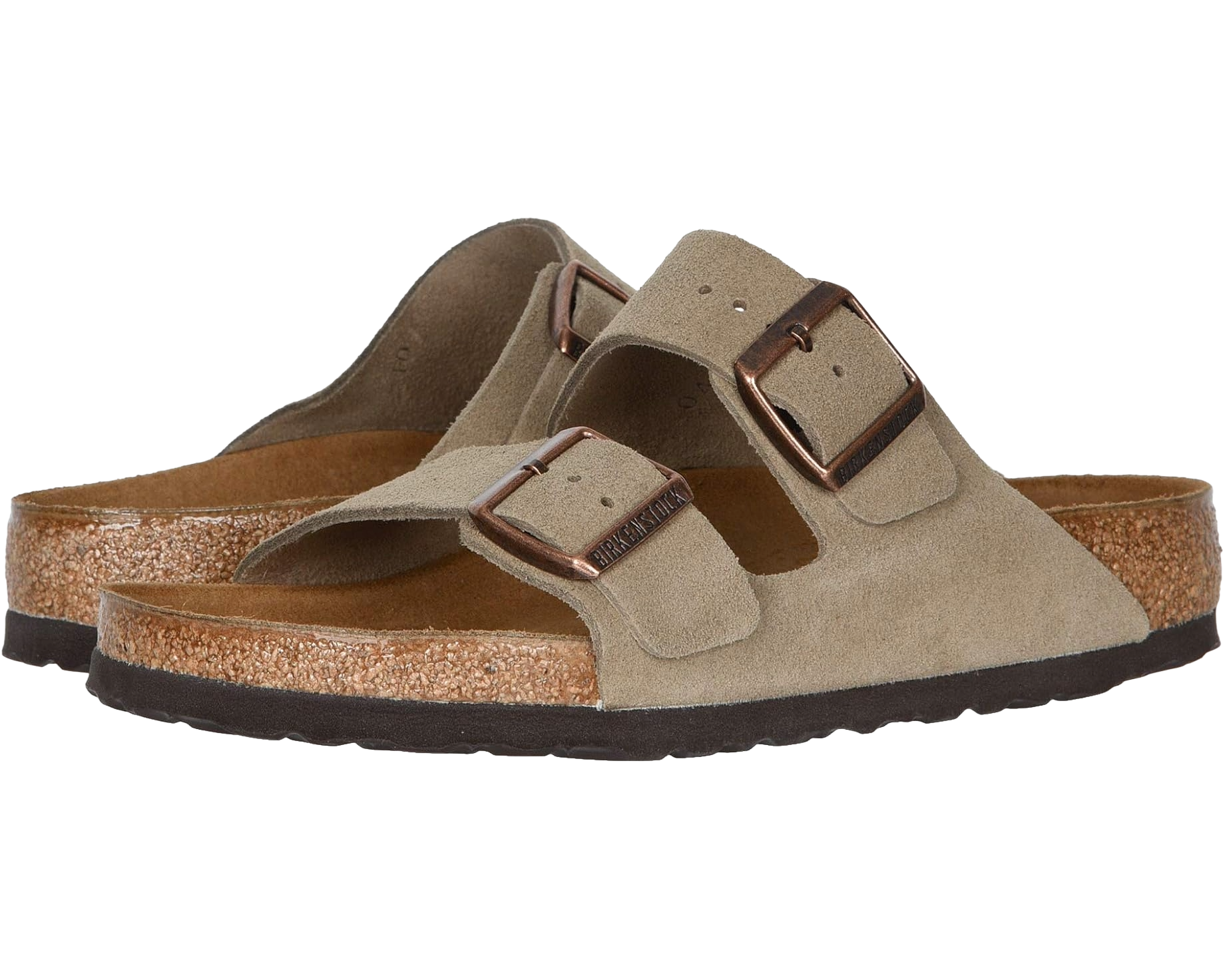
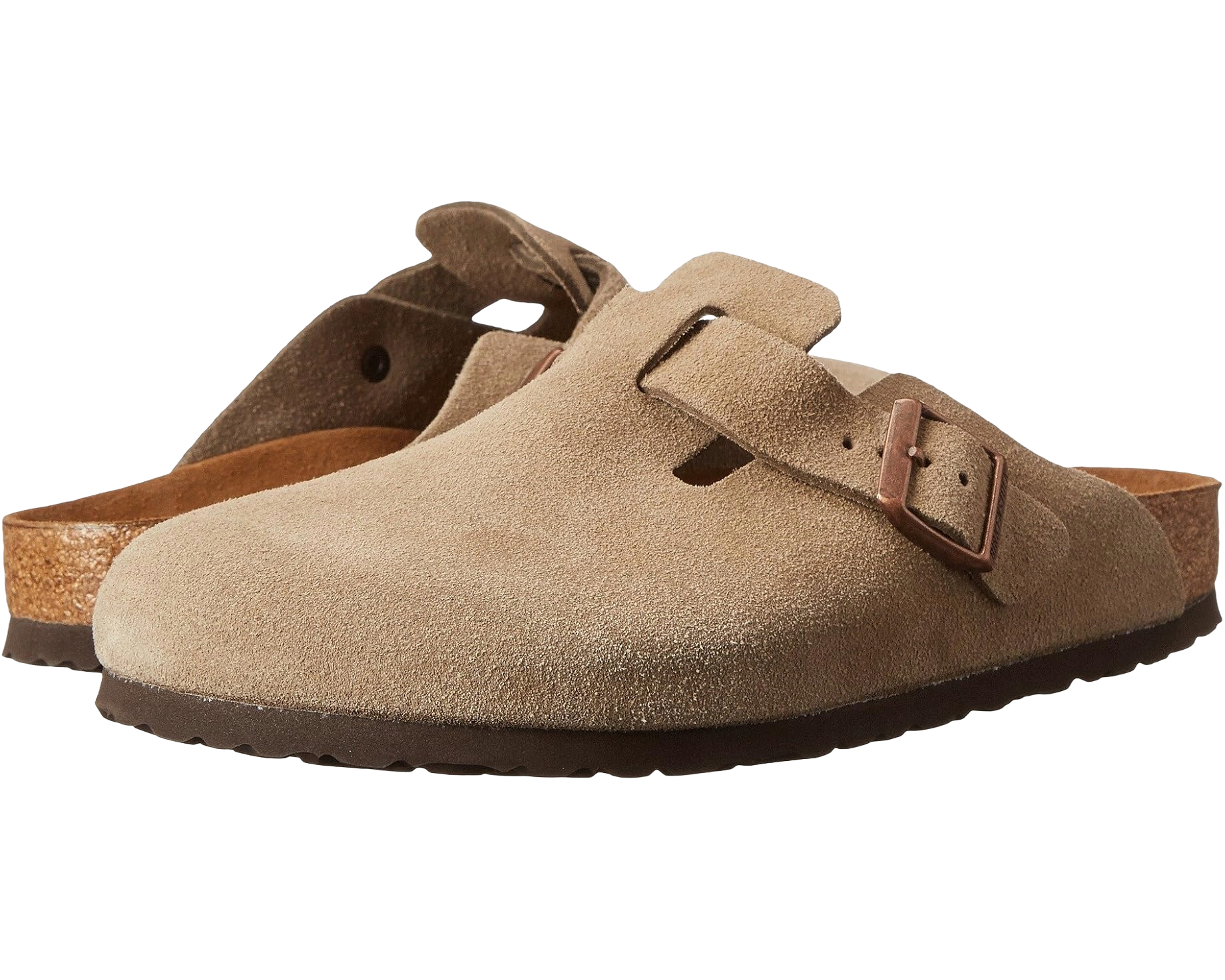
The enduring popularity of Birkenstock in the spring of 2026 highlights a persistent consumer preference for anatomical health. The Birkenstock Arizona and the Boston Soft Footbed remain staples of the "wellness wardrobe." Market research indicates that the brand’s focus on the natural shape of the foot has resonated with a demographic that is increasingly aware of the long-term benefits of proper arch support. The addition of a foam-layered "soft footbed" in the Boston clog has further solidified its position as a preferred choice for post-activity recovery.
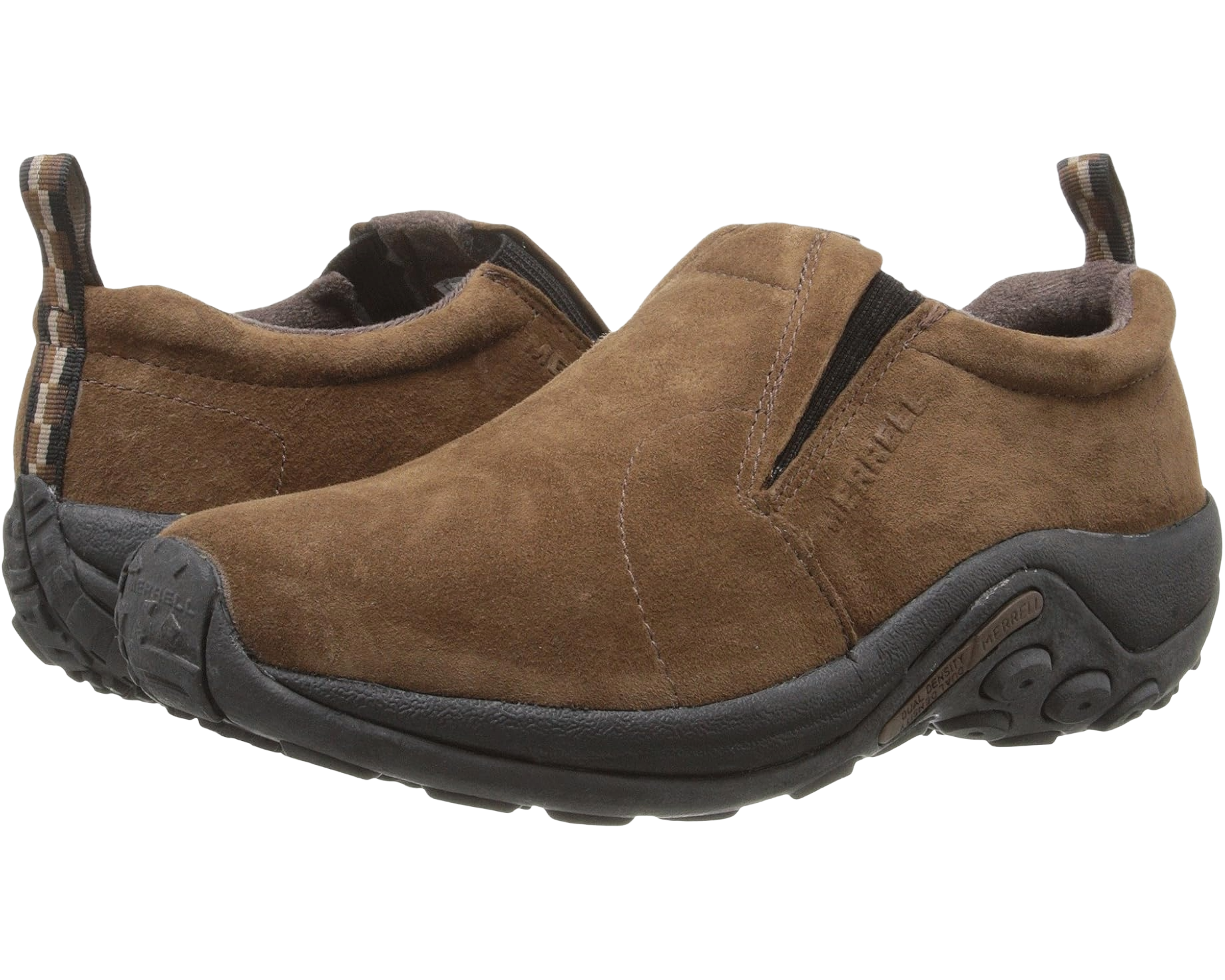
Furthermore, the Merrell Junglemoc continues to dominate the "after-sport" category. Its 2026 iteration features an EVA footbed and water-resistant materials, making it a functional choice for enthusiasts transitioning from technical outdoor excursions to casual social settings.
Technical Excellence in Outdoor and Adventure Gear
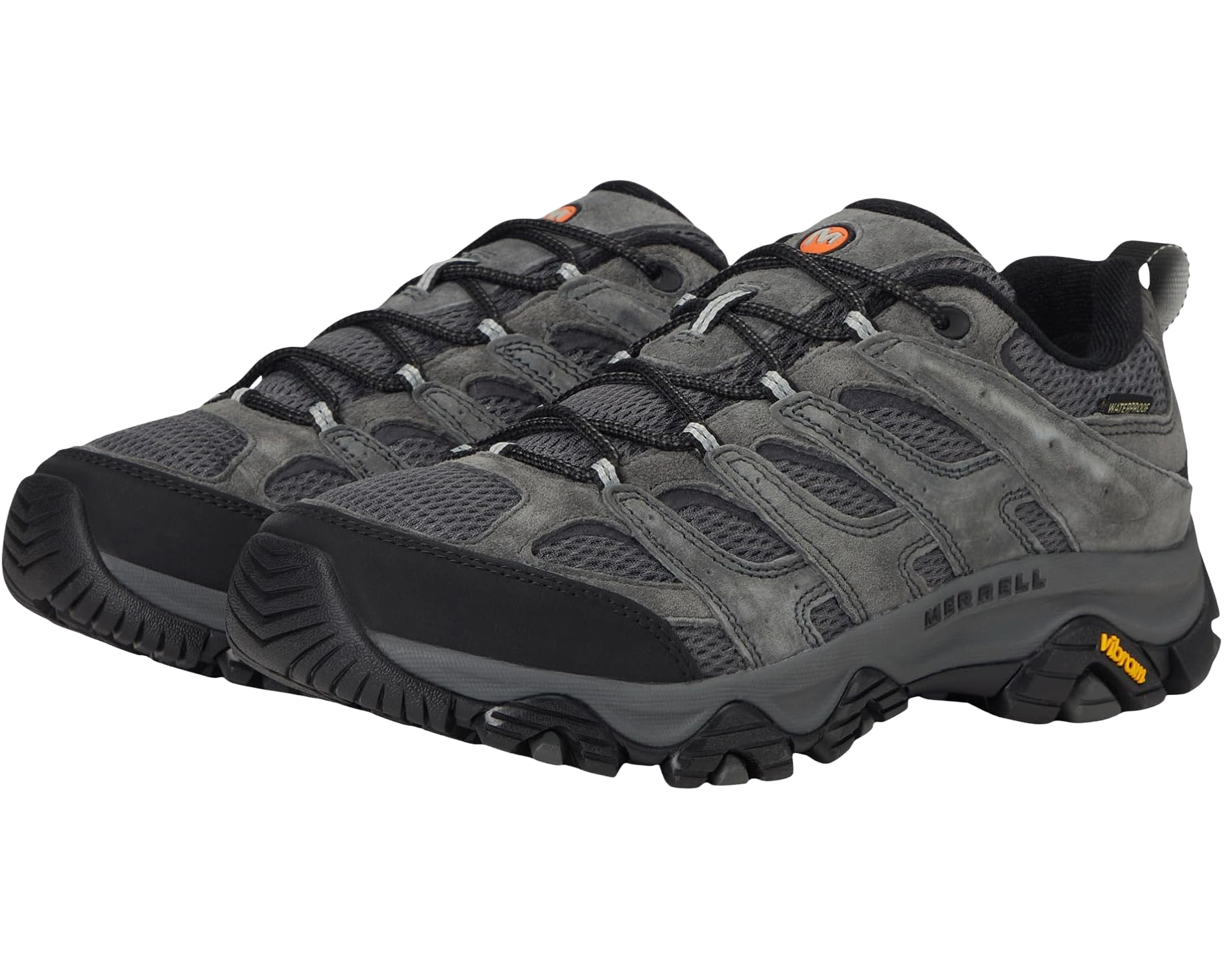
For the burgeoning trail-running and hiking segments, the Spring 2026 season is defined by "all-conditions reliability." The Merrell Moab 3 Waterproof remains a dominant force in the hiking market. Its popularity is sustained by a combination of a Vibram outsole—known for its superior grip on wet surfaces—and a waterproof membrane that does not compromise breathability.
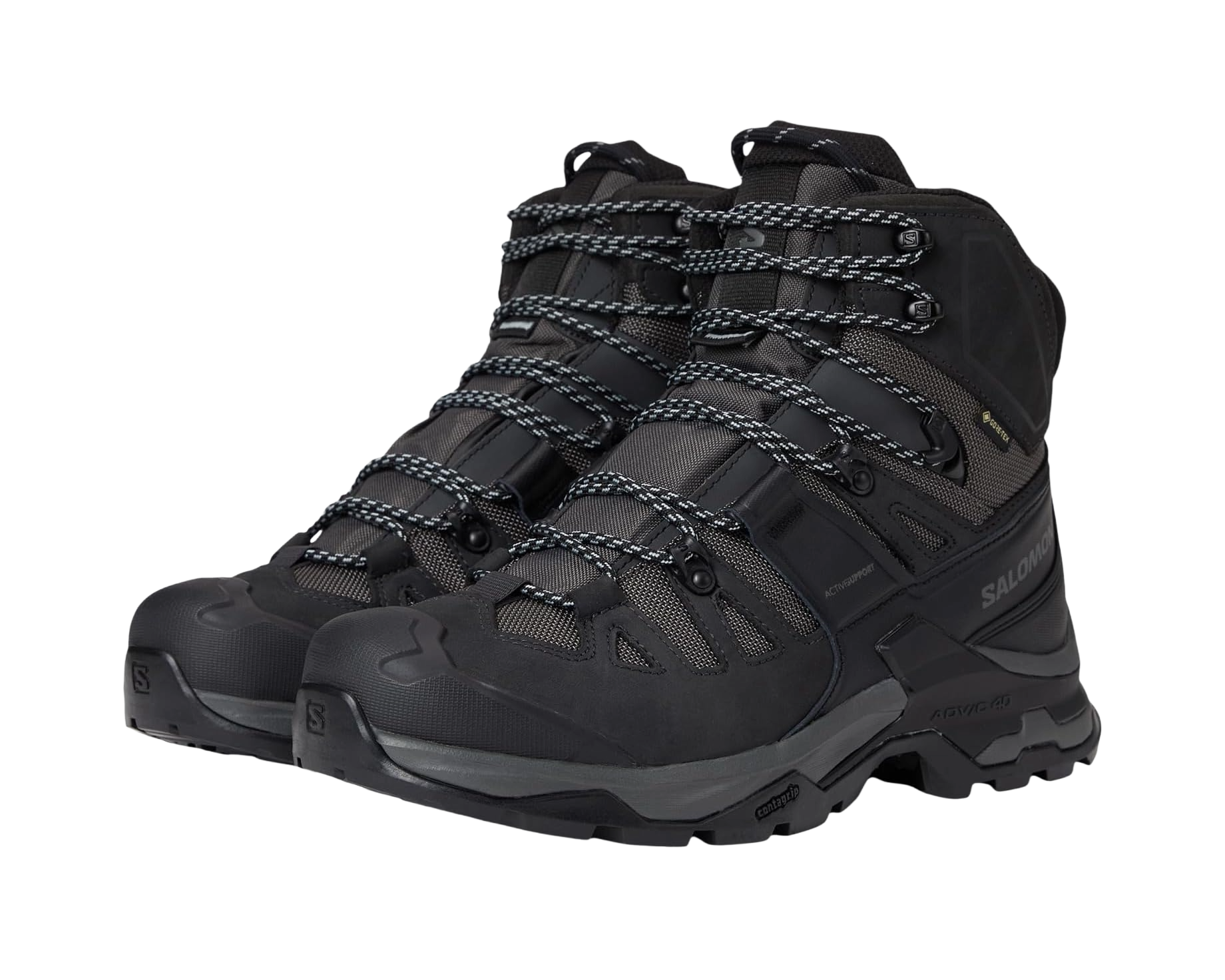
In the more technical "heavy-duty" category, the Salomon Quest 4 GTX continues to be the preferred choice for multi-day expeditions. The Quest 4’s high-ankle design and Gore-Tex integration provide the necessary protection for rugged terrain. Analysts suggest that the growth in this sector is driven by the "adventure tourism" boom of the mid-2020s, which has seen more individuals venturing into remote wilderness areas requiring professional-grade gear.
The Youth Segment: High-Performance Footwear for the Next Generation
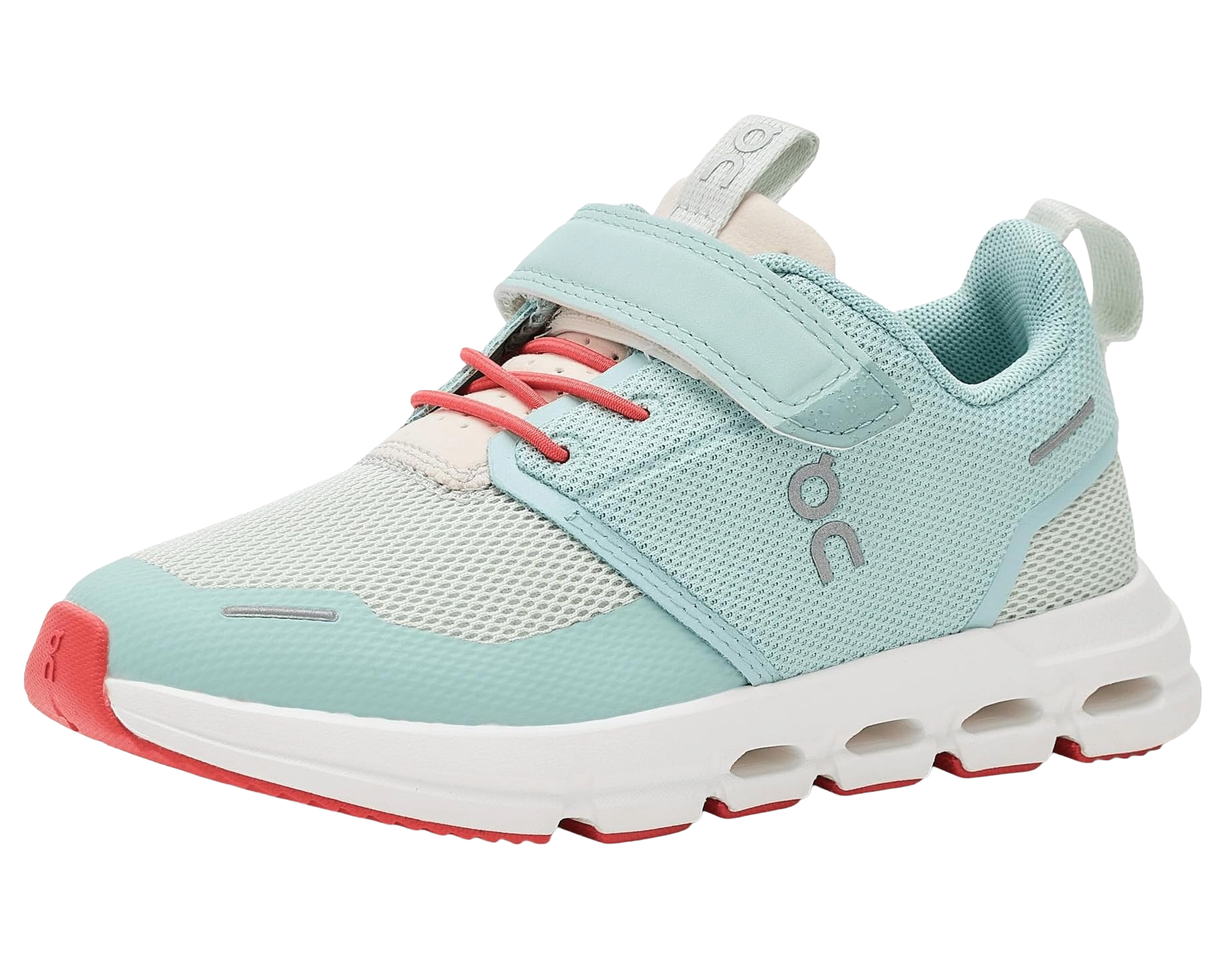
A notable development in the 2026 retail cycle is the professionalization of children’s footwear. Parents are no longer satisfied with "miniature versions" of adult shoes that lack functional support. Brands have responded by scaling down their most advanced technologies. The On Kids Cloud Play and the HOKA Clifton 10 (Big Kid) are prime examples, featuring the same zero-gravity foam and MetaRocker shapes found in adult models.
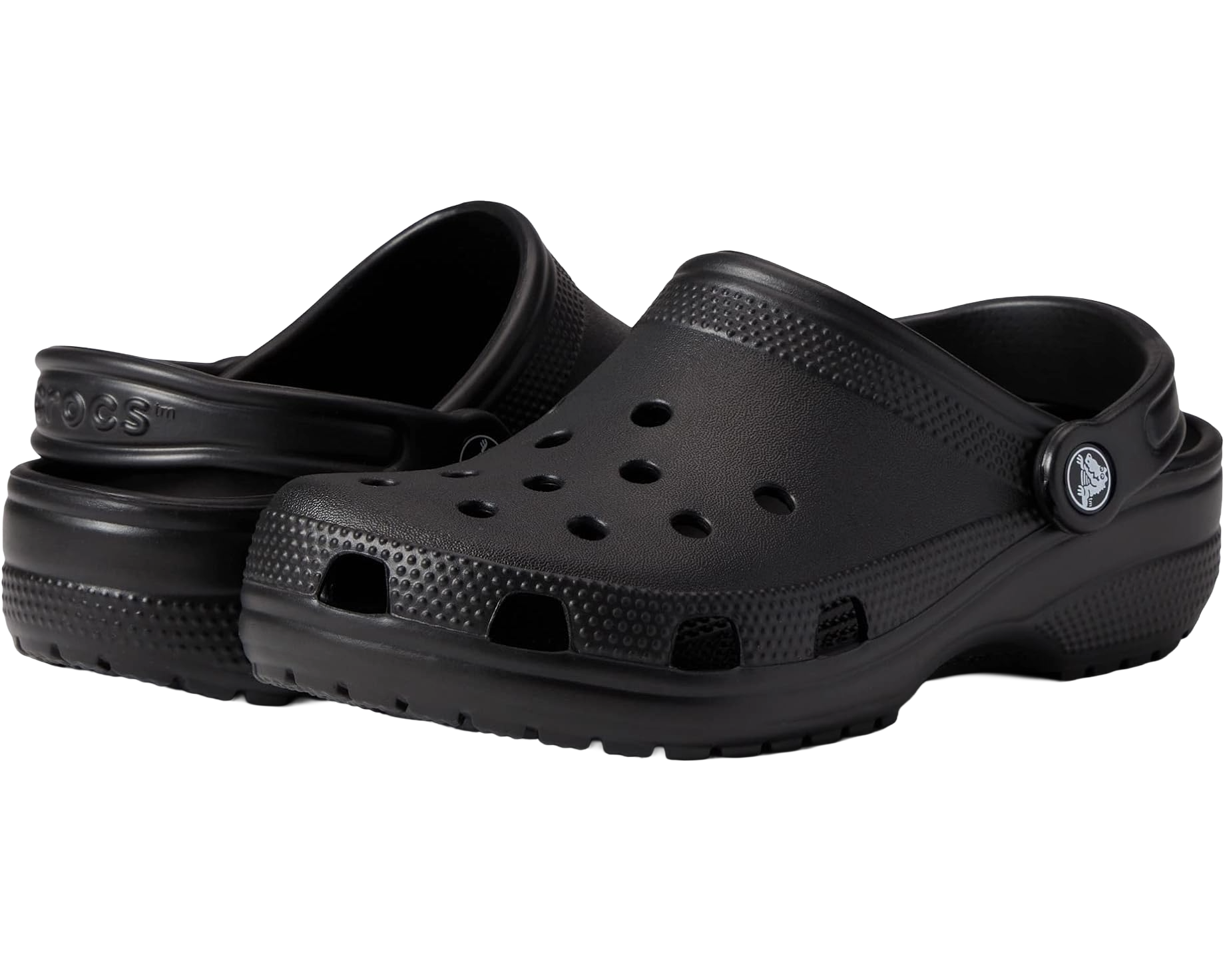
Even in the casual youth market, functionality is paramount. The Crocs Classic Clog and its Marble Tie-Dye variants remain ubiquitous due to their waterproof nature and ease of use. However, for young adventurers, the Merrell Moab Speed 2 Mid Waterproof has become a top seller, providing a rugged, mid-cut boot that offers genuine protection for children participating in organized outdoor programs or family hiking trips.
Logistical Integration and the E-Commerce Experience
The ability of consumers to access this wide array of specialized footwear is facilitated by the evolution of e-commerce logistics. In 2026, the "fitting room" has largely moved to the consumer’s home. Platforms like Zappos have standardized the "free shipping and free returns" model, which is essential for a market where "dialing in" the perfect fit is a prerequisite for performance. This logistical ease has lowered the barrier to entry for specialized brands, allowing consumers to experiment with different cushioning levels and stability types without financial risk.
Broader Impact and Future Outlook
The trends observed in the Spring 2026 footwear market reflect a society that is deeply invested in physical longevity and outdoor engagement. The integration of high-performance materials into everyday footwear suggests a blurring of the lines between "athletic gear" and "daily attire."
As we look toward the latter half of the decade, industry insiders predict that sustainability will become the primary driver of innovation. Many of the foams and membranes featured in this season’s top picks are already incorporating bio-based materials and recycled plastics. The success of the 2026 spring season serves as a blueprint for the future of the industry: a future where technical excellence, anatomical health, and environmental responsibility are inextricably linked. For the consumer, the message is clear—the right gear is no longer a luxury, but a fundamental component of a modern, active lifestyle.




 Chandra Hamzah
 Tatiana Tantri Indah Sari
 Budi Mulyono
