Anjar Salim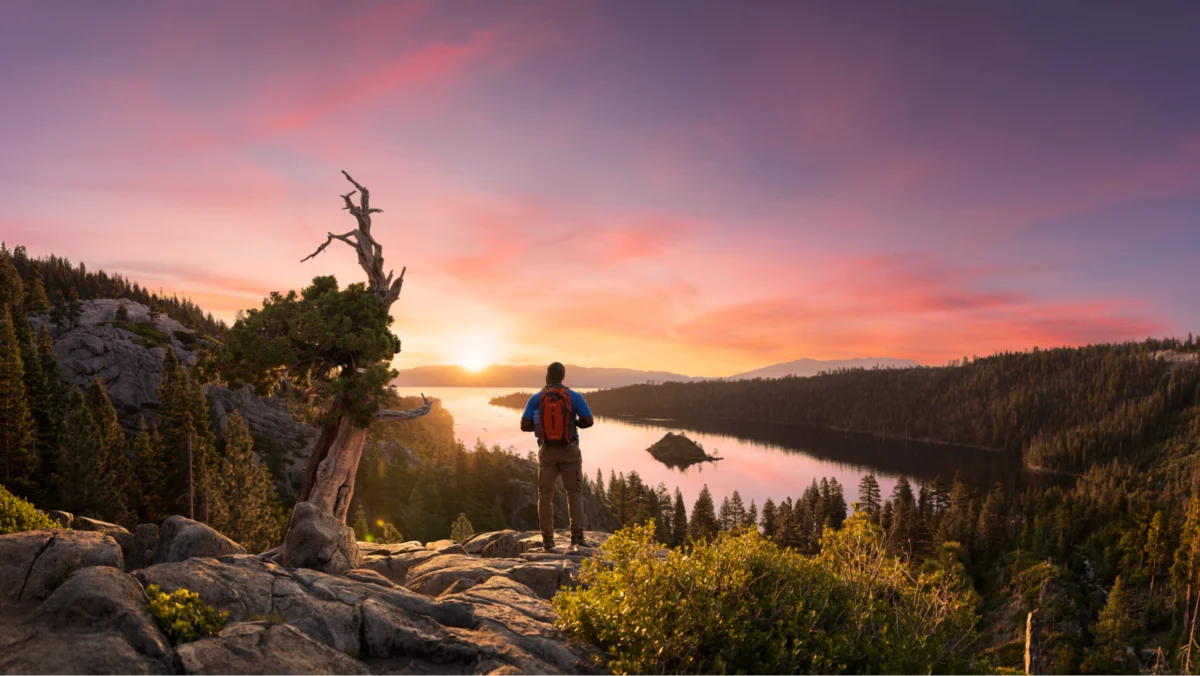
The cognitive and physiological effects of natural grandeur have long been a subject of philosophical inquiry, but a recent extensive study conducted by Dr. Paul Piff and his research team at the University of California, Irvine, has provided empirical evidence that experiencing awe in environments like Lake Tahoe yields significant improvements in human well-being and social behavior. Published in conjunction with a new three-part documentary series titled "Beyond Awestruck: The Scientific Search for Connection," the research involved more than 1,000 participants and suggests that even brief exposures to "awe-inspiring" vistas can catalyze lasting changes in happiness, contentment, and environmental stewardship. The findings, released in March 2026, mark a pivotal moment in the intersection of environmental psychology and public health, positioning natural landscapes not merely as recreational outlets but as essential components of mental hygiene.
The Evolution of Awe Research and the UC Irvine Study
For decades, the field of positive psychology has sought to quantify the impact of "awe"—defined by researchers as the emotion experienced when one encounters something so vast that it challenges their existing mental structures. Dr. Paul Piff, an associate professor of psychological science at UC Irvine, has been at the forefront of this movement, previously investigating how awe promotes "prosocial" behaviors, such as generosity and ethical decision-making.
The Lake Tahoe study represents a culmination of several years of field and laboratory work. Beginning in the early 2020s, researchers sought a "natural laboratory" that could provide consistent, high-intensity stimuli of vastness and beauty. Lake Tahoe, the largest alpine lake in North America, known for its cobalt-blue waters and surrounding Sierra Nevada peaks, was selected as the primary site for the investigation. The study utilized a multi-method approach, combining self-reported psychological surveys with physiological monitoring and behavioral observation.
According to the research data, the "awe effect" is characterized by what psychologists call the "small self." When individuals are confronted with the immense scale of Lake Tahoe, their focus shifts away from individual anxieties and self-interest toward a sense of being part of a larger collective or ecosystem. This shift is not merely subjective; it is accompanied by measurable decreases in stress markers and an increase in overall life satisfaction.
Methodology and the "Two-Minute" Threshold
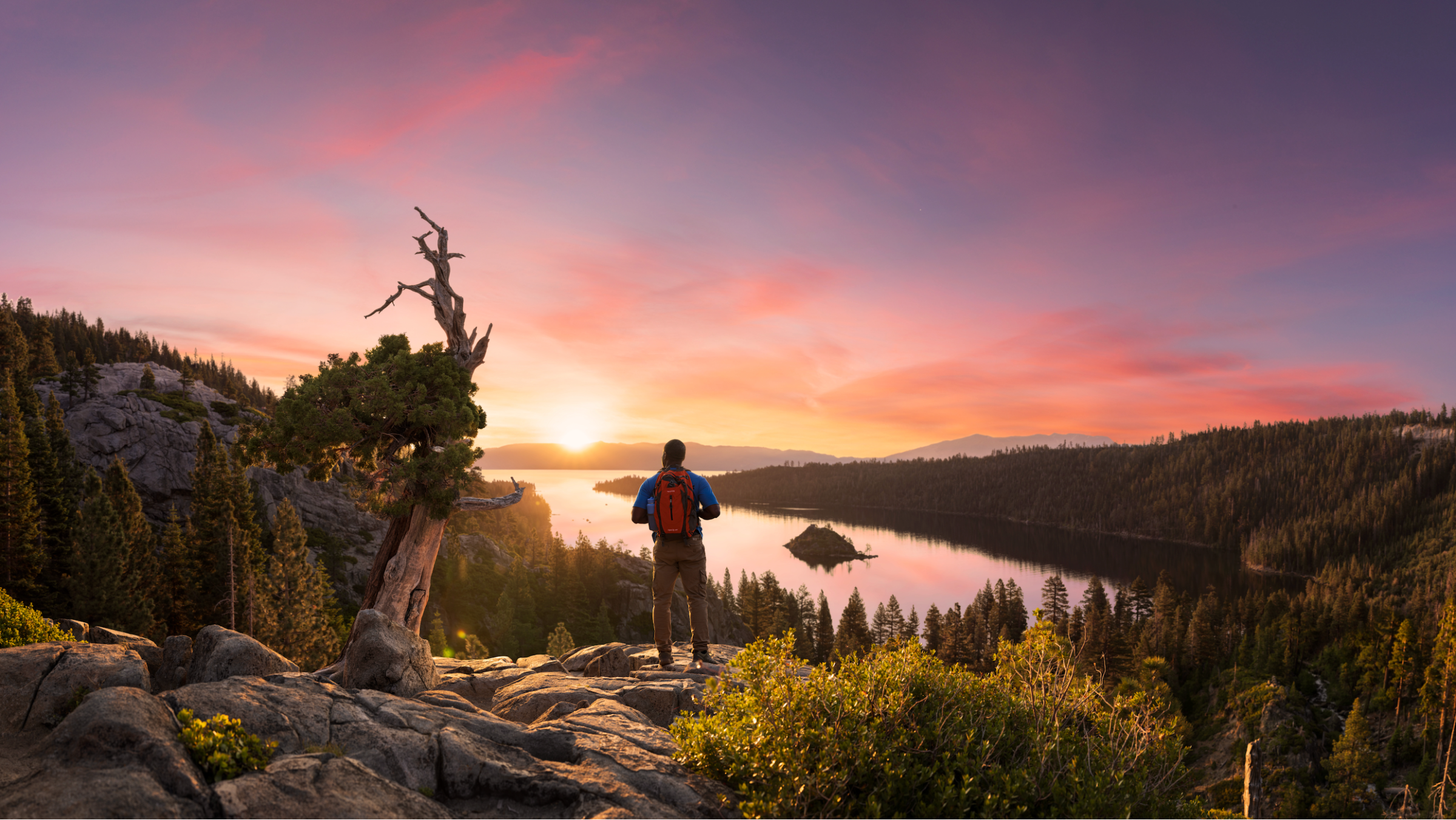
One of the most significant revelations from Dr. Piff’s research is the brevity required to trigger a psychological shift. The study found that focusing on an expansive view for as little as two minutes can significantly increase reported levels of happiness and reduce feelings of entitlement. This "two-minute threshold" suggests that the benefits of nature are accessible even to those with limited time, provided the environment offers sufficient "perceptual vastness."
The study involved several cohorts:
- The Hiking Cohort: Participants who engaged in physical exertion while surrounded by forest and lake views.
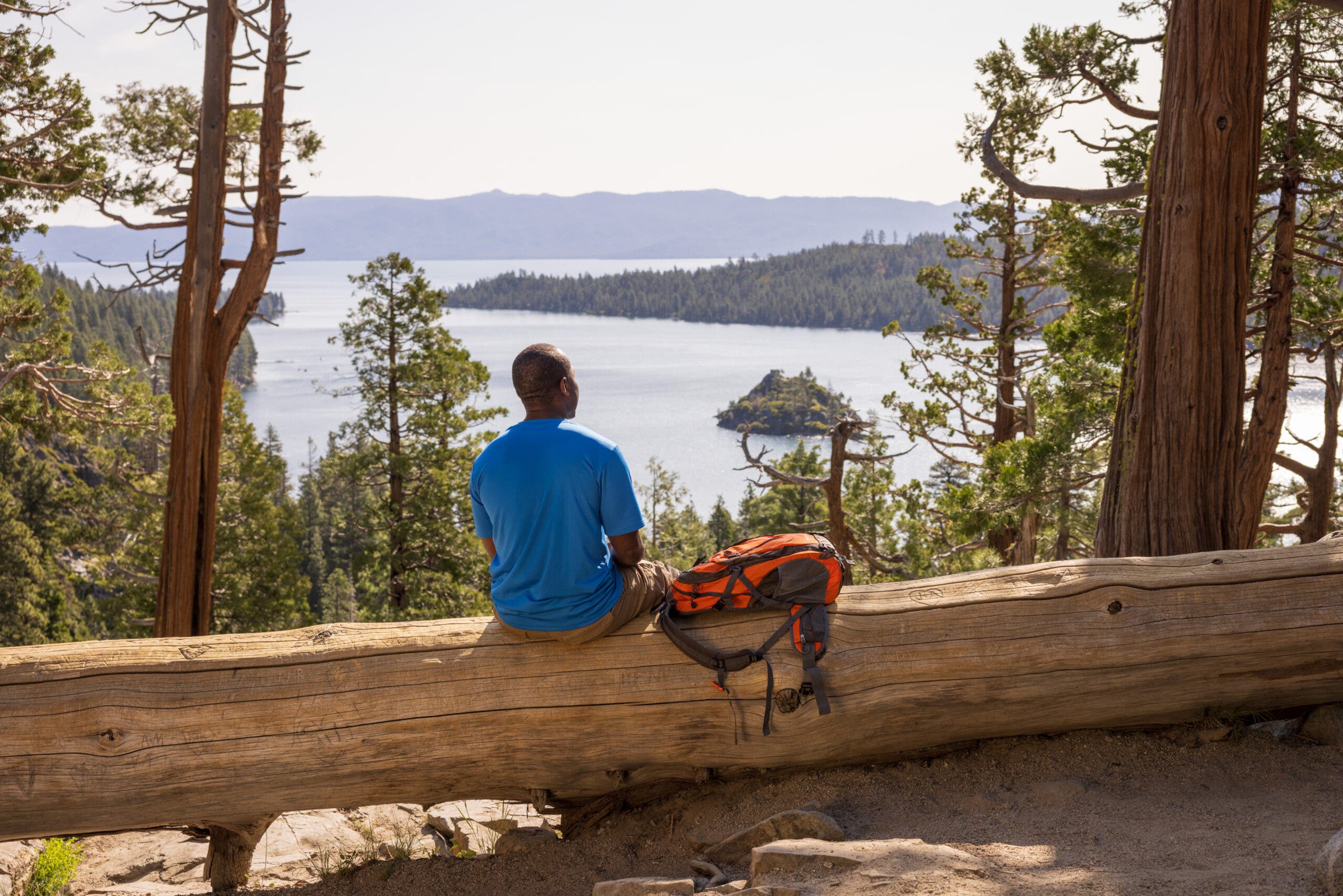
- The Stationary Cohort: Participants who observed the lake from fixed viewpoints, such as the Heavenly Gondola or Timber Cove Marina.
- The Aquatic Cohort: Participants who interacted directly with the water via clear-bottom kayaks or shoreline activities.
Across all groups, the results remained consistent. The data indicated that the intensity of the awe experienced was a stronger predictor of subsequent well-being than the duration of the visit or the level of physical activity. This challenges the traditional view that the health benefits of nature are primarily derived from exercise, suggesting instead that the visual and emotional experience of the landscape is a primary driver of mental health.
The Geography of Awe: Key Sites in the Tahoe Basin
The research team identified several specific locations within the Lake Tahoe Basin that served as high-impact stimuli for the study. These sites were chosen for their diverse topographical features, ranging from dense forest canopies to sheer granite cliffs and transparent waters.
Van Sickle State Park and the Tahoe Rim Trail
Located on the South Shore, Van Sickle State Park provided the team with data on the transition from urban environments to "serene forest scenes." The park serves as a gateway to the Tahoe Rim Trail, a 165-mile loop. Researchers noted that the "mood changes" observed in participants at Van Sickle were often immediate upon reaching elevations that offered sprawling views of the lake. The data suggests that the combination of "fractal patterns" found in forest environments and the "horizon-spanning vastness" of the lake creates a unique psychological synergy.
The Heavenly Gondola Observation Deck
To study the impact of pure visual scale without the confounding variable of physical exertion, the team utilized the Heavenly Gondola. Transporting participants to an elevation of over 9,000 feet, the gondola offers a 360-degree perspective of the Sierra Nevada. This site provided some of the most concentrated data on the "small self" phenomenon, as the sheer verticality of the mountains against the "endless blue waters" of the lake created a profound sense of scale.
Emerald Bay and the Rubicon Trail
The Rubicon Trail, which stretches 8.2 miles along the shoreline, was used to study the effects of "unfolding awe"—the experience of seeing a landscape change and reveal new features over time. Sites like Rubicon Point, home to a historic lighthouse, allowed researchers to examine how "temporal awe" (a sense of history and the passage of time) interacts with "spatial awe" (the physical view).
Fallen Leaf Lake and Zephyr Cove
For the "Quietude Study" portion of the research, the team focused on Fallen Leaf Lake and Zephyr Cove. These locations offered a different type of awe—one rooted in serenity and isolation. The results showed that "quiet awe" was particularly effective in increasing "connection to the world" and "care for the environment," as participants felt a more intimate bond with the ecosystem in the absence of crowds.
Behavioral Implications: From Self-Well-Being to Environmental Stewardship
Perhaps the most impactful finding of the UC Irvine study is the link between awe and environmentalism. Dr. Piff’s team found that participants who experienced high levels of awe at Lake Tahoe were significantly more likely to express a desire to protect the environment and engage in sustainable behaviors.
"Awe makes us feel smaller, but it also makes us feel more connected," Dr. Piff noted during the presentation of the findings. This connection translates into a "collective concern." When the "self" is diminished, the "world" becomes more important. In the context of Lake Tahoe, this resulted in participants showing a higher propensity to support conservation efforts, such as the "Keep Tahoe Blue" initiatives, and reporting a greater sense of responsibility toward mitigating climate change.
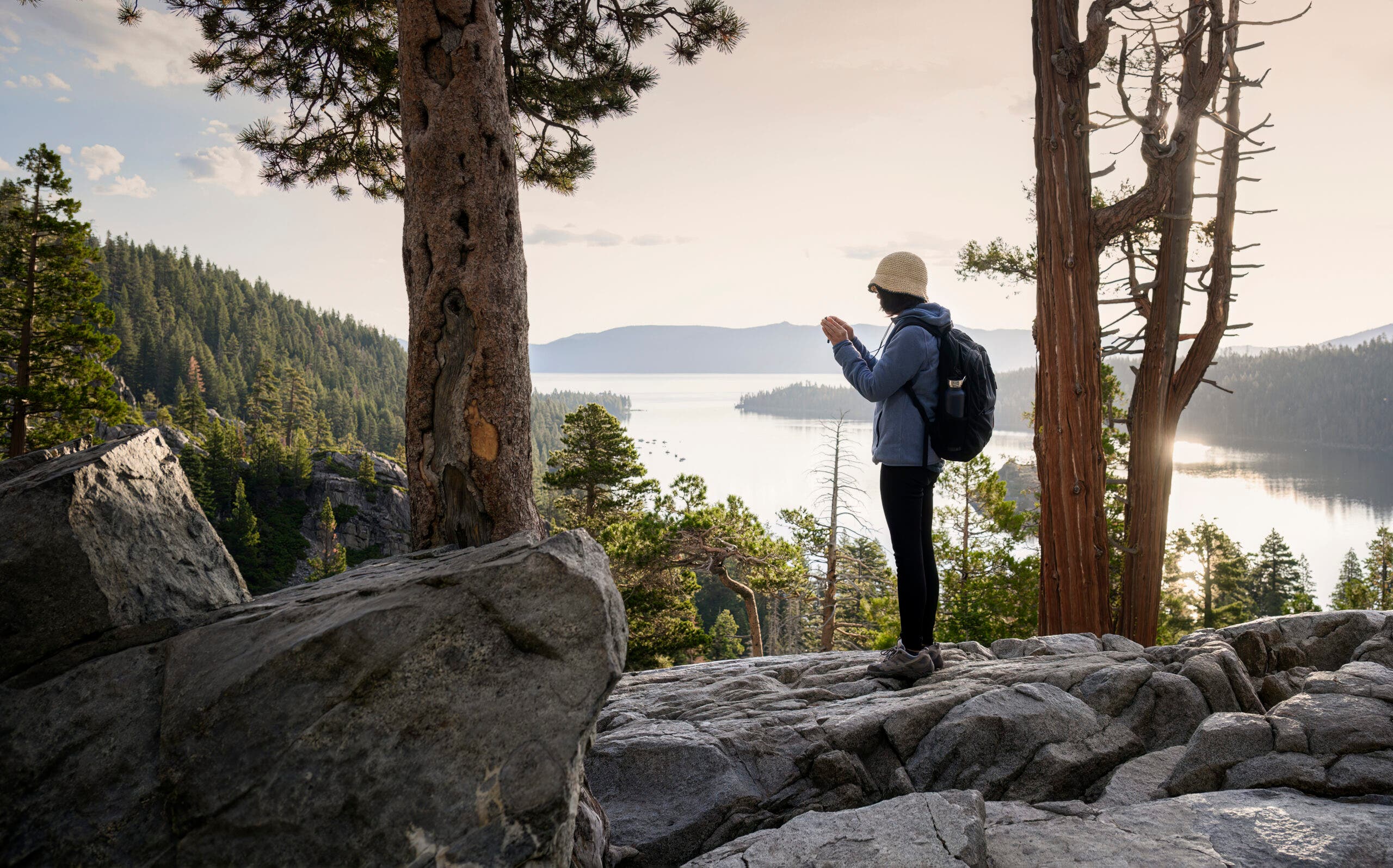
This behavioral shift has profound implications for environmental policy and tourism management. It suggests that by fostering awe, destination managers can naturally encourage visitors to follow "Leave No Trace" principles and support local ecology, reducing the need for heavy-handed enforcement or restrictive regulations.
The "Beyond Awestruck" Documentary Series
To translate these academic findings for a general audience, the research was chronicled in the three-part video series "Beyond Awestruck: The Scientific Search for Connection." The series serves as both a documentary of the study and a visual guide for the public on how to "practice awe."
- Part One: The Science of the Small Self – Explores the neurological basis of awe and how the brain processes vastness.
- Part Two: The Tahoe Laboratory – Documents the specific experiments conducted at sites like the Heavenly Gondola and Clearly Tahoe.
- Part Three: The Ripple Effect – Examines how the feelings of connection fostered by awe can lead to more compassionate societies and a healthier planet.
The series features interviews with Dr. Piff, local conservationists, and participants who describe their transformative experiences on the lake. It aims to democratize the benefits of the research, providing viewers with "awe-inducing" visuals even if they cannot physically visit the Sierra Nevada.
Reactions from the Scientific and Tourism Communities
The release of the study and the accompanying video series has garnered attention from both the scientific community and the travel industry. Environmental psychologists have praised the study for its large sample size and its focus on "real-world" stimuli rather than laboratory-based virtual reality.
"The UC Irvine study reinforces what many have suspected: that our relationship with the landscape is a fundamental part of our psychological health," said Sarah Jenkins, a researcher in ecopsychology not involved with the study. "The fact that they could measure these effects in as little as two minutes is a game-changer for how we think about urban planning and public park access."

Visit Lake Tahoe, the organization that collaborated on the project, has also responded to the findings. A spokesperson for the organization stated that the research "validates our mission to preserve the grandeur of the South Shore. We aren’t just managing a tourist destination; we are stewarding a resource that has a measurable, positive impact on the human spirit. This data gives us a new lens through which to promote responsible, mindful travel."
Broader Impact and Future Directions
As society grapples with rising rates of anxiety and a deepening climate crisis, the findings from Lake Tahoe offer a potential path forward. The concept of "green prescriptions"—where doctors prescribe time in nature for mental health—gains significant scientific backing from Dr. Piff’s work.
Furthermore, the study suggests that "awe-based" interventions could be integrated into education and corporate wellness programs. By encouraging individuals to step outside their "self-focused" bubbles and experience the vastness of the natural world, organizations may be able to foster greater collaboration and empathy among their members.
Future research is expected to look at the "long-term residency effect"—whether those who live in awe-inspiring places like Lake Tahoe maintain these psychological benefits permanently or if they become desensitized to the beauty over time. For now, the "Beyond Awestruck" project stands as a testament to the power of the natural world to heal, connect, and inspire.
In conclusion, the Lake Tahoe study provides a rigorous scientific framework for the age-old human intuition that nature is good for the soul. By quantifying the benefits of awe, Dr. Paul Piff and his team have shown that the preservation of places like Lake Tahoe is not just an aesthetic or ecological concern, but a matter of public psychological necessity. As the "Beyond Awestruck" series reaches a global audience, the hope is that more individuals will seek out their own "two minutes of awe," whether on the shores of a great alpine lake or in the small pockets of nature found within their own communities.



 Chandra Hamzah
 Gabriela Annisa
 Tatiana Tantri Indah Sari
 Budi Mulyono