
 Budi Mulyono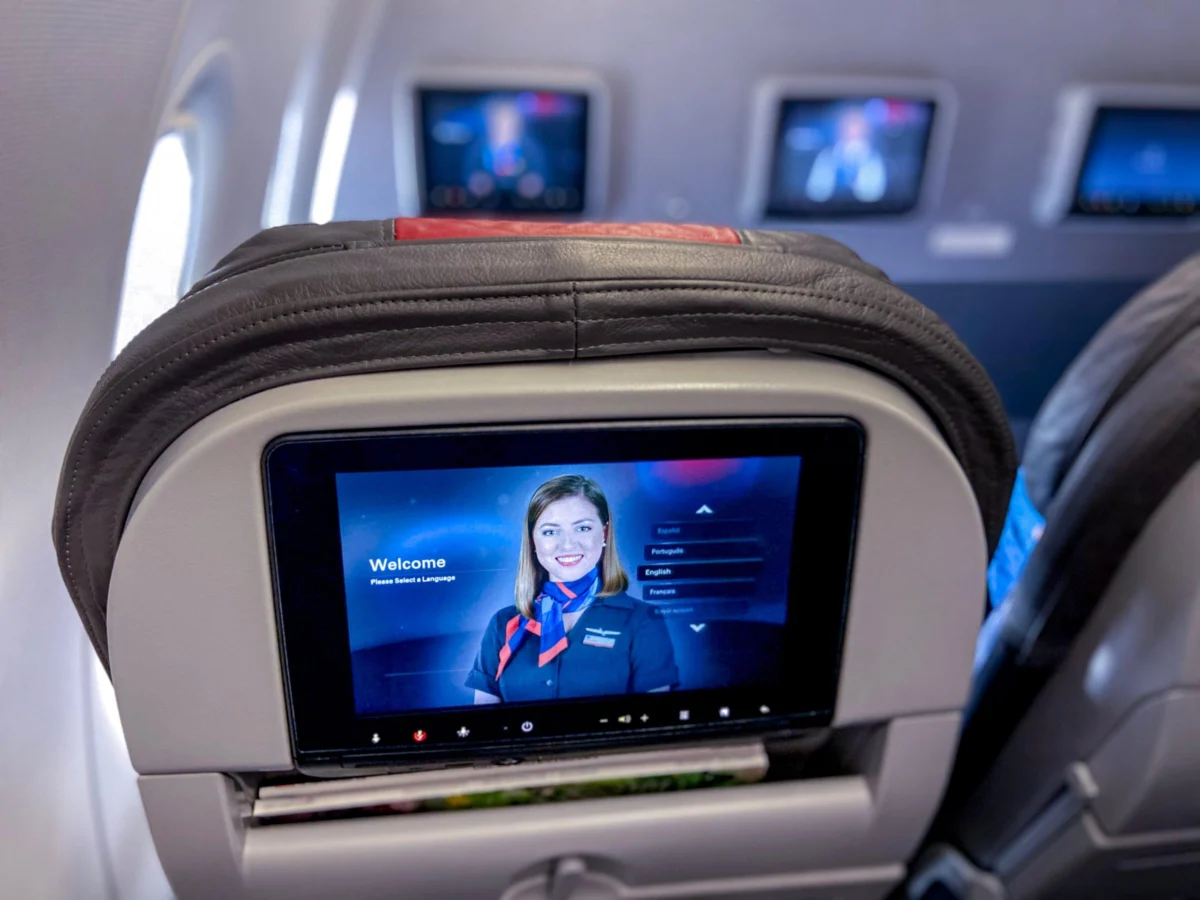
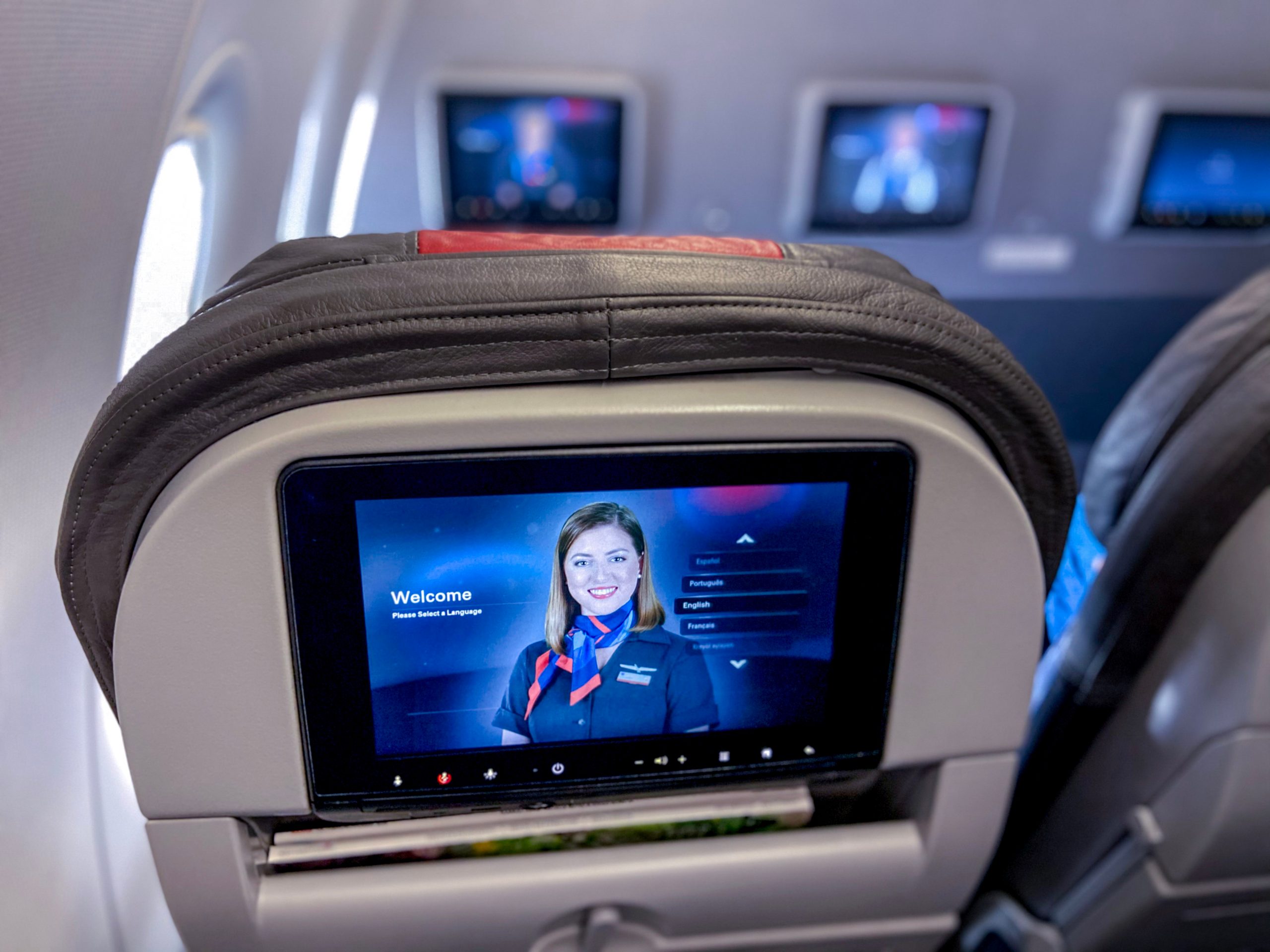
American Airlines is reportedly evaluating a significant strategic reversal that could see the return of seatback In-Flight Entertainment (IFE) screens to its narrowbody fleet, marking a potential end to an eight-year experiment with "Bring Your Own Device" (BYOD) entertainment. According to industry reports and financial disclosures, the Fort Worth-based carrier is under increasing pressure to modernize its cabin experience as rivals Delta Air Lines and United Airlines successfully leverage premium amenities to capture high-yield passengers. A final decision on the matter is expected as early as next month, as the airline’s leadership moves to address lackluster financial performance and a perceived erosion of its brand value in the domestic market.
The move represents a stark departure from a strategy initiated in 2017, when American Airlines became the first of the "Big Three" U.S. carriers to begin removing seatback screens from its short-haul and medium-haul aircraft. At the time, management argued that passengers preferred using their own smartphones and tablets, and that removing the heavy, expensive-to-maintain hardware would reduce aircraft weight, lower fuel consumption, and simplify maintenance. However, the subsequent years have seen a shift in consumer expectations, with seatback screens becoming a hallmark of the "premium" experience that travelers are increasingly willing to pay for.
The Genesis of Project Oasis and the Screenless Era
The transition away from seatback screens began in earnest in 2017 with the delivery of American’s first Boeing 737 MAX 8 aircraft. These planes debuted a new interior philosophy characterized by increased seat density, smaller lavatories, and the total absence of personal television screens. Instead, the airline offered high-speed Wi-Fi and a library of streaming content accessible on passengers’ personal devices.
This cabin configuration was eventually branded as "Project Oasis." In 2018, American began retrofitting its existing fleet of Boeing 737-800 and Airbus A321 aircraft to match the MAX 8 interior. The project was deeply unpopular with many frequent flyers, who coined the term "Project Misery" to describe the reduced legroom and the loss of integrated entertainment. Despite the criticism, American’s leadership remained committed to the plan, asserting that a superior domestic network and improved operational reliability would outweigh the loss of cabin amenities.
By 2021, the divide between the major carriers became even more pronounced. While American continued its screenless rollout, United Airlines announced its "United Next" program, which included the installation of seatback screens at every seat across its entire narrowbody fleet. Delta Air Lines, meanwhile, had maintained its commitment to screens throughout the decade, eventually integrating them into its "Delta Sync" ecosystem to provide a personalized, smart-TV-like experience for passengers.
Competitive Pressures and Financial Performance
The current reconsideration of seatback screens comes at a critical juncture for American Airlines. Recent financial results have shown the carrier trailing behind Delta and United in terms of profit margins and the ability to command premium fares. In the post-pandemic travel landscape, there has been a notable surge in demand for premium cabins and high-end amenities, a segment where American has struggled to maintain its competitive edge.
Industry analysts note that while budget-conscious travelers may prioritize price, the lucrative corporate and high-end leisure segments often choose carriers based on the "hard product"—the physical features of the cabin. By lacking seatback screens, American has inadvertently positioned itself closer to low-cost carriers like Southwest or Spirit in the minds of some consumers, making it difficult to justify the higher ticket prices associated with a full-service legacy airline.
In February 2026, American Airlines CEO Robert Isom addressed staff in an internal memo, promising to return the company to its status as the "world’s premium global airline." However, the memo initially suggested that the Oasis refits would continue, leading to concerns among investors and employees that the airline was doubling down on a flawed strategy. The news that a reversal is now under "serious consideration" suggests that the board of directors and executive leadership may have realized that a "premium" brand is incompatible with a stripped-back cabin.
The Technological Battle: Starlink vs. Amazon Leo
Central to the debate over seatback screens is the quality of in-flight connectivity. If an airline can provide Wi-Fi fast enough to stream 4K video seamlessly, the argument for seatback screens weakens. However, integrated screens offer a level of convenience—and a platform for advertising and loyalty integration—that personal devices cannot match.
American Airlines is currently exploring two major paths for its next-generation connectivity. The carrier has been in ongoing discussions with Amazon regarding its "Project Kuiper" (often referred to as Amazon Leo) satellite internet service. A potential deal with Amazon could be transformative, potentially including:
- Integration of Amazon Prime Video and Music into the IFE system.
- A partnership with the AAdvantage program, allowing members to earn or spend miles on Amazon purchases.
- High-speed, low-latency internet capable of supporting gaming and live streaming.
The primary obstacle to the Amazon partnership is timing. Amazon’s satellite constellation is still in the early stages of deployment and is not expected to be commercially viable for aviation until 2027 at the earliest. In contrast, SpaceX’s Starlink service is already being deployed at a rapid pace. United Airlines has already signed a massive deal with Starlink, promising free, high-speed internet to all passengers.
Reports indicate that American is now also in talks with Starlink, likely as a hedge against the delays facing the Amazon project. If American decides to reinstall seatback screens, the choice of Wi-Fi provider will be crucial, as the screens will need a robust data backbone to support modern, cloud-based entertainment features.
The Logistics and Costs of Reinstalling IFE
Reversing the decision to remove screens is not as simple as bolting monitors onto existing seats. The logistical and financial undertaking would be monumental. Analysts estimate that installing modern IFE systems can cost between $10,000 and $20,000 per seat, depending on the technology and the complexity of the integration.
For a fleet as large as American’s—which operates hundreds of Boeing 737s and Airbus A320-family aircraft—the total cost could easily exceed $500 million. Beyond the capital expenditure, there are other factors to consider:
- Weight and Fuel: Modern screens are significantly lighter than those from a decade ago, but they still add hundreds of pounds to an aircraft. This increases fuel burn and carbon emissions, complicating the airline’s sustainability goals.
- Down-Time: Each aircraft would need to be taken out of service for several days or weeks to undergo the retrofit, impacting flight schedules and revenue.
- Maintenance: Seatback screens are notorious for hardware failures. American would need to re-establish a supply chain for parts and train maintenance crews to service the systems.
Despite these hurdles, the cost of not acting may be higher. If American continues to lose market share in the premium segment, the long-term impact on its valuation and revenue could far exceed the half-billion-dollar price tag of a fleet-wide retrofit.
Industry Trends and Passenger Psychology
The shift back toward seatback screens reflects a broader understanding of passenger psychology. While almost every traveler carries a smartphone, the "lean-back" experience of a seatback screen is fundamentally different from the "lean-forward" experience of holding a device. Seatback screens do not require a charged battery, they don’t occupy the tray table, and they allow passengers to keep their personal devices free for messaging or work while a movie plays on the screen.
Furthermore, seatback screens serve as a vital communication tool for the airline. They provide a captive audience for safety videos, destination marketing, and loyalty program promotions. For American Airlines, reintroducing screens would provide a fresh canvas to engage with its AAdvantage members and showcase its "premium" aspirations.
Conclusion and Future Outlook
The next month will be a defining period for Robert Isom’s tenure as CEO. If American Airlines chooses to reinvest in seatback screens, it will be a humilating but perhaps necessary admission that the "Project Oasis" strategy was a miscalculation of consumer sentiment. It would signal a move away from the "ultra-low-cost" mentality that has permeated the airline’s domestic strategy for nearly a decade.
Should the board approve the plan, passengers can expect a multi-year rollout. The first "new" screens would likely appear on new aircraft deliveries, followed by a phased retrofit of the existing fleet. Combined with a potential high-speed Wi-Fi deal with Starlink or Amazon, American Airlines could finally find itself on equal footing with Delta and United.
For now, the aviation industry remains watchful. The decision will not only impact American’s bottom line but will also serve as a definitive verdict on the "Bring Your Own Device" era of aviation. If the world’s largest airline decides that screens are essential, it will likely cement the seatback monitor as a permanent fixture of the modern flying experience for decades to come.


 Chandra Hamzah
 Gabriela Annisa
 Tatiana Tantri Indah Sari
 Anjar Salim