
 Anjar Salim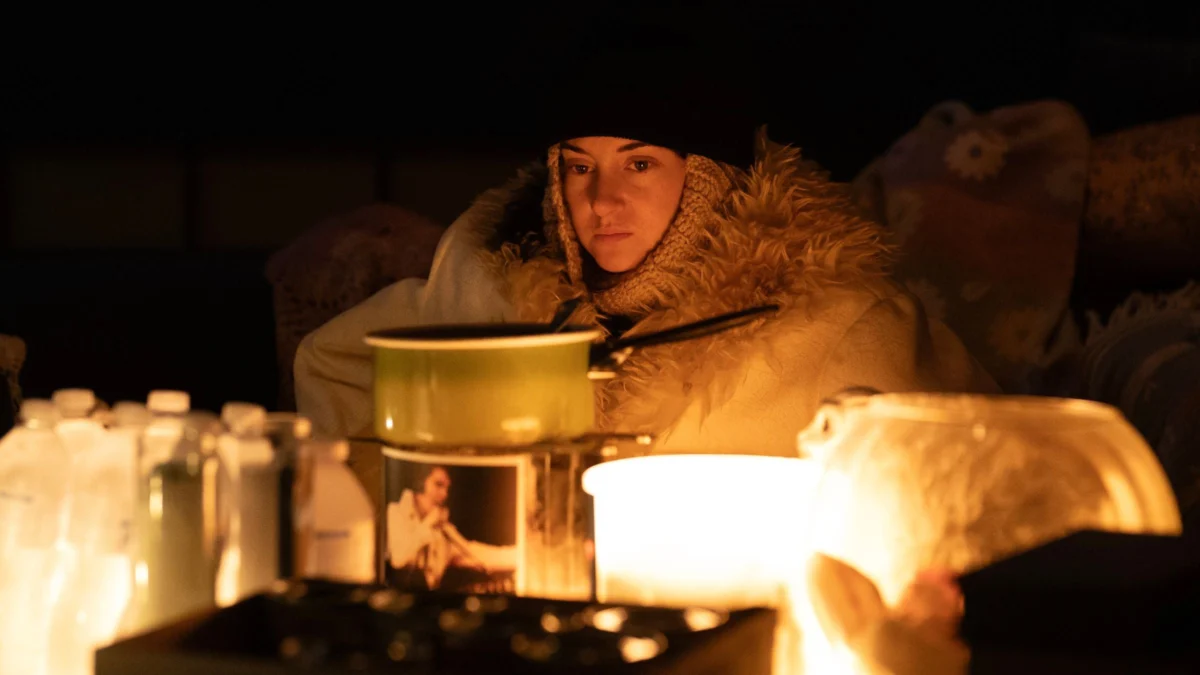
The premise of the hit Hulu series Paradise, which centers on a catastrophic subglacial volcanic eruption in Antarctica, has captivated audiences by blending high-stakes disaster drama with the granular details of long-term isolation. As the protagonist Annie Clay, portrayed by Shailene Woodley, navigates 689 days of solitude within the confines of Elvis Presley’s Graceland estate, the narrative raises significant questions regarding human endurance and nutritional science. Specifically, the show’s depiction of a survivor subsisting almost exclusively on Bush’s Vegetarian Baked Beans for nearly two years has prompted a rigorous examination by medical professionals, survival experts, and nutritionists to determine the feasibility of such a restricted diet in an apocalyptic scenario.
The Catalyst of Global Collapse: The Antarctic Subglacial Eruption
The fictional timeline of Paradise begins on March 27, 2026, with a seismic event of unprecedented proportions. Scientists in the series describe a massive volcanic eruption occurring beneath the Antarctic ice sheet. In real-world geological terms, such an event is a recognized, albeit rare, threat. Antarctica is home to one of the world’s largest volcanic regions, and a subglacial eruption of this magnitude would theoretically displace massive volumes of meltwater, triggering the global tsunamis depicted in the show.
In the series, the resulting ash cloud creates a "volcanic winter," obscuring the sun and causing a total collapse of global agriculture and infrastructure. For Annie Clay, a medical student, the immediate aftermath involves seeking refuge in one of the few structures left standing in her vicinity: Graceland. With the power grid destroyed and communication lines severed, her survival becomes a matter of caloric math and shelf-stable inventory. Her primary resource is a vast stockpile of canned beans, a choice that serves as both a plot device and a focal point for nutritional debate.
Nutritional Profile of a Mono-Diet: The Benefits of Legumes
To understand if a human can survive on beans alone, one must first analyze the nutritional composition of the legume. According to Cal Coblentz, a former survival, evasion, resistance, and escape (SERE) specialist for the United States Air Force, beans are among the most viable "survival foods" available. They are a rare plant source that provides a nearly complete profile of essential macronutrients.
A standard serving of canned vegetarian baked beans offers a significant amount of plant-based protein, complex carbohydrates, and dietary fiber. Dr. Vikram Tarugu, a board-certified gastroenterologist, notes that beans are also rich in essential minerals, including iron, folate, magnesium, and potassium. From a longevity standpoint, Avery Zenker, a registered dietitian, points out that replacing animal proteins with plant proteins is historically linked to improved cardiovascular health and reduced inflammation—factors that would be beneficial in a high-stress survival environment.
However, the transition to such a diet is rarely seamless. Nutritionists suggest that the initial 48 hours of an all-bean diet would be characterized by significant gastrointestinal distress. The high fiber content—often exceeding 15 grams per cup—would lead to bloating and flatulence as the gut microbiome struggles to ferment the sudden influx of complex sugars known as oligosaccharides.
The Timeline of Physiological Decay
As Annie Clay’s isolation moves from weeks into months, the physiological implications of her diet become more dire. Experts have mapped out a hypothetical timeline for a survivor in her position:
The First Week: Digestive Adaptation and Flavor Fatigue
Within the first seven days, the body enters a state of "flavor fatigue," a psychological phenomenon where the repetition of a single food source leads to a decreased appetite, even in the presence of hunger. Meg Bowman, a licensed integrative clinical nutritionist, explains that the initial digestive response often results in "osmotic diarrhea," as the body reacts to the high fiber and sugar content found in canned beans. This could lead to dangerous levels of dehydration in a survival scenario where clean water is limited.
One to Six Months: The Onset of Micronutrient Deficiency
By the third month, the body’s internal systems begin to falter due to the absence of key vitamins. While beans provide minerals, they are notoriously devoid of Vitamin C (ascorbic acid). Vitamin C is essential for the synthesis of collagen, the primary structural protein in skin and connective tissues.
Cal Coblentz emphasizes that the most immediate threat after the first 90 days is scurvy. Historically a scourge of mariners, scurvy manifests through fatigue, joint pain, and the reopening of old wounds. Without Vitamin C, the body cannot absorb iron efficiently, leading to anemia. In the show, Annie is seen attempting to cultivate a purple flower as the sun begins to return; however, the lack of diverse vegetation means her Vitamin C intake remains critically low.
Six Months to Two Years: The "Survival vs. Thriving" Threshold
The 689-day mark—nearly two years—is where the show’s realism faces its toughest critique. Ashley Kitchens, a plant-based registered dietitian, distinguishes between "surviving" and "thriving." While the body can enter a state of metabolic preservation to stay alive, the lack of Vitamin B12, Vitamin D, and essential fatty acids (Omega-3s) would lead to cognitive decline, bone density loss, and a weakened immune system.
The Beau Miles Precedent: A Real-World Case Study
The plausibility of Annie Clay’s survival finds a surprising parallel in a 2020 experiment conducted by adventure filmmaker Beau Miles. During the COVID-19 lockdowns, Miles documented his experience of eating nothing but canned beans for 40 consecutive days, consuming a total of 191 cans.
Miles reported significant changes in his physical output and mental state. While he remained functional and even continued to engage in physical labor, he noted a persistent lethargy and a psychological toll from the lack of dietary variety. While 40 days is a far cry from 689, Miles’ experiment proved that the human digestive system is remarkably resilient to a legume-heavy diet in the short term, provided there is adequate hydration. However, Miles’ experiment did not account for the extreme environmental stressors of a post-volcanic winter, such as radiation or sub-zero temperatures.
Medical and Survival Expert Consensus
The consensus among the experts interviewed—including Dr. Tarugu and various dietitians—is that Annie Clay’s appearance in the later stages of Paradise is somewhat "suspiciously" healthy. In a realistic scenario, a survivor after two years on beans would likely suffer from:
- Dental Degradation: The lack of Vitamin C would cause gums to recede and teeth to loosen or fall out.
- Muscle Atrophy: While beans provide protein, the lack of a complete amino acid profile (specifically methionine, which is low in most beans but high in grains) would make maintaining muscle mass difficult over years.
- Cognitive Fog: Deficiencies in B-vitamins and healthy fats are linked to depression and impaired decision-making, a dangerous combination for a lone survivor.
Dr. Tarugu notes, "Living well without major deficiencies for almost two years on beans alone is unrealistic without close medical oversight or supplementary foraging." Annie’s background as a medical student is her only saving grace; the show implies she uses her knowledge to manage her caloric output and monitor her symptoms, perhaps finding ways to mitigate the worst effects of her restricted diet.
Broader Implications and Cultural Impact
The fascination with Annie Clay’s "bean diet" reflects a broader cultural interest in "prepper" logic and the science of human resilience. Paradise utilizes the mundane reality of a pantry staple to ground its fantastical apocalypse in something relatable. From a public health perspective, the discussion highlights the importance of food diversity and the often-overlooked necessity of micronutrients in disaster preparedness.
The show also touches on the environmental impact of such a disaster. Coblentz points out that in a post-volcanic or post-nuclear world, any surface-level vegetation would likely be contaminated by radiation or toxic ash. This makes canned goods not just a convenience, but a literal shield against environmental toxins, as the hermetic seal of a can protects the contents from atmospheric fallout.
Conclusion: The Final Verdict on Survival
As the second season of Paradise approaches its finale on March 30, the debate over Annie Clay’s survival strategy continues to trend among viewers and science enthusiasts alike. While the biological reality of a two-year bean diet suggests a much grimmer physical outcome than the one depicted on screen, the narrative serves as a testament to the human will to endure.
The show successfully illustrates that while beans may be the "holy grail" of shelf-stable survival, the human body requires more than just calories to remain whole. Whether Annie Clay will face the long-term consequences of her diet in the upcoming episodes remains to be seen. For now, Paradise remains a compelling study of how far the human spirit—and the human stomach—can be pushed when the world goes dark.




 Chandra Hamzah
 Tatiana Tantri Indah Sari
 Budi Mulyono
