
 Anjar Salim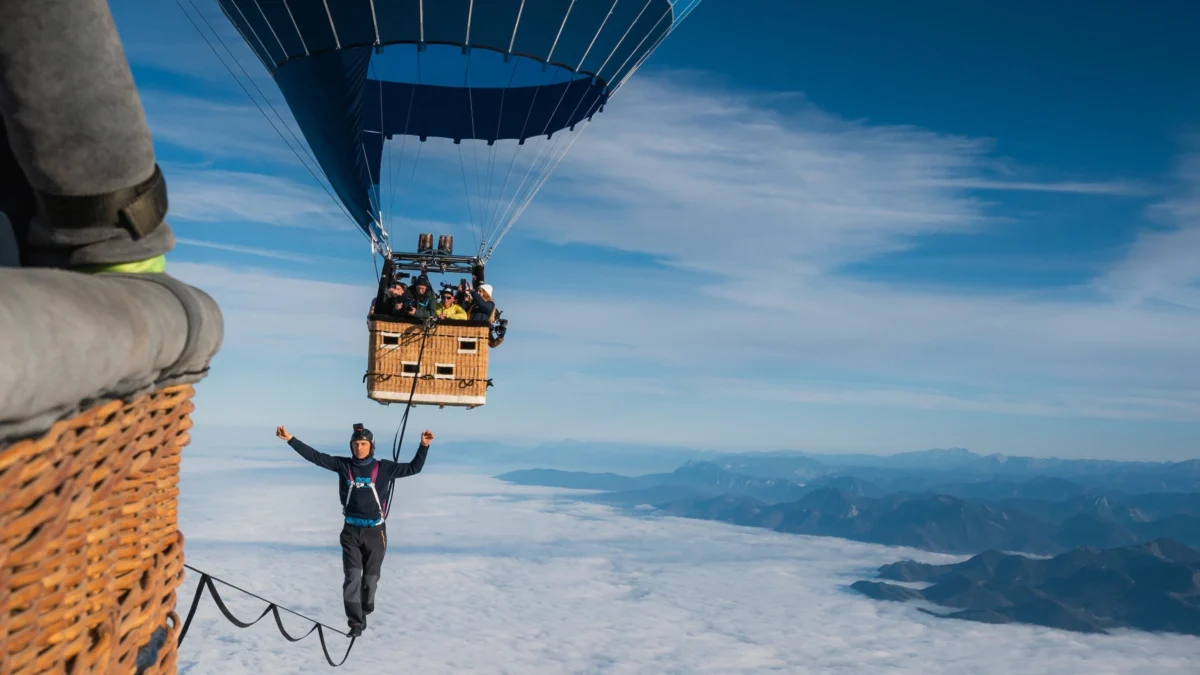
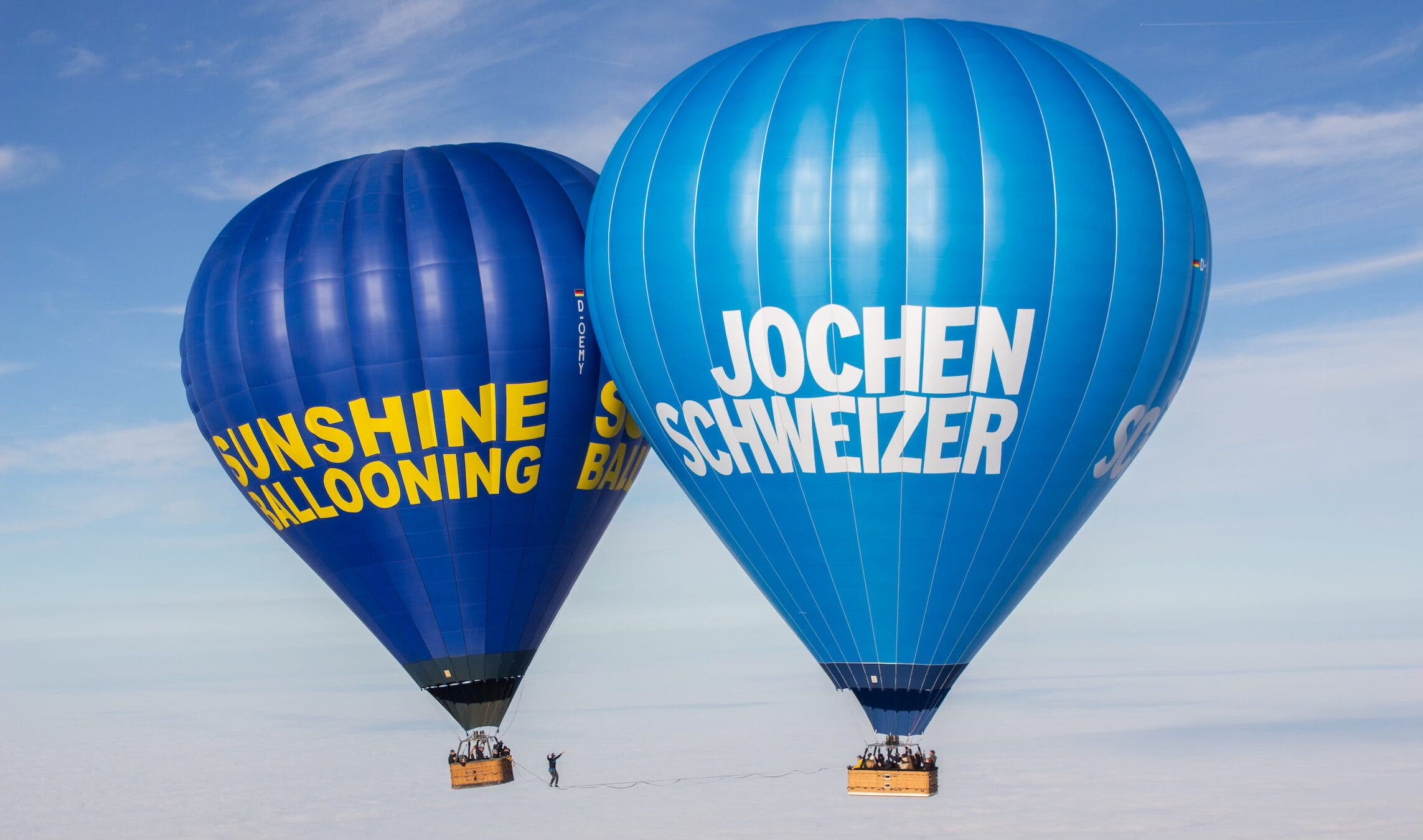
In a landmark achievement for extreme sports, German professional slackliner Friedi Kühne, alongside his long-time partner Lukas Irmler, officially secured a Guinness World Record for the highest highline walk ever recorded. On November 9, 2024, the athletes successfully traversed a 62-foot-long (19-meter) slackline suspended between two hot air balloons at an altitude of 8,202 feet (2,500 meters) above the town of Riedering in Upper Bavaria, Germany. The feat, which culminated in Kühne detaching his safety leash and parachuting to the ground, represents a pinnacle of technical engineering, physical coordination, and psychological endurance in the burgeoning field of highlining.
The event, which was recently detailed in a retrospective by the athlete and corroborated by official record-keeping bodies, surpasses previous altitude records for slacklining. While traditional highlining involves tensioning a line between two static points, such as canyon walls or skyscrapers, the use of two independent, floating anchors—hot air balloons—introduced a level of instability and complexity rarely seen in the sport.
Technical Execution and the Challenge of Moving Anchors
Highlining is distinguished from traditional tightrope walking by the nature of the equipment used. While tightropes are typically rigid, static cables made of steel, slacklines consist of flat polyester or nylon webbing that remains dynamic and stretchy. This elasticity requires the athlete to constantly adjust their center of gravity to compensate for the "swing" and "bounce" of the line.
The Riedering mission increased these variables exponentially. Unlike fixed anchors, hot air balloons are subject to thermal currents, wind shifts, and the rotational torque caused by the weight of the athlete. During the record attempt, the two balloons were not only moving vertically and horizontally in relation to one another but were also spinning. Kühne reported that at one point during his traverse, the balloons rotated so rapidly that his entire visual horizon shifted within the span of three steps, momentarily disorienting his sense of balance.
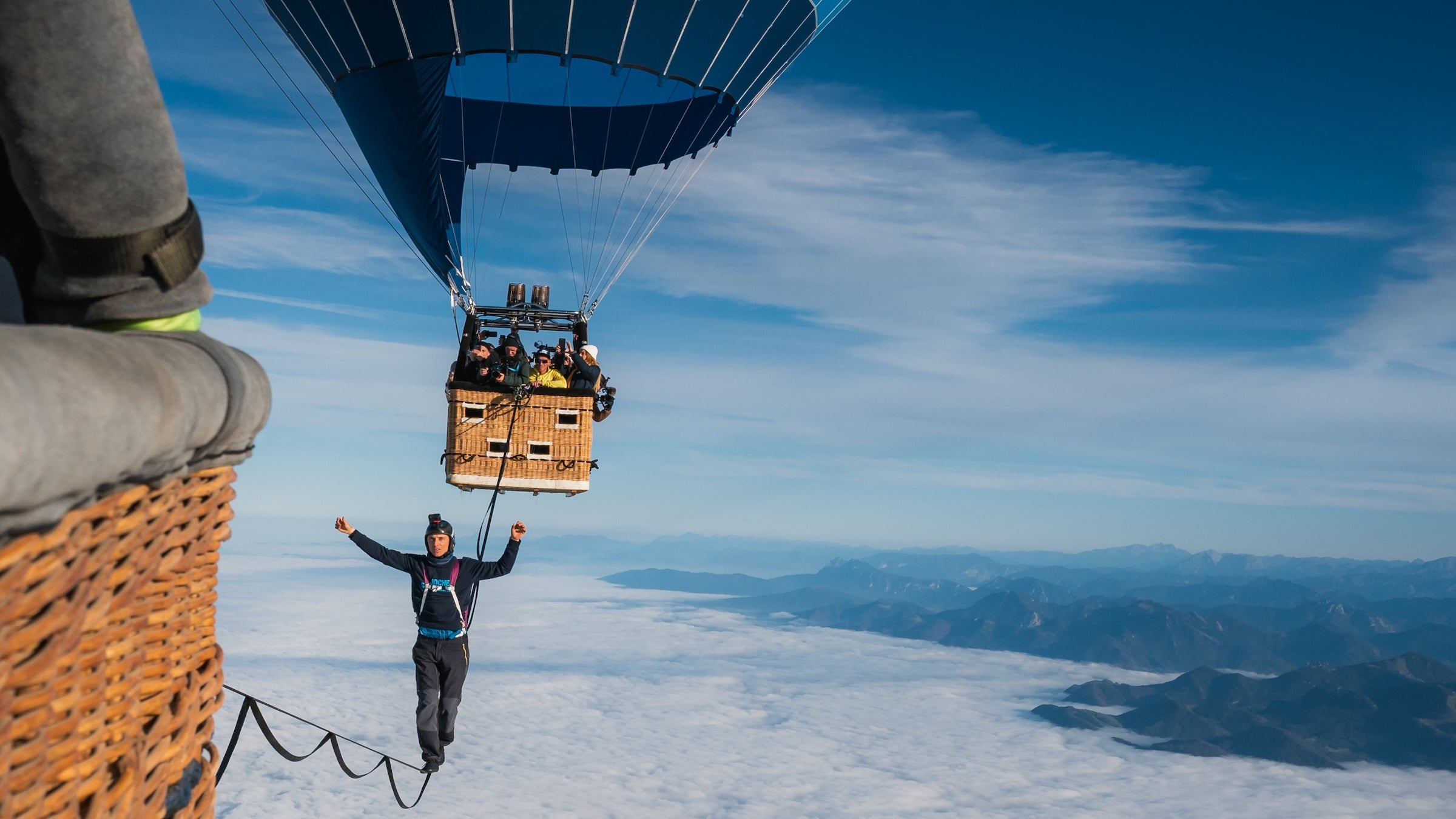
To manage the inherent risks of the stunt, the team utilized a complex rigging system. The 62-foot line was initially rigged while the balloon baskets were in close proximity. As the pilots ascended to the target altitude of over 8,000 feet, they had to maintain precise coordination to keep the line at the correct tension. A specialized quick-release mechanism was integrated into the anchors, allowing the pilots to instantly detach the line in the event of an emergency. This safety protocol ensured that if one balloon experienced a sudden loss of stability, the slackliner could be safely released to either hang from a single point or deploy a parachute.
A Decade of Preparation: The Project Chronology
The successful record attempt in November 2024 was the result of a ten-year development cycle. The concept was first conceived in 2014 by Kühne and Irmler, both of whom have been prominent figures in the international slacklining community for nearly two decades.
The timeline of the project highlights the logistical hurdles involved in extreme highlining:
- 2014: Initial concept phase and search for specialized balloon pilots capable of high-precision hovering.
- 2015–2022: Kühne and Irmler focus on intermediate records, including world-record distances (nearly two miles long) and free solo (unleashed) walks to build the necessary psychological resilience.
- 2023: Engineering of the quick-release system and safety protocols for high-altitude balloon traverses.
- November 9, 2024: The record-breaking flight takes place over Riedering, Germany.
- January 2025: Guinness World Records officially verifies the altitude of 2,500 meters (8,202 feet), confirming the new world record.
- March 2026: Kühne releases his memoir, Above the Abyss, detailing the technical and emotional journey of the feat.
The difficulty of securing a willing team of pilots was a primary factor in the project’s long gestation. The operation required pilots to fly in close formation, a maneuver that is inherently dangerous due to the risk of balloon envelopes colliding or heat from one burner affecting the buoyancy of the adjacent craft.
The Physiology and Psychology of Extreme Altitude
Beyond the technical requirements, the record attempt provided a case study in the human "flow state"—a psychological phenomenon defined by Mihaly Csikszentmihalyi as an optimal state of consciousness where an individual feels and performs their best. For Kühne, the transition into this state was a survival necessity.
As the athlete stepped onto the line a mile and a half above the earth, the surge of adrenaline served as a catalyst for heightened sensory perception. Experts in sports psychology note that in high-stakes environments, the brain suppresses non-essential information, focusing entirely on the immediate physical feedback of the line. Kühne described this as "survival mode," where the past and future cease to exist, and the athlete becomes entirely responsive to the micro-movements of the webbing.
This mental discipline is a hallmark of Kühne’s career. Having started slacklining at age 19, he has spent 17 years conditioning his nervous system to remain calm in life-threatening situations. His repertoire includes "free soloing," the practice of walking highlines without a safety leash. While the balloon record utilized a leash for the initial traverse, the presence of a parachute allowed for a "hybrid" approach, where the final exit from the line involved a deliberate fall into the abyss.
Industry Context and Comparative Data
The slacklining community has seen a rapid escalation in record-breaking activities over the last decade. As the sport has evolved from a niche hobby in Yosemite National Park in the 1980s to a global professional discipline, the boundaries of what is considered "possible" have shifted.
Comparison of notable slacklining milestones:
- Standard Highline: Typically 30 to 100 feet above ground.
- Previous Altitude Records: Various attempts between 4,000 and 6,000 feet, often in mountain ranges.
- The 2024 Record: 8,202 feet (approx. 1.55 miles) above ground level.
- Distance Records: Kühne previously participated in a walk nearly two miles in length, though that attempt involved falls, distinguishing it from a "full send" (a clean walk without falling).
The official verification by Guinness World Records underscores the professionalization of the sport. To qualify for such a record, athletes must provide GPS data, altimeter readings, and continuous video footage to prove that the traverse was completed without the athlete using the line for support other than their feet.

Broader Implications and Safety in Extreme Sports
The success of the Riedering mission has broader implications for the perception of risk and safety in extreme sports. While the visual of a man walking between two balloons appears reckless to the lay observer, the reality is a highly calculated operation involving redundant safety systems and expert meteorological monitoring.
The use of a parachute as a primary safety device represents an intersection between highlining and BASE jumping. This "multi-sport" approach is becoming more common among elite athletes who seek to mitigate the risks of gear failure by having secondary and tertiary exit strategies.
Furthermore, the publication of Kühne’s book, Above the Abyss: Finding Strength, Stillness, and Survival on the Slackline, suggests a growing public interest in the philosophy of extreme sports. Kühne argues that these stunts are not merely for the pursuit of "cheap thrills" but are modern methods of reconnecting with primal human emotions and the instinct for survival. He posits that by intentionally placing oneself in a controlled environment of extreme consequence, an individual can gain a profound sense of self-trust and mental clarity that translates to everyday life.
Conclusion
The November 2024 record set by Friedi Kühne and Lukas Irmler stands as a testament to the evolution of human balance and engineering. By conquering the "moving anchors" of hot air balloons at an altitude exceeding 8,000 feet, the team has pushed the limits of the sport into a new stratosphere. As highlining continues to gain traction, both as a competitive discipline and a psychological pursuit, the Riedering traverse will likely remain a benchmark for years to come. For Kühne, the record is not just a statistical achievement but a validation of a decade-long vision to find stillness in the most unstable of environments.



 Chandra Hamzah
 Tatiana Tantri Indah Sari
 Budi Mulyono
