
 Hendra Ismail
A look at the must-read news stories impacting the hospitality industry this week, exploring urban development in Africa, the expansion of cultural institutions, philanthropic design initiatives, the growing influence of health-focused architecture, and the comprehensive agenda for a leading industry trade show.
Manhattan’s New Museum Reopens with Significant Expansion, Redefining Cultural Engagement
New York City’s Lower East Side is buzzing with renewed cultural energy as the New Museum officially reopened its doors on March 27th, 2026, following an extensive four-year renovation and expansion project. Spearheaded by the collaborative efforts of OMA and Cooper Robertson, the ambitious undertaking has not only doubled the museum’s gallery space but has also fostered a more integrated and dynamic visitor experience, setting a new benchmark for cultural institutions in the urban landscape.
The $70 million expansion, as detailed by museum officials, has added approximately 10,450 square feet of crucial exhibition area. This significant increase is distributed across the museum’s second, third, and fourth floors, providing artists with greater canvas for their creations and allowing for a richer curation of contemporary art. Crucially, these expanded galleries are now seamlessly connected to the neighboring SANAA building’s exhibition spaces, effectively creating a unified and fluid artistic environment. This architectural bridging is facilitated by the installation of two new passenger elevators and a central atrium staircase, which collectively enhance visitor circulation and introduce new opportunities for site-specific installations within the circulation pathways themselves.
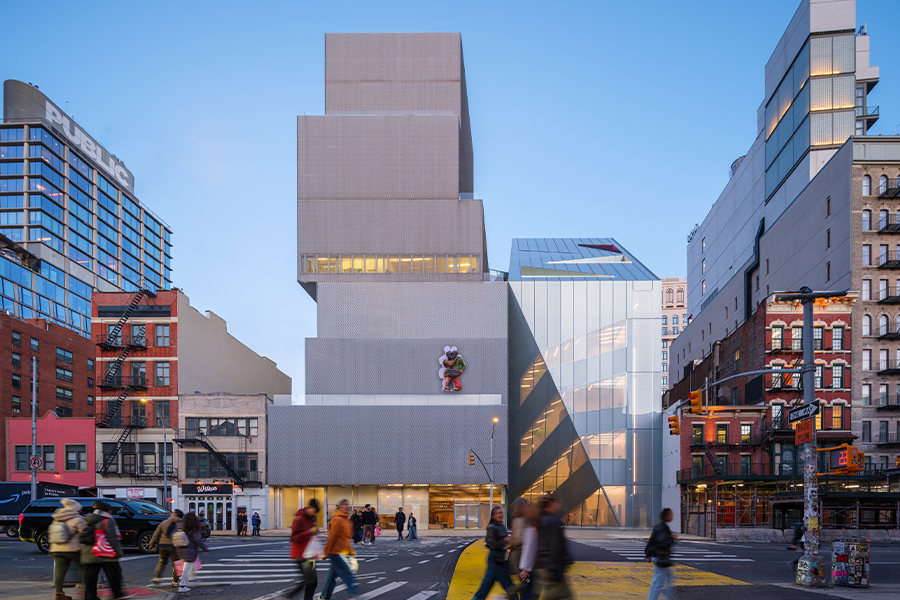
The reimagined entrance and lobby areas, now spanning both architectural edifices, have been transformed into a vibrant hub for engagement. This expanded space now houses a state-of-the-art augmented reality-enabled bookstore, a full-service restaurant designed to cater to a diverse clientele, and a flexible area dedicated to public programming and special events. These additions underscore the museum’s commitment to serving as more than just an exhibition space, aiming to become a dynamic community center for art enthusiasts and the broader public. Furthermore, the expansion offers unparalleled views of the Manhattan skyline, with new terraces gracing the three uppermost floors and an enlarged seventh-floor Sky Room, providing visitors with both artistic and panoramic perspectives.
This expansion represents a significant investment in the cultural infrastructure of New York City and signals a commitment to preserving and enhancing the artistic heritage of the Lower East Side. The project’s completion is anticipated to draw increased tourism and contribute to the neighborhood’s ongoing revitalization, reinforcing its status as a global center for contemporary art.
Michael Hsu Office of Architecture Extends Pro Bono Design Initiative to Texas Nonprofits
The Michael Hsu Office of Architecture (MHOA), a Houston-based firm renowned for its distinctive design approach, has announced the continuation of its impactful "Design for All" initiative for 2026. This program offers a significant pro bono design and consultation package, valued at $20,000, to a deserving nonprofit organization within Texas. The firm has extended an invitation for applications from organizations situated within a 50-mile radius of Houston, Austin, or Dallas-Fort Worth, underscoring its commitment to supporting community-focused entities across the state.
The "Design for All Partnership," now in its latest iteration, seeks to leverage MHOA’s architectural expertise to address the spatial and functional needs of nonprofits that may otherwise lack the resources for professional design services. This initiative highlights a growing trend within the design and architecture sectors to engage in socially responsible practices and contribute tangible value to underserved communities. The application window for this year’s program closes on May 15th, 2026, with the selected recipient slated for announcement on June 26th.
Past beneficiaries of this generous program include organizations such as American YouthWorks and Central Texas Table of Grace, both of which have seen their facilities and operational capacities enhanced through MHOA’s design interventions. These past successes demonstrate the profound impact that strategic architectural planning can have on the efficacy and reach of nonprofit operations, from optimizing educational spaces to improving community service delivery. The program not only provides design services but also fosters a collaborative relationship, ensuring that the final design solutions are deeply aligned with the organization’s mission and operational realities.
The continuation of this initiative by Michael Hsu Office of Architecture underscores a commitment to architectural altruism and recognizes the critical role that thoughtful design plays in empowering community organizations to better serve their constituents. This program serves as a model for how established firms can contribute to the social fabric of their communities through their core competencies.
Africa’s Evolving Skylines: Supertalls Spark Debate on Growth, Identity, and Global Influence
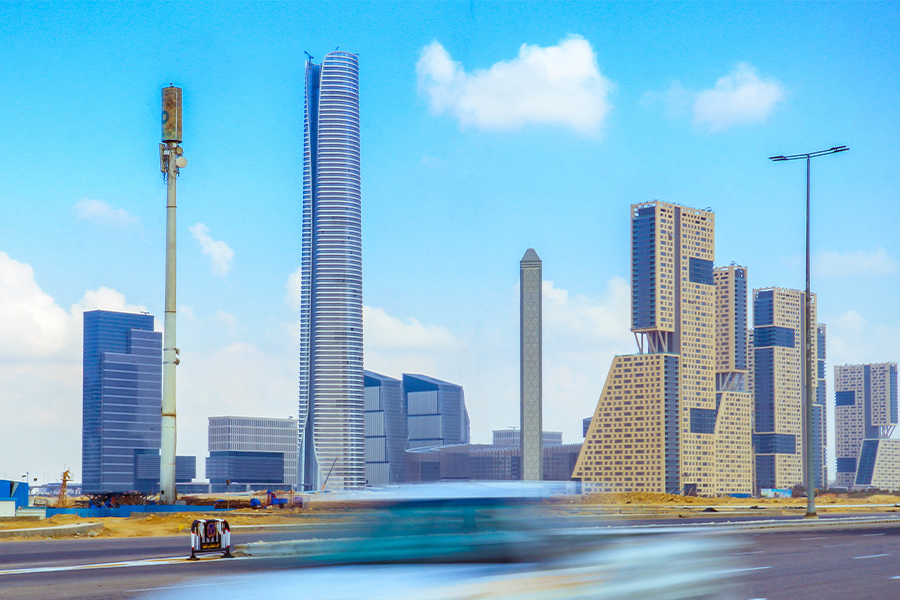
The African continent is witnessing a dramatic transformation of its urban landscapes, marked by the rapid ascent of supertall skyscrapers. As construction progresses on the 1,381-foot-tall Tour F in Abidjan, designed by Lebanese-Ivorian architect Pierre Fakhoury, it is poised to dethrone Egypt’s Iconic Tower as Africa’s tallest building upon its completion later this year. The Iconic Tower, which stands at 1,293 feet and was completed in 2024, had itself only recently claimed the title, surpassing the nearly five-decade reign of Johannesburg’s Carlton Centre.
This proliferation of supertalls is widely seen as a tangible manifestation of Africa’s burgeoning economic growth and developmental momentum. However, the implications of these towering structures extend beyond mere economic indicators, prompting a broader discussion about their symbolic meaning and contextual relevance. The Pan-African Biennale of Architecture has raised critical questions, suggesting that the rapid erection of such mega-projects may, in some instances, indicate a detachment from local traditions, vernacular architectural styles, and even the practical considerations of existing infrastructure, such as electrical grid capacity.

Further complicating this narrative, reports in Dezeen highlight that a significant portion of this recent development is being driven by Chinese developers and construction firms. This observation lends credence to the Biennale’s assertion that some new constructions may not fully embody or reflect the diverse cultural identities present across the African continent. While the surge in mixed-use, residential, and office towers undeniably symbolizes economic confidence and a forward-looking perspective for many, there remains a debate as to whether these structures primarily represent genuine progress or serve as status symbols on a global stage.
The construction of these supertalls necessitates a careful consideration of urban planning principles, cultural preservation, and sustainable development. As African cities continue to grow and modernize, the dialogue around how architectural ambition intersects with identity and local context will become increasingly vital in shaping the continent’s future urban fabric. The challenge lies in ensuring that development fosters authentic growth that is both economically beneficial and culturally resonant.
Designing for Longevity: The Built Environment’s Role in Health and Well-being
The pursuit of healthier lifestyles is increasingly extending beyond the realm of personal habits and wellness trends, with a growing focus on the profound impact of the built environment. A recent exploration in AD Pro delves into how the very spaces we inhabit – from the materials we touch to the air we breathe and the layouts that structure our daily lives – can significantly influence our long-term health and longevity. This shift in perspective highlights the critical role of architecture and interior design in proactively supporting well-being.
The article aggregates insights into the selection of optimal products, spatial configurations, finishes, air filtration systems, and surface materials for both residential and commercial spaces. The underlying principle is that healthier materials and thoughtful, science-led design decisions are no longer niche considerations but are becoming essential components of responsible design practice. This approach aims to create environments that inherently promote health and reduce exposure to harmful elements.
Simultaneously, a separate analysis in Condé Nast Traveler from the previous year shed light on how affluent globetrotters are approaching longevity through a more experiential lens. This segment of the market is embracing a suite of cutting-edge wellness practices, often integrated into their travel and lifestyle choices. These include modalities such as infrared saunas, advanced breathwork techniques, cryotherapy, and various biohacking methodologies. For these discerning individuals, amenities offer a more immediate and tangible pathway to perceived health optimization and enhanced vitality.
The convergence of these two perspectives – one focused on the foundational, long-term benefits of healthy design, and the other on the immediate, often technologically advanced, wellness interventions – illustrates a multifaceted approach to longevity. For professionals in the hospitality sector, understanding both the enduring impact of well-designed spaces and the emerging demand for advanced wellness amenities presents a significant opportunity to cater to a clientele increasingly invested in their long-term health and quality of life. The development of projects like "The Estate by sbe," a luxury hotel platform centered on preventative medicine and longevity, exemplifies this growing market trend.
HD Expo + Conference 2026: A Comprehensive Agenda for Industry Innovation
With the highly anticipated HD Expo + Conference just under six weeks away, set to convene at Mandalay Bay, the event’s programming for 2026 promises a robust and insightful agenda designed to address the evolving landscape of the hospitality industry. Scheduled from May 3rd to May 7th, the conference offers a multifaceted platform for education, networking, and discovery, featuring a diverse array of sessions and events tailored to industry professionals.
The opening days of the expo will feature signature programs such as HD University, providing in-depth educational sessions, and the prestigious Women in Design Awards Breakfast, celebrating influential figures in the field. Tuesday, May 5th, will highlight exclusive panels on the show floor, including discussions on "Wellness by Design: Seamless Technology Experiences from Hotel to Home," exploring the integration of health-conscious technology across hospitality environments. Another key session, "Beyond Aesthetics: Identity, Soul, and Revenue – The New Hospitality Equation," will delve into the strategic importance of brand narrative and guest experience. Furthermore, "In the Principal’s Office: Words of Wisdom from Designers at the Helm" will offer valuable insights from leading design principals.

Wednesday, May 6th, will see Dr. Gautam Gulati of The Well Home participating in two sessions focused on the critical intersection of health and hospitality, addressing the growing demand for wellness-oriented spaces. Additional sessions on Wednesday include "Beyond Buzzwords: Generational Shifts and the Future of Hospitality," examining how demographic changes are shaping guest expectations, and "Designing at the Edge: Global Lessons in Hospitality from Netflix’s Restaurants on the Edge," offering unique perspectives from unconventional hospitality ventures.
The conference will conclude on Thursday, May 7th, with sessions such as "Ageless Travel: Hospitality and Amenity Design for Longevity Enthusiasts and Active Mature Travelers," catering to the growing demographic of older, active travelers. The final session, "Hospitality as Ecosystems: Rethinking Space, Culture, and Connection," will explore holistic approaches to hospitality design that emphasize interconnectedness and community.
Registration for HD Expo + Conference is now open, offering industry professionals the opportunity to engage with leading trends, innovative solutions, and expert insights that are shaping the future of hospitality design and operation. The event serves as a crucial touchpoint for professionals seeking to stay ahead in a dynamic and rapidly evolving global market.

 Anjar Salim
 Chandra Hamzah
 Tatiana Tantri Indah Sari
 Budi Mulyono

