
 Hendra Ismail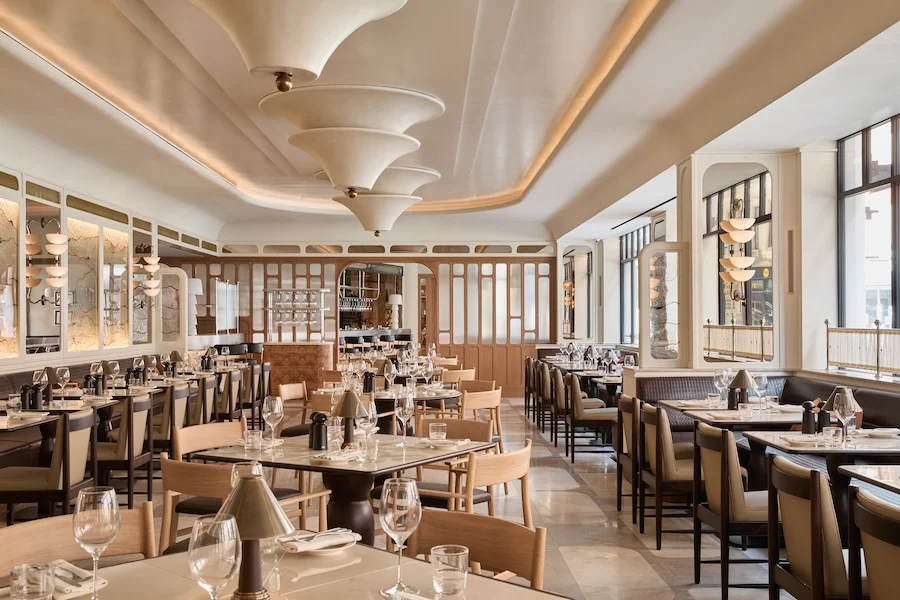
Lind + Almond, the esteemed design studio led by Richy Almond and Pernille Lind, has unveiled The Newman, a captivating new hotel in London’s Fitzrovia district. This project, marking the debut hotel venture for Kinsfolk & Co and owned by Gerent Group, stands as a profound homage to the neighborhood’s rich and often unconventional creative legacy. Situated at the heart of a district steeped in literary and artistic history, The Newman endeavors to immerse guests in an experience that is both sophisticated and subtly imbued with the bohemian spirit that has long defined Fitzrovia.
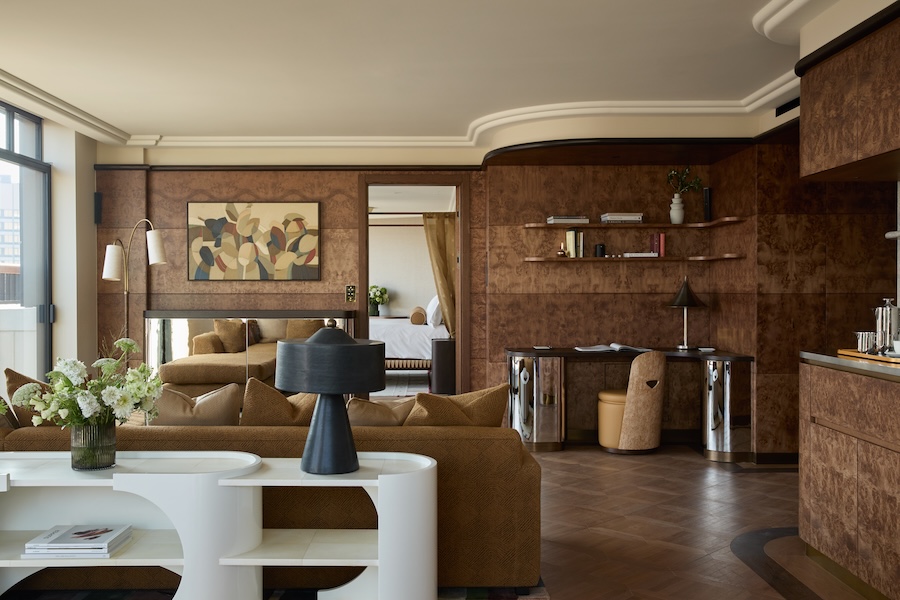
The design philosophy behind The Newman is deeply rooted in an exhaustive exploration of Fitzrovia’s past, a period that saw the area become a magnet for pioneering writers, avant-garde artists, and influential intellectuals. This historical context has been meticulously translated into the hotel’s interiors, which artfully strike a balance between refined elegance and a distinct, understated eccentricity. The initial impression upon entering the hotel is one of warmth and gravitas, established through the generous use of rich timber paneling and a carefully curated selection of tactile materials. This sensory introduction sets a sophisticated tone that gracefully unfolds into more expressive and characterful spaces as one moves through the hotel’s various public and private areas.
Richy Almond articulated the studio’s profound connection to the locale, stating, "Fitzrovia is a fascinating and often overlooked pocket in the very heart of London. We couldn’t simply place a flashy hotel in this cherished part of London, which lacks the glitz of Mayfair or the bright lights of Soho. When you walk its streets, there’s an eccentric energy that sits quietly behind a restrained façade. Our mission was to create a hotel truly of this neighbourhood, exploring what that identity means and celebrating it for curious travellers and locals alike." This sentiment underscores the project’s commitment to authenticity and a deep respect for the area’s unique character.
A Journey Through The Newman’s Distinctive Spaces
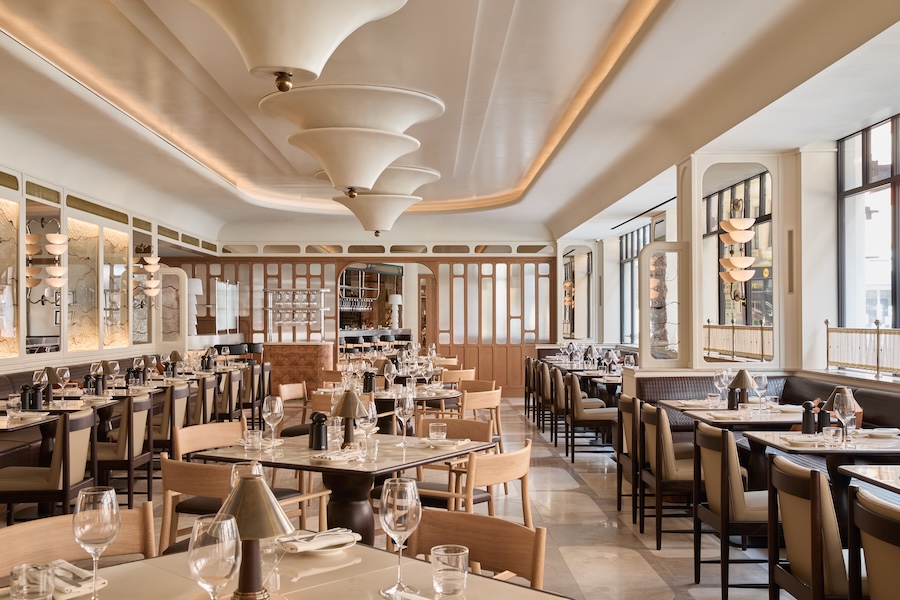
The hotel’s design narrative is woven through its various F&B outlets and intimate spaces, each contributing a unique layer to the overall experience. At street level, Brasserie Angelica serves as a vibrant hub, thoughtfully referencing Fitzrovia’s cultural heritage. The design incorporates subtle nods to iconic local figures, such as the bohemian queen Nancy Cunard and the modernist furniture designer Gerald Summers. These influences are manifest in the brasserie’s striking monochrome palette, its bold graphic lines, and the meticulously crafted detailing that harmoniously complements the Victorian-inspired joinery and elegant glazed screens. The aim is to evoke an atmosphere that is both historically resonant and strikingly contemporary.
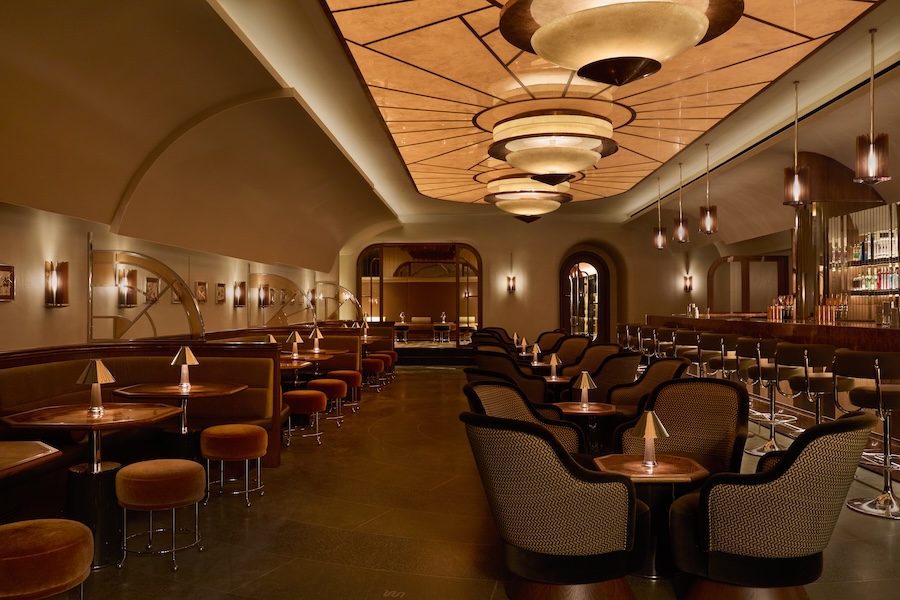
Descending into Gambit Bar, guests are met with a more immersive and atmospheric setting. This transition in design intentionally reflects a deeper aspect of Fitzrovia’s historical persona. Almond elaborates on this concept, noting, "This shift in design also pulls from the idea that many of the neighborhood’s cultural figures presented themselves as rather respectable citizens on the surface, but toyed with dangerous and controversial ideas underneath." The bar’s design draws significant inspiration from the experimental and often confrontational spirit of Percy Wyndham Lewis, the founder of the Vorticist movement. This manifests in the space’s angular geometries, its complex layering of visual references, and discreet allusions to figures like the mystic and occultist Aleister Crowley. The result is a subterranean sanctuary that offers a more intimate and perhaps even enigmatic experience.
Accommodation and Wellness: A Sanctuary of Style
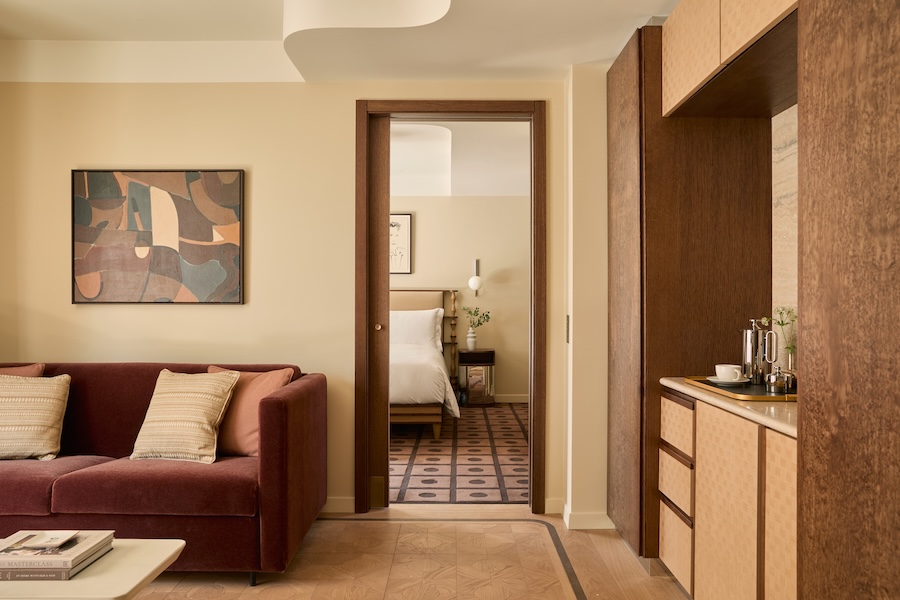
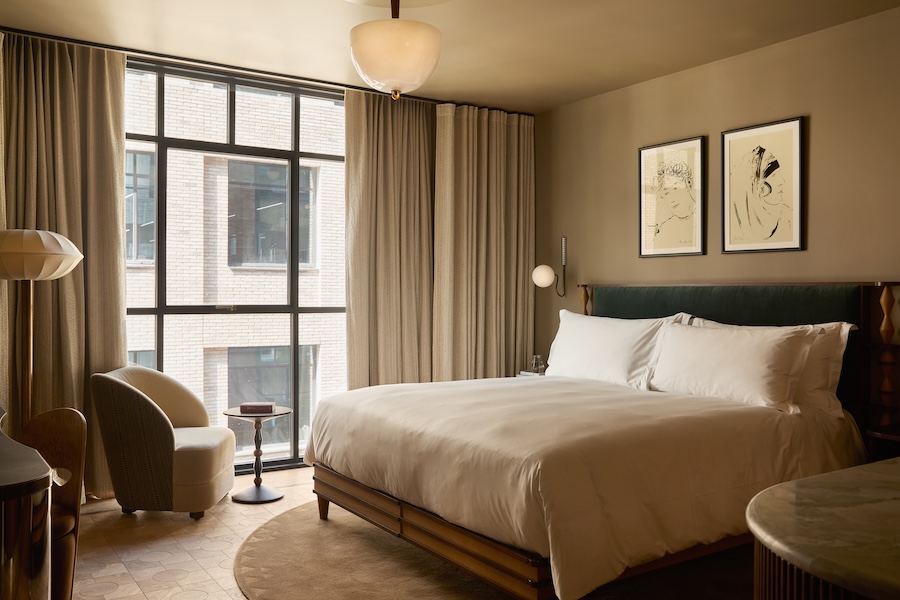
The hotel’s guestrooms continue the overarching narrative, presenting a masterful blend of eclectic forms and a restrained, sophisticated material palette. Warm timbers, polished metals, and a rich color scheme of burnt red and petrol blue are employed to echo the neighborhood’s architectural vernacular. Complementing these elements, carefully placed leather accents introduce a distinctly British sensibility, adding a touch of timeless refinement. The bathrooms are conceived as reinterpretations of Victorian façades, featuring bespoke tiling and rhythmic patterns that evoke a sense of historical continuity within a modern context.
The wellness spaces within The Newman consciously depart from the conventional, often sterile, minimalist approaches seen in many contemporary hotels. Instead, the design draws inspiration from the Swedish Grace movement, embracing a softer, more tactile aesthetic. The layering of premium materials such as oak, walnut, bronze, and textured glass creates an atmosphere that is both warm and inviting, evoking the comfort and familiarity of a well-appointed residential interior. This approach ensures that the wellness facilities offer a sanctuary for relaxation and rejuvenation that is in keeping with the hotel’s overall ethos of thoughtful, characterful design.
Art as the Heartbeat of The Newman
Art, as an intrinsic element of Fitzrovia’s identity, plays a pivotal role in The Newman’s design narrative. Pernille Lind emphasized its importance, stating, "The Newman must have heart and soul, seamlessly blending into London as if it’s always been there. Art plays a crucial role in telling this story, avoiding the blandness often seen in hotel décor. Fitzrovia and London’s artists will continue to provide inspiration and decorate the walls. We’ve collaborated with a curator renowned for selecting art that truly reflects the hotel’s concept." This commitment to art is not merely decorative; it is integral to the hotel’s mission to authentically represent and celebrate the creative spirit of its surroundings. The hotel plans to actively engage with local artists, ensuring that its walls become a dynamic canvas that evolves with the neighborhood’s artistic pulse.
The commissioning and curation of art for The Newman is a deliberate strategy to imbue the hotel with a unique personality and a sense of lived history. By collaborating with a curator known for their discerning eye and deep understanding of Fitzrovia’s artistic milieu, Lind + Almond and Kinsfolk & Co aim to create a collection that resonates with the hotel’s concept of understated sophistication and bohemian allure. This approach ensures that the art serves as a conversation starter, a source of inspiration, and a tangible link to the vibrant creative community that has shaped Fitzrovia for generations.
Fitzrovia: A Legacy of Intellectual and Artistic Ferment
Fitzrovia’s historical significance as a nexus of intellectual and artistic activity is well-documented. In the late 19th and early 20th centuries, the area attracted a diverse array of creative minds. Figures like George Bernard Shaw, Virginia Woolf, and Arthur Ransome lived and worked in Fitzrovia, contributing to its reputation as a hub for literary innovation. The Bloomsbury Group, though primarily associated with Bloomsbury itself, had significant connections and influences that extended into Fitzrovia. This era was characterized by a spirit of experimentation, intellectual debate, and a questioning of societal norms, all of which have been carefully considered in the design of The Newman.
Beyond literature, Fitzrovia was also a focal point for visual artists and designers. The proximity to art schools and galleries, coupled with relatively affordable rents, made it an attractive base for those pushing artistic boundaries. The Vorticist movement, as referenced in Gambit Bar’s design, was a prime example of this artistic dynamism, seeking to create a distinctly British avant-garde that was both modern and forceful. The presence of designers like Gerald Summers further underscores the area’s multidisciplinary creative energy.
The establishment of The Newman hotel in this historically rich environment is not merely a commercial endeavor; it is an act of cultural preservation and celebration. By creating a space that actively engages with Fitzrovia’s past, the hotel aims to attract a discerning clientele who appreciate history, art, and thoughtful design. This can be seen as a broader trend within the hospitality industry, where hotels are increasingly seeking to offer unique experiences rooted in their location’s heritage, moving beyond generic luxury to provide authentic cultural immersion.
Broader Implications for London’s Hospitality Landscape
The opening of The Newman signifies a continued evolution in London’s hotel scene, particularly in its more characterful and historically significant neighborhoods. While areas like Mayfair and Soho often dominate the luxury hotel narrative with their overt opulence, Fitzrovia’s understated charm and intellectual heritage offer a different, yet equally compelling, proposition. The success of The Newman could pave the way for further development in similar historically rich districts, encouraging a more nuanced and context-specific approach to hotel design.
Furthermore, the hotel’s emphasis on art and its deep connection to the local creative community could serve as a model for other hospitality projects. By actively integrating local talent and cultural narratives into their fabric, hotels can foster a sense of place that is both authentic and appealing to travelers seeking more than just a comfortable bed. This approach not only benefits the hotel by differentiating it from competitors but also contributes to the cultural vitality of the surrounding neighborhood.
The strategic choice of Lind + Almond, known for their ability to imbue spaces with personality and narrative depth, underscores the project’s ambition to create a hotel that is more than just accommodation; it is an experience. Their dedication to translating the essence of Fitzrovia into tangible design elements—from the tactile warmth of timber to the subtle references to historical figures—is a testament to their skill and the project’s vision.
In conclusion, The Newman represents a thoughtful and elegantly executed endeavor to capture the spirit of Fitzrovia. Through its layered design, its deep respect for history, and its commitment to art, the hotel offers a unique and immersive experience that celebrates the neighborhood’s enduring legacy as a haven for creativity and intellectual curiosity. It stands as a compelling addition to London’s hospitality landscape, inviting guests to discover the quiet, eccentric energy that defines this remarkable corner of the city.


 Anjar Salim
 Chandra Hamzah
 Tatiana Tantri Indah Sari
 Budi Mulyono

