
 Walid Sujud Trenggono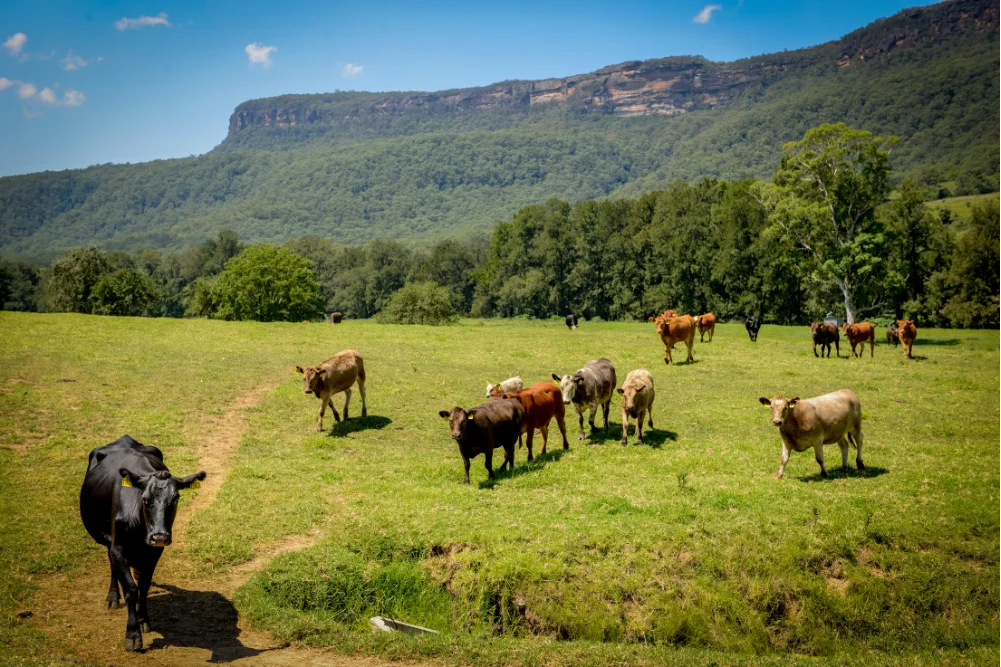
The Shoalhaven region of New South Wales, situated approximately 200 kilometers south of Sydney and 250 kilometers from Canberra, has transitioned from a traditional seasonal coastal getaway into a year-round destination focused on wellness, sustainability, and cultural immersion. Encompassing over 100 beaches and characterized by a landscape that is 70 percent national park and forest, the South Coast region has become a focal point for the "slow tourism" movement. This strategic shift reflects a broader global trend where travelers prioritize restorative experiences and deep environmental connection over high-speed sightseeing. Recent data from Destination NSW suggests that regional tourism in the Shoalhaven contributes significantly to the local economy, with wellness-oriented visitors often staying longer and spending more per capita than traditional day-trippers.
The Rise of Boutique Wellness Infrastructure in Milton
The town of Milton, historically recognized for its 19th-century architecture and dairy farming roots, has reinvented itself as a gateway for holistic health. Central to this evolution is the emergence of specialized facilities such as The Heal Zone, which opened in December 2024. Located on the periphery of Conjola National Park, the facility represents a new wave of wellness entrepreneurship that integrates physical movement with environmental mindfulness.
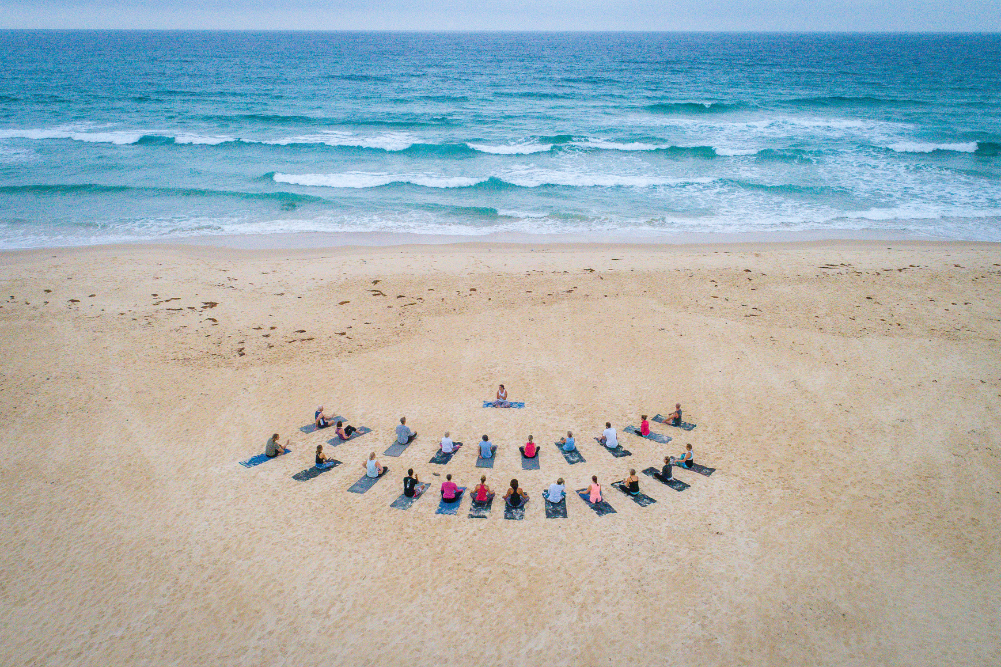
Founded by practitioners Madi and Nic, The Heal Zone operates on a philosophy that combines yoga-based mobility, breathwork, and thermal therapy. Their curriculum is designed to address the modern "burnout" epidemic, utilizing techniques that regulate the autonomic nervous system. According to local health analysts, the integration of cold immersion (ice baths) and heat therapy (saunas) in regional settings mirrors international wellness standards found in Scandinavia and Japan. The presence of such facilities in Milton indicates a professionalization of the local wellness industry, moving beyond general fitness into specialized therapeutic modalities.
The impact of these businesses extends to the local retail sector. Following therapeutic sessions, visitors are increasingly frequenting Milton’s boutique commercial district, which supports a network of independent artisans and clothiers. This synergy between health services and retail creates a resilient local ecosystem that mitigates the economic volatility often associated with coastal tourism.
Sustainable Gastronomy and the Farm-to-Table Mandate
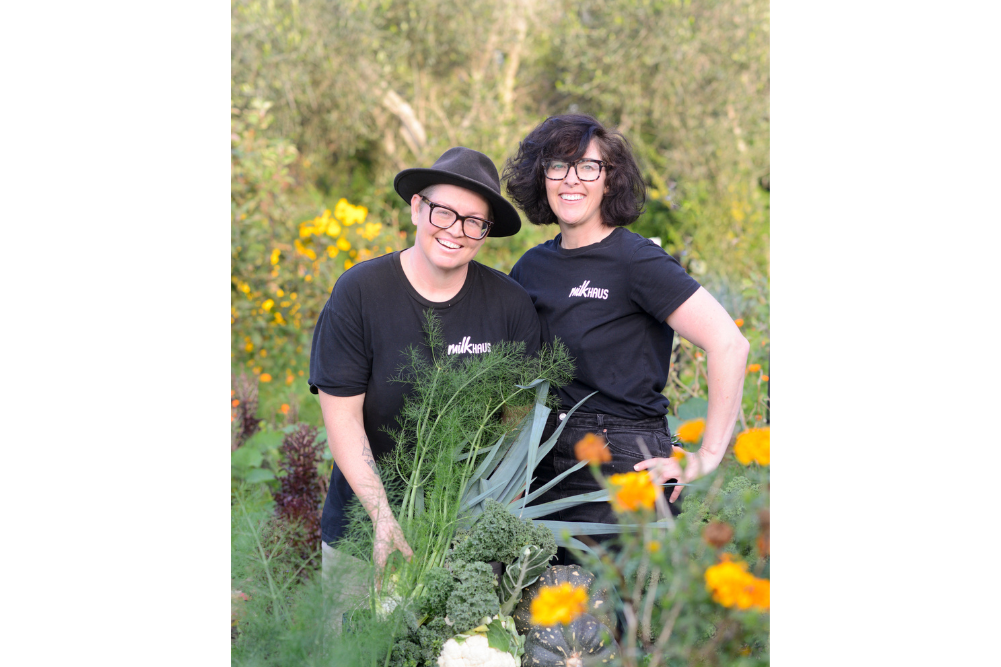
A critical component of the Shoalhaven’s regional identity is its commitment to "agritourism" and sustainable food systems. Milkhaus, a destination cafe and garden located just outside the Milton township, exemplifies the farm-to-table movement. The establishment operates on a rigorous nine-month planning cycle, where the menu is dictated entirely by the seasonal output of its on-site gardens.
Co-founder Nat emphasizes a model where 80 percent of produce is grown on-site, with the remainder sourced from local producers within a narrow geographic radius. This approach significantly reduces "food miles"—the distance food travels from producer to consumer—thereby lowering the carbon footprint of the hospitality sector. Logistically, this requires a deep understanding of the South Coast’s microclimates. By focusing on regenerative agricultural practices, such as composting and crop rotation, establishments like Milkhaus serve as educational hubs for visitors interested in food security and environmental stewardship.
Industry experts note that the success of the 16-hour slow-cooked lamb shoulder or seasonal fruit desserts at such venues is not merely a culinary achievement but a data point proving the viability of small-scale, high-quality regional agriculture. This model provides a blueprint for other regional centers looking to stabilize their supply chains while offering authentic experiences to the "conscious consumer."
Ecotourism and Low-Impact Recreation in Kangaroo Valley
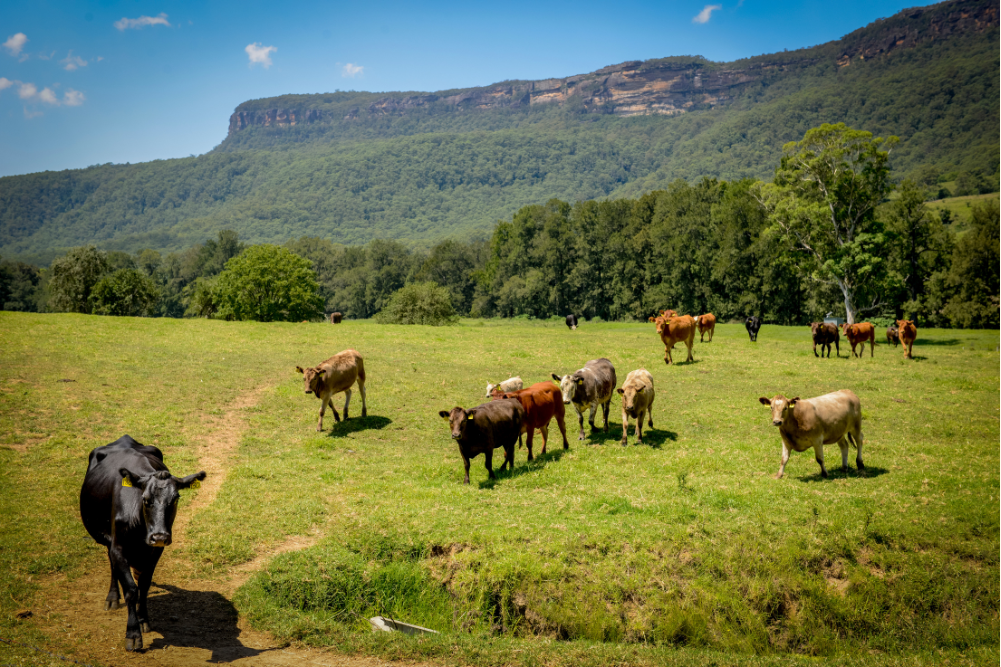
Further inland, Kangaroo Valley serves as a primary site for ecotourism, governed by the pristine wilderness of Morton National Park. The region’s geography—characterized by steep escarpments and dense temperate forests—naturally encourages a slower pace of travel. The hospitality sector here, led by establishments like Wildes Boutique Hotel, has moved toward a "sanctuary" model, offering high-end accommodations that prioritize tranquility and privacy.
The recreational centerpiece of the valley is Tallowa Dam, a significant site for the Shoalhaven Scheme and a designated sanctuary for non-motorized watercraft. Operators such as Valley Outdoors have pioneered "mindful canoeing" programs that eschew traditional athletic goals in favor of sensory awareness and environmental education. Lead guides, such as Bree from Valley Outdoors, incorporate grounding exercises and Indigenous history into their itineraries, fostering a deeper respect for the land’s traditional custodians.
From a conservation perspective, the ban on motorboats at Tallowa Dam protects the local avian populations and maintains water quality. The practice of "rafting" canoes—connecting them to float in silence—serves as a psychological intervention, reducing cortisol levels through immersion in "blue spaces." This intersection of mental health and environmental preservation is a key driver in the Shoalhaven’s current tourism strategy.
The Maker Movement and the Creative Economy
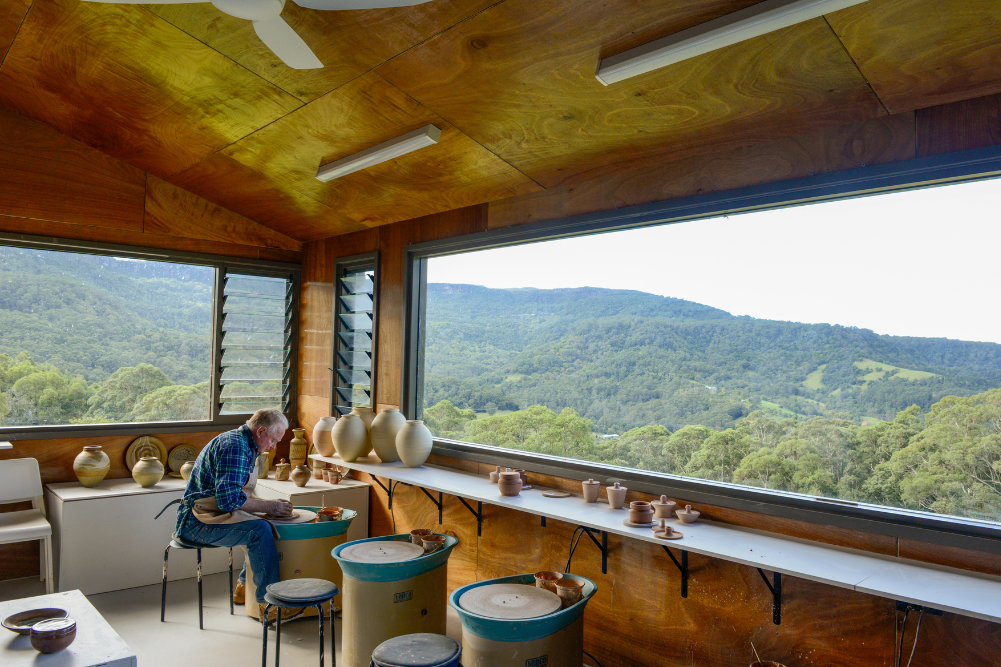
The Shoalhaven’s appeal is further bolstered by its "maker economy," where professional artists provide immersive workshops for the public. David Collins, a prominent local ceramicist, operates a purpose-built studio that overlooks the escarpment toward the Pacific Ocean. His workshops represent a shift toward "experience-based" retail, where consumers pay for the acquisition of a skill rather than just a finished product.
The process of wheel-throwing pottery requires a high degree of focus and fine motor coordination, which practitioners describe as a form of "active meditation." By facilitating these sessions, regional artists contribute to the cultural capital of the area while diversifying their income streams. The resulting artifacts—bowls, cups, and plates—act as physical mementos of the region, creating a lasting brand connection with the visitor.
Economic data suggests that the creative industries in regional NSW are vital for community resilience. By supporting local potters, painters, and weavers, the Shoalhaven ensures that its economic growth is tied to the preservation of traditional crafts and the promotion of local talent.
Bundanon: A Nexus of Art, History, and Indigenous Culture
The cultural narrative of the Shoalhaven reaches its pinnacle at Bundanon, the former estate of renowned Australian artist Arthur Boyd and his wife Yvonne. Gifted to the Australian people in 1993, Bundanon is now a world-class cultural retreat and gallery. The recent $34 million expansion, including the "Bridge" gallery—a climate-resistant structure designed to withstand floods and fires—has elevated Bundanon into a global destination for art and architecture.
Bundanon’s programming frequently features Indigenous voices, such as Walbunja/Ngarigo artist Aunty Cheryl Davison. Her "Culture and Creation" talks provide essential context regarding the Indigenous heritage of the Shoalhaven, linking contemporary art practices like printmaking and weaving to ancient songlines and traditions. This integration of First Nations knowledge is not merely a cultural courtesy but a fundamental aspect of the region’s identity, offering visitors a profound understanding of "Country."
The onsite Ramox Cafe further integrates the sensory experience, allowing visitors to reflect on the intersection of Boyd’s legacy and the surrounding landscape. The stillness of the Shoalhaven River at Bundanon serves as a powerful reminder of the importance of preserving public lands for artistic and spiritual reflection.
Analysis of Broader Impacts and Future Outlook
The transformation of the Shoalhaven into a wellness and cultural hub has significant implications for regional development in Australia. By diversifying away from a "sun and surf" monoculture, the region has built a more resilient economy that is less susceptible to the seasonal fluctuations that often plague coastal towns.
- Economic Resilience: The focus on high-value, low-impact tourism attracts a demographic that is willing to invest in premium experiences, supporting higher wages for local practitioners and artisans.
- Environmental Stewardship: By promoting activities like canoeing, hiking, and farm-to-table dining, the region fosters a visitor base that is more likely to respect and protect the natural environment.
- Social Cohesion: The emphasis on community-based businesses, such as The General Cafe and local pottery studios, strengthens social ties and ensures that tourism revenue remains within the local community.
- Mental Health Advocacy: As the demand for wellness retreats grows, the Shoalhaven is positioning itself as a "therapeutic landscape," providing essential services for an increasingly stressed urban population.
In conclusion, the Shoalhaven region serves as a sophisticated model for modern regional tourism. Through the careful integration of wellness facilities, sustainable agriculture, low-impact recreation, and high-level cultural programming, it has created a destination that offers more than just a temporary escape. It provides a framework for restoration and reconnection that resonates long after the visitor has departed. As regional Australia continues to navigate the challenges of the 21st century, the Shoalhaven’s commitment to "slowing down" may indeed be the fastest way to ensure a sustainable and prosperous future.



 Anjar Salim
 Dwi Wanna
 Budi Mulyono
 Lukman Taruna Persada Ramadan
 Chandra Hamzah
 Gabriela Annisa